Don't miss our holiday offer - up to 50% OFF!

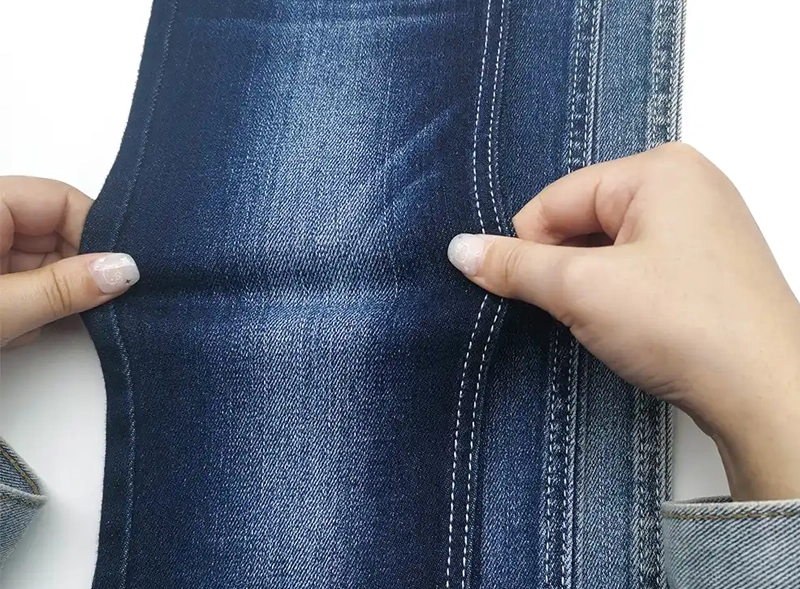
How to soften denim?

As jeans become increasingly popular, their comfort has become a major concern, with softness being a key factor. So, what methods can be used to make denim softer? As a denim fabric engineer with over twenty years of experience in the industry, I’ll introduce a few methods today.
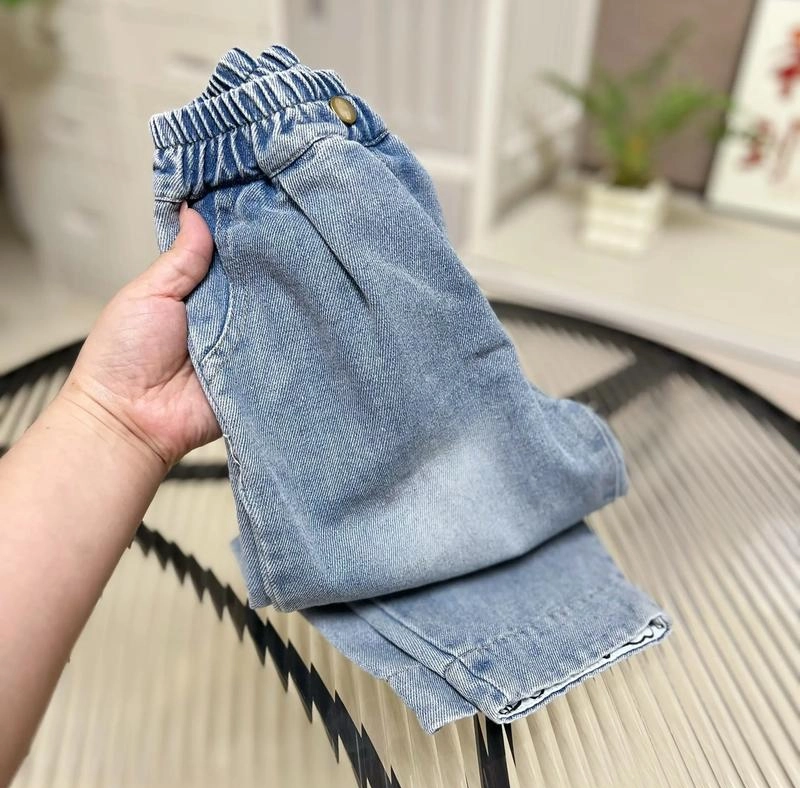
First, consider the raw materials. Denim is primarily made of cotton yarn, but as comfort demands rise, using only cotton doesn’t necessarily make it softer. Therefore, blending it with other fibers or using softer fibers like lyocell, modal, bamboo fiber, cashmere, and protein fibers are options.
Second, special treatments in the dyeing and sizing process, such as desizing, mercerizing, or using new sizing techniques, can minimize physical compression and chemical damage to the yarn, resulting in better elasticity and softness.
Third, changes can be made to the design of the manufacturing process. For example, in the weaving process, a sparser reed can be selected for the loom, and the fabric width can be maximized to allow for greater shrinkage, resulting in a looser feel.
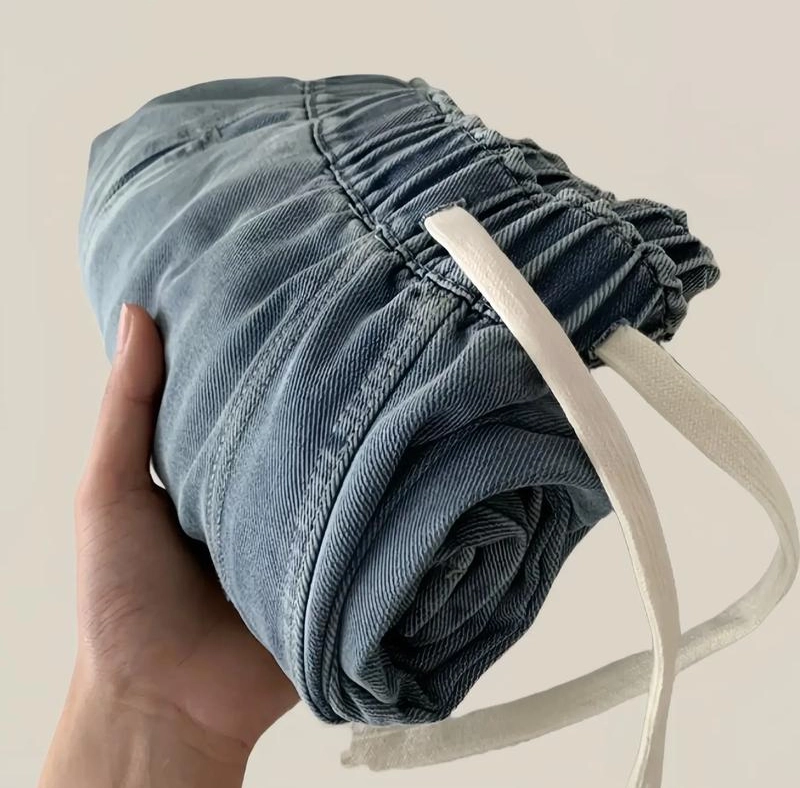
Fourth, finishing processes can soften the denim. Denim finishing is the final step before making jeans. Its main purpose, besides ensuring dimensional stability, is to achieve various desired effects, such as singeing, desizing, mercerizing, napping, liquid ammonia finishing, lamination, laser printing, etc. Making the denim softer and more lustrous is one of its main objectives and a key direction for the development of finishing processes.
Fifth, washing. The most common way to soften denim nowadays is to desizing during washing, followed by the addition of various softeners to achieve a softer effect. Of course, the specific method will depend on the inherent characteristics of the denim and the desired effect. However, excessive use of softeners can damage the denim and often raises environmental concerns, potentially harming human health. After all, jeans are worn close to the skin, so never buy cheap jeans just because they are inexpensive. These often use large amounts of chemical additives to make the jeans look shiny and feel soft, but they are essentially of poor quality.
Denim is the soul of jeans; we must learn more about denim.
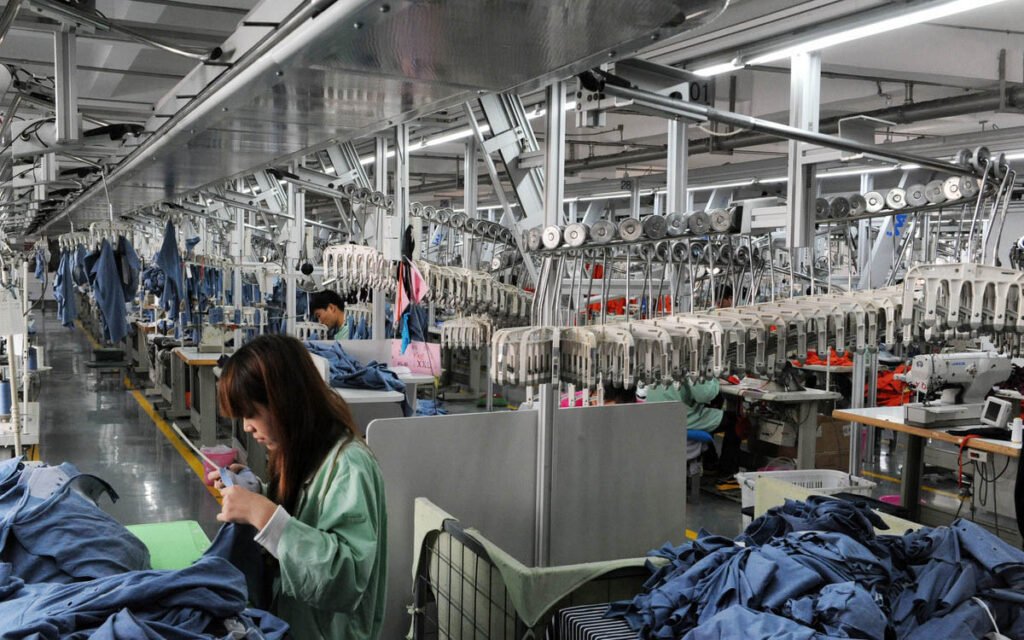
Stiff, rigid denim is a classic, but today’s market craves immediate comfort. The secret to that perfect, broken-in feel isn’t magic—it’s mastered in the prototyping and production phases. As your dedicated denim manufacturing partner, we specialize in engineering custom jeans and jackets that are soft to the touch from day one.
We transform rugged fabric into luxurious, wearable softness through controlled, scalable industrial processes.
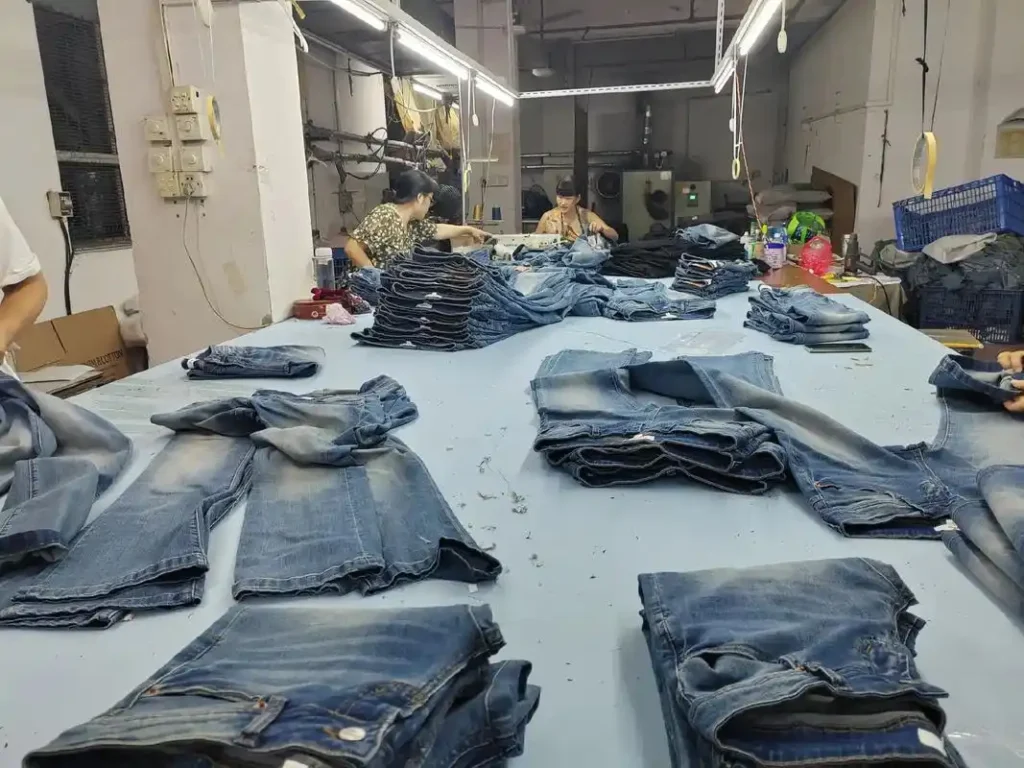
Our Custom Softening Techniques for Your Brand:
1. Advanced Enzyme & Stone Washing
Our workhorse method. We use specialized cellulose enzymes (bio-washing) and/or pumice stones in our industrial washing machines to gently break down the fabric’s starch and indigo. This allows us to precisely calibrate the level of abrasion and softening to match your brand’s unique hand-feel requirements.
2. Revolutionary Laser Treatment
For precision and sustainability. Our laser technology gently etches the fabric surface, loosening fibers and reducing stiffness without a single drop of water. It’s perfect for creating targeted wear patterns and an overall softer hand-feel with unparalleled consistency and a smaller environmental footprint.
3. Customized Tumbling & Micro-Sanding
We use industrial rotary dryers and steam tunnels to mechanically soften the fabric through controlled tumbling. Combined with micro-sanding (peaching) techniques, we can create an incredibly soft, suede-like nap on the denim surface, ideal for a premium, luxurious finish.
4. Strategic Fabric Selection & Blending
The journey to softness begins with the right fabric. We guide our clients in selecting custom-milled denim with built-in softness, such as:
- Stretch Denim: Incorporating Lycra® or elastane for flexibility and comfort.
- Ring-Spun & Slub Yarns: These create a naturally softer, textured hand-feel.
- Cotton Blends: Blending cotton with Tencel™, linen, or even wool for inherent softness and drape.