Don't miss our holiday offer - up to 50% OFF!

What Is Denim

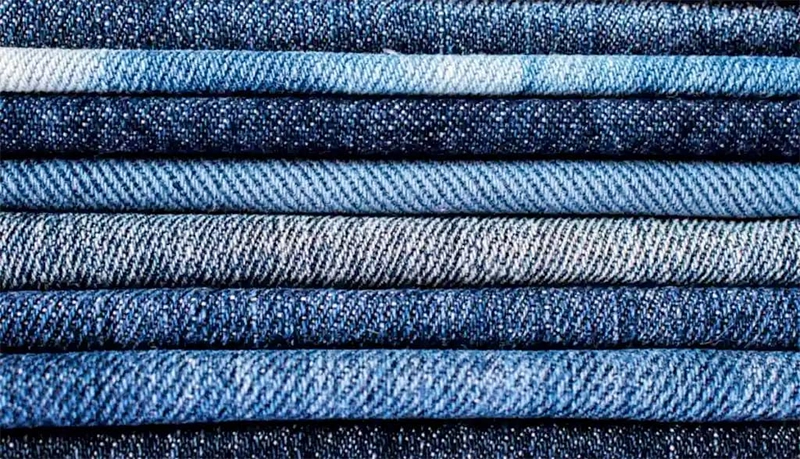
Denim is a type of woven twill fabric, usually made from cotton.
It consists of two yarns that are woven together. The yarn that runs across—known as the weft—is threaded over and under the yarn that runs downwards, which is called the warp.
Denim is usually yarn-dyed with indigo. That means the warp yarns are dyed before they’re woven into denim, while the weft yarns are left undyed or bleached.
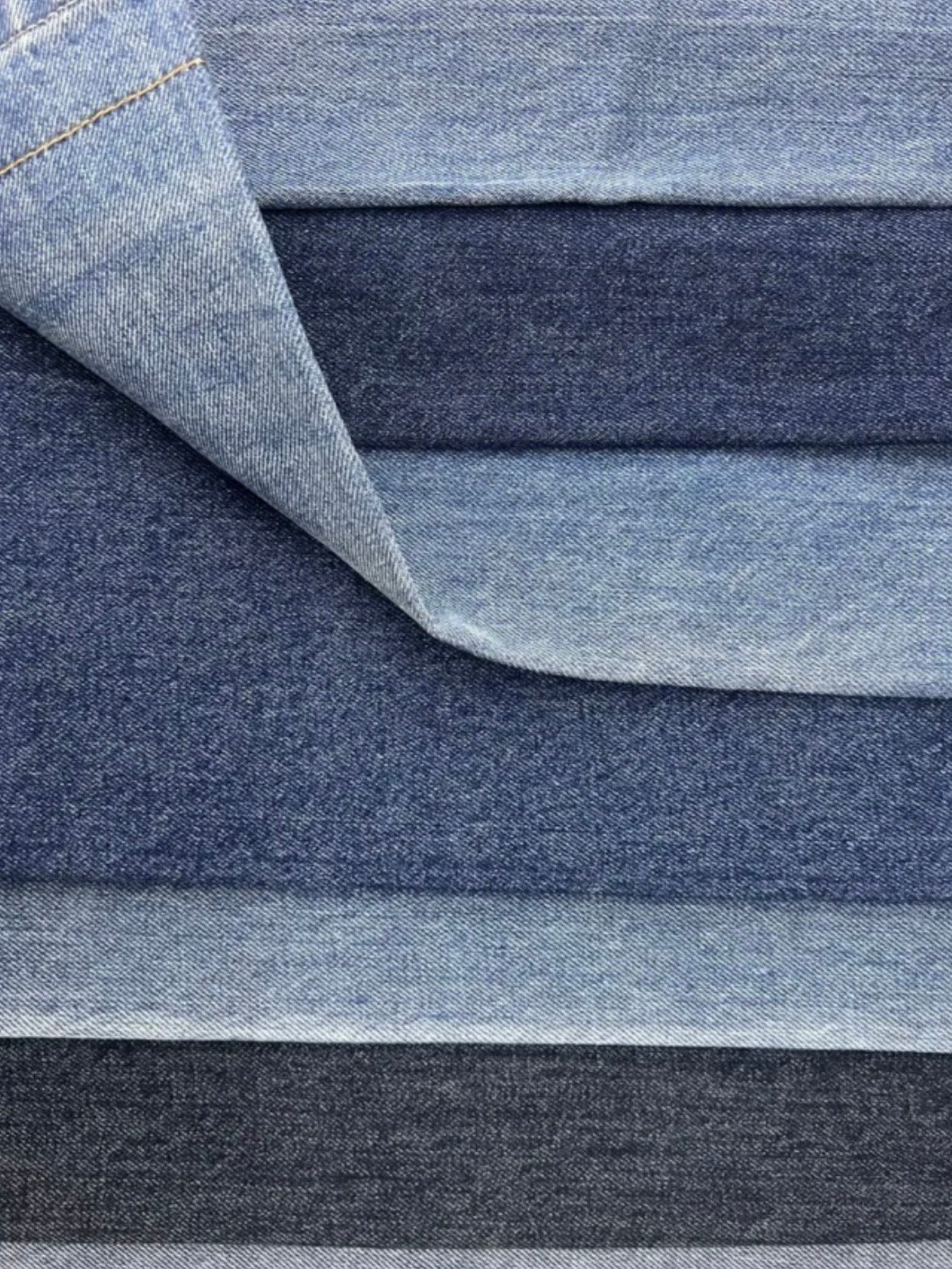
Light-, Mid- or Heavyweight Denim?
Raw denim has turned weight watching on its head. Heavyweight denim is a hit, and for some, it’s become all about how heavy you can go.
But heavyweight denim isn’t for everyone. A nice pair of midweight denim jeans will be the perfect middle ground for most. In warmer weather, a lightweight denim will also do wonders.
This allows makers to only dye one set of yarn, the warp. That is why denim is blue on the front and white on the back.
However, with the advancement of alternative dyes such as sulfur, the definition of denim can be stretched to include garment-dyed twills as well.
1. Introduction to Denim
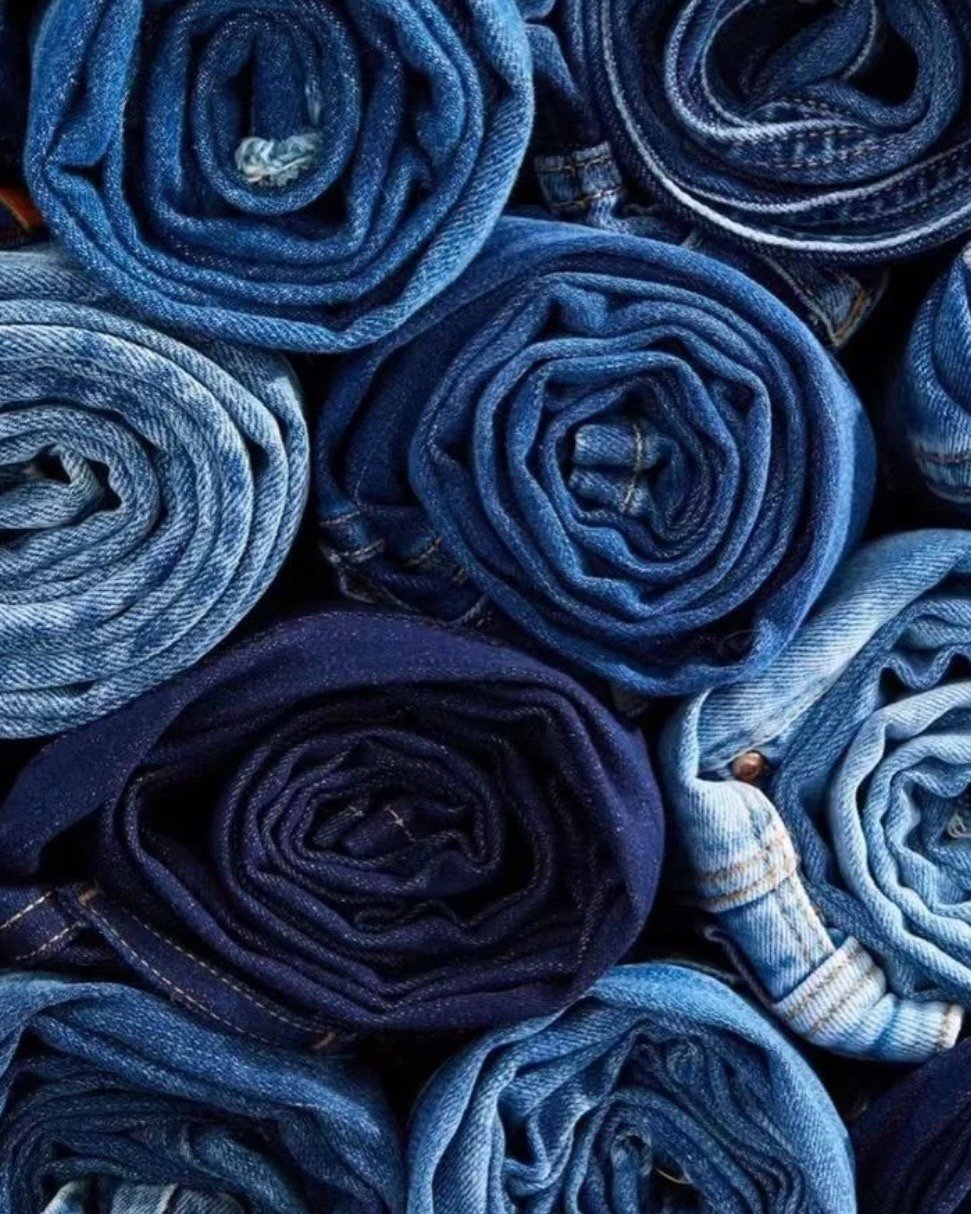
Denim is a sturdy cotton twill fabric, iconic for its use in jeans. Woven in a 3/1 twill weave, it features indigo-dyed warp threads over undyed weft threads, creating the classic blue-and-white contrast. This structure causes denim to fade naturally, developing unique patterns in high-wear areas, making every piece distinct.
Denim
2. Origins and Evolution of Denim
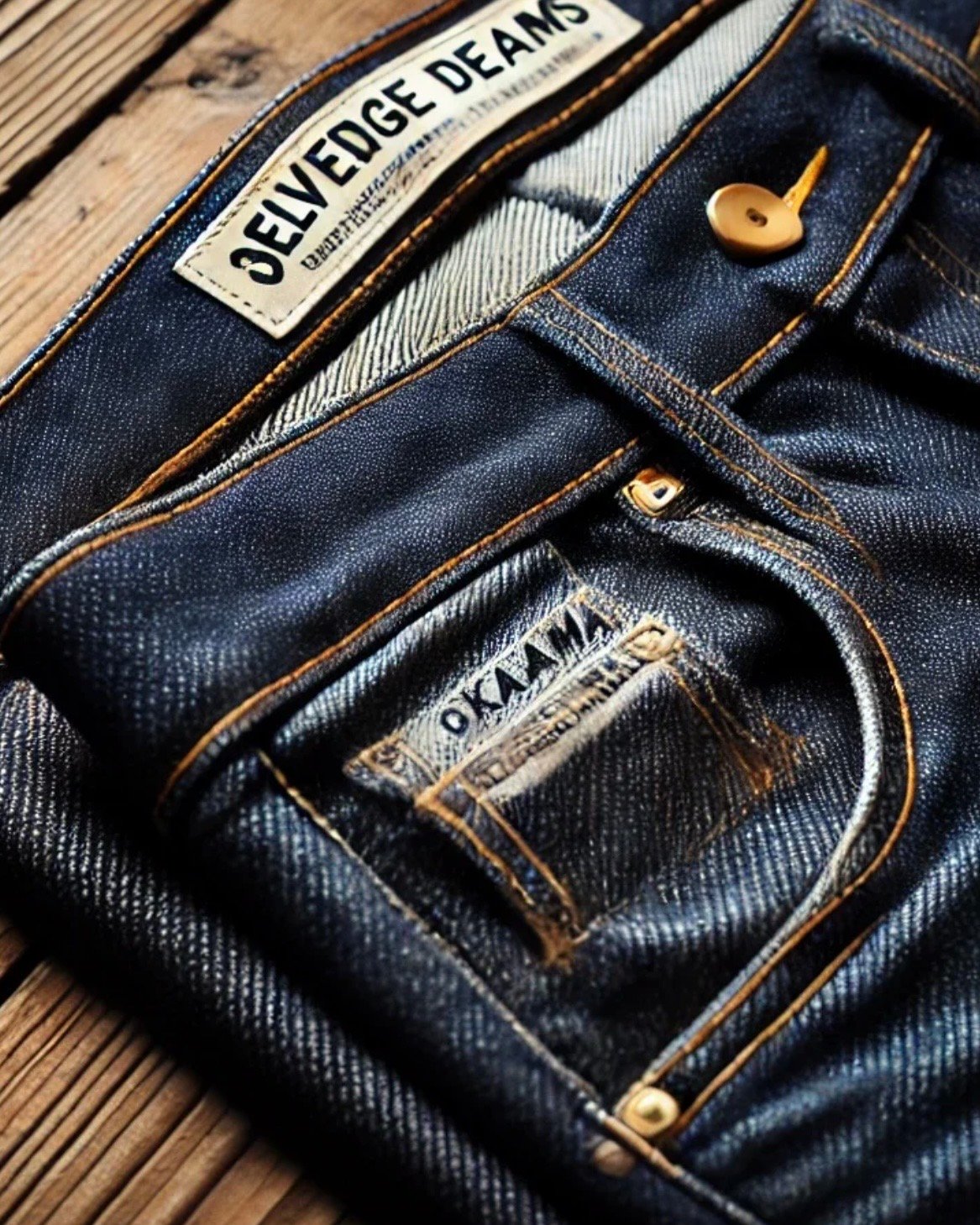
Originating in the mid-19th century United States, denim was crafted for workwear, serving miners and laborers due to its durability. By the 20th century, it became a cornerstone of American culture, popularized through cowboy imagery and Hollywood. Today, denim transcends jeans, appearing in jackets, skirts, and home textiles, symbolizing rebellion and style. Learn more at ZENITH Denim’s blog on denim fabrics.
Evolution of Denim
3. Materials and Weaving Techniques
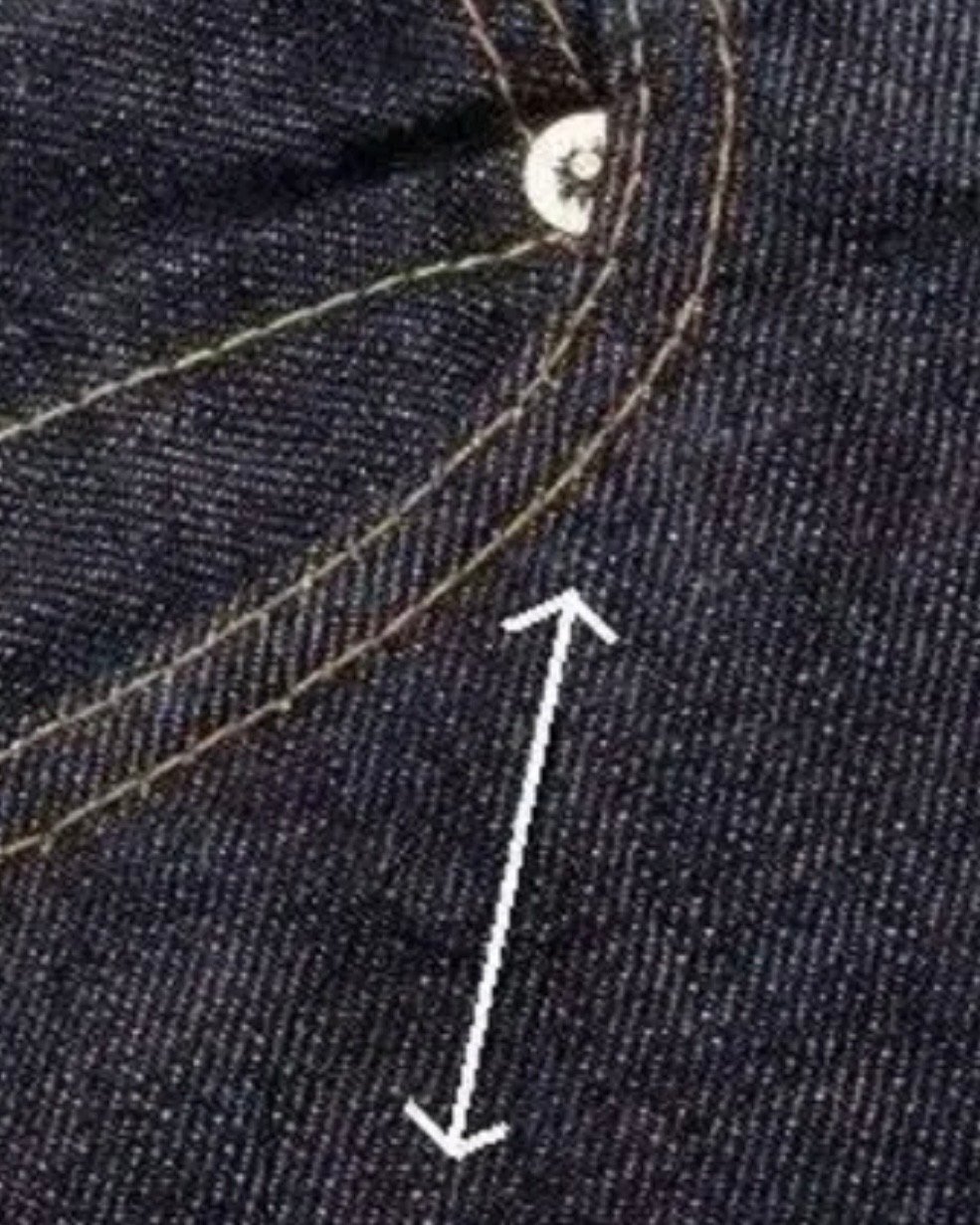
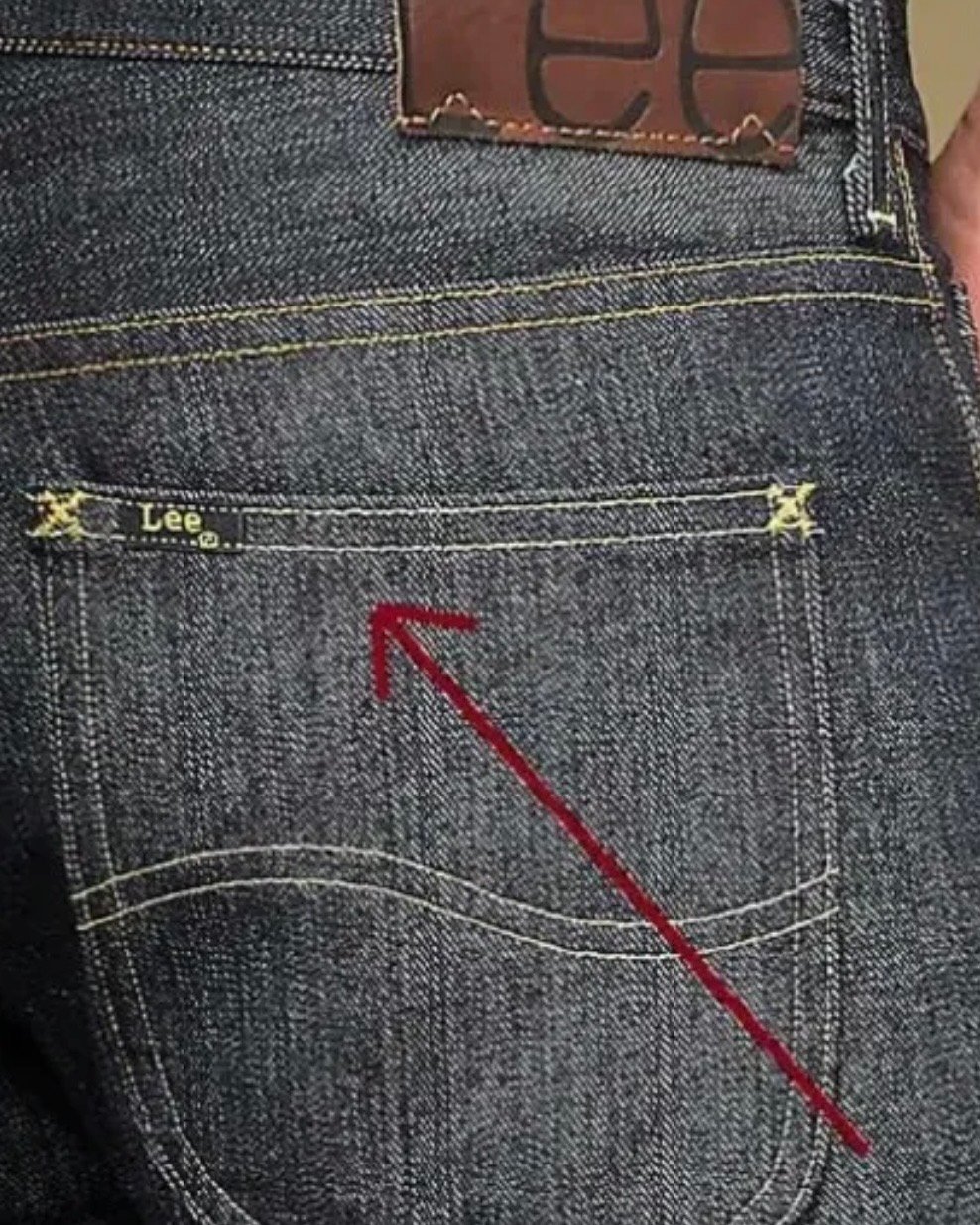
Denim is primarily made from cotton, offering breathability and comfort. Its weave structures define its texture and appearance. According to CUSTOM DENIM, key types include:
- Right-hand Twill: Common, with diagonal ridges; feels rigid.
 Right-hand Twill
 - Left-hand Twill: Softer, with smoother fading.Left-hand Twill
- Broken Twill: Zig-zag pattern, reducing fabric twist.Broken Twill
 Right-hand Twill
 Left-hand Twill
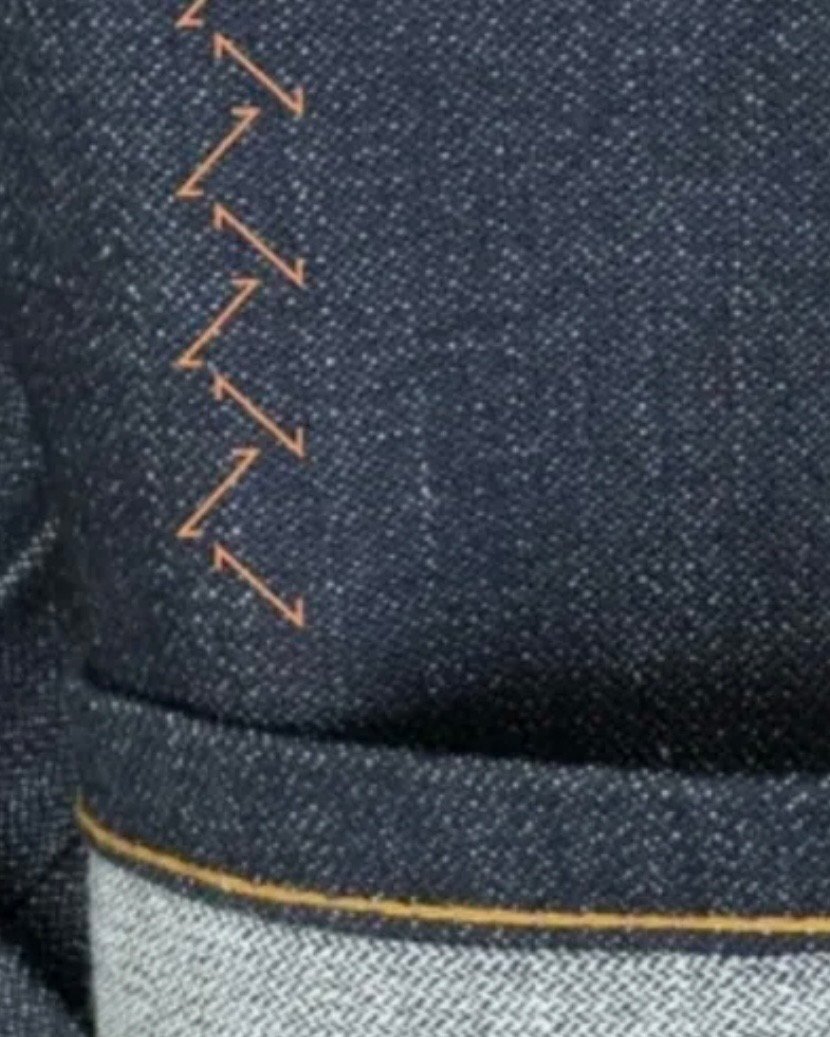 Broken Twill
4. Major Types of Denim
Modern denim varies to suit diverse needs:
- Classic Denim: Heavy, durable; ideal for jeans and jackets.
- Stretch Denim: Cotton blended with elastane for flexibility; used in skinny jeans.
 Denim Stretch
 - Chambray: Lightweight, perfect for shirts and summer wear.
 Chambray Shirt
 - Raw Denim: Unwashed, stiff; valued for its unique fading over time.Types of Denim
 Denim Stretch
 Chambray Shirt
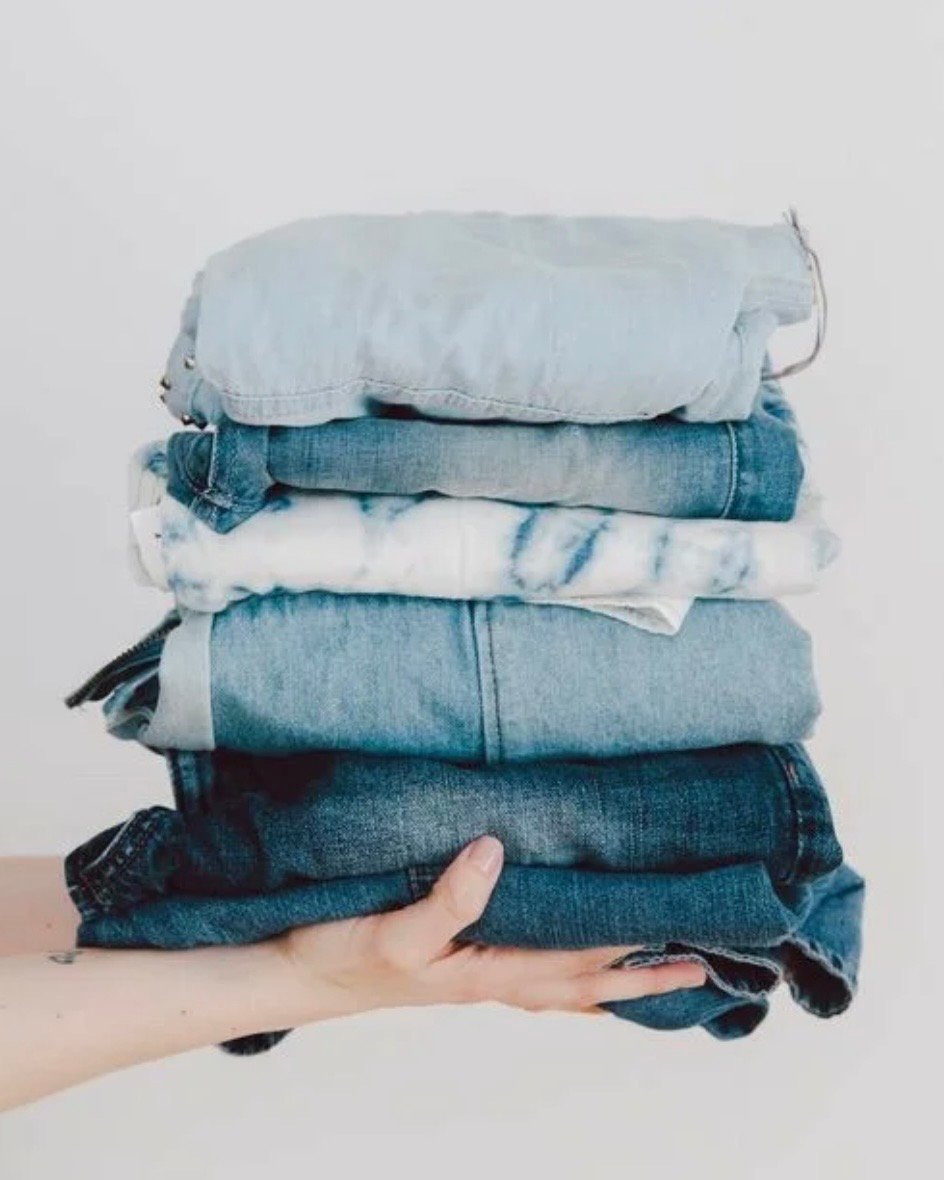 Types of Denim
5. Advantages and Disadvantages of Denim
Pros:
- Durability: Twill weave ensures strength.
- Versatility: Suits casual and formal styles.
- Unique Aging: Fades create personalized patterns.
Cons:
- Shrinkage: Cotton denim may shrink post-wash.
- Color Fading: Indigo dye bleeds easily.
- Weight: Heavy denim can be uncomfortable in heat.
Explore more
Advantages and Disadvantages of Denim
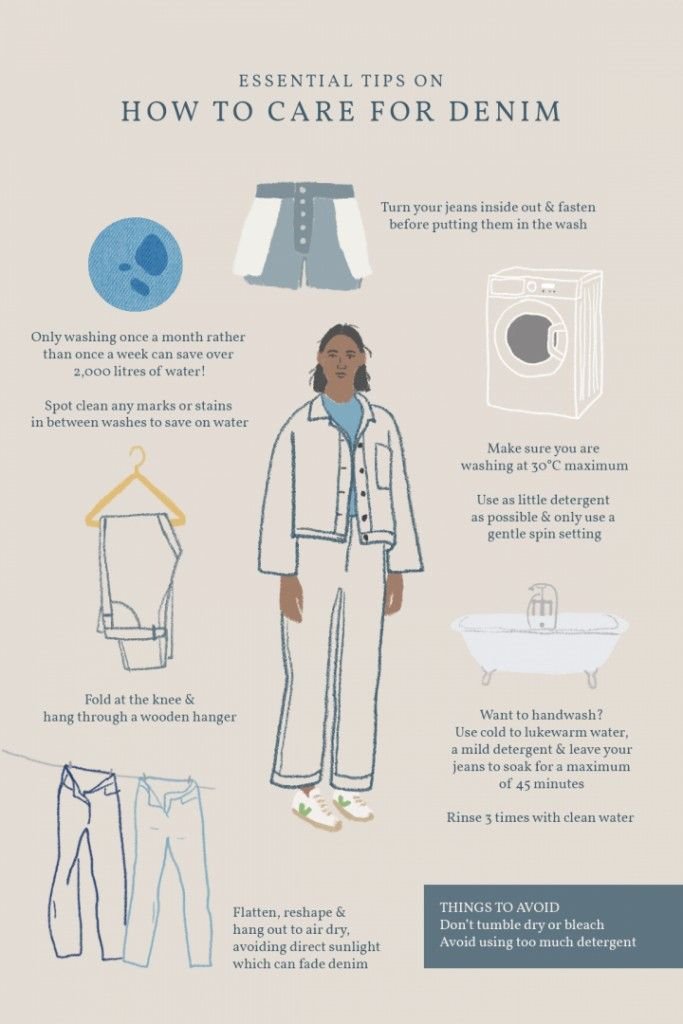
6. Denim Care and Maintenance
Proper care extends denim’s lifespan:
- Wash sparingly to preserve color and structure.
- Use cold water (30°C–40°C) to minimize shrinkage.
- Turn jeans inside out to reduce fading.
- Air dry, avoiding direct sunlight or tumble dryers.
 Denim Care and Maintenance
 Denim Care and Maintenance
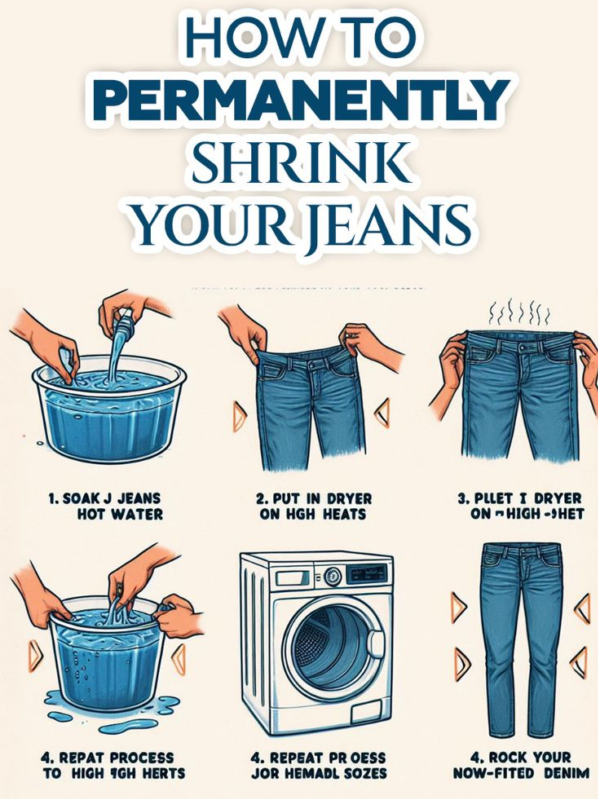
7. Denim Shrinkage & Prevention Tips
Raw denim may shrink 5%–10% after washing, per LYDenim’s shrinkage guide. To minimize this:
- Opt for sanforized denim (pre-shrunk, under 3% shrinkage).
- Wash in cold water, avoiding hot cycles.
- Hang dry to maintain fit and structure.

8. Conclusion
Denim is a timeless fabric, evolving from workwear to a global fashion staple. Understanding its weaves, types, care, and shrinkage solutions empowers better choices for consumers and designers. Dive deeper into denim at ZENITH DENIM BLOGS.