Don't miss our holiday offer - up to 50% OFF!

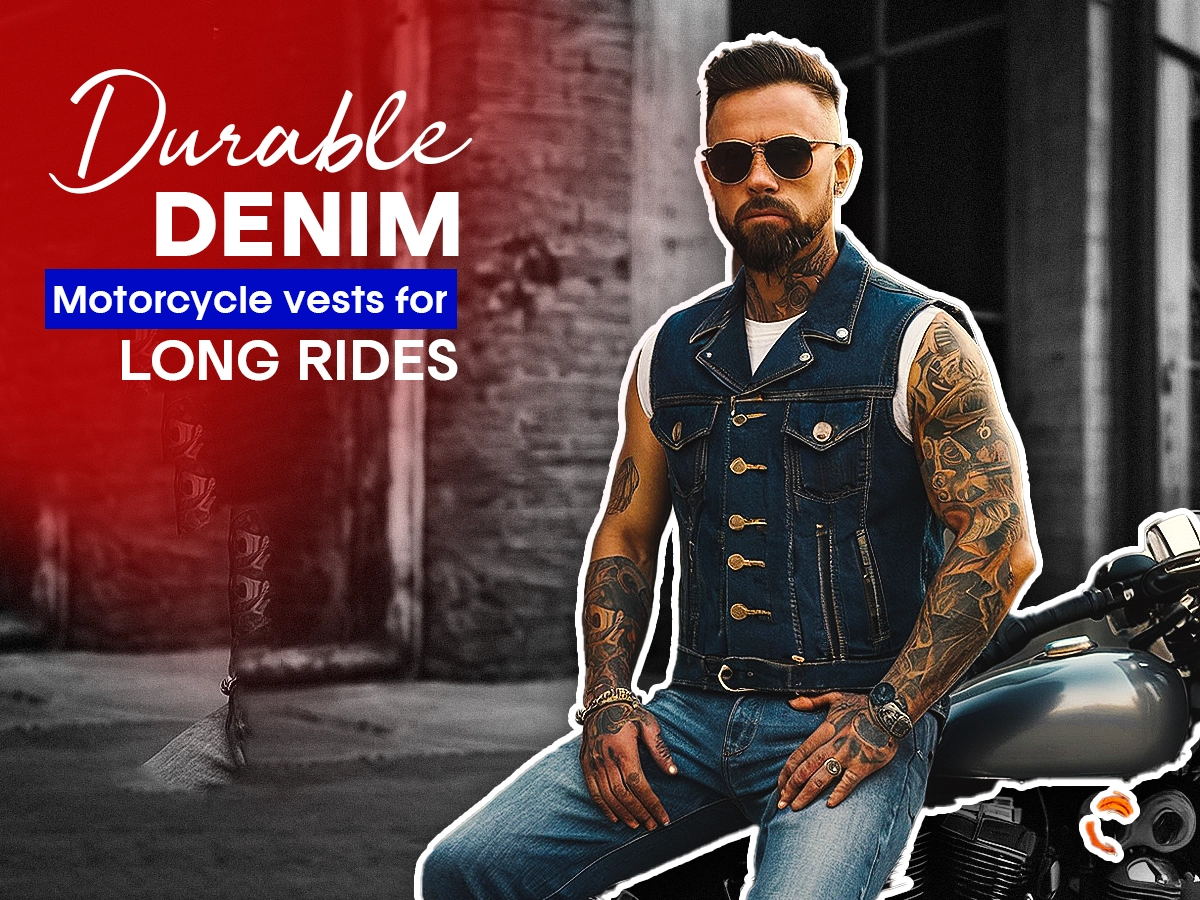
Custom denim motorcycle vest

On the open road, few garments carry as much weight—both literally and symbolically—as the custom denim motorcycle vest. Known in subcultural vernacular as a “cut-off,” “kutte,” or “battle vest,” this sleeveless garment represents far more than a practical piece of riding apparel. It is a declaration of identity, a meticulously curated autobiography stitched in thread and denim, and a badge of honor within the fraternity of bikers. Unlike its leather counterpart, which often projects an aura of immediate defiance and armor-like protection, the custom denim motorcycle vest offers a unique patina of authenticity—it ages with its wearer, fades with every mile, and serves as a soft yet durable canvas for personal expression.
The relationship between a rider and their vest is deeply personal. It is not merely purchased off a rack and worn; it is built, embellished, and evolved over time. From the choice of base material to the strategic placement of patches commemorating rallies, clubs, and fallen brothers, every detail is intentional. This article explores the rich history, functional design, customization culture, and practical considerations of the custom denim motorcycle vest, ultimately guiding the reader toward understanding why this garment remains an indispensable icon of motorcycle culture.
The Historical Roots: From Flight Jackets to Freedom Machines
To understand the custom denim motorcycle vest, one must first trace its origins back to the aftermath of World War II. Returning servicemen, particularly those from the United States Army Air Corps, brought with them a tradition of decorating their regulation flight jackets. These jackets were adorned with mission patches, squadron insignia, and pin-up art—a practice that served both as a record of service and a talisman of camaraderie. When these veterans traded their airplanes for motorcycles, forming the backbone of America’s first motorcycle clubs, they carried this tradition with them.
The flight jacket evolved into the biker cut. Denim, being more accessible and less expensive than leather, became a popular choice for these early cuts. The sleeves were often removed—hence the term “cut-off”—to reduce drag and increase comfort during long rides, while the body of the jacket remained to display club colors. This practical modification quickly became a stylistic hallmark. As the biker subculture spread internationally, influencing the rocker scene in the United Kingdom and the Bōsōzoku in Japan, the denim vest cemented its status as a universal symbol of rebellion and non-conformity.
Denim Versus Leather: A Study in Contrast
When choosing a base for a custom motorcycle vest, the debate between denim and leather is inevitable. While leather is often praised for its protective qualities and iconic “moto” aesthetic, denim holds its own distinct advantages that make it a preferred medium for customization.
The Case for Denim
Denim, particularly when constructed from heavyweight cotton (12 oz. or more), offers remarkable durability and breathability. Unlike leather, which can retain heat and become uncomfortable in warm weather, denim allows for airflow, making it an excellent choice for riders in varied climates. It is also significantly easier to sew through than thick hide, which is a critical factor for anyone who has ever hand-stitched a patch while sitting around a campfire.
Furthermore, denim possesses a unique aging quality. Where leather develops a patina—a softening and darkening of the hide—denim fades. High-wear areas like the shoulders and along the seams lighten over time, creating a map of the rider’s posture and movement on the bike. This “fade” is not seen as wear and tear but as a mark of honor, proof that the vest has been lived in.
Tactile Identity
From a sensory perspective, a denim vest feels different. It is quieter than the creak of leather, more pliable against a t-shirt, and often feels like a second skin rather than a suit of armor. While leather may “demand respect,” denim “invites connection” . This makes the denim vest the perfect substrate for the collaborative art of patch collecting, where the goal is to cover the surface with stories rather than to maintain a sleek, unblemished facade.
The Anatomy of a Custom Denim Motorcycle Vest
A well-constructed custom denim motorcycle vest is defined by its features. While style varies, certain functional elements are non-negotiable for the serious rider.
The Base Construction
The foundation is typically a denim jacket that has had its sleeves removed, though many manufacturers now produce purpose-built vests. High-quality versions utilize denim that is treated to be anti-shrink and anti-pilling, ensuring that the garment maintains its shape and texture through years of use and occasional washing. The weight of the denim is crucial; lighter fabrics may flap uncomfortably at highway speeds, while a medium-to-heavy weight provides stability and a better drape.
Pocket Configuration
Utility is paramount on the road. A functional vest must provide secure storage. Classic designs feature two snap-down chest pockets, ideal for holding a wallet, phone, or toll money. Many riders also prefer vests with lower “slash” or hand-warmer pockets, which are often lined for comfort. For the modern rider, interior pockets have become increasingly important, offering secure storage for a cell phone or even concealed carry options, designed with quick access in mind.
The “Colors” and Club Patches
For members of motorcycle clubs, the vest serves a specific and sacred purpose: it displays the club’s “colors.” This typically consists of a three-piece patch set including a top rocker (club name), a center patch (the club logo), and a bottom rocker (territory or chapter location). The placement and hierarchy of these patches are strictly governed by club rules, and wearing them is a privilege earned through membership and respect. For the non-affiliated rider, the vest becomes a “battle jacket,” a space to display patches representing favorite bands, political beliefs, personal mottos, or memorials for fallen friends.
Customization and Personalization
The true soul of the garment lies in its customization. This is where a vest transitions from a piece of clothing to a piece of the rider. Customization can range from simple sew-on patches to elaborate painted artwork.
- Patches: The most common form of adornment. They can be embroidered, woven, or printed, and are attached by sewing (never ironing, as heat can damage denim and adhesive fails on the road).
- Studs and Spikes: Metal accents, often placed along the shoulders or collar, add an element of punk rock edge and, historically, a modicum of defensive utility.
- Painted Artwork: Airbrushed or hand-painted designs offer a level of uniqueness that mass-produced patches cannot match. Custom portraits, skulls, eagles, and tribal designs are common themes.
- Distressing and Modifications: Some riders choose to fray the edges, add fringe, or even sew in contrasting fabric panels to further distinguish their vest.
The Art of Building Your Own Vest
For those who wish to embark on the journey of creating their own custom denim motorcycle vest, the process is as rewarding as the final product.
Step 1: Sourcing the Base
You have two primary options: convert an existing denim jacket or purchase a pre-made vest blank. If converting a jacket, look for one with a classic fit. The sleeves should be removed carefully, cutting close to the seam, and the raw edge can be left to fray naturally or hemmed for a cleaner look. Pre-made blanks, however, offer advantages such as pre-finished armholes, optimized pocket layouts, and reinforced stitching designed to handle the weight of heavy patches.
Step 2: Planning the Layout
Before sewing a single stitch, lay the vest flat and arrange your patches. This is the “design phase.” The largest patch, often a back patch, commands the central real estate on the back. Smaller patches are arranged around it, on the front panels, and sometimes along the collar or sides. It is crucial to consider the curvature of the shoulders and the way the vest will sit while riding. A common rule is to place the most important patches at eye level.
Step 3: Stitching and Attachment
Denim requires heavy-duty tools. A sharp needle and thick polyester or waxed thread are essential to withstand the elements and the vibration of the road. While a sewing machine can be used for straight lines, many enthusiasts prefer hand-stitching using a saddle stitch, as it allows for greater control and creates a more resilient bond. When attaching patches, stitching around the entire perimeter ensures they won’t catch the wind and peel off at high speed.
Step 4: Final Touches
Once all patches are secured, try the vest on. Check for any pulling or discomfort. This is also the time to add any final embellishments, such as studs or chains, ensuring all hardware is tightly fastened.
The Modern Revival and Sustainability
In recent years, the custom denim vest has seen a resurgence beyond the traditional biker community. Fashion houses and streetwear enthusiasts have embraced the aesthetic of personalization, recognizing the value of unique, hand-crafted garments in an era of fast fashion. This revival has also brought a focus on sustainability.
Denim, particularly when sourced from recycled materials or produced using eco-friendly processes (such as reduced water consumption), aligns with the values of the modern consumer. A custom vest is, by its very nature, sustainable. It is built to last, designed to be repaired, and continuously updated rather than discarded. The addition of patches can cover wear and tear, extending the life of the garment indefinitely. This “make do and mend” philosophy resonates deeply with both the rugged individualism of the biker and the eco-consciousness of the contemporary buyer.
Why Quality Manufacturing Matters
While the spirit of the vest is DIY, the foundation must be solid. A poorly made base will fail under the stress of the road. Seams may pop, pockets may tear, and the denim may shrink or warp after the first encounter with rain. This is where the expertise of a dedicated manufacturer becomes invaluable.
A professional manufacturer ensures that the denim is pre-shrunk and colorfast. They reinforce stress points—such as the armholes and pocket corners—with bar tacks or double stitching. They source durable zippers and snaps that can be operated with gloved hands. For the customizer, starting with a high-quality blank means their work—the hours of layout, stitching, and design—is built on a canvas that will last a lifetime.
Conclusion: The Vest as a Legacy
The custom denim motorcycle vest is far more than a piece of outerwear. It is a historical artifact, a piece of functional gear, and a deeply personal narrative. From its origins in the decorated flight jackets of WWII veterans to its place on the backs of modern riders cruising coast-to-coast, it has remained a potent symbol of freedom, fraternity, and identity.
Whether adorned with the formal colors of a motorcycle club or the eclectic patches of a music lover, each vest tells a unique story. It speaks of miles traveled, bonds forged, and the unyielding spirit of the open road. The fade of the denim, the fray of the edges, and the layering of patches are not signs of age but of a life well-lived. To wear a custom denim motorcycle vest is to wear your history on your sleeves—or rather, where your sleeves used to be.
About the Manufacturer: ZENITH CLOTHING
At ZENITH CLOTHING, we understand that a custom denim motorcycle vest is not just a product; it is a legacy in the making. As a premier garment manufacturer specializing in high-quality outerwear, we are dedicated to providing the perfect foundation for your personal journey. Our brand is built on the principles of durability, craftsmanship, and authenticity—values that resonate deeply with the riding community.
We produce a comprehensive range of custom denim motorcycle vests designed to meet the rigorous demands of the road and the creative needs of the customizer. Our vests are constructed from premium, sustainably sourced denim, featuring heavy-weight fabric that is pre-treated to resist shrinkage and pilling. We understand the importance of functionality, which is why our designs include reinforced stitching at all stress points, multiple deep pockets for secure storage, and easy-access panels specifically designed for attaching patches and embroidery.
Whether you are a motorcycle club seeking bulk orders of uniform “colors” or an individual rider looking for a blank canvas to express your unique identity, ZENITH CLOTHING delivers unparalleled quality. We offer extensive customization options at the manufacturing level, including custom labels, branded buttons, and tailored fits. Our state-of-the-art production facilities allow us to maintain strict quality control, ensuring that every vest we produce meets the highest standards of excellence.
Choose ZENITH CLOTHING as your manufacturing partner. Let us provide the armor for your body and the canvas for your soul. From our workshop to the open road, we are committed to outfitting the spirit of adventure with integrity and style.