Don't miss our holiday offer - up to 50% OFF!

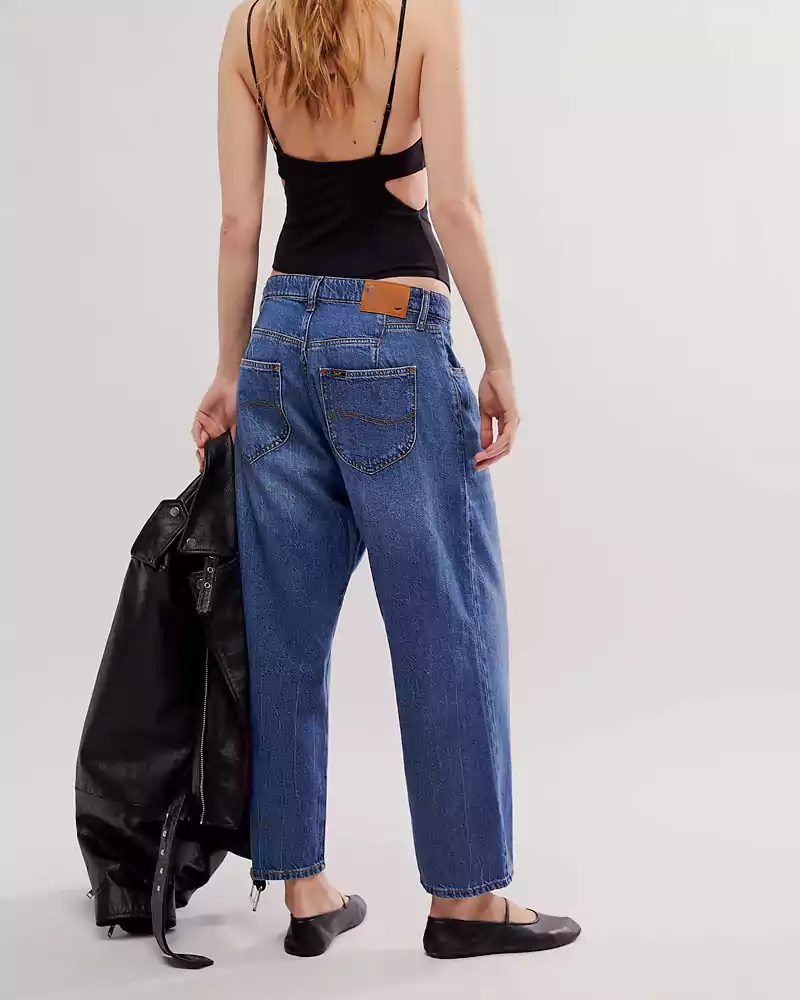
Custom japanese denim jeans

In the world of premium apparel, few fabrics command as much respect and devotion as Japanese denim. Known for its unparalleled durability, rich indigo dyeing techniques, and unique fading potential, Japanese denim has become a holy grail for denim enthusiasts, fashion designers, and streetwear brands alike. However, the true magic lies not just in the raw fabric but in the ability to customize it—turning a roll of selvedge denim into a pair of jeans that fits a specific brand identity, body type, and aesthetic vision. This article explores every facet of custom Japanese denim jeans, from fiber to finished product, and demonstrates why working with an experienced manufacturer is the key to unlocking denim excellence. At the end, we introduce ZENITH CLOTHING, a professional apparel manufacturer ready to bring your custom denim vision to life.
Section 1: What Makes Japanese Denim Unique?
1.1 The Legacy of Vintage Shuttle Looms
Japanese denim owes much of its character to the use of old-fashioned shuttle looms, such as the iconic Toyoda looms from the mid-20th century. These slower machines produce selvedge denim with tightly woven edges that prevent fraying. More importantly, they create an irregular, slubby yarn texture that gives each pair of jeans a tactile, almost handcrafted feel. This unevenness is highly sought after because it leads to unique vertical fading patterns over time—a hallmark of premium raw denim.
1.2 Natural Indigo and Traditional Dyeing
Unlike mass-produced denim that relies on synthetic indigo and continuous dyeing processes, many Japanese mills still practice rope dyeing with pure natural indigo. In this method, cotton yarns are dipped multiple times (sometimes up to 24 times) into fermentation vats, allowing the indigo to oxidize and bond to the fiber’s surface. The result is a deep, rich blue that fades slowly and beautifully, developing what connoisseurs call “living color.” For custom jeans, this means your clients will experience a garment that tells a story with every wear.
1.3 Weight and Durability
Japanese denim is available in a wide range of weights, from 12 oz lightweight summer denim to heavy 21 oz or even 32 oz fabrics. Heavier denim, often woven in Okayama or Kojima, provides exceptional durability and holds creases well, making it ideal for workwear-inspired or repro-style jeans. Custom manufacturers can source specific weights to match your target market—whether fashion-forward streetwear or rugged heritage brands.
Section 2: The Customization Process – From Concept to Pattern
2.1 Defining Your Denim DNA
Every successful custom denim project begins with a clear design brief. Key decisions include:
- Fit: Slim taper, relaxed straight, wide leg, skinny, or high-rise.
- Silhouette: Modern cropped lengths, classic full-length, or exaggerated wide cuts.
- Details: Hidden rivets, lined rear pockets, custom buttons, and leather patches.
Working with a manufacturer like ZENITH CLOTHING means accessing pattern-making expertise. We translate your sketches or reference jeans into precise digital patterns, allowing for sample iterations before bulk production.
2.2 Fabric Sourcing: The Heart of Customization
While many brands simply buy stock Japanese denim from mills, true customization involves exclusive fabric development. Brands can collaborate with mills in Okayama to create proprietary selvedge lines—choosing yarn color (e.g., beige, green, or red selvedge ID), slub intensity, and indigo depth. Alternatively, a manufacturer can help you select from hundreds of existing Japanese denims, from sulfur-dyed black denim to Kakishibu (persimmon-dyed) natural brown denim.
2.3 Hardware and Trims
Custom jeans are defined by their hardware. Options include:
- Buttons: Engraved or embossed with your brand logo, using solid copper or aged iron.
- Rivets: Custom-shaped (donut, universal, or cap) with your branding.
- Zippers: Japanese YKK or vintage-style Talon zippers.
- Patch: Natural vegetable-tanned leather, cork, or woven labels.
ZENITH CLOTHING maintains relationships with multiple trim suppliers to offer unlimited customization without excessive minimums.
Section 3: Manufacturing Custom Japanese Denim Jeans – Step by Step
3.1 Pre-Production: Sampling and Fitting
Before cutting thousands of yards of expensive Japanese denim, every professional manufacturer creates prototypes. At ZENITH CLOTHING, we produce:
- First fit sample: Using similar-weight substitute fabric to test proportions.
- Gold sample: Made with actual Japanese denim and final trims for approval.
- Wash and treatment samples: If your design calls for pre-washing, stone washing, or enzyme washing.
This stage is critical because Japanese denim can shrink 5–10% after the first wash (unsanforized). Our pattern adjustments account for shrinkage, ensuring consistent sizing across production.
3.2 Cutting: Precision Meets Conservation
Japanese selvedge fabric is expensive—often $15–$30 per yard. Efficient cutting is essential. We use both automated CNC cutting for bulk straight pieces and hand-cutting for intricate panel shapes. The selvedge edge is carefully preserved for outseams, visible when cuffs are rolled up—a sign of authenticity.
3.3 Sewing: The Assembly of Heritage
Denim sewing requires specialized machinery:
- Union Special 43200G chainstitch machines for hemming, producing the classic roping effect on cuffs.
- Juki lockstitch machines for waistbands and pockets.
- Tacking machines for reinforced stress points like belt loops and crotch seams.
Thread choice matters too. Poly-core threads offer strength for workwear, while 100% cotton threads are preferred for raw denim because they break and fade naturally with wear. Our sewing operators average 8–10 years of denim-specific experience, ensuring consistent stitch tension and seam integrity.
3.4 Washing and Finishing (Optional but Transformative)
Not all custom jeans are raw. Many brands request pre-distressed or washed finishes. Common treatments include:
- Rinse wash: Removes starch and reduces shrinkage without fading.
- Stone wash: Pumice stones create random abrasion and softness.
- Enzyme wash: Biodegradable enzymes eat away surface indigo for a worn-in hand feel.
- Hand sanding / whiskering: Artisans manually create vintage fade patterns using sandpaper and airbrushes.
ZENITH CLOTHING operates an in-house laundry facility, giving us full control over wash recipes. This allows consistent results across large orders—critical for brand continuity.
3.5 Quality Control and Inspection
Each pair of custom Japanese denim jeans undergoes a multi-point inspection:
- Fabric defects: Slubs are natural, but holes or broken yarns are rejected.
- Seam strength: Stress tests on crotch and side seams.
- Hardware security: Rivets and buttons are torque-tested.
- Measurement accuracy: Within 0.5 cm of spec per size.
Only after passing these checks do jeans receive final tags and folding.
Section 4: Why Work with a Professional Denim Manufacturer?
4.1 Avoiding Common Pitfalls
Brands that attempt small-batch production without manufacturing experience often face:
- Inconsistent sizing due to ignoring shrinkage.
- Broken selvedge lines from poor cutting layout.
- Weak crotch seams from using standard needles on heavy denim (requires 18–21 gauge needles).
- Indigo bleeding complaints (educating customers and applying anti-bleed treatments).
A specialized manufacturer has already solved these problems through years of trial and error.
4.2 Minimum Order Quantities (MOQs) and Flexibility
Many Japanese mills require high MOQs (500–1000 yards per fabric). However, manufacturers like ZENITH CLOTHING aggregate demand across multiple clients, allowing us to offer custom Japanese denim jeans with MOQs as low as 100–200 pairs. We also support mixed-size runs (e.g., 28–40 waist) within the same order.
4.3 Lead Times and Communication
From fabric order to finished jeans, typical lead times range from 60 to 120 days. Transparent communication during sampling, production, and shipping is essential. We provide weekly photo updates, video walkthroughs of cutting and sewing, and digital measurement reports.
Section 5: Building Your Denim Brand – Marketing and Positioning
5.1 Telling Your Japanese Denim Story
Consumers pay premium prices ($150–$500+) for custom Japanese denim because they value authenticity. Your brand story should highlight:
- The specific Japanese mill and its history.
- Unique custom details (your rivets, your patch, your fit).
- The artisan techniques used (rope dyeing, shuttle weaving, hand finishing).
ZENITH CLOTHING provides documentation—mill certificates, fabric composition reports, and wash process photos—to help you build transparent marketing content.
5.2 Care Instructions and Customer Education
Raw denim requires special care: minimal washing, initial soak to set indigo, and air drying. We include custom-printed care tags with every order, but you can also create video tutorials and blog content. Well-educated customers become loyal brand advocates.
5.3 Limited Drops and Exclusivity
Many successful denim brands use small-batch custom production to create scarcity. A run of 150 pairs of custom Okayama selvedge jeans, each numbered and signed, can sell out in hours if properly launched. Manufacturers who support low MOQs make this business model possible.
Section 6: Sustainability in Custom Denim Manufacturing
6.1 Reducing Waste
Japanese denim production traditionally involves significant water and chemical use. However, modern custom manufacturers can implement:
- Ozone fading machines that reduce water consumption by 70%.
- Recycled indigo recovery systems.
- Cut-and-sew waste repurposing into bags, patches, or insulation.
ZENITH CLOTHING has adopted laser distressing technology, which replaces manual sanding and eliminates silica dust hazards. We also offer organic cotton Japanese denim and recycled polyester threads upon request.
6.2 Ethical Production
All our custom denim is produced in certified facilities with fair wages, ventilation systems (crucial for indigo dyeing areas), and regular safety training. Ethical manufacturing is not a marketing add-on; it is a requirement for long-term brand trust.
Conclusion: Your Custom Denim Journey Starts Here
Custom Japanese denim jeans represent the pinnacle of casual wear—a fusion of centuries-old weaving traditions and modern brand identity. From selecting the perfect slubby selvedge to sewing the final chainstitched hem, every decision shapes how the jeans will look, feel, and age for the end customer. But navigating fabric sourcing, sample approvals, production timelines, and quality control alone is overwhelming.
That is where ZENITH CLOTHING steps in.
We are a professional apparel manufacturer specializing in custom denim and streetwear. Our factory has produced over 200,000 pairs of jeans for brands across North America, Europe, and Asia. We maintain direct partnerships with Okayama-based mills, giving you access to exclusive Japanese selvedge fabrics without import headaches. Our in-house pattern makers, sample sewers, laundry technicians, and QC inspectors work as a single team to ensure your vision becomes reality—on time and within budget.
Whether you need 100 pairs of custom slim-taper raw denim for a limited drop or 2,000 pairs of washed relaxed-fit jeans for a retail collection, ZENITH CLOTHING delivers. We handle:
- Fabric development and sourcing.
- Pattern grading for sizes 26–46.
- Hardware branding (custom molds available).
- Washing, distressing, and finishing.
- Polybagging, tagging, and carton packing.
Your brand deserves denim that feels authentic, wears beautifully, and stands apart in a crowded market. Let us be the manufacturing partner that makes it happen.
Contact ZENITH CLOTHING today to begin your custom Japanese denim project. From first sketch to final shipment, we are with you every stitch of the way.