Don't miss our holiday offer - up to 50% OFF!

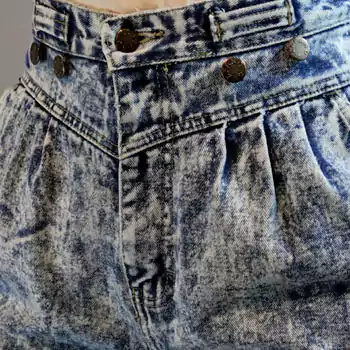
Vintage denim customization

In an era dominated by fast fashion and mass production, vintage denim stands as a quiet act of rebellion. Each faded line, each repaired tear, and each unique indigo hue tells a story that no factory-fresh pair of jeans can replicate. But true appreciation for vintage denim goes beyond mere collection. It extends into customization—the process of taking a piece of history and reshaping it into something personal, modern, and functional. Vintage denim customization has grown from a niche hobby into a global movement, blending craftsmanship, sustainability, and self-expression. This article explores every facet of that movement, from sourcing and design techniques to cultural significance and commercial production. And at the heart of this industrial evolution stands ZENITH CLOTHING, a garment manufacturer dedicated to bringing customized vintage denim to a wider audience without compromising authenticity.
Part One: Understanding Vintage Denim – More Than Just Old Jeans
Before customization begins, one must understand what makes vintage denim so special. The term “vintage denim” generally refers to jeans produced between the 1940s and early 2000s, with each decade offering distinct characteristics. Denim from the 1950s often features heavy selvedge edges, copper rivets, and a dramatic fading pattern shaped by years of wear. 1970s denim introduces flared cuts and lighter indigo washes, while 1990s denim brings baggy fits and oversized silhouettes.
What sets vintage denim apart is the raw material itself. Older denim was typically woven on shuttle looms, producing a tighter, more durable fabric with a clean selvedge edge. The indigo dye used in earlier decades was also deeper and more prone to natural fading, creating the high-contrast wear marks that collectors prize. Furthermore, vintage denim carries physical memories—whiskering at the thighs, honeycombs behind the knees, and stacking at the ankles. These marks cannot be artificially replicated with the same soul. Customization respects these existing narratives while adding new chapters.
Part Two: The Rise of Customization Culture in Denim
Customizing vintage denim is not a new practice. In the 1960s and 1970s, counterculture movements encouraged individuals to embroider, patch, and paint their jeans as political or artistic statements. Punk culture in the late 1970s took customization to aggressive extremes, adding studs, chains, and safety pins. However, the modern iteration of vintage denim customization is more refined and diverse.
Today, customization is driven by three main forces: sustainability, individuality, and nostalgia. Environmentally conscious consumers reject the water waste and chemical pollution of conventional denim production. Instead of buying new jeans, they seek out old ones and transform them. Individuality drives another segment—people no longer want to wear the same mass-produced designs as everyone else. Vintage denim offers a unique canvas, and customization ensures that no two pieces are identical. Nostalgia plays a role too, as younger generations rediscover the cuts and washes their parents wore, reimagining them for contemporary life.
Social media platforms have accelerated this trend. On Instagram and TikTok, creators share time-lapse videos of distressing, patching, and bleaching vintage jeans. Hashtags like #vintagedenimcustomization and #upcycleddenim have millions of posts. This online visibility has turned customization from a personal craft into a marketable skill, with customizers charging hundreds or even thousands of dollars for heavily reworked pieces.
Part Three: Core Techniques in Vintage Denim Customization
To understand the depth of this craft, one must examine the specific techniques used by artisans and manufacturers alike. Each method requires different tools, skill levels, and creative visions.
3.1 Distressing and Destroying
Distressing is the controlled aging of denim beyond its existing wear. This includes sanding, blade slashing, and stone washing. Artisans use rotary sanders to create smooth, faded patches on thighs and seat areas. Razor blades produce clean slits that can be left open or stitched around to prevent further fraying. For a more organic look, some customizers drag jeans behind vehicles or rub them against coarse concrete. The key is balance—too much destruction destroys the structural integrity; too little looks artificial.
3.2 Patching and Darning
When vintage denim has holes or weak spots, patching and darning offer repair with style. Patching involves sewing a piece of contrasting or matching fabric over a damaged area. This can be subtle, using similar denim, or bold, using floral prints, bandanas, or leather. Darning is a weaving technique performed on a sewing machine or by hand, filling holes with interlocking threads that mimic the original denim weave. Japanese Boro-inspired darning has become particularly popular, using visible, irregular stitching in indigo or white thread to celebrate imperfection rather than hide it.
3.3 Embroidery and Painting
For those seeking artistic expression, embroidery and fabric paint transform denim into wearable art. Hand-embroidered flowers, skulls, or abstract patterns add texture and color. Machine embroidery allows for more precise logos or lettering. Fabric paint, especially when mixed with textile medium, adheres permanently to denim. Some customizers use bleach pens to draw designs directly onto dark indigo, creating negative-space artwork as the bleach removes dye.
3.4 Reshaping and Reconstruction
More advanced customization involves altering the actual silhouette of vintage jeans. A wide-leg 1970s pair can be tapered into a slim straight cut. Baggy 1990s jeans can be cropped into shorts or spliced with another pair to create two-tone panels. Reconstruction may involve removing waistbands, flipping pockets, or adding zippers and grommets. This level of work requires industrial sewing machines capable of handling thick denim seams.
Part Four: Sourcing and Preparing Vintage Denim for Customization
No customization is possible without a steady supply of authentic vintage denim. Sourcing is a challenge because original pieces become rarer each year. Professional customizers and manufacturers like ZENITH CLOTHING develop networks that include vintage wholesalers, thrift store partnerships, rag houses, and even direct collection campaigns where consumers trade in old jeans.
Once sourced, each pair undergoes a rigorous inspection. Manufacturers check for excessive rot, non-removable stains, or structural failure in the crotch and waistband. Only pieces with sound fabric and interesting base characteristics proceed to customization. They are then washed in industrial ozone or dry-cleaning systems to sanitize without further fading. Finally, they are sorted by size, era, and color intensity.
Part Five: The Commercial Side – Scaling Vintage Denim Customization
For a long time, vintage denim customization remained a cottage industry. Individual artists worked from home studios, producing small batches for local markets. However, growing consumer demand has opened the door for commercial manufacturers to enter the space. But scaling customization without losing authenticity is difficult. Mass production relies on uniformity, while customization celebrates variation.
Successful commercial customization uses a hybrid model. First, manufacturers source large quantities of similar vintage jeans—for example, 1990s Levi’s 501s in medium blue. Then, they offer a menu of customization options: distressed levels, patch placements, embroidery designs, and silhouette alterations. Customers choose their preferences, and factory workers execute those choices using standardized templates and techniques. This approach maintains uniqueness per order while achieving production efficiency.
Part Six: ZENITH CLOTHING – A Manufacturer’s Approach to Vintage Denim Customization
This is where ZENITH CLOTHING enters the narrative. As a full-service garment manufacturer, ZENITH CLOTHING has spent years perfecting the balance between artisanal quality and scalable production. The brand operates out of a dedicated facility equipped with industrial washing units, heavy-duty lockstitch and overlock machines, darning stations, and an embroidery department with multi-head computerized machines.
Unlike purely vintage resellers, ZENITH CLOTHING takes deadstock and worn denim and re-engineers it for modern wardrobes. The company’s process begins with certified vintage buyers who travel to sourcing hubs across the United States, Japan, and Europe. Once denim arrives at the factory, each piece is logged by decade, size, wash, and condition. Customization orders are then assigned to specialized teams:
- The Distressing Team uses calibrated sanders and blades to create fade patterns and tears according to design specifications.
- The Darning and Patching Team reinforces weak areas and adds decorative repairs using recycled denim or Japanese cotton.
- The Embroidery Team digitizes custom artwork and stitches it onto pockets, hems, or back panels.
- The Reconstruction Team handles complex alterations like tapering, waistband reduction, and paneling.
ZENITH CLOTHING also offers white-label customization services for fashion brands that want to launch vintage-inspired lines without building their own supply chain. A small streetwear label can send 500 pairs of sourced vintage jeans to ZENITH CLOTHING and receive finished, customized products with their own tags attached. This capability has made ZENITH CLOTHING a behind-the-scenes engine for the vintage customization boom.
Part Seven: Quality Control and Sustainability in Customized Denim
With customization, quality control differs from standard manufacturing. ZENITH CLOTHING evaluates each finished piece on three criteria: structural integrity, aesthetic cohesion, and wash stability. Seams are pull-tested to ensure they can withstand daily wear. Distressing is checked for over-cutting that could lead to rapid tearing. Embroidery backings are inspected to prevent skin irritation. Additionally, every customized pair is washed once more to remove any loose threads or dye particles, ensuring that the final product is ready to wear.
Sustainability is another pillar of ZENITH CLOTHING’s operations. The fashion industry discards over 92 million tons of textile waste annually. By customizing vintage denim, ZENITH CLOTHING extends the life of existing garments by years or even decades. The company also recycles its own production scraps—cutaway patches and thread trimmings are baled and sold to insulation or stuffing manufacturers. Water used in washing is filtered and reused. Even the copper rivets removed during reconstruction are collected for metal recycling.
Part Eight: Market Trends and Consumer Preferences
Today’s vintage denim customization market is diverse. In North America and Europe, demand is strongest for 1990s and early 2000s baggy jeans customized with subtle distressing and small embroidered details. In Japan, collectors prize 1950s and 1960s American selvedge denim with minimal customization—often just darning repairs. In South Korea and China, brightly colored patches and extensive paintwork are trending.
Pricing reflects this diversity. A lightly customized pair of 1990s Levi’s 501s from ZENITH CLOTHING might retail for $120–$180. A heavily reconstructed and embroidered piece can exceed $400. Compared to new designer denim, which often retails for similar prices without any vintage character, customized vintage denim offers perceived higher value due to its uniqueness and sustainable credentials.
Part Nine: Challenges in the Vintage Denim Customization Industry
Despite its growth, the industry faces real challenges. Supply volatility is the biggest issue. Unlike new fabric rolls that can be reordered, vintage denim is finite. As more companies enter the space, competition for quality vintage pieces intensifies, driving up sourcing costs. Some manufacturers have responded by using new denim that is artificially aged through enzymes and lasers—a practice called “vintage styling” rather than true vintage customization. ZENITH CLOTHING takes a transparent approach, clearly labeling whether a product uses authentic vintage denim or new but vintage-styled fabric.
Another challenge is sizing inconsistency. Vintage sizing differs from modern standards. A 1990s men’s size 32 waist may fit like a modern 34. ZENITH CLOTHING addresses this by measuring every pair before listing and providing detailed waist, rise, thigh, knee, and inseam measurements. For wholesale clients, the company offers regrading services where waistbands are professionally altered.
Part Ten: The Future of Vintage Denim Customization
Looking ahead, technology will play a larger role without replacing handcraft. Laser distressing systems can create precise fade patterns in minutes, which artisans then refine by hand. AI-driven sorting systems can scan vintage jeans and instantly recommend customization styles based on existing wear patterns. Blockchain tracking may emerge to certify the authenticity and origin of vintage denim, preventing counterfeit “vintage” products.
ZENITH CLOTHING is already investing in these innovations. The company’s research and development team works on waterless washing techniques and natural indigo replenishment for over-faded jeans. There are also plans to launch a take-back program where customers can return their customized jeans after years of use for second-round customization—adding more patches, more darning, and more life.
Conclusion: Wearing History, Shaping Tomorrow
Vintage denim customization is more than a fashion trend. It is a philosophy that rejects disposability and celebrates endurance. Each customized pair of jeans carries the weight of its original life—the factory where it was sewn, the person who wore it, the decades it survived—and adds new layers of intention and creativity. For the individual, customization offers a garment that fits not only the body but also the identity. For the planet, it offers an alternative to endless production and waste. And for manufacturers like ZENITH CLOTHING, it offers a meaningful way to apply industrial skill to artisanal purpose.
ZENITH CLOTHING stands ready to serve both individual customers and business partners. As a full-service apparel manufacturer, the brand brings reliability, ethical production, and deep denim expertise to every customized piece. Whether you need fifty pairs for a boutique collection or five thousand for an international campaign, ZENITH CLOTHING transforms vintage denim into wearable heritage. The past never looked so much like the future.