Don't miss our holiday offer - up to 50% OFF!

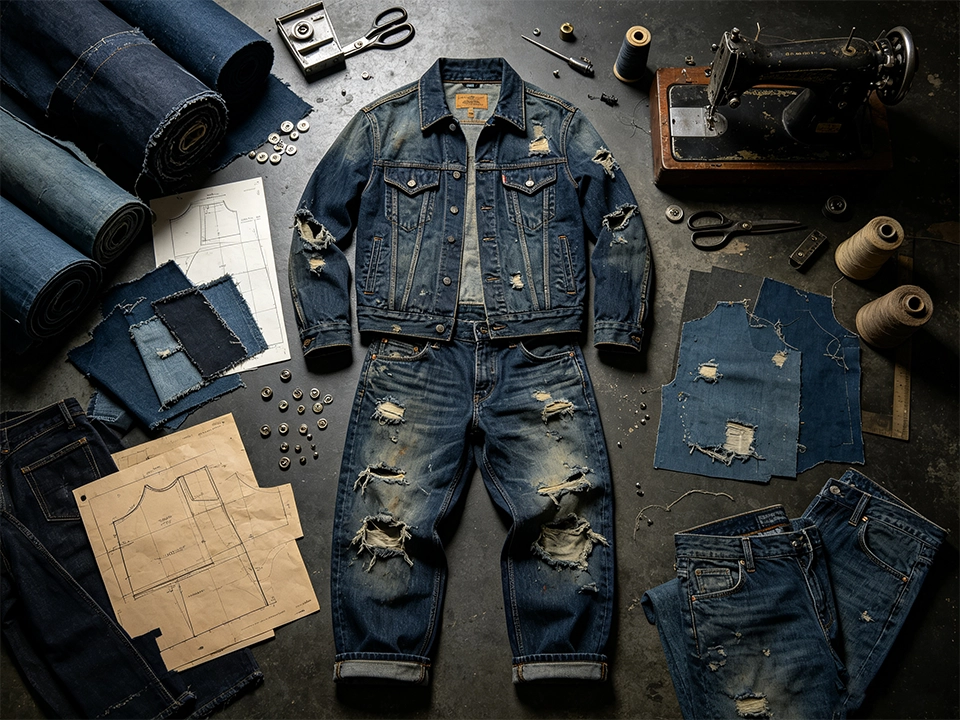
Custom Distressed Streetwear Denim | OEM Cut‑Sew Denim Apparel Manufacturing

Streetwear denim has long transcended basic casual wear to become a core carrier of youth subculture, personalized expression, and trendy brand aesthetics. Among all denim styles, custom distressed streetwear denim stands out for its unique vintage worn texture, diverse personalized details, and inclusive street styling. For emerging streetwear labels, boutique fashion brands, and wholesale apparel businesses worldwide, professional OEM cut-sew denim apparel manufacturing services have become the key to turning creative denim concepts into market-leading, high-quality wearable products.
1. Introduction: The Art of Controlled Chaos
There is a peculiar paradox at the heart of great streetwear—the deliberate pursuit of imperfection. The ripped knee, the frayed hem, the faded whisker—these aren’t signs of wear and tear but rather marks of intentional artistry. Custom distressed streetwear denim represents a fascinating dichotomy: it requires more skill to make something look authentically “destroyed” than it does to produce a pristine garment. This is the realm of OEM cut‑sew denim apparel manufacturing, where precision meets chaos, and brands can sculpt their identity through the language of controlled destruction.
2. Defining the “Distressed” Aesthetic in 2026
Distressing has evolved far beyond simple rips and tears. The modern streetwear landscape demands nuanced destruction—strategic knee blowouts, subtle whiskering, and frayed hems that suggest a life well-lived. The 2026 trend shift has moved away from aggressive over-shredding toward more curated, intentional damage. We’re seeing sashiko repair patching, multi-level abrasions, and layered destruction that tells a story. The aesthetic isn’t about looking like you fell down a hill; it’s about communicating authenticity and rebellion through fabric manipulation.
3. The Evolution of Streetwear Denim Trends
To appreciate where we are, we must understand where we’ve been. The current obsession with distressed denim draws heavily from the grit of ’70s American grunge and the street style codes of New York City. Modern brands like Ksubi are channeling this “renegade spirit” through collections that feature heavily deconstructed pieces with multiple levels of abrasions from the waistband down to the knee. The Paris men’s spring/summer 2027 shows confirmed that “distressed denim is everywhere,” with a distinctly rebellious mood dominating the streets. This isn’t a passing fancy; it’s a cultural movement.
4. Why Cut‑Sew Manufacturing is the Gold Standard
Here’s the fundamental truth: if you want to build a brand with genuine identity, you cannot rely on off-the-shelf products. Cut‑sew manufacturing—often synonymous with OEM—means building your garment entirely from scratch based on your specifications. You dictate the fabric weight, the wash recipe, the hardware, and most critically, the specific measurements and fit. When a customer loves how your denim fits, they must return to you for that experience. Cut‑sew gives you 100% unique brand DNA—your fit becomes your signature.
5. OEM vs. Private Label: A Critical Distinction
This distinction can make or break a streetwear brand. Private label allows you to put your logo on pre-existing garments and ship quickly (often in 1-2 weeks). It’s fast, but your competitors can access those same block patterns. Custom manufacturing requires a longer runway—typically an initial 2-3 weeks for sampling and wash testing, followed by 3-4 weeks for bulk production. That extra month is an investment in uniqueness. As industry experts note, “Private Label is for speed; Custom Manufacturing is for brand building”. Choose wisely based on your long-term vision.
6. The Anatomy of a Custom Denim Garment
Understanding what you’re commissioning requires familiarity with the components. A denim garment consists of the fabric itself, the cut (determined by pattern pieces), the construction (stitching and assembly), the wash treatment, distressing details, hardware (buttons, rivets, zippers), and labeling. Each element can be customized during OEM production. The process typically involves pattern drafting, fabric cutting, sewing, washing, finishing, and quality control. This comprehensive approach ensures consistency and quality across your entire production run.
7. Selecting the Right Denim Weight for Distressing
This is where technical knowledge becomes crucial. For heavy distressing, lightweight fabrics under 12.5 ounces are a recipe for disaster—they tear apart completely under aggressive grinding and lose structural shape quickly. The recommendation from industry experts is clear: always select rigid fabrics over 14 ounces for heavy destruction. The optimal range for custom distressed streetwear is generally between 13.5 and 16 ounces. This weight provides the durability needed to withstand washing cycles while maintaining the aesthetic integrity of your distressing.
8. Mastering the Wash: From Stone to Enzyme
The wash treatment is where the magic truly happens. Options are incredibly diverse: stonewashing provides a soft, faded look; enzyme washing creates a vintage, worn-in hand feel; acid washing offers a highly distinctive, mottled effect; and rinsing delivers subtle color changes. Modern manufacturers offer eco-conscious alternatives like laser, ozone, or enzyme washing. Each wash method produces dramatically different results, and the choice should align with your brand’s aesthetic and target demographic.
9. The Science of Laser Finishing: Precision Destruction
Laser finishing represents a paradigm shift in denim production. Traditional distressing involved labor-intensive dry processing—manual scraping, whiskering, and chemical treatments like potassium permanganate (PP) spray. Laser technology replaces these steps with a single, precise finishing stage that significantly reduces processing time and costs, minimizes environmental impact, and maintains aesthetic appeal. This technology enables brands to be “more reactive to trends” while reducing resource intensity. It’s faster, cleaner, and incredibly precise.
10. Hand-Distressing Techniques: The Human Touch
Despite technological advances, the human element remains irreplaceable. Skilled artisans perform manual knife slashes precisely along warp threads to avoid seam failure, creating controlled, natural-looking horizontal tears. High-speed rotary grinding wheels are used along cuffs, coin pockets, and waistbands. Artisans manually pull warp threads to create feathered, organic fraying, giving the garment authentic worn-in character along high-wear stress points. This craftsmanship cannot be fully replicated by machines—at least not yet.
11. Pattern Making: The Blueprint for Success
Before any fabric is cut, the pattern must be perfected. Pattern makers translate design concepts into tangible templates that determine the fit, silhouette, and proportions of the garment. For brands without professional tech packs, manufacturers can reverse-engineer from physical reference samples—”Keep this waist fit, but make the leg wider”. This stage is critical; errors here cascade through the entire production process. Professional pattern makers ensure accuracy and minimize miscommunication before sampling begins.
12. The Sampling Process: From Vision to Reality
The sample phase is where your vision becomes a tangible product. A reputable manufacturer will create a pre-production sample that matches your chosen denim fabric and wash effect. This fully finished sample—including wash, distressing, and labeling—is typically ready in 5-7 business days. This allows you to evaluate workmanship and fit before committing to bulk production. It’s a safeguard against expensive errors and ensures the final product matches your brand’s vision. One round of revisions is typically included to refine the silhouette and comfort.
13. Production Timelines and Lead Times
Patience is not just a virtue; it’s a necessity in manufacturing. Typical lead times range from 20 to 35 days after sample approval and deposit confirmation. Factors like fabric availability, wash complexity, and order quantity can extend this timeline. Sample development typically takes 5-7 working days. Brands should always factor in shipping and customs clearance when planning product launches or seasonal drops. This isn’t fast fashion; this is deliberate production.
14. Navigating Minimum Order Quantities (MOQs)
Historically, the biggest barrier to custom manufacturing was the massive MOQ. Factories often required orders of 3,000 pairs before offering full customization. The landscape has shifted dramatically. Many suppliers now offer low-MOQ custom manufacturing starting at just 100 pieces per style and color. This gives emerging brands access to unique fits and quality without massive inventory risk. Some manufacturers even offer MOQs as low as 50 pieces for standard customizations. This democratization of production has revolutionized the streetwear landscape.
15. Quality Control in Distressed Denim
Quality control takes on particular significance with distressed garments. Consistency is paramount—rips must look deliberate, not accidental; wash effects must be uniform across sizes. Manufacturers typically perform inline inspections during production, followed by final AQL batch checks. Specific markets require compliance with regulations like REACH or Proposition 65. A professional manufacturer will conduct these tests to ensure your product meets legal standards and customer expectations.
16. Sourcing the Right Manufacturing Partner
Choosing your manufacturer is arguably the most critical business decision you’ll make. Look for partners with established expertise in denim, flexible MOQs, and transparent communication. Major denim hubs like Humen, Dongguan in China are globally recognized for their apparel production expertise. Certifications like ISO, BSCI, and Oeko‑Tex indicate rigorous quality standards. Request samples, verify capabilities, and ensure alignment with your brand values. This partnership will define your product’s quality and your brand’s reputation.
17. Sustainability in Denim Manufacturing
The denim industry is notoriously resource-intensive, making sustainability a pressing concern. Manufacturers are increasingly offering “eco-wash” options that reduce water usage and utilize laser distressing instead of manual sanding. Options include organic or recycled cotton and eco-friendly washing methods like ozone or laser finishing. While these may alter MOQs or pricing, they provide compelling marketing angles that resonate with the conscious consumer. Sustainability isn’t just ethical; it’s increasingly expected.
18. Adding Brand Identity: Labels and Hardware
Customization extends beyond the denim itself. Branded woven labels, waistband tags, hangtags, patches, and custom packaging transform garments into premium products. Custom hardware like buttons and rivets with engraved logos—while requiring a strict MOQ from hardware factories—adds a professional finish. Some manufacturers offer to hold bulk custom hardware in their warehouse and apply it to smaller runs. These details collectively build a cohesive brand story and enhance perceived value.
19. Silhouette Selection: Matching Fit to Distressing
Not all silhouettes are created equal when it comes to distressing. Wide-leg, baggy, and carpenter fits work best because their relaxed cut reduces tension on ripped areas during movement. Applying large tears to tight-fitting silhouettes puts extreme tension on raw cut edges, leading to premature failure. Conversely, wide-leg styles with at least 14oz fabric provide an ideal canvas for structural clearance and dramatic distressing. Match your destruction strategy to your silhouette for durability and aesthetic success.
20. Structural Integrity: Reinforcement Techniques
This is the practical wisdom that separates professionals from amateurs. Wide knee blowouts expand drastically during heavy stone washing cycles and daily wear. The solution? Hidden bar-tack stitching at all stress corners to hold the intended distressing shape intact without bursting side seams. Additional backing patches beneath destroyed panels provide visual depth and structural reinforcement. These techniques ensure your garments survive washing and wear while maintaining their intended aesthetic. Durability matters.
21. Marketing Your Distressed Denim Collection
You’ve produced the perfect collection—now how do you sell it? Marketing distressed denim requires showcasing the unique details that set your pieces apart. Emphasize the craftsmanship, the intentionality behind the destruction, and the premium quality of the materials. Visuals are paramount: style pieces on diverse models, pair them with complementary streetwear staples, and highlight the embroidery, hardware, and distressing in product shots. The cultural “cool factor” is your biggest asset—leverage the rebellious, authentic vibe of the aesthetic.
22. Conclusion: The Future of Custom Streetwear Denim
The custom distressed streetwear denim market is poised for continued growth, driven by a generation that values authenticity and individuality. OEM cut‑sew manufacturing offers brands the opportunity to create unique products that resonate with this demand. From strategic knee blowouts to eco-friendly laser finishes, the possibilities are limited only by imagination and technical expertise. As technology advances and manufacturing becomes more accessible, the barriers to entry continue to fall. The future of streetwear is custom, distressed, and unapologetically authentic—is your brand ready to lead the charge?