Don't miss our holiday offer - up to 50% OFF!

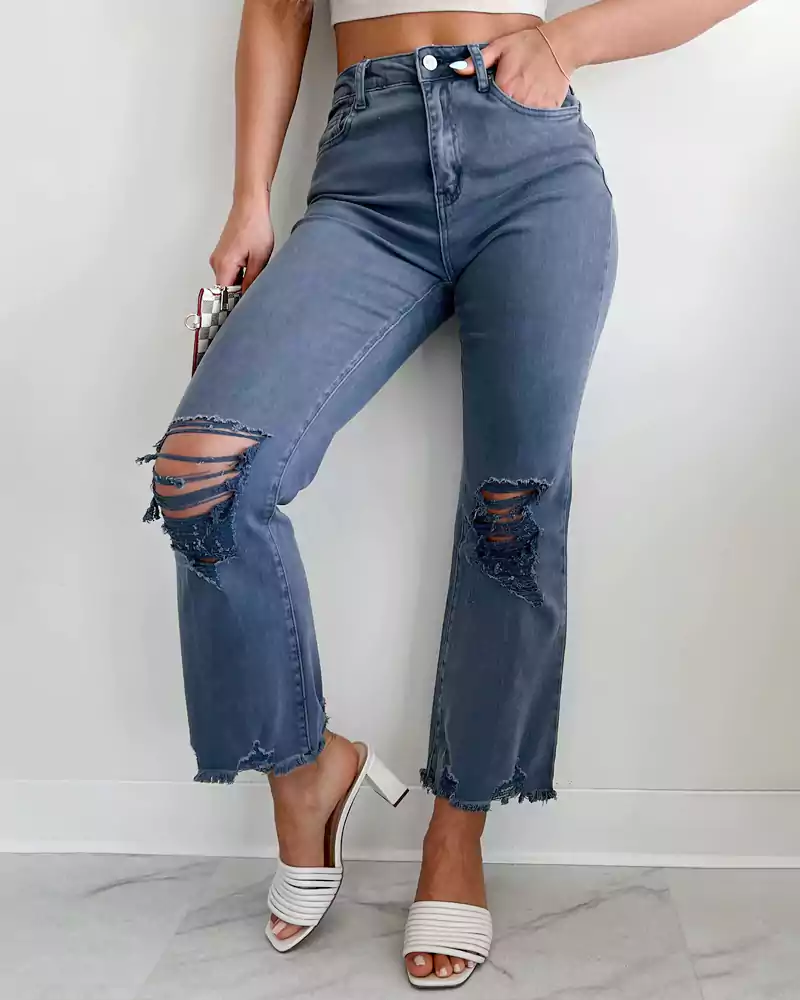
high quality comfortable trendy men’s denim pants custom fashion letter distressed design straight

Preamble: The Resurgence of the Straight-Leg Silhouette in Men’s Fashion
The fashion pendulum has swung decisively, with the men’s denim market experiencing a profound renaissance. The dominance of the slim and skinny fits has waned, eclipsed by a new vanguard of silhouettes championing comfort, volume, and a nostalgic nod to the 1990s and Y2K aesthetics. At the forefront of this sartorial insurgency is the straight-leg jean. This silhouette, celebrated for its classic, unencumbered line and inherent versatility, has become the quintessential canvas for contemporary design. For brands seeking to capitalise on this burgeoning trend, the customisation of a men‘s denim pant in this fit, incorporating the nuanced details of “fashion letter” designs and “distressed” finishes, presents a formidable opportunity. This guide provides a factory-floor perspective on the technical and commercial intricacies of producing such a high-quality, comfortable, and trend-forward garment.
Defining the Aesthetic: Decoding the “Letter Distressed Design”
The descriptor “fashion letter distressed design” encapsulates a specific, high-impact visual narrative. It refers to the deliberate incorporation of typographic or graphic elements, often in the form of letters, numbers, or logos, that are integrated into the garment through methods such as screen printing, digital printing, embroidery, or appliqué. The ‘distressed’ component signifies a deliberate, artisanal process of aging the denim through techniques like fraying, ripping, abrasion, and chemical washing to create a worn-in, vintage aesthetic. When combined, these elements yield a garment that transcends basic denim to become a deliberate statement of subversive, streetwear-infused style, appealing to a consumer base that values both heritage and individuality.
The Comfort Imperative: Fabric Composition and Stretch Technology
A garment may possess impeccable style, yet it is rendered commercially inviable without a primary focus on comfort. The paradigm of “high-quality” men‘s denim has evolved beyond mere durability to encompass a sophisticated tactile experience. This is achieved through a critical blend of cotton and synthetic fibres. A predominant composition of 98% Cotton and 2% Spandex is an industry standard for offering the authentic hand-feel of denim with enhanced mobility and a memory-recovery property that prevents sagging at the knees and seat. This mid-stretch fabric ensures the straight-leg silhouette retains its structural integrity while affording the wearer the freedom of movement demanded by modern lifestyles, a crucial consideration for a garment intended for daily wear.
The Straight-Leg Lexicon: Understanding Fit, Proportions, and Grading
A “straight leg” is a deceptively simple term that requires precise pattern engineering to execute correctly. The design is characterised by a consistent leg opening width from the knee down to the hem. However, the market features a spectrum, ranging from a slim straight to a more contemporary relaxed straight fit. The contemporary aesthetic for men’s fashion heavily favours the relaxed fit, which offers a roomier thigh block and a wider, more voluminous drape from hip to hem. This requires a nuanced approach to pattern grading, the process of increasing or decreasing the garment’s measurements to create a size run. A manufacturer’s expertise in Western grading is vital to ensure the silhouette aligns with the proportions of the target market (US, UK, EU, AU), providing a consistent and flattering fit across all sizes.
The Alchemy of the Wash: Finishing Techniques for Vintage Character
The wash is the crucible of character for any denim garment. The “vintage” aesthetic sought by modern men’s streetwear is achieved through a sophisticated palette of finishing techniques. Enzyme washing is a foundational step, employing cellulase to soften the fabric and release surface dye for a gentle, uniform fade. For a more pronounced abrasion and high-contrast fading, stone washing with pumice stones is employed. More advanced techniques, such as acid washing or snow washing, create a mottled, heavily textured effect. The ambition is to achieve a layered, depth-filled finish that mimics years of authentic wear, a process that demands chemical expertise and meticulous process control in the factory’s in-house washing facilities.
The Art of the Distress: Placement, Abrasion, and Structural Integrity
Distressing is the deliberate application of controlled damage, an art form that elevates a garment from mundane to premium. The scope for customisation is vast and technical. Brands can specify rip placement, dictating the location and size of slashes, often at the knees or thighs for maximum visual impact. The level of abrasion can be fine-tuned to determine the overall intensity of the worn effect. The true factory secret lies in the technical execution: hand-cut and frayed details, often requiring manual labour, create the authentic, jagged edges that machine-made rips lack. Furthermore, the application of a ”stay-stitch”—a concealed line of reinforcement—above a raw hem or rip prevents catastrophic failure, ensuring the garment’s longevity despite its intentionally distressed appearance.
Branding Through Detail: Hardware, Embroidery, and Letter Application
The micro-details of a garment are where a brand’s identity is crystallised. The application of the “fashion letter” design is a primary branding vehicle. This can be achieved through custom embroidery for a premium, textured feel, or through screen printing for a more graphic, vintage aesthetic. Beyond the lettering, the choice of hardware—custom-engraved buttons, branded rivets, and high-quality zippers—further solidifies the brand’s identity. The integration of woven labels, leather patches, and custom hangtags completes the narrative, transforming a generic product into a proprietary, cohesive brand offering.
The OEM and ODM Modalities: Defining the Manufacturing Partnership
The collaboration between a brand and a manufacturer is defined by two primary models. Original Equipment Manufacturing (OEM) is a comprehensive service where a brand provides a complete tech pack with its proprietary designs. In this model, the brand owns the design and the factory executes the production to these exact specifications, offering maximum control. Conversely, Original Design Manufacturing (ODM) is a collaborative approach where the brand selects from the manufacturer‘s existing silhouettes, modifying them with their own fabric, wash, and detailing choices. This model can significantly expedite the development cycle, making it a viable option for brands seeking to launch a collection with greater speed.
Navigating the Thresholds: Minimum Order Quantities and Bulk Pricing
The financial parameters of a custom project are often defined by the Minimum Order Quantity (MOQ). For men’s custom denim, MOQs are variable and contingent on the manufacturer’s capabilities, but a degree of flexibility is increasingly common. Established denim factories often set MOQs around 100 pieces per style and colour. However, a newer trend is the offering of low MOQs to support emerging brands, with some suppliers permitting orders as low as 30 to 50 pieces. The price per unit is inversely proportional to the order volume. For instance, a model may retail for US$8.55 per unit for 30 pieces, dropping to US$4.65 for quantities exceeding 1,000, reflecting the economies of scale inherent in bulk production.
The Temporal Equation: Lead Times and the Sampling Cadence
A thorough comprehension of production timelines is essential for effective collection planning. The process commences with the development of a prototype or fit sample to assess the proportions and construction of the pattern. A reputable manufacturer will typically offer a rapid sampling service of 5 to 10 working days to produce a sample based on the brand‘s design brief. Following the approval of this “Golden Sample,” the bulk production phase typically requires a further 15 to 35 working days. The total lead time from sample approval to shipment is therefore in the range of 4 to 8 weeks, a critical consideration for seasonal collection launches.
The Technical Blueprint: The Indispensable Tech Pack for Denim
The tech pack is the absolute foundation of a successful manufacturing relationship. It serves as the singular source of truth for the factory, mitigating misunderstandings and ensuring the final product matches the design vision. For a custom denim pant, a comprehensive tech pack must contain: a detailed specification sheet with all garment measurements, a construction page illustrating seam types and stitch density, precise references for the distressing details, a graphic page with artwork for lettering and logos, and a bill of materials listing all components. A meticulously prepared tech pack is the most effective tool for mitigating errors and ensuring production quality.
The Vendor Vetting Process: Capabilities, Certifications, and Communication
Selecting a manufacturing partner is a strategic decision of the highest order. The due diligence process must be rigorous. Beyond reviewing a factory’s portfolio, a brand should assess their technical certifications, such as ISO 9001 for quality management and BSCI for social compliance, as indicators of professional and ethical operations. Evaluating their in-house capabilities for washing, distressing, and sampling is crucial for quality control. Finally, the intangibles of communication—responsiveness, transparency in quotation, and a collaborative approach to problem-solving—are often the differentiating factors that forge a durable, prosperous, and reliable partnership.
Coda: Forging a Signature Streetwear Staple
The high-quality, comfortable, trendy men’s custom denim pant is the nexus where heritage meets contemporary expression. It represents a prime opportunity for brands to connect with a market demanding garments of character and distinction. The journey from concept to bulk production requires a sophisticated command of material science, pattern engineering, and an understanding of the alchemical processes of wash and distress. By navigating these complexities and forging a transparent partnership with a manufacturer of proven capability, a brand can successfully create not just a product, but a signature streetwear staple—a garment that embodies both the rugged authenticity of denim and the unique, visual language of its brand’s identity.