Don't miss our holiday offer - up to 50% OFF!

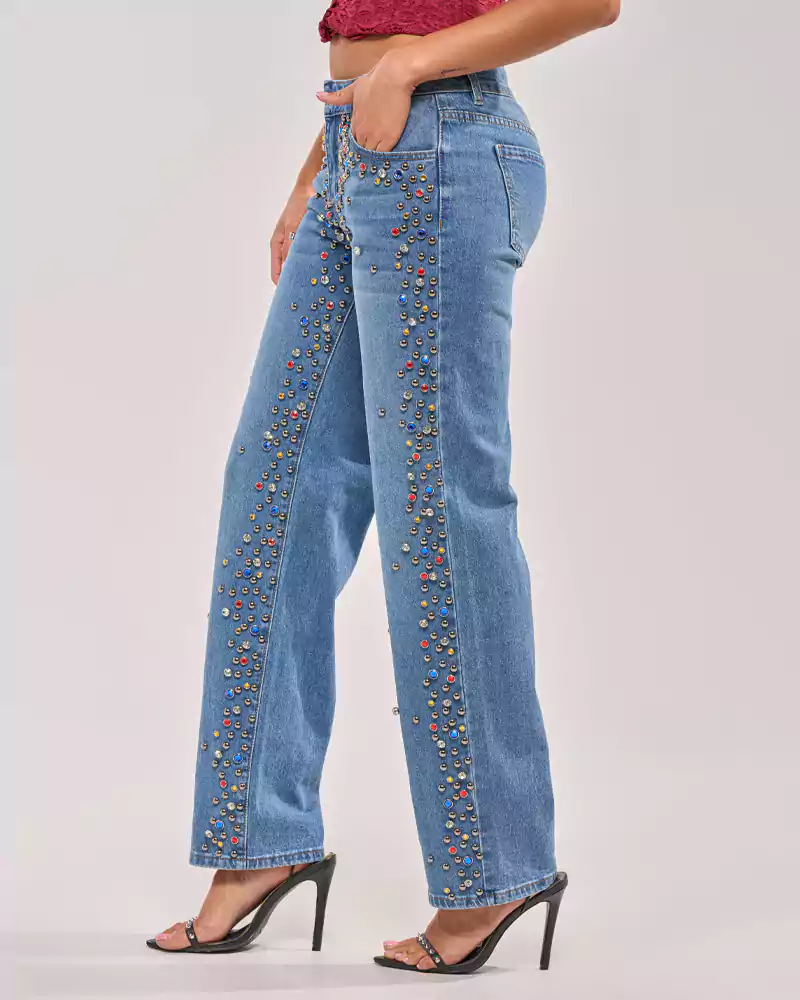
Custom Acid & Snow Washed Denim Jeans | Brand‑Exclusive Washes

Introduction: The Renaissance of Treated Denim
In the contemporary landscape of streetwear and high-end fashion, the treatment of fabric is often as significant as the cut. While raw selvedge denim possesses its own rigid charm, the modern consumer is drawn to the texture and personality imparted by aggressive washing techniques. Custom acid and snow washed denim jeans represent a pinnacle of this design philosophy, offering brands an opportunity to distinguish their collections with distinctive, non-replicable surfaces. These processes are not merely about fading color; they are about creating a narrative of wear, a visual history etched into the warp and weft of heavy cotton twill.
Defining the Aesthetic: Acid Wash vs. Snow Wash
Despite often being used interchangeably in casual conversation, acid wash and snow wash produce distinctly different visual effects. Acid wash is characterized by a dramatic, high-contrast marbled pattern that creates sharp, jagged color variations across the garment’s surface. Snow wash, conversely, mimics the appearance of frost or snow flurries, resulting in a softer, more diffused, and speckled effect. Comprehending this distinction is paramount for designers seeking a specific retro aesthetic, as the choice dictates the finishing techniques and chemical formulations used in production .
The Alchemy of Acidification: The Chemical Process Unveiled
The creation of a true acid wash is a volatile chemical affair that demands precise expertise. It relies on the use of dry pumice stones that are heavily saturated with chlorine bleach or potassium permanganate. These stones are tumbled with the denim garments in large industrial machines. As they tumble, the stones physically abrade the surface of the fabric while the chemicals aggressively strip away indigo dye. The result is the chaotic, uneven, and highly desirable “marbled” effect that defines the technique .
The Frosted Effect: Deconstructing the Snow Wash Technique
To achieve the subtlety of a snow wash, the methodology shifts from aggressive stripping to controlled surface alteration. This process often involves the application of a specialized resin or chemical spray that adheres to the top layer of the fibers. The jeans are then subjected to specific tumbling cycles and heating processes, creating small, resistant areas that retain dye while the base fabric fades. This creates the iconic “snowflake” or “frost” pattern that is less aggressive than acid washing and lends a more nuanced texture to the garment .
Beyond the Surface: Why Fabric Weight Matters
The integrity of a custom wash is inextricably linked to the weight of the raw fabric selected. Heavy, rigid fabrics—typically those weighing 14oz to 16oz or higher—provide the structural resilience required to withstand the harsh tumbling and chemical assault of acid washing . Lighter fabrics risk tearing or thinning excessively. Heavyweight denim provides the “tooth” necessary to hold the contrast, ensuring that the final garment drapes well and maintains durability despite the rigorous finishing process.
The Role of Pumice Stones and Bleach in Acid Washes
The tactile nature of the acid wash finish relies significantly on the physical properties of pumice stones and the potency of the bleach. The stones’ porosity allows them to act as a conduit for the bleaching agents, releasing the chemicals onto the fabric upon impact . The size and shape of the stones influence the size of the “marbled” patches, while the concentration of bleach dictates the starkness of the color shift between the remaining indigo and the faded, ghostly white. It is a delicate interplay of mechanical and chemical engineering.
Shrinkage Control: The Crucial Pre-Production Calculation
Industrial washing drastically alters the dimensional stability of denim. The combination of water, chemical saturation, and high-heat drying can result in significant shrinkage, often up to 5% of the garment’s original size . Expert manufacturers compensate for this by meticulously calculating shrink rates before the cutting process. Pattern makers adjust the dimensions of the raw pieces to ensure that after the washing cycle, the final size aligns perfectly with the specifications on the tech pack.
The Art of the Sample: From Tech Pack to Physical Prototype
The journey from a digital design concept to a physical garment is fraught with potential for miscommunication. A pre-production sample is not merely a luxury but a necessity. This step allows designers to physically inspect the wash depth, contrast level, and hand-feel of the fabric . Once approved, this sample serves as the benchmark for bulk production, ensuring that the nuanced color palette and texture can be replicated across hundreds or thousands of units.
Navigating the Nuances of “Monkey Wash” and Localized Fading
While acid and snow washes provide an all-over effect, “monkey wash” techniques focus on localized fading. This method often involves manual hand-sanding to create realistic “whiskering” on the thighs or “honeycombs” behind the knees. Potassium permanganate is then sprayed directly onto these abraded areas to accelerate the fading process, creating a wear pattern that mimics natural, long-term usage . This specificity adds a premium, vintage-centric dimension to custom denim.
Integrating High-Tech Laser Distressing with Traditional Washes
The denim industry is increasingly leveraging automation to enhance traditional techniques. Laser distressing offers an unparalleled level of precision, allowing manufacturers to burn away surface indigo with extreme accuracy . This is particularly valuable for creating intricate graphics or replicating complex wear patterns across an entire production run. When combined with traditional chemical washes, laser technology ensures consistency while still allowing for the organic visual depth that comes from tumbling with stones.
The Sustainable Imperative: Eco-Friendly Ozone and Enzyme Alternatives
The denim industry faces significant scrutiny regarding water usage and chemical pollution. To address this, many manufacturers are pivoting to innovative, sustainable technologies. Ozone washing neutralizes indigo dyes using oxygen gas, dramatically reducing the need for harsh chemical bleach and cutting water consumption . Similarly, enzyme washes provide a biological alternative to pumice stone abrasion, softening fabric and creating a subtle faded appearance without the heavy environmental footprint of traditional stone washing.
Brand Exclusivity: The Value of Proprietary Wash Formulas
In the fiercely competitive denim market, exclusivity is a powerful currency. A generic wash is accessible to any white-label manufacturer; a proprietary formula is not. By developing unique chemical formulations or specific mechanical tumbling cycles—often safeguarded by private laundry facilities—a brand can create a signature “hand-feel” and visual aesthetic that is difficult for competitors to replicate or counterfeit . This protects the brand’s identity and justifies a premium price point.
The Infrastructural Advantage: Building a Private Laundry
The narrative of denim innovation is often linked to the infrastructure of production. Historically, establishing a private laundry facility—such as Adriano Goldschmied’s “Laundry Atelier”—has provided a strategic advantage . Having an in-house facility allows for complete secrecy in the development of new washes and offers total control over production timelines and quality metrics. While economically demanding, this vertical integration remains the gold standard for denim brands aiming for the highest level of creative control.
Customization Options: Pocket Styling, Trims, and Labeling
The aesthetic of the wash is complemented by the secondary details of the garment. Customization extends beyond the fabric to the trims and hardware. Brands can select from an array of finishes for buttons and rivets, including Brass, Gun Metal, and Anti-Copper . Furthermore, the application of custom woven labels, leather patches, and intricate embroidery on the back pockets transforms a raw wash into a complete brand statement.
The Intersection of Streetwear and Utility Cargo Details
The resurgence of the baggy silhouette has seen the cargo pocket transition from practical workwear to a defining feature of modern streetwear. Custom jeans now frequently incorporate large cargo pockets, straps, and snap hems . The acid or snow wash applied to these heavily detailed garments creates a complex interplay of light and shadow across the multiple fabric layers, emphasizing the utilitarian nature of the design.
Color Theory: Exploring Black, Grey, and Earth-Tone Pigments
While blue indigo remains the classic choice, the custom wash universe has expanded into a diverse palette. Black acid washed denim offers a subtle, moody variation, creating gun-metal grey contrasts rather than stark white ones . Additionally, treatments using Bentonite clay compounds can imbue the denim with earthy, vintage undertones, achieving a patina that feels archaeological and rich .
Production Timelines: Sampling, Bulk Manufacturing, and Lead Times
Navigating the production cycle requires realistic planning. Standard lead times for custom washes typically range from 30 to 35 days following order confirmation and deposit, assuming standard logistics . Sampling itself usually requires 7 to 15 days . These timelines can fluctuate based on seasonal demand and the complexity of the wash specified.
Quality Control Metrics for Wash Consistency
The primary challenge in bulk denim production is maintaining wash consistency across all units. Reputable manufacturers employ rigorous in-line and final quality control checks that measure stitching integrity, pocket placement, snap security, and—critically—the uniformity of the wash effect . This process often involves inspection under standardized lighting to ensure that color variations remain within acceptable tolerances.
Market Trends: The Resurgence of Retro Silhouettes
The adoption of acid and snow washes is intrinsically linked to the cyclical nature of fashion. Currently, the market is experiencing a significant resurgence of 90s and early 2000s silhouettes. Baggy, straight-leg, and wide-stack fits dominate the streetwear space, providing the perfect canvas for heavy, high-contrast washes that emulate the nostalgic aesthetics of vintage denim .
Conclusion: Crafting a Distinctive Denim Identity
Creating custom acid and snow washed denim is an art form that marries aggressive chemical engineering with precise textile knowledge. It is a practice that goes beyond altering the color of a fabric; it is about sculpting a material’s identity. For the discerning brand, investing in these exclusive washes is not a mere trend but a strategic decision to carve a unique space in a saturated market. By controlling the variables of the wash, from the weight of the fabric to the nature of the fading, designers can produce denim that is not just worn, but experienced.