Don't miss our holiday offer - up to 50% OFF!

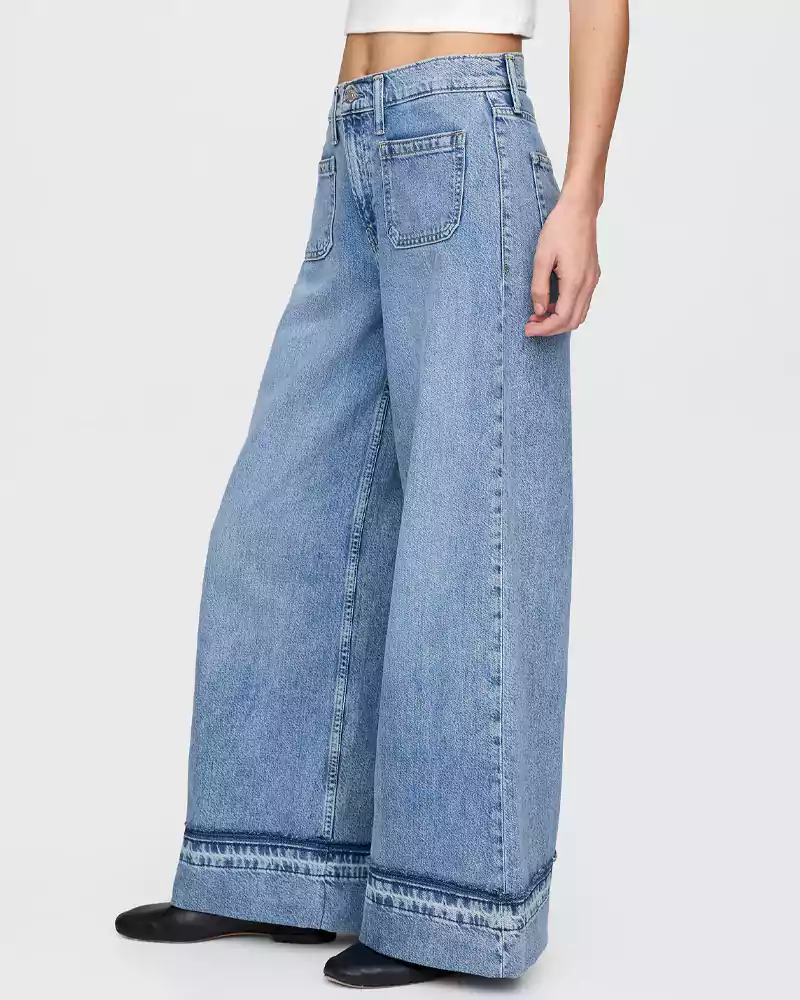
Source Custom Raw Denim Jeans From Professional Denim Factory

Introduction: The Raw Denim Imperative
Raw denim—the unwashed, untreated fabric that emerges directly from the loom—represents the purest expression of the textile arts. It is a material that carries within its warp and weft the potential for a unique patina, a fading pattern that will evolve in direct response to the wearer’s habits and environment. For the discerning brand, sourcing custom raw denim jeans is not a simple procurement exercise; it is a strategic collaboration with a professional denim factory that possesses the technical acumen and infrastructural capacity to translate a design vision into a tangible, enduring garment.
The Vertically Integrated Advantage
The selection of a manufacturing partner is the most consequential decision in the sourcing journey. A vertically integrated factory—one that consolidates spinning, dyeing, weaving, finishing, and garment assembly under a single roof—offers a decisive competitive advantage. This integration eliminates the communication lags and quality inconsistencies that plague fragmented supply chains. It permits the manufacturer to maintain “360-degree quality control,” from the selection of the raw fiber to the final stitch. Facilities such as Pioneer Denim in Bangladesh, with its 150-acre LEED Platinum-certified campus, exemplify this model, combining industrial scale with environmental stewardship.
Understanding Raw Denim: The Unwashed Canvas
Raw denim, often referred to as “dry” denim, is characterized by its untreated state. It has not undergone the washing or distressing processes that soften and fade conventional jeans. This rigidity imparts a distinct structural quality—the fabric stands on its own, creating sharp creases and high-contrast fades that are the hallmark of the raw denim enthusiast. The journey of a raw denim jean is one of transformation; it begins as a stiff, dark indigo garment and, over months of wear, molds to the body, developing a fade pattern that is as individual as a fingerprint.
Fabric Sourcing: The Foundations of Quality
The integrity of the final garment is inextricably linked to the quality of its raw material. Professional denim mills offer an extensive range of fabrics, distinguished by weight, composition, and weave. The weight, measured in ounces per square yard, can range from a lightweight 4 oz to a substantial 20 oz, dictating the garment’s drape and durability. The composition—whether 100% cotton or a blend with elastane for stretch—determines the fabric’s hand-feel and its capacity for forming high-contrast creases. Some mills, such as Advance Denim, have become leading global manufacturers of selvedge denim, woven on traditional shuttle looms that impart a distinctive character to the fabric.
Pattern Engineering and Grading
The translation of a design concept into a three-dimensional garment is a feat of mathematical precision. Pattern engineers draft the constituent pieces—the fronts, backs, yokes, waistbands, and pockets—that form the final jean. This process is particularly critical for raw denim, where the lack of pre-wash shrinkage necessitates meticulous allowances for fabric contraction. The grading process, which proportionally adjusts the pattern for different sizes, must be executed with precision to ensure that the fit remains consistent across the entire size range.
Shrinkage: The Critical Calculation
Raw denim is a living material that contracts upon its first encounter with water. This shrinkage, typically ranging from 3% to 5%, is a crucial variable in the manufacturing equation. Professional manufacturers compensate for this by meticulously calculating shrink rates and adjusting the pattern dimensions during the cutting process. For brands seeking to mitigate this variable, some factories offer a “prewashed” option, where the denim is washed before sewing to stabilize the fabric and provide a more predictable fit.
The Sampling Cycle: From Tech Pack to Prototype
Before the commencement of bulk production, the sampling phase is indispensable. This iterative process involves the creation of physical prototypes that allow for the evaluation of the fabric, fit, and finishing details. The sample serves as a tangible benchmark against which the final order is measured. It is the period during which potential issues—be it the placement of a pocket or the behavior of a seam—are identified and rectified. A single sample may undergo multiple revisions to ensure that the final product aligns perfectly with the brand’s vision.
Customization Capabilities: From Fit to Finish
A professional denim factory offers a vast array of customization options, allowing a brand to create a garment that is truly distinctive. The fit can be tailored to the brand’s specification, from a slim-tapered silhouette to a relaxed, wide-leg cut. The construction details—the choice of a zipper or button fly, the type of thread, the finish of the hardware—can all be selected to align with the brand’s aesthetic. Furthermore, the factory can accommodate specific design elements, such as custom embroidery, screen printing, and appliqué details.
Navigating Minimum Order Quantities
The concept of the Minimum Order Quantity (MOQ) is a critical financial consideration for emerging brands. The MOQ for custom denim varies significantly depending on the manufacturer and the level of customization. Some suppliers offer flexible solutions, with in-stock styles requiring no MOQ and existing styles with customization starting from 50 pieces. More complex projects, such as fully custom denim garments, may require a higher threshold, often starting from 300 pieces per style. Identifying a manufacturer with MOQs that align with a brand’s projected sales volume is essential for effective cash flow management.
Lead Times and Production Planning
The timeline from order placement to delivery is a variable that must be factored into operational planning. The sampling phase typically requires 7 to 10 days, while bulk production can range from 15 to 35 days, depending on the order volume and the complexity of the specifications. These lead times can fluctuate based on seasonal demand and the manufacturer’s existing capacity. For brands requiring a more expedited timeline, some manufacturers offer expedited production for a premium.
The Heritage of Selvedge: A Niche Consideration
Selvedge denim occupies a revered position within the raw denim ecosystem. Woven on traditional shuttle looms, selvedge fabric is characterized by its distinctive self-finished edges, which prevent unravelling and create a clean, narrow loom state. The historic Cone Mills White Oak plant in North Carolina, which closed in 2017, was the last industrial-scale producer of selvedge denim in America, and its legacy is now being preserved by Mount Vernon Mills, which has acquired its iconic Draper X3 looms. While selvedge denim commands a premium, its association with craftsmanship and authenticity makes it a compelling choice for brands targeting the discerning enthusiast.
Sustainability: The Green Imperative
The denim industry has faced significant scrutiny regarding its environmental impact, prompting a shift toward more sustainable practices. Professional factories are adopting technologies such as ozone washing and enzyme finishing to reduce water consumption and chemical usage. Many hold certifications such as LEED, OEKO-TEX Standard 100, GOTS, and GRS, demonstrating a commitment to environmental and social responsibility. For brands seeking to appeal to a conscientious consumer base, partnering with a factory that prioritizes sustainability is a strategic imperative.
Quality Control: The Assurance of Consistency
Maintaining consistency across a bulk production run is a formidable challenge. Reputable manufacturers implement rigorous in-line and final quality control checks that measure stitching integrity, hardware placement, and the uniformity of the wash effect. This process often involves a 12-point quality checklist on every piece, ensuring that the quality observed in the sample is replicated across the entire order.
Global Logistics and Export Compliance
The physical movement of goods from the factory to the end consumer is a complex logistical undertaking. Manufacturers located in major export hubs—such as China, Bangladesh, and Vietnam—are experienced in navigating international shipping regulations. Flexible delivery terms, including FOB from major ports, are standard, and payment terms often involve a 30% deposit with the balance paid before shipment.
Conclusion: Forging a Denim Legacy
The sourcing of custom raw denim jeans from a professional factory is a strategic partnership that extends beyond mere transaction. It is a collaboration that requires a profound understanding of fabric behavior, a mastery of manufacturing processes, and an unwavering commitment to quality. By selecting a partner with vertical integration, a robust quality control system, and a demonstrated commitment to sustainability, a brand can ensure that its raw denim offering is not merely a product, but a lasting artifact of craftsmanship and authenticity.