Don't miss our holiday offer - up to 50% OFF!

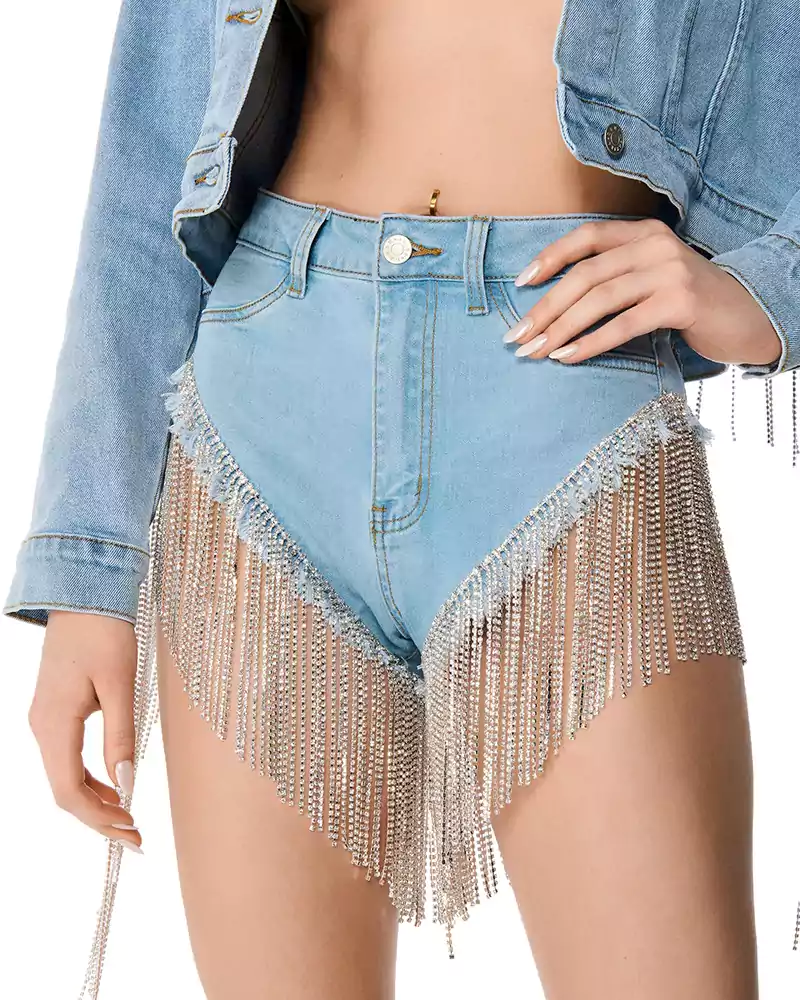
Custom Denim Jorts: Distressed, Frayed Hem & Custom Wash Options

Introduction: The Resurgence of the Cut-Off
The denim jort—that portmanteau of “jean” and “short”—has transcended its utilitarian origins to become a staple of contemporary streetwear. From the grunge-laden aesthetics of the 1990s to the current Y2K revival, the jort is a garment of deliberate imperfection, a celebration of the frayed and the faded. For the discerning brand, sourcing custom denim jorts is an opportunity to craft a garment that embodies a specific vintage, rebellious, or artisanal character. This guide delineates the essential considerations—from distressing techniques to custom wash processes—for creating a distinctive jort collection.
Defining the Jort: More Than a Cut-Off Jean
The jort is defined by its transformation from a full-length jean to a cropped silhouette. However, it is a garment that demands a design philosophy distinct from its trousers counterpart. The hem is the defining detail. A clean cut yields a different aesthetic than a frayed, raw hem, which has become a hallmark of the vintage streetwear look . The lenght—whether falling above the knee or sitting at the mid-thigh—determines the garment’s silhouette and its alignment with current trends. The architecture of the jort requires a careful balance between the structural integrity of the waistband and the deliberate undone nature of the hem.
Distressing: The Art of Controlled Decay
Distressing is the process of artificially aging denim to replicate the natural wear and tear of extended use. This is not a random act of destruction but a calculated application of abrasion, tearing, and fraying. Manufacturers utilize techniques such as manual sanding, laser etching, and the application of potassium permanganate to create localized fading and “whiskering” patterns . For jorts, distressing is often concentrated around the hemline, where the fabric would naturally abrade against the wearer’s legs, and the thighs, where pockets and constant movement create friction . A high-quality distressing process results in a garment that appears authentically “lived-in.”
The Frayed Hem: The Signature Detail
The raw, frayed hem is perhaps the most iconic feature of the contemporary jort. This effect is achieved by cutting the denim to a specified length and then subjecting it to abrasive washing processes that cause the weft threads to unravel and create a fringe . Manufacturers must employ a “hidden stay-stitch” during construction to prevent the fly or side seams from unraveling catastrophically during this aggressive washing process . The frayed hem is a powerful visual signal; it announces that the garment is intentionally undone, a deliberate departure from the pristine.
The Wash as Signature: Custom Techniques
The wash is the soul of the jort. It transforms a blue fabric into a textured, nuanced artifact. The choice of wash is the primary differentiator for a brand’s offering. The most sought-after washes in the streetwear space include:
- Acid Wash: A high-contrast, marbled finish achieved by tumbling denim with pumice stones saturated in bleach . This process creates a chaotic, mottled effect that evokes the 1980s and 90s.
- Stone Wash: A softer, more subtle fading effect that uses pumice stones to abrade the surface and soften the fabric . The result is a worn, comfortable feel.
- Enzyme Wash: A sustainable alternative to stone washing that uses biological enzymes to break down surface fibers, creating a smooth, vintage hand-feel without the heavy environmental impact .
- Mud/Dirty Wash: A technique that imparts a brownish, earthy undertone to the denim, mimicking the patina of a garment that has been exposed to the elements .
Customization Options: Hardware, Patches, and Embroidery
The character of a jort is often amplified by its secondary details. Brands can select from a range of hardware finishes—brass, gunmetal, anti-copper—for the zippers, buttons, and rivets . The integration of patches, whether representing a brand logo or a decorative chenille patch, adds a textural dimension . Embroidery, from intricate floral motifs to bold 3D lettering, offers a premium, handcrafted aesthetic . A gold zipper detail or a detachable utility pouch can elevate a simple jort into a complex, fashion-forward statement piece .
Fabric Foundations: Weight and Composition
The integrity of a custom jort is predicated upon the quality of its substrate. The fabric’s weight, measured in ounces per square yard, dictates the garment’s drape and durability. A lighter-weight denim (e.g., 10oz to 12oz) is often preferred for summer shorts, offering breathability and flexibility . A heavier-weight denim (14oz and above) provides a more rigid structure that holds its shape and creates high-contrast creases and fading patterns. The composition is equally critical: a 100% cotton fabric offers classic fade potential, while a cotton-elastane blend provides essential stretch for a comfortable fit .
The B2B Landscape: Low MOQ and Manufacturing Partners
For emerging brands, the Minimum Order Quantity is a critical financial consideration. The landscape has evolved to accommodate smaller players, with many manufacturers now offering thresholds as low as 50 to 100 pieces per style . This flexibility is an investment in risk mitigation, allowing brands to test a silhouette or a wash without the financial burden of mass production . This represents a significant departure from traditional factories, which often demand orders of 2,000 to 5,000 pieces .
Production Timelines: Sampling and Bulk
The path from design to delivery involves a structured production cycle. The sampling phase—the creation of a physical prototype—is indispensable, typically requiring 5 to 7 working days . This allows the brand to evaluate the fit, the wash, and the distressing. Bulk production lead times generally range from 15 to 35 days following sample approval, depending on the complexity of the wash and the manufacturer’s existing capacity .
Quality Control: Ensuring Consistency
The challenge of maintaining consistency across a bulk order, particularly when aggressive washes are involved, is formidable. Reputable manufacturers implement rigorous in-line and final quality control checks. This process often involves a multi-point checklist on every piece, ensuring that the quality observed in the sample is replicated across the entire order . Consistency is the mark of a professional manufacturer.
Conclusion: Crafting a Statement of Imperfection
The custom denim jort is a garment of deliberate imperfection. It is a canvas for textured washes, controlled fraying, and strategic distressing. By navigating the nuances of fabric selection, wash techniques, and embellishment options, a brand can create a garment that is both a functional summer staple and a powerful statement of style. The jort embodies a particular attitude—a rejection of the pristine in favor of the lived-in and the authentic.