Don't miss our holiday offer - up to 50% OFF!

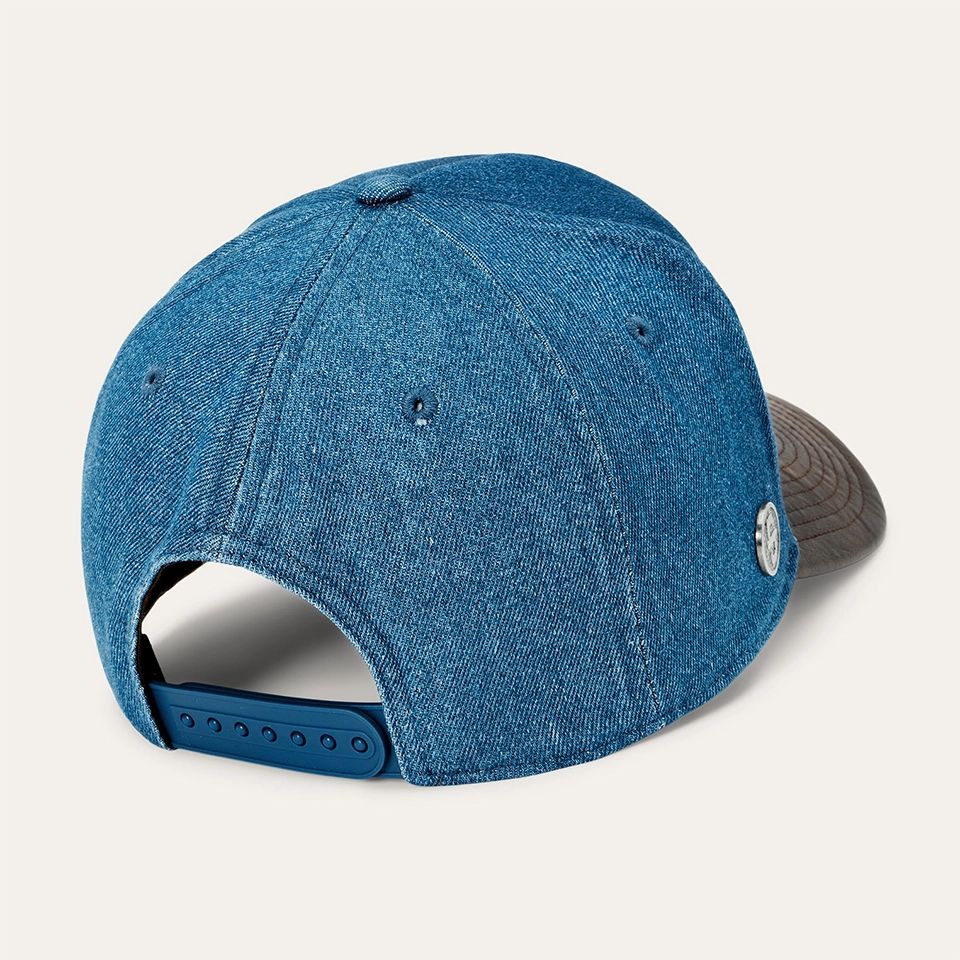
Sourcing Guide for Quality Custom Denim Hat in Bulk Quantities

Introduction: The Headwear Imperative
The denim hat occupies a distinctive position within the accessory landscape. It carries the rugged, vernacular heritage of its fabric counterpart while offering a canvas for brand expression that is both visible and intimate. For the global fashion brand buyer, sourcing a custom denim hat in bulk quantities is a strategic procurement exercise that demands a manufacturing partner possessing not only technical proficiency in headwear construction but also a profound understanding of denim’s unique material behavior. This guide delineates the critical considerations for navigating this specialized sourcing terrain, from selecting the appropriate fabric weight to managing minimum order quantities.
Deconstructing the Denim Hat: Fabric as Foundation
The integrity of a custom denim hat is predicated upon the quality of its substrate. Denim fabric, characterized by its robust twill weave, offers the durability and structure essential for a garment that is expected to withstand the rigors of daily wear. The fabric’s weight, typically measured in ounces per square yard, is a critical specification. A standard 10oz high-density cotton denim provides a balance of durability and breathability that is ideal for hats, offering high abrasion resistance and a natural, vintage texture . The choice between 100% cotton and a cotton-polyester blend will influence the hat’s hand-feel and its capacity for retaining structural integrity through the finishing process.
The Spectrum of Silhouettes: Defining the Style
The selection of the hat’s silhouette is a decision that profoundly impacts its visual identity and market appeal. The denim hat manifests in a variety of configurations to accommodate diverse brand aesthetics.
- Baseball Caps: This classic silhouette, often featuring a structured 6-panel construction and a curved brim, offers a versatile canvas for branding . It is a staple of streetwear and casual branding.
- Bucket Hats: Characterized by a wide, downward-sloping brim, the bucket hat is a fashion-forward choice, often favored for its retro, vintage appeal. A washed denim bucket hat with frayed edge detailing offers a rugged, lived-in look .
- Snapbacks and Trucker Hats: These silhouettes, often featuring a flat brim and an adjustable plastic snap closure, are staples of the streetwear market. They are frequently paired with bold, high-relief 3D embroidery for a premium, statement-making effect .
- 5-Panel Hats: A more minimalist silhouette, the 5-panel hat offers a cleaner, more streamlined canvas, often favored by skate and streetwear brands .
Decoration Methods: The Art of Application
The application of a brand’s logo or design is the defining moment of customization. Manufacturers offer a panoply of application methods, each with distinct aesthetic and functional properties.
- Embroidery: This is the gold standard for premium branding. It imparts a tactile, three-dimensional finish that is exceptionally durable. Options include flat embroidery for intricate detailing and 3D puff embroidery for a bold, raised effect that is a hallmark of high-end streetwear .
- Patches: Woven or leather patches offer a textural alternative and are particularly suited for retro and vintage-inspired branding. Materials can range from PU and rubber to PVC and genuine leather .
- Heat Transfer and Screen Printing: These methods offer versatility for complex, multi-colored designs, providing a more economical option for larger orders .
The Wash as Signature: Chemical and Mechanical Finishing
For denim hats, the wash is the defining attribute that transforms a flat fabric into a textured artifact. A heavy wash or garment wash softens the fabric and imparts a vintage, worn-in character that is highly desirable for streetwear and lifestyle brands . The wash process, which may include stone washing or enzyme washing, must be carefully considered, as it can affect the hat’s shape and the integrity of its hardware. Manufacturers often specify a “washed denim” option, indicating a pre-treated fabric that offers a rugged, faded appearance .
Customization Capabilities: Beyond the Fabric
A comprehensive manufacturer will offer customization that extends beyond the fabric and wash to the secondary details.
- Hardware and Trims: The closure system—whether an adjustable metal buckle, a plastic snap, velcro, or a fabric tuck-in—is a functional and stylistic detail . The choice of buckle finish, such as antique brass or gunmetal, contributes to the hat’s tactile refinement.
- Brim Construction: The brim itself is a point of differentiation. Options include curved and flat brims, as well as variations in brim stiffness, ranging from a soft, “overhang” style to a rigid, structured form .
- Internal Components: Often overlooked, the internal sweatband is a critical comfort feature. Materials for the sweatband, such as cotton or moisture-wicking synthetics, should be considered to enhance wearability.
Navigating the Manufacturing Landscape: MOQ, Lead Times, and Certification
For the global buyer, the selection of a manufacturing partner is determined by a confluence of operational and commercial factors.
Minimum Order Quantities (MOQs)
The MOQ is a critical financial consideration that varies significantly based on the level of customization. The market has evolved to accommodate brands of varying scales.
- Low Threshold: For custom logo hats on existing stock styles, some manufacturers offer MOQs as low as 48 to 50 pieces . This flexibility is an investment in market testing and risk mitigation.
- Standard Threshold: For fully customized hats, involving bespoke fabric, silhouette, and hardware, MOQs typically start from 300 pieces .
- Mid-Threshold: Many established manufacturers, such as Dongguan Yutong Hat Manufacturing, operate with an MOQ of 200 to 500 pieces per style, reflecting the economies of scale in headwear production .
Production Timelines
The lead time from order placement to delivery is a variable that must be factored into operational planning. A typical production cycle includes:
- Sample Development: The sampling phase, for a custom design, generally requires 7 to 10 days, though some suppliers offer expedited samples in 3 to 5 days for common styles .
- Bulk Production: Bulk production lead times typically range from 20 to 35 days following sample approval, depending on the complexity of the design and the manufacturer’s capacity . Larger facilities with multiple production bases may offer greater flexibility and stability in lead times .
Certifications and Compliance
For brands targeting markets such as the EU, UK, Australia, and New Zealand, manufacturer certifications are non-negotiable. Certifications such as BSCI (Business Social Compliance Initiative) and WCA (Workplace Conditions Assessment) verify that the factory has been independently audited against labor, health, and safety standards . Established manufacturers like Dongguan Yutong Hat Manufacturing and Qingdao Hanfei Headwear hold such certifications, demonstrating a commitment to ethical sourcing practices .
Quality Control: The Assurance of Consistency
Maintaining consistency across a bulk production run is a formidable challenge. Reputable manufacturers implement rigorous in-line and final quality control checks. This process often involves a multi-point checklist that assesses fabric integrity, stitch density, logo placement, wash consistency, and hardware security . Many buyers opt to apply the AQL 2.5 inspection standard, which allows for a minimal defect tolerance level of 2.5%, ensuring that the quality observed in the sample is replicated across the entire order .
The Sustainability Imperative
The global apparel industry faces increasing scrutiny regarding its environmental impact. While the search results indicate that denim hats are predominantly manufactured from traditional cotton and synthetic materials, brands should seek manufacturers who prioritize sustainability. This may include the use of recycled or organic cotton blends and the adoption of water-saving technologies in the washing and finishing processes.
Conclusion: Forging a Headwear Legacy
The sourcing of custom denim hats in bulk quantities is a strategic endeavor that demands a careful selection of a manufacturing partner. It is a partnership that extends beyond transaction, requiring a manufacturer that understands the creative vision and possesses the technical acumen to execute it. By navigating the nuances of fabric selection, wash consistency, and quality control, a brand can create a headwear piece that is not merely a product but a durable artifact of its identity. The Chinese denim hat manufacturing ecosystem, with its vertically integrated facilities, flexible MOQs, and commitment to ethical production, offers global fashion brand buyers a formidable partnership for bringing their distinctive vision to the global market.