Don't miss our holiday offer - up to 50% OFF!

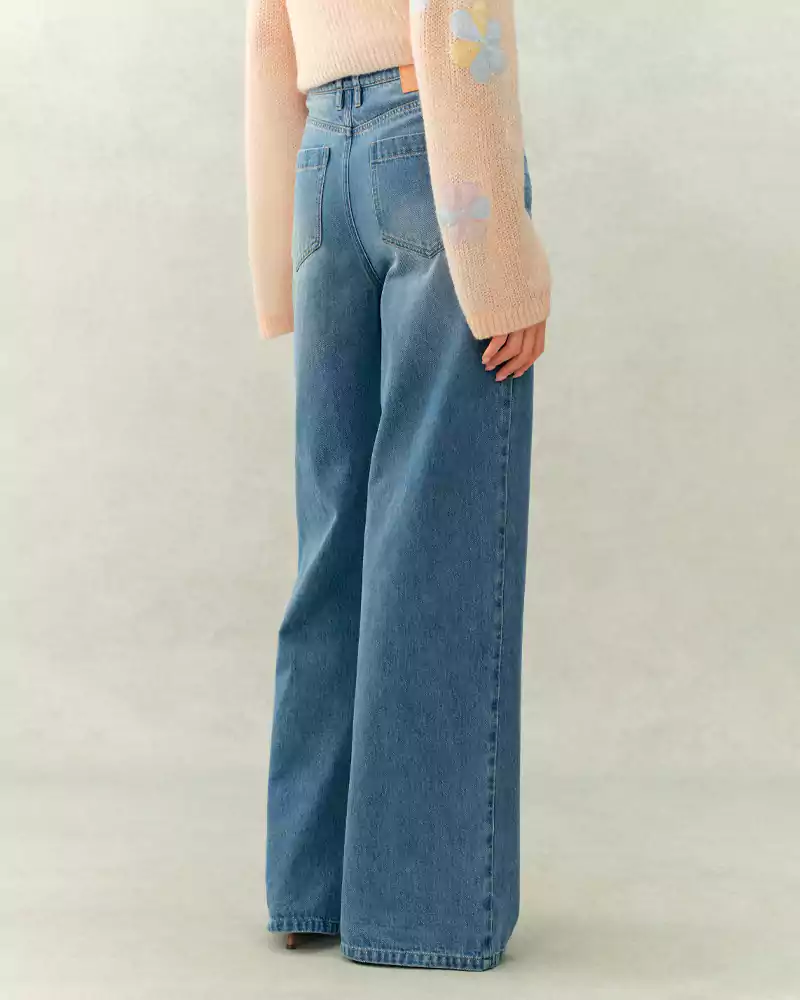
Custom Fit Women Denim Jeans Manufacturer & Supplier

Introduction: The Renaissance of Bespoke Denim
The annals of fashion history are replete with garments that have transcended mere utility to become cultural touchstones. Denim, that indomitable twill weave, stands as a paramount example of such transcendence. Yet, for decades, the women’s denim market has been plagued by a pervasive uniformity. Mass-produced jeans, designed to fit an idealized and often fictitious body type, have left countless women grappling with ill-fitting garments. Enter the custom fit women denim jeans manufacturer and supplier—a vanguard of sartorial liberation.
This article embarks upon an exhaustive exploration of this specialized industry. It will dissect the manifold facets of custom denim manufacturing, from the selection of raw textiles to the intricacies of supply chain management. Furthermore, it will elucidate the symbiotic relationship between manufacturers and suppliers, and how their collaboration yields garments of unparalleled fit and quality.
The Paradigm Shift in Women’s Denim Apparel
From Mass Production to Bespoke Craftsmanship
The twentieth century witnessed the ascendancy of mass production, a phenomenon that democratized fashion but often at the expense of individual fit. Ready-to-wear denim, while accessible, frequently necessitated compromise. Women contorted themselves into sizes that approximated their dimensions, rather than garments that celebrated their unique physiognomies. The paradigm is now shifting. A burgeoning cohort of consumers demands apparel that conforms to them, not the inverse. Custom fit denim manufacturing represents the apotheosis of this consumer-centric revolution.
The Economic Imperative for Customization
Economic forces underpin this transformation. The proliferation of e-commerce has empowered consumers with unprecedented choice. Simultaneously, the stigma once associated with paying a premium for personalized products has dissipated. Women increasingly recognize that a pair of custom fit denim jeans, though initially more expensive, offers superior value through enhanced durability and wearability. This economic calculus favors the custom manufacturer who can deliver demonstrable quality.
Understanding the Custom Fit Denim Manufacturing Landscape
Defining the Custom Fit Denim Manufacturer
A custom fit women denim jeans manufacturer is an entity that produces jeans according to individual specifications, rather than standardized sizing charts. Such manufacturers employ a cadre of skilled pattern makers, seamstresses, and quality control specialists. They may operate on a made-to-measure basis, where existing patterns are adjusted to a client’s dimensions, or on a bespoke basis, where patterns are drafted entirely from scratch.
The Distinction Between Manufacturer and Supplier
While often conflated, the terms manufacturer and supplier denote distinct roles within the supply chain. A manufacturer is engaged in the actual production of goods. A supplier, conversely, may act as an intermediary, distributing products from manufacturers to retailers or end consumers. Some entities perform both functions. For the sake of clarity, this discourse will address each role separately before examining their convergence.
The Anatomy of Custom Fit Women’s Denim Jeans
Fabric Selection and Textile Sourcing
The foundation of any exemplary denim garment is the fabric itself. Custom manufacturers source textiles from an array of mills, ranging from heritage selvedge producers in Japan to innovative denim fabricators in Turkey and the United States. Considerations include weight, stretch percentage, dyeing techniques, and sustainability certifications. The selection process is meticulous, for the fabric dictates the drape, durability, and aesthetic character of the final product.
Pattern Drafting and Anthropometric Precision
Pattern drafting is the sine qua non of custom fit denim. It requires an intimate understanding of anthropometry—the science of human body measurement. Skilled pattern makers translate a client’s dimensions into a two-dimensional template that, when cut and sewn, will envelop the three-dimensional form with precision. This process accommodates variations in rise, waist-to-hip ratio, thigh circumference, and inseam, among other parameters.
Stitching, Finishing, and Artisanal Detailing
The assembly of custom denim jeans is a labor-intensive endeavor. Artisans employ a repertoire of stitches—chain stitch, lockstitch, and overlock—to construct garments that withstand the rigors of daily wear. Finishing touches may include hand-set rivets, embroidered monograms, and customized hardware. These details elevate a functional garment to a bespoke artifact.
The Manufacturing Process: From Conception to Creation
Consultation and Measurement Protocols
The custom denim journey commences with a consultation. Manufacturers solicit comprehensive measurements, often supplementing traditional tape measures with digital tools such as 3D body scanners. Clients articulate preferences regarding fit, wash, and embellishments. This dialogue ensures alignment between expectation and execution.
Prototyping and Fit Trials
Upon receipt of measurements, the manufacturer creates a prototype garment. This muslin or denim toile is shipped to the client for a fit trial. Feedback is solicited and incorporated into subsequent iterations. This iterative process, though time-consuming, is indispensable for achieving optimal fit.
Quality Assurance and Final Production
Once the prototype meets approval, final production commences. Quality assurance protocols are rigorous. Seams are stress-tested. Zippers are cycled. Measurements are verified against the original specifications. Only upon passing these inspections are garments dispatched to the client.
Technological Innovations in Custom Denim Manufacturing
3D Body Scanning and Digital Tailoring
Three-dimensional body scanning technology has revolutionized custom fit manufacturing. Scanners capture precise measurements in seconds, eliminating human error. Digital tailoring software then generates patterns that accommodate the client’s unique morphology. This technology enhances both accuracy and efficiency.
CAD/CAM Systems in Denim Production
Computer-aided design and computer-aided manufacturing systems streamline production. Designers manipulate digital patterns with ease. Cutting machines, guided by CAD files, execute precise incisions. These systems reduce waste and accelerate lead times.
Sustainable Technologies and Eco-Conscious Dyeing
Environmental stewardship is increasingly paramount. Innovative dyeing techniques, such as laser fading and ozone washing, diminish water consumption and chemical runoff. Custom manufacturers who embrace these technologies appeal to environmentally conscious consumers.
The Role of the Supplier in the Denim Supply Chain
Logistics and Distribution Networks
Suppliers orchestrate the movement of goods from manufacturing facilities to points of sale. They manage freight, customs clearance, and warehousing. Efficient logistics networks ensure that custom denim reaches clients in a timely manner, despite geographical distances.
Inventory Management and Just-in-Time Delivery
Custom manufacturing operates on a made-to-order basis, which mitigates the need for extensive inventory. Suppliers employ just-in-time delivery models to synchronize production with demand. This approach reduces carrying costs and minimizes the risk of unsold stock.
B2B Partnerships and White-Label Services
Many suppliers offer white-label services, enabling retailers to affix their own branding to custom denim products. These B2B partnerships allow emerging brands to enter the market without investing in manufacturing infrastructure.
Sourcing Considerations for Retailers and Brands
Evaluating Manufacturer Credentials
Retailers must conduct due diligence when selecting manufacturing partners. Credentials to examine include years of operation, client testimonials, certifications, and compliance with labor laws. Site visits, though logistically challenging, provide invaluable insights.
Negotiating Minimum Order Quantities
Custom manufacturers often impose minimum order quantities to ensure profitability. Retailers must negotiate these thresholds carefully, balancing the desire for variety against the economics of small-batch production.
Ensuring Ethical Labor Practices
Ethical sourcing is non-negotiable. Retailers should verify that manufacturers provide safe working conditions, fair wages, and respect for workers’ rights. Third-party audits and certifications, such as Fair Trade or SA8000, offer assurance.
The Consumer Perspective: Why Women Seek Custom Fit Denim
Body Positivity and Inclusivity
The body positivity movement has amplified demand for apparel that accommodates diverse body types. Custom fit denim answers this call, offering garments that celebrate rather than conceal. Women of all shapes and sizes can procure jeans that fit impeccably.
Longevity and Cost-Per-Wear Economics
Though the upfront cost of custom denim may be substantial, the cost-per-wear is often lower than that of mass-produced alternatives. Custom jeans endure longer, retain their shape, and resist trends. Financially astute consumers recognize this calculus.
The Psychology of Perfect Fit
A garment that fits well confers confidence. Women who wear custom denim report enhanced self-esteem and body satisfaction. The psychological benefits of perfect fit are intangible but profound.
Challenges and Solutions in Custom Denim Manufacturing
Scaling Bespoke Production
Scaling custom manufacturing is inherently challenging. Unlike mass production, bespoke processes resist automation. Solutions include modular production systems and hybrid models that combine custom and ready-to-wear lines.
Managing Lead Times and Consumer Expectations
Custom denim requires time. Manufacturers must communicate lead times transparently and manage expectations. Under-promising and over-delivering is a prudent strategy.
Pricing Strategies for Premium Products
Pricing custom denim requires delicacy. Manufacturers must account for material costs, labor, overhead, and profit margins. Simultaneously, they must position their products as valuable investments rather than indulgent expenditures.
Sustainability and Ethical Considerations
Reducing Textile Waste Through Made-to-Order Models
Made-to-order production generates minimal waste. Garments are created only when ordered, eliminating the surplus associated with mass production. This model aligns with circular economy principles.
Water Conservation in Denim Processing
Denim processing is traditionally water-intensive. Custom manufacturers can adopt water-saving technologies, such as closed-loop systems and atmospheric plasma treatments, to reduce their environmental footprint.
Circular Fashion and Denim Recycling Initiatives
Circular fashion envisions garments that are recycled or repurposed at the end of their lifecycle. Some custom manufacturers offer take-back programs, transforming worn denim into new products.
Marketing Custom Fit Denim: Strategies for Success
Digital Marketing and E-Commerce Integration
A robust online presence is indispensable. Manufacturers and suppliers should invest in e-commerce platforms that facilitate virtual consultations, measurement input, and order tracking. Search engine optimization and content marketing amplify reach.
Leveraging Social Media and Influencer Partnerships
Social media platforms offer fertile ground for promoting custom denim. Influencer partnerships lend credibility and expand audience reach. Authentic testimonials from satisfied customers are equally potent.
Building Brand Loyalty Through Personalization
Personalization fosters loyalty. Manufacturers who remember clients’ preferences and offer loyalty incentives cultivate repeat business. The relationship between client and custom denim maker is akin to that of patron and tailor—intimate and enduring.
Case Studies: Exemplars in Custom Denim Manufacturing
Pioneering Brands and Their Approaches
Several brands have distinguished themselves in the custom denim arena. Some leverage proprietary sizing algorithms. Others emphasize artisanal craftsmanship. Their successes illuminate best practices.
Lessons from Successful Manufacturer-Supplier Collaborations
Exemplary manufacturer-supplier collaborations demonstrate the value of transparency, communication, and shared objectives. When both parties align, the resulting synergy benefits all stakeholders.
The Future of Custom Fit Women’s Denim
Anticipated Technological Advancements
The future promises further technological integration. Artificial intelligence may predict fit preferences. Augmented reality may enable virtual try-ons. Blockchain may enhance supply chain transparency.
Evolving Consumer Demands and Market Trends
Consumer demands will continue to evolve. Sustainability, inclusivity, and personalization will remain salient. Manufacturers who anticipate these trends will thrive.
Global Expansion and Emerging Markets
Emerging markets present opportunities for expansion. As disposable incomes rise in developing nations, demand for premium custom denim will grow.
Regulatory and Compliance Frameworks
International Trade Regulations
Custom denim manufacturers engaged in cross-border commerce must navigate a labyrinth of trade regulations. Tariffs, quotas, and rules of origin impact costs and competitiveness.
Labeling and Consumer Protection Laws
Labeling requirements vary by jurisdiction. Manufacturers must ensure compliance with fiber content, country of origin, and care instruction mandates. Consumer protection laws govern advertising claims and product safety.
Environmental Compliance Standards
Environmental regulations govern waste disposal, emissions, and chemical usage. Compliance is mandatory and increasingly stringent.
Financial Considerations for Stakeholders
Cost Structures in Custom Manufacturing
Custom manufacturing entails higher labor costs, premium materials, and specialized equipment. Understanding these cost drivers is essential for pricing and profitability.
Investment Requirements and ROI Projections
Launching a custom denim enterprise requires substantial capital investment. Return on investment projections must account for production timelines, market demand, and competitive dynamics.
Financing Options for Emerging Brands
Emerging brands may access financing through venture capital, small business loans, or crowdfunding. Each option carries distinct advantages and obligations.
Building a Resilient Supply Chain
Diversification of Sourcing Partners
Reliance on a single supplier is precarious. Diversification mitigates risk and enhances resilience.
Risk Mitigation Strategies
Risk mitigation encompasses contingency planning, insurance, and scenario analysis. Manufacturers must anticipate disruptions and prepare accordingly.
Technology Integration for Supply Chain Visibility
Technology platforms provide real-time visibility into supply chain operations. This transparency facilitates proactive management and swift response to disruptions.
Conclusion: The Enduring Allure of Perfectly Fitted Denim
Custom fit women denim jeans manufacturing and supply constitute a dynamic and multifaceted industry. It bridges artisanal tradition and technological innovation. It satisfies a profound consumer desire for garments that fit impeccably. It offers economic and environmental advantages over mass production. As the industry evolves, it will continue to attract entrepreneurs, investors, and discerning consumers. The allure of perfectly fitted denim is timeless. And those who master its manufacture and supply will prosper in the years to come.