Don't miss our holiday offer - up to 50% OFF!

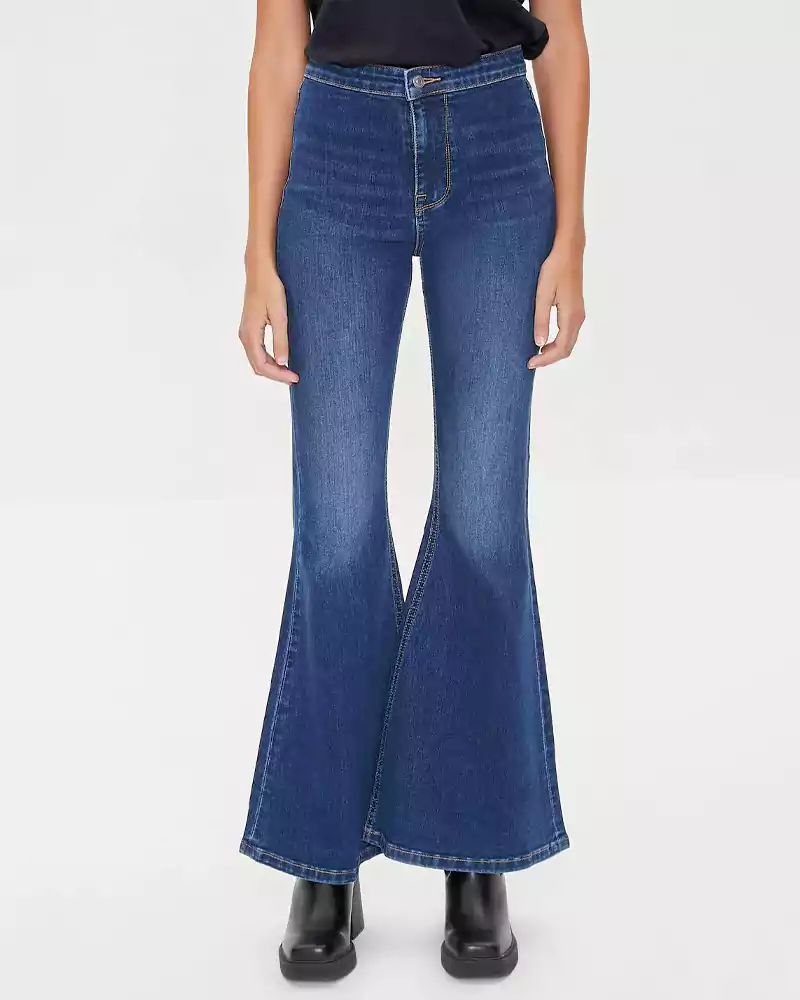
Custom back buckle straight loose relaxed denim

1. Fundamental Definition of Custom Back Buckle Straight Loose Relaxed Denim
1.1 Schematic Profiling of Straight Loose Relaxed Denim Silhouettes
Custom back buckle straight loose relaxed denim denotes a bespoke trouser silhouette defined by rectilinear vertical leg geometry and volumetric negative space throughout the hip, thigh, and calf regions. Unlike constrained tapered or skinny denim constructs, this iteration maintains uniform leg width from upper thigh to hem, eliminating progressive tapering for an unencumbered structural profile. The relaxed cut eschews body-hugging tension, prioritizing sartorial comfort and fluid movement over contoured body conformity.
This specialized denim profiling balances structural linearity with intentional volumetric looseness, creating a contemporary silhouette that transcends rigid vintage denim archetypes. It delivers a modernized relaxed aesthetic adaptable to diverse fashion verticals, from casual streetwear to refined everyday apparel.
1.2 Functional Purpose of Custom Back Buckle Hardware Integration
The custom rear waist buckle serves as a precision-adjustable hardware mechanism engineered to modulate waistband circumference without compromising the garment’s inherent relaxed silhouette. Traditional fixed waistband denim lacks adaptive sizing, leading to inconsistent fit during bodily movement and prolonged wear. The back buckle facilitates micro-adjustable tension calibration, securing optimal torso alignment while preserving the intended loose structural drape.
Beyond utilitarian fit regulation, custom buckles function as discrete branded hardware embellishments. They elevate generic relaxed denim into bespoke designer apparel with tactile, customizable detailing that augments product exclusivity and perceived craftsmanship value.
1.3 Distinction From Conventional Slim and Tapered Denim Cuts
Slim and tapered denim architectures prioritize proximal body contouring, utilizing graduated leg narrowing and reduced negative space to emphasize bodily proportion. These constrained silhouettes limit mobility and adopt rigid styling parameters centered on streamlined visual minimalism. Straight loose relaxed denim operates on an opposing design paradigm, prioritizing volumetric freedom and structural uniformity.
Crucially, this denim variant avoids the exaggerated bagginess of oversized streetwear denim. It maintains disciplined linear leg structure with controlled looseness, striking a deliberate equilibrium between sartorial relaxation and structured tailoring unavailable in conventional denim classifications.
2. Core Textile Specifications for Relaxed Straight Denim
2.1 Denim Twill Weave Density and Fabric Weight Grading
Premium custom relaxed straight denim predominantly utilizes 3×1 right-hand twill weaving, the industry benchmark for balanced structural rigidity and supple drape. Weave density directly impacts fabric stability, with tighter interlacing mitigating premature sagging and dimensional distortion common in low-grade relaxed denim constructions. Fabric weight grading typically ranges from 9oz to 12oz, a calibrated spectrum ideal for sustaining relaxed silhouette integrity.
Lighter 9oz formulations deliver pliable, breathable wear for temperate climates. Heavier 12oz raw denim provides robust structural memory, ensuring the straight leg profile retains its geometric consistency through extensive wear and laundering cycles.
2.2 Fiber Composition and Blended Textile Formulations
Traditional pure cotton denim remains a staple for custom relaxed straight constructions, offering superior breathability, organic texture development, and authentic fading patina over time. Modern bespoke iterations integrate sophisticated blended formulations, combining ring-spun cotton with minor elastane infusions or polyester reinforcement. These hybrid composites enhance stretch recovery and dimensional stability.
Strategic fiber blending eliminates the rigid stiffness of unprocessed raw denim while preserving the structural heft required to uphold straight leg linearity. The result is a pliable yet resilient textile optimized for relaxed silhouette performance.
2.3 Fabric Drape, Flexural Rigidity and Recovery Metrics
Fabric drape coefficient is a critical engineering metric for relaxed straight denim, dictating how textile material falls naturally along vertical leg planes. Optimal drape eliminates awkward bunching, creasing, or volumetric pooling inherent in poorly calibrated loose denim cuts. Flexural rigidity measurements ensure the fabric maintains upright structural form without excessive limpness or rigid boardiness.
Elastic recovery metrics govern the garment’s ability to rebound from repeated stretching and mechanical deformation. High-quality custom relaxed denim retains its original pattern geometry, resisting permanent sagging at the hips, seat, and knees that plagues inferior loose denim alternatives.
3. Ergonomic Design Principles of Loose Relaxed Straight Denim
3.1 Waistband Tolerance and Torso Proportional Calibration
Custom relaxed straight denim incorporates expanded waistband tolerance parameters tailored for comfortable wear without excessive gapping. Standard denim waistbands utilize fixed dimensional grading, while bespoke variants integrate incremental circumference buffer zones compatible with rear buckle adjustment mechanisms. This ergonomic calibration accommodates natural torso expansion and postural movement.
Precise proportional alignment between waist, hip, and ribcage dimensions eliminates the ill-fitting inconsistencies of mass-produced relaxed denim. Every sizing tier undergoes individualized grading to preserve uniform looseness across all body frames.
3.2 Hip and Thigh Negative Space Engineering
Negative space engineering defines the core ergonomic advantage of custom loose relaxed denim. Designers calculate precise volumetric offsets at the pelvic girdle and femoral regions to eliminate restrictive fabric tension during walking, sitting, and bending. This intentional spatial design delivers unrivaled kinetic freedom without compromising structured silhouette linearity.
Unlike generic baggy denim that creates unstructured excess fabric, custom variants utilize symmetrical negative space distribution. The result is a balanced, intentional looseness that enhances wearability while maintaining refined sartorial proportion.
3.3 Inseam Linear Consistency and Vertical Silhouette Balance
Inseam linear uniformity is paramount to preserving the straight leg architectural integrity of custom relaxed denim. Precision pattern cutting ensures zero deviation in vertical leg alignment from crotch junction to hem, eliminating asymmetric leg tilting or tapered distortion. Vertical silhouette balance harmonizes upper thigh volume with calf and hem width for cohesive visual proportion.
Bespoke inseam grading accommodates personalized length specifications, enabling tailored stacking effects or clean hemline finishes aligned with individual stylistic preference. This vertical precision distinguishes artisanal custom denim from mass-produced relaxed alternatives.
4. Custom Back Buckle Hardware Typology for Denim
4.1 Adjustable Slide Buckle Mechanical Architecture
The adjustable slide back buckle employs a dual-bar mechanical architecture enabling continuous micro-circumference modification. Fabric strap threading through dual metallic bars creates friction-based tension lockage, facilitating incremental waistband tightening or loosening without mechanical fastener damage. This fluid adjustability outperforms fixed-hole buckle systems with limited sizing increments.
Engineered for repetitive actuation, slide buckle mechanisms maintain consistent tension resistance throughout thousands of adjustment cycles. They avoid common hardware failures such as strap slippage, bar bending, or surface abrasion.
4.2 Logo-Engraved Premium Metallic Back Buckle Variants
Premium custom back buckles feature precision CNC-engraved brand insignia, micro-typography, or proprietary geometric motifs on metallic substrate surfaces. Zinc alloy, brass, and stainless steel variants deliver distinct tactile and aesthetic characteristics, with brass substrates offering superior engraving crispness and vintage patina development.
Custom engraved hardware transforms functional utilitarian components into exclusive brand touchpoints. The miniature detailed branding creates subtle product differentiation, signaling artisanal craftsmanship and bespoke garment status.
4.3 Minimalist Matte and Antique Finished Buckle Configurations
Modern custom denim aesthetics prioritize minimalist hardware finishing, with matte electroplating delivering subdued, non-reflective surface tonality that complements relaxed denim’s casual sophistication. Antique distressed finishes utilize controlled chemical oxidation to generate vintage metallic patina, harmonizing with stone-washed, faded, and vintage denim treatments.
These specialized surface treatments eliminate the ostentatious shine of standard polished hardware. They create cohesive visual synergy between custom metallic components and organic denim fabric aesthetics.
5. Pre-Production Customization Workflow
5.1 Silhouette Pattern Digitization and Bespoke Grading
Pre-production customization initiates with high-resolution pattern digitization, converting manual design schematics into scalable vector pattern files. Bespoke grading algorithms adjust block patterns across all sizing tiers while preserving the core relaxed straight silhouette geometry. This digital calibration eliminates the proportional distortion common in automated mass grading systems.
Design technicians fine-tune individual pattern panels to maintain consistent negative space distribution and linear leg uniformity across every size specification, ensuring standardized bespoke quality.
5.2 Back Buckle Placement Symmetry and Spacing Precision
Back buckle placement undergoes rigorous symmetrical calibration to ensure central axial alignment on the posterior waistband. Precise spacing protocols standardize hardware positioning relative to waistband seams, belt loop architecture, and center back stitching. Even millimeter-scale misalignment is corrected during pre-production prototyping.
Consistent placement precision guarantees uniform aesthetic balance and functional performance across every garment batch. It reinforces the premium tailored quality inherent to custom denim production.
5.3 Fabric Wash Compatibility and Hardware Material Matching
Material compatibility assessment pairs specific buckle metallic compositions with designated denim wash treatments. Acid washes, enzyme fading, and stone washing exert distinct chemical and mechanical stress on hardware finishes. Technicians match corrosion-resistant stainless steel buckles for heavy industrial washing and pliable brass buckles for subtle vintage fading treatments.
Strategic material matching prevents premature hardware discoloration, finish degradation, or chemical reaction during garment finishing, preserving long-term aesthetic cohesion.
6. Artisanal Manufacturing and Construction Techniques
6.1 Panel Cutting and Bias Grain Alignment for Relaxed Structuring
Artisanal panel cutting prioritizes strict linear grain alignment to stabilize relaxed denim structuring. Straight grainline orientation along leg panels prevents asymmetric fabric stretching and directional distortion. Precision laser cutting or hand-guided blade work ensures clean, consistent panel edges critical for uniform relaxed silhouette formation.
Bias grain adjustment at curved seat and waistband panels enables controlled fabric flexibility. This technique balances rigid straight-leg stability with ergonomic movement capability.
6.2 Reinforced Stitching for Back Buckle Anchor Points
Back buckle anchor zones undergo fortified stitching reinforcement to withstand recurrent adjustment tension and gravitational fabric pull. Double-row bar tacks, box stitching, and high-tensile polyester thread create robust load-bearing anchor points that prevent fabric tearing, seam separation, or hardware detachment.
Reinforcement patterns are discretely integrated into garment construction to avoid visible stitching bulk. They preserve the clean minimalist aesthetic of premium relaxed denim while enhancing structural durability.
6.3 Post-Construction Garment Blocking and Shape Setting
Post-construction garment blocking standardizes final silhouette geometry through controlled steaming and manual shape setting. Artisans manipulate fabric drape to refine straight leg linearity, eliminate residual production creases, and set optimal relaxed volumetric distribution. This manual finishing step elevates factory-produced denim to artisanal bespoke quality.
Precision shape setting locks in the intended silhouette profile, ensuring the garment retains its custom relaxed straight configuration through initial wear and laundering.
7. Aesthetic Grading and Stylistic Versatility
7.1 Casual Everyday Wear Silhouette Adaptability
Custom back buckle straight loose relaxed denim excels in everyday casual wardrobes due to its balanced versatility. The controlled looseness eliminates the restrictive discomfort of tailored denim, while disciplined straight geometry avoids the unkempt appearance of oversized casual trousers. The adjustable rear buckle ensures personalized fit for daily fluctuating comfort needs.
This silhouette pairs seamlessly with basic tees, knit sweaters, and casual footwear, delivering effortless contemporary style without deliberate aesthetic overstatement.
7.2 Streetwear Avant-Garde Styling Integration
Within streetwear paradigms, custom relaxed straight denim serves as a foundational statement silhouette. Its volumetric freedom accommodates layered oversized tops, hoodies, and boxy outerwear, aligning with modern avant-garde street aesthetics. Custom engraved back buckle hardware adds exclusive branded detailing coveted within collector-grade streetwear circles.
The adaptable silhouette supports diverse styling experimentation, from minimalist monochromatic outfits to textured layered streetwear ensembles.
7.3 Smart Casual Hybrid Wardrobe Functionality
Refined fabric finishes, clean construction lines, and premium custom hardware enable this relaxed denim variant to transcend casual limitations into smart casual territory. Dark unwashed denim iterations with matte metallic buckles pair with tailored blazers, collared shirts, and leather footwear for polished hybrid wardrobe functionality.
This cross-category versatility maximizes garment utility, positioning custom relaxed denim as a multi-contextual wardrobe staple rather than a single-purpose casual piece.
8. Durability Engineering and Wear Performance
8.1 Hardware Tensile Stability Under Repeated Adjustment
Custom back buckle hardware undergoes rigorous tensile stress testing to validate long-term adjustment stability. Premium metallic alloys resist bending, warping, and surface abrasion during frequent waistband recalibration. Friction lock mechanisms maintain consistent tension retention without strap slippage or mechanical fatigue.
Engineered hardware durability ensures functional reliability for years of regular wear, eliminating the premature hardware failure common in low-quality adjustable denim alternatives.
8.2 Fabric Shape Retention After Prolonged Wear Cycles
High-grade custom relaxed straight denim incorporates structural fabric memory engineering to resist permanent deformation. Reinforced weave density and balanced fiber composition prevent knee bagging, seat sagging, and hem stretching that degrade generic loose denim silhouettes.
Superior shape retention preserves the garment’s bespoke structural integrity. The straight relaxed profile remains consistent throughout extensive wear, maintaining the designer-intended silhouette geometry.
8.3 Wash Resistance of Custom Buckle Surface Finishes
Premium plated and antiqued buckle finishes undergo specialized sealing treatments to resist fading, tarnishing, and abrasion during repeated laundering. Encapsulated surface coatings shield custom engraved detailing from chemical detergent degradation and mechanical wash cycle friction.
Enhanced wash resistance ensures hardware branding and aesthetic finishing remain crisp and vibrant. It sustains the garment’s premium bespoke appearance across its entire usable lifespan.
9. Brand Differentiation and Commercial Value
9.1 Niche Silhouette Customization as a Market Differentiator
Mass-market denim predominantly offers standardized slim, tapered, or generic baggy cuts with minimal adaptive functionality. Custom back buckle straight loose relaxed denim occupies a specialized market niche by combining disciplined straight structuring, controlled looseness, and adjustable bespoke fit. This unique design fusion creates distinct brand separation within a saturated apparel sector.
Brands leveraging this customized silhouette attract discerning consumers seeking balanced comfort, structure, and exclusivity unavailable in commodity denim products.
9.2 Premium Hardware Accentuation of Garment Pedigree
Custom engraved back buckle hardware serves as a tangible marker of elevated garment pedigree. Discerning consumers recognize specialized metallic hardware customization as evidence of artisanal attention to detail, low-volume production, and premium material sourcing. This subtle branding elevates perceived product value substantially.
Unlike overt front logo branding, rear buckle detailing delivers understated luxury. It signals quality craftsmanship to industry enthusiasts while remaining visually restrained for mainstream aesthetic appeal.
9.3 Consumer Demand for Adjustable Bespoke Denim Apparel
Contemporary apparel consumers increasingly prioritize personalized fit over standardized sizing. Fixed-dimension denim frequently results in compromising fit, with waistband gapping or tightness plaguing even well-sized garments. Custom back buckle adjustable denim addresses this universal pain point through functional micro-customization.
Rising demand for adaptable, long-lasting wardrobe staples positions customized relaxed straight denim as a high-growth product category bridging comfort, style, and personalized functionality.
10. Sustainable Production Protocols for Custom Denim
10.1 Low-Impact Fabric Dyeing and Finishing Processes
Sustainable custom denim production utilizes water-reduced dyeing technologies, ozone fading, and enzyme biowashing to minimize environmental footprint. These low-impact processes eliminate excessive water waste and harsh chemical discharge associated with traditional denim finishing, while achieving identical vintage and contemporary wash aesthetics.
Eco-conscious finishing preserves fabric integrity and color consistency, aligning bespoke denim production with circular fashion industry standards.
10.2 Recyclable Metallic Buckle Hardware Sourcing
Forward-thinking manufacturers source recycled zinc, brass, and stainless steel for custom back buckle production. Recycled metallic hardware maintains identical structural performance and finishing capability as virgin materials while reducing industrial resource depletion and carbon emissions.
Fully recyclable hardware components eliminate permanent garment waste, enabling end-of-life material reclamation for circular production cycles.
10.3 Long-Life Silhouette Design to Mitigate Fast Fashion Waste
The timeless structural geometry of straight loose relaxed denim transcends fleeting seasonal fashion trends. Its versatile aesthetic and adaptive fit deliver multi-season wearability, reducing consumer garment turnover and fast-fashion waste. Custom hardware durability and superior fabric longevity extend product lifecycles exponentially.
By prioritizing timeless design and structural durability, custom denim production promotes slow-fashion sustainability through quality over quantity consumer practices.
11. Common Production Defects and Remedial Solutions
11.1 Asymmetrical Buckle Placement and Alignment Correction
Asymmetrical rear buckle placement constitutes a prevalent cosmetic production defect, arising from inconsistent manual fixture alignment during assembly. This misalignment disrupts posterior waistband symmetry and compromises tailored aesthetic quality. Pre-production laser alignment guides and automated fixture calibration eliminate human error in hardware positioning.
Post-production quality inspection identifies minor misalignments for corrective repositioning, ensuring perfect axial symmetry on all finished garments.
11.2 Excessive Fabric Sagging and Structural Tension Imbalance
Improper pattern grading frequently causes disproportionate fabric sagging at the seat and upper thigh regions, disrupting the intended straight silhouette. This defect stems from miscalibrated negative space distribution and unbalanced panel tension. Revised pattern grading recalibrates volumetric offset to standardize tension equilibrium across all fabric panels.
Targeted panel tightening and grainline adjustment eliminates unstructured sagging while preserving intentional relaxed comfort.
11.3 Hardware Loosening and Anchor Point Reinforcement
Insufficient stitching reinforcement causes incremental hardware loosening after repeated adjustment cycles. Dynamic tension fatigue weakens standard stitch anchoring, leading to strap displacement and hardware instability. Upgraded bar-tack reinforcement and high-tenacity thread configurations fortify anchor points against mechanical fatigue.
Enhanced construction protocols eliminate hardware loosening defects, securing permanent functional stability for custom buckle systems.
12. Contemporary Design Innovations and Future Trends
12.1 Modular Interchangeable Custom Back Buckle Systems
Emerging design innovation introduces modular interchangeable back buckle architecture, enabling consumers to swap custom hardware finishes and engraved designs post-purchase. This modular system transforms single-state garments into customizable adaptive apparel, maximizing user personalization and product lifespan.
Interchangeable hardware creates iterative brand engagement opportunities and extends garment utility beyond static seasonal styling limitations.
12.2 Adaptive Fabric Blends for Dynamic Relaxed Silhouettes
Next-generation adaptive textile blends integrate temperature-responsive fiber technology to modulate fabric drape and rigidity dynamically. These innovative materials adjust structural tension in response to environmental conditions, maintaining optimal relaxed silhouette geometry in varying climates while preserving wearer comfort.
Adaptive fabric engineering redefines performance parameters for relaxed denim, merging static bespoke design with dynamic functional responsiveness.
12.3 Ultra-Minimal Micro-Engraved Branded Hardware
Premium design trends shift toward ultra-minimal micro-engraved buckle detailing, utilizing sub-millimeter precision branding for discreet luxury identification. Micro-engraved motifs remain visible upon close inspection while maintaining clean, uncluttered hardware aesthetics aligned with contemporary minimalist design principles.
This subtle hardware branding delivers exclusive product differentiation without visual saturation, catering to high-end consumer preferences for understated bespoke craftsmanship.
13. Concluding Industry and Design Value Assessment
Custom back buckle straight loose relaxed denim represents a masterful convergence of ergonomic engineering, bespoke hardware customization, and contemporary sartorial design. It resolves the longstanding industry dichotomy between structured tailored denim and unstructured casual wear, delivering a balanced silhouette that prioritizes mobility, comfort, and refined aesthetic consistency. The integrated custom rear buckle system elevates standard denim construction into adaptive personalized apparel, bridging functional utility with exclusive branded craftsmanship.
As the global apparel industry continues shifting toward personalized, sustainable, and long-lasting wardrobe staples, custom relaxed straight denim with bespoke hardware emerges as a definitive market leader. Its versatile styling capability, superior wear performance, and artisanal customization position the silhouette as a timeless investment piece capable of enduring transient fashion cycles. For brands and consumers alike, this specialized denim construct embodies the future of premium casual apparel: intentional design, functional adaptability, and meticulous bespoke quality.