Don't miss our holiday offer - up to 50% OFF!

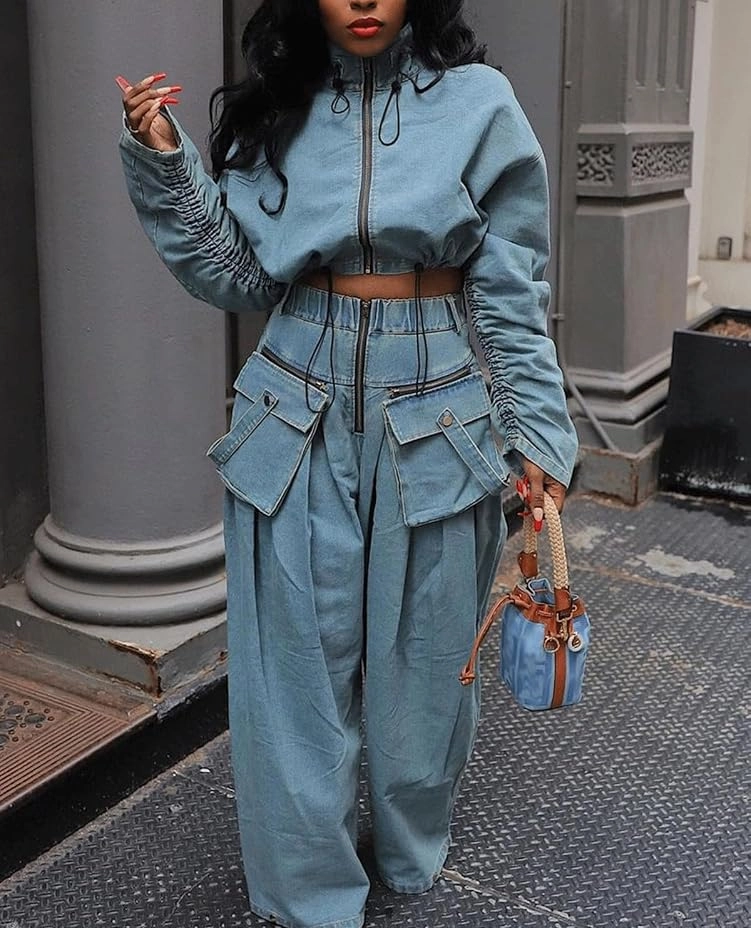
Men’s spring jacket new loose thin denim coat men’s wholesale customize men’s denim jacket

Introduction: The Spring Denim Jacket as a Seasonal Commercial Imperative
The spring denim jacket occupies a distinct niche in the menswear calendar. It is neither the heavy armor of winter nor the sheer layer of summer. It is a transitional garment, calibrated for mild temperatures and variable weather. For wholesale buyers and private-label brands, the spring denim jacket represents a seasonal staple with reliable demand. The loose, thin denim coat—a silhouette characterized by volume, lightness, and relaxed proportions—has emerged as a particularly potent expression of contemporary taste. This article examines the considerations that inform the sourcing, customization, and wholesale procurement of such garments.
Defining the Loose Thin Denim Coat: Silhouette, Weight, and Intent
A loose thin denim coat is a denim jacket characterized by two defining attributes: a relaxed, voluminous silhouette and a lightweight fabric construction. The silhouette may be boxy, oversized, or dropped-shoulder, often with extended body length and generous sleeve volume. The fabric typically ranges from six to ten ounces per square yard, offering drape and breathability without sacrificing denim’s tactile character. The intent is layering—the garment accommodates a hoodie, shirt, or tee beneath without constriction. It is casual yet considered, nonchalant yet deliberate.
The Meteorological Logic of Spring Weight Denim
Spring weather is capricious. Mornings may be cool; afternoons warm; evenings brisk. A heavy denim jacket proves oppressive by midday; a shirt alone proves insufficient by dusk. Lightweight denim resolves this dilemma. It provides insulation without bulk, protection without weight. The fabric breathes, permitting air circulation. It can be removed and carried without burden. This meteorological logic underpins the category’s enduring appeal and its reliable seasonal demand.
The Ascendancy of Loose Silhouettes in Contemporary Menswear
The pendulum of menswear fit has swung decisively toward volume. Skinny and slim fits, dominant for two decades, have yielded to relaxed, baggy, and oversized proportions. This shift reflects broader cultural currents: the influence of skateboarding, hip-hop, and Japanese streetwear; the rejection of restrictive dress codes; the embrace of comfort as a design principle. The loose denim coat is a beneficiary of this shift, offering brands a silhouette that aligns with contemporary sensibilities while retaining denim’s heritage associations.
Why Wholesale Buyers Prioritize Spring Denim Jackets
Wholesale buyers prioritize spring denim jackets for several reasons. The category enjoys broad demographic appeal, spanning younger consumers attuned to streetwear and older consumers seeking casual outerwear. It accommodates diverse price points, from accessible to premium. It is seasonally recurrent; demand renews annually. It pairs well with other categories—jeans, chinos, tees—facilitating cross-merchandising. For private-label programs, it offers ample canvas for branding and differentiation.
The Customization Imperative in Men’s Denim Outerwear
Customization transforms a generic garment into a branded asset. In men’s denim outerwear, customization may encompass fabric selection, silhouette modification, wash development, hardware branding, label design, and packaging. It may extend to embroidery, patches, and screen printing. The customization imperative reflects market reality: consumers seek garments that express identity, and brands seek products that resist commoditization. A manufacturer capable of executing customization at scale, without compromising quality, is a strategic asset.
Fabric Selection: Lightweight Denims for Transitional Climates
Fabric selection is foundational. For spring denim jackets, lightweight denims—six to ten ounces—offer the optimal balance of drape, breathability, and durability. Selvedge denim in lighter weights appeals to purists; stretch denim enhances comfort and movement; recycled and organic denims satisfy sustainability imperatives. The manufacturer should maintain a curated library of fabrics and advise on their suitability. Swatches should be provided for tactile evaluation. Shrinkage potential must be documented.
Ounce Gradations and the Threshold of Spring Suitability
Ounce gradation is a precise metric. A six-ounce denim is gossamer, suited to the warmest spring days. An eight-ounce denim offers versatility. A ten-ounce denim borders on year-round utility. Beyond twelve ounces, the garment ceases to be a spring jacket and becomes a three-season garment. The manufacturer must guide buyers in selecting ounce gradations that align with their target climate and market positioning. Precision here precludes misalignment later.
Weave Structures: Plain, Twill, and Specialty Constructions
Denim’s characteristic diagonal rib is the product of twill weave. Variations abound. Right-hand twill is standard; left-hand twill offers a different hand feel and fading pattern. Broken twill disrupts the diagonal, reducing torque and leg twist—a desirable quality in lightweight garments. Specialty constructions—herringbone, dobby, jacquard—introduce visual texture. The manufacturer should advise on weave structures that complement the intended aesthetic and performance requirements.
Indigo Dyeing and the Aesthetics of Lightness
Indigo dyeing determines color and character. For spring denim, lighter shades—sky blue, pale indigo, washed-out tones—convey seasonal appropriateness. Rope dyeing with fewer dips yields lighter shades. Sulfur dyeing offers alternative hues. The manufacturer must control dyeing precisely to ensure batch consistency. Colorfastness to light and perspiration is particularly important for spring garments, which are worn in sunlight and against bare skin.
Silhouette Taxonomy: Boxy, Oversized, Dropped-Shoulder, and Cocoon
The loose denim coat manifests in several silhouette archetypes. The boxy jacket features a straight body and squared hem. The oversized jacket extends beyond conventional proportions. The dropped-shoulder jacket places the shoulder seam below the natural shoulder, creating a relaxed, slouchy line. The cocoon jacket curves outward at the sides before tapering. Each archetype appeals to distinct consumer segments. The manufacturer should maintain pattern blocks for these silhouettes and the expertise to modify them.
Pattern Engineering for the Loose Denim Coat
Pattern engineering for loose silhouettes demands a departure from conventional approaches. Ease allowances must be generous. Armhole depth must accommodate layering. Body length must be calibrated to prevent the garment from appearing tent-like. Grading must preserve proportions across sizes. The pattern engineer must balance volume with structure, ensuring that the garment drapes rather than collapses. This equilibrium is achieved through iterative fitting and wear testing.
Sleeve Volume, Armhole Depth, and the Question of Proportion
Sleeve volume and armhole depth are critical variables. A deeper armhole accommodates layering but may restrict movement if excessively deep. A wider sleeve creates volume but may appear disproportionate if the body is narrow. The manufacturer must advise on proportions that achieve the intended aesthetic without compromising wearability. Sleeve length must also be considered; dropped shoulders require adjusted sleeve lengths to ensure proper coverage.
Collar Configurations and Their Seasonal Implications
The collar shapes the jacket’s character and seasonal appropriateness. A pointed collar signals heritage. A spread collar suggests modernity. A stand collar offers minimalism. A hood, integrated or detachable, enhances functionality for variable weather. For spring, collars that can be worn open or closed offer versatility. The manufacturer should present collar options and advise on their construction and aesthetic implications.
Hardware Selection for Lightweight Denim
Hardware must be appropriate to the fabric weight. Heavy metal buttons may distort lightweight denim; lighter buttons or snaps are preferable. Zippers must be smooth and durable. Rivets reinforce stress points but must be sized appropriately. Custom branding on hardware—debossed buttons, engraved rivets—enhances perceived value. The manufacturer must source hardware that complies with international standards and provide documentation to that effect.
Wash Treatments and Finishing for Spring Denim
Washing is where denim acquires personality. For spring jackets, lighter washes—rinse, stonewash, enzyme wash—convey seasonal appropriateness. Localized abrasion at the elbows, collar, and hem creates authentic wear patterns. Laser fading enables precise, repeatable effects. The manufacturer must replicate the approved wash sample across bulk production. Consistency is paramount, particularly for wholesale programs where multiple units must appear identical.
Unlined and Partially Lined Construction Techniques
Lining is a design decision. Unlined jackets are lighter, more breathable, and less expensive to produce. Partially lined jackets—lined at the shoulders and back yoke—offer structure without bulk. Fully lined jackets provide warmth and a premium hand feel but add weight. For spring, unlined or partially lined construction is generally preferable. The manufacturer should advise on lining options and their impact on cost, comfort, and aesthetics.
Sizing, Grading, and Fit Inclusivity for Wholesale Programs
Wholesale programs require comprehensive size ranges. The manufacturer must provide accurate size charts, ideally with garment measurements, and grade patterns across a wide spectrum. Extended sizing, including larger chests and broader shoulders, broadens the addressable market. The loose silhouette is inherently more forgiving of size variation, but grading must still preserve proportional relationships. Transparency and consistency are paramount.
The Sampling Process for Custom Denim Jackets
Sampling is the crucible in which concepts are tested. Prototypes reveal pattern flaws, fabric behavior, and construction issues. Fit samples assess silhouette and comfort. Wash samples determine shrinkage and color. Pre-production samples confirm that bulk materials and methods will yield the approved result. A manufacturer that embraces iterative sampling reduces the risk of bulk production failures. Patience during sampling averts costly corrections later.
Minimum Order Quantities and Wholesale Economics
MOQs in denim jacket manufacturing reflect the realities of fabric procurement and production setup. Vertically integrated factories may require higher volumes; smaller workshops may accommodate lower quantities at higher per-unit costs. Buyers should understand that MOQs are negotiable and that consolidated orders—multiple styles in a single production run—can reduce per-unit costs. Transparency regarding cost drivers enables intelligent negotiation.
Quality Assurance for Lightweight Denim Outerwear
Quality assurance must address measurements, stitch integrity, hardware function, and wash consistency. Seams must withstand tension and abrasion. Bartacks must reinforce stress points. Buttons and zippers must function smoothly. The manufacturer must provide a documented QA protocol and traceable records. Third-party inspections offer additional verification and are recommended for buyers new to a supplier.
Compliance, Certification, and Ethical Manufacturing
Compliance is non-negotiable. Certifications such as WRAP, BSCI, Sedex, GOTS, and OEKO-TEX provide independent verification of labor conditions and environmental performance. Restricted substances lists must be observed. Wastewater from dyeing and washing must be treated responsibly. A manufacturer committed to these standards enables buyers to market their jackets with integrity and mitigates legal and reputational risks.
Packaging, Labeling, and Retail Readiness
Packaging shapes perception. Jackets may be folded, hung, or rolled, depending on retailer requirements. Branded tape, tissue paper, and care cards enhance unboxing experiences. Hangtags, woven labels, and size stickers must align with the brand’s identity. A manufacturer that understands retail readiness reduces the burden on the buyer and enhances the product’s shelf appeal.
Cost Structures and Pricing Transparency
Costs comprise fabric, trims, labor, washing, finishing, packaging, and overhead. A reliable manufacturer provides itemized quotations that delineate these components. Negotiation should focus on total cost of ownership, not merely unit price. Payment terms, currency fluctuations, and volume discounts should be discussed openly. The lowest bidder may deliver the highest defect rate; quality and reliability must be weighed alongside cost.
Common Pitfalls in Wholesale Denim Jacket Sourcing
Pitfalls are plentiful. Inadequate vetting of a supplier’s credentials leads to substandard output. Overlooking shrinkage tolerances yields ill-fitting garments. Neglecting hardware compliance invites customs delays. Underestimating lead times during peak seasons causes stockouts. Remedies include thorough due diligence, clear technical documentation, realistic timelines, and regular quality checks.
Case Studies: Successful Spring Denim Jacket Programs
Examination of successful programs yields insights. A European brand partnered with a Portuguese factory to produce lightweight oversized denim jackets in washed indigo, achieving rapid sell-through in spring. A North American retailer collaborated with a Chinese manufacturer on a wholesale program of boxy denim coats, leveraging competitive pricing and reliable lead times. In both cases, success derived from aligned aesthetics, transparent communication, and technical proficiency.
Future Trends in Lightweight Denim Outerwear
The future will be shaped by digitalization, automation, and sustainability. 3D sampling reduces the need for physical prototypes. Automated cutting and sewing enhance precision. Blockchain traceability appeals to transparency-minded consumers. Circular economy models encourage take-back and recycling. Manufacturers that invest in these capabilities will offer buyers a competitive advantage.
Conclusion: Selecting a Partner for Spring Denim Excellence
The men’s spring jacket—specifically the loose, thin denim coat—represents a seasonal opportunity of considerable magnitude. Wholesale buyers and private-label brands that source these garments effectively can capture demand, differentiate their assortments, and build customer loyalty. The ideal manufacturing partner combines technical expertise, transparent communication, scalable capacity, and ethical integrity. By defining specifications clearly, sampling iteratively, and maintaining open dialogue, buyers can bring distinctive spring denim to market that resonates with consumers and endures beyond a single season.