Don't miss our holiday offer - up to 50% OFF!

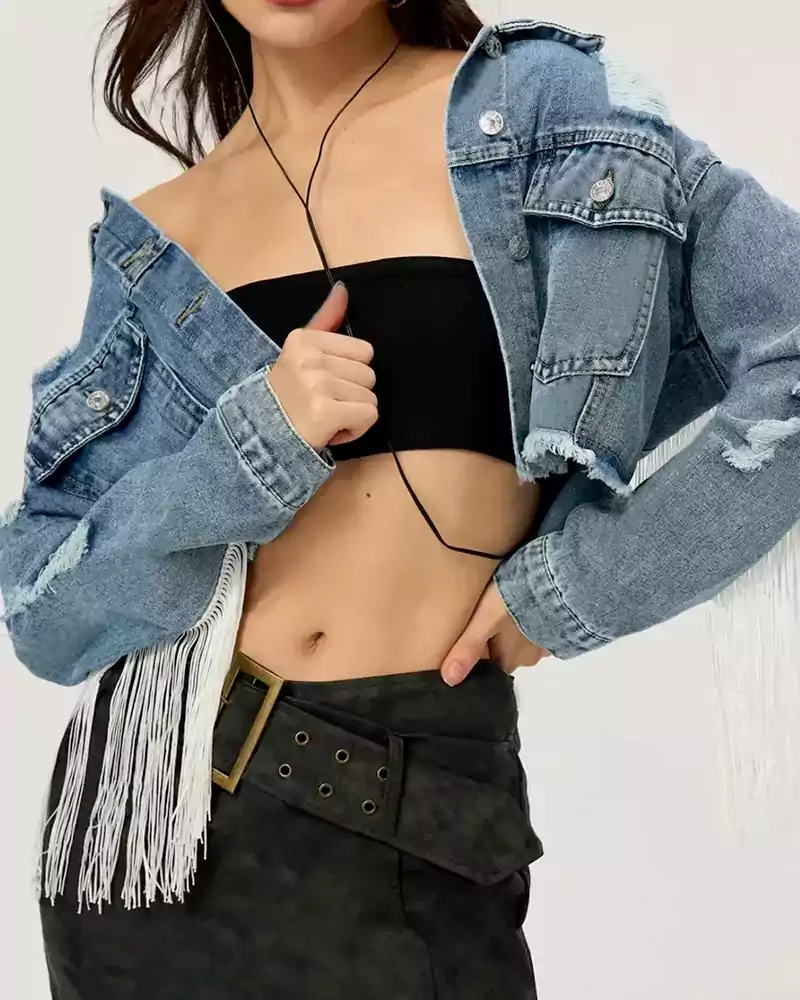
Vintage Custom Wax Denim Jacket with Custom Embroidery

Introduction: The Confluence of Patina and Personalization
Certain garments transcend utility. They accumulate memory. A vintage wax denim jacket, adorned with custom embroidery, belongs to this rarefied category. It is at once a protective shell and a narrative artifact—a garment that records the passage of time while declaring the identity of its wearer or the brand that conceived it. The convergence of waxed denim and bespoke embroidery produces an object of uncommon depth. This article examines the constituent elements of such a garment, from the chemistry of wax finishes to the intricacies of stitch engineering, and considers the manufacturing pathways that bring it to fruition.
Defining the Wax Denim Jacket
Waxed Cotton and Waxed Denim: A Clarification
Waxed cotton is a centuries-old fabric, historically associated with maritime and agricultural workwear. Waxed denim is its contemporary cousin—a cotton twill, typically woven with indigo-dyed warp yarns, impregnated with a wax-based compound. The distinction is subtle but consequential. Waxed denim retains the visual language of jeans while acquiring the weather resistance and tactile richness of waxed canvas.
The Historical Provenance of Waxed Garments
The practice of waxing fabric for water resistance dates to antiquity. Sailors in the eighteenth century treated canvas with linseed oil and later with paraffin. Fishermen and farmers adopted waxed jackets for their impermeability. The modern waxed denim jacket is an heir to this lineage, refracted through the lens of contemporary fashion.
The Aesthetic of Vintage: Engineering Deliberate Decay
The Philosophy of Wabi-Sabi in Apparel
Wabi-sabi, the Japanese aesthetic of imperfection and transience, finds expression in vintage-finished garments. A frayed cuff, a faded panel, a whisper of discoloration—these are not flaws but features. They evoke a history the garment did not earn through time but acquires through artifice. The vintage wax jacket is, paradoxically, a manufactured relic.
Vintage Finishing Versus Natural Aging
Natural aging produces unpredictable, organic wear patterns. Vintage finishing replicates these patterns through deliberate processes—sanding, abrasion, and chemical treatment. The goal is verisimilitude. A well-executed vintage finish mimics the stresses a garment would experience over years of use, compressing that timeline into days.
The Denim Substrate: Selecting the Foundation
Ounce Weight and Its Relationship to Wax Absorption
The weight of the denim determines how much wax it can absorb and how the finished garment behaves. Lightweight denim (8–10 ounces) becomes supple and pliable. Midweight (11–14 ounces) offers a balance of structure and comfort. Heavyweight denim (15 ounces and above) yields a rigid, armor-like garment that requires significant break-in. Each weight produces a different vintage character.
Indigo, Sulfur, and Ecru Bases
Indigo-dyed denim provides the classic blue canvas, with fades that reveal white yarns beneath. Sulfur-dyed denim produces deep blacks and greys that fade to charcoal. Ecru denim—undyed and natural—offers a blank slate for tinted waxes and embroidery. The base color influences every subsequent finish.
The Waxing Process: Chemistry and Craft
Paraffin, Beeswax, and Microcrystalline Blends
Wax formulations vary widely. Paraffin is economical and provides solid water resistance. Beeswax offers a warmer, more natural hand and a subtle honeyed aroma. Microcrystalline waxes enhance flexibility and adhesion. Most industrial formulations combine these components, adjusting ratios to achieve specific properties.
Immersion, Roller Application, and Spray Methods
Immersion submerges the garment or fabric in molten wax, ensuring thorough penetration. Roller application spreads wax across the surface under pressure, ideal for flat fabric before cutting. Spray methods deposit a fine, even coating and are often used post-construction for localized treatment. Each method influences the final texture and uniformity.
Curing, Drying, and the Role of Ambient Temperature
After application, the wax must cure. The garment is hung or laid flat in a controlled environment. Temperature and humidity affect crystallization and penetration. A slow cure yields a more uniform finish; rapid drying may produce tackiness or surface irregularities.
The Sensory Transformation of Waxed Denim
Hand Feel: From Supple to Rigid
Waxing transforms denim’s tactile character. Newly waxed denim feels firm, almost leathery. With wear, it softens and conforms to the body. This evolution is part of the garment’s appeal—a jacket that improves with use.
Aroma, Water Resistance, and Patina Development
Waxed garments possess a distinct, earthy scent. Water beads and rolls off the surface. Over time, the wax wears away in high-friction areas, creating a patina of lighter zones. This natural fading complements the engineered vintage finish.
Vintage Treatments Applied to Waxed Denim
Abrasion, Sanding, and Hand-Distressing
Artisans employ sandpaper, wire brushes, and grinding tools to wear away denim fibers. Edges and seams receive special attention. The goal is to simulate years of friction—elbows resting on tables, cuffs brushing against boots.
Whiskering, Honeycombs, and Crease Retention
Whiskering refers to the diagonal creases near the hips and pockets. Honeycombs are the hexagonal patterns behind the knees. On jackets, analogous effects appear at elbow bends and underarm seams. Resin treatments may fix these creases in place before washing.
Enzyme and Stone Finishing Before Waxing
Enzymes (cellulase) digest surface fibers, softening the denim and imparting a gentle fade. Pumice stones abrade the fabric mechanically. These treatments precede waxing, ensuring that the vintage character is embedded in the denim itself, not merely layered on top.
The Art and Science of Custom Embroidery
Digitizing: Translating Artwork into Stitch Data
Embroidery begins with digitizing—converting vector or raster artwork into a stitch file. The digitizer determines stitch types, directions, densities, and color sequences. A skilled digitizer anticipates how the design will behave on denim, compensating for its weight and texture.
Underlay, Density, and Pull Compensation
Underlay stitches stabilize the fabric beneath the visible embroidery. Density refers to stitches per unit area; excessive density puckers the fabric, while insufficient density leaves gaps. Pull compensation adjusts for the fabric’s tendency to draw in during stitching. These technical considerations determine whether an embroidered logo appears crisp or distorted.
Thread Selection for Embroidered Denim
Polyester, Rayon, and Cotton Threads Compared
Polyester thread is strong, colorfast, and resistant to abrasion—ideal for workwear-inspired garments. Rayon offers a lustrous sheen but is less durable. Cotton thread provides a matte, natural appearance that aligns with heritage aesthetics. The choice depends on the desired visual and functional outcome.
Colorfastness and Contrast Stitching
Embroidery on denim often employs contrasting thread colors—gold on indigo, white on black. These threads must resist fading and bleeding, particularly if the garment undergoes washing after embroidery.
Metallic and Specialty Threads
Metallic threads add glamour but are notoriously fragile. They require slower stitching speeds and specialized needles. Glow-in-the-dark, reflective, and variegated threads offer novel effects for brands seeking differentiation.
Embroidery Placement on a Waxed Jacket
The Back Panel as Narrative Space
The back panel is the largest uninterrupted surface on a denim jacket. It accommodates expansive designs—brand wordmarks, illustrative scenes, or intricate patterns. Placement must account for the yoke seam and the jacket’s drape.
Chest, Sleeve, and Yoke Embellishment
Chest embroidery offers subtle branding. Sleeve placements evoke military patches and varsity insignia. Yoke embroidery frames the shoulders and draws the eye upward.
Collar, Cuff, and Hem Detailing
Small embroidered accents on collars, cuffs, and hems reward close inspection. They signal craftsmanship and attention to detail, transforming a garment into a collectible.
Combining Embroidery with Wax: Technical Challenges
Stitching Through Waxed Fabric
Waxed denim is stiff and resistant to needle penetration. The wax can gum up needles and cause thread breakage. Slower stitching speeds and frequent needle changes mitigate these issues.
Needle Selection, Lubrication, and Heat Management
Sharp, titanium-coated needles penetrate waxed fabric cleanly. Lubricants reduce friction. Heat generated by the needle can melt the wax, leaving residue; intermittent stitching and cooling pauses prevent this.
Post-Embroidery Waxing and Re-Waxing
Embroidery may disrupt the wax coating. A post-embroidery waxing pass restores water resistance and visual uniformity. Alternatively, the embroidery may be left unwaxed to create a deliberate contrast.
Embellishment Beyond Embroidery
Leather Patches and Debossed Logos
A leather patch on the rear waistband or chest provides a tactile, premium accent. Debossing—impressing a logo into leather without ink—yields a subtle, sophisticated effect.
Chenille, Appliqué, and Mixed-Media Approaches
Chenille patches offer a fuzzy, dimensional texture reminiscent of varsity jackets. Appliqué involves stitching fabric shapes onto the jacket. Combining these with embroidery creates layered, textured compositions.
Metal Hardware and Custom Rivets
Custom buttons, rivets, and zipper pulls extend branding into the garment’s functional elements. Antiqued finishes complement the vintage aesthetic.
The Vintage Wash: Layering Finishes for Depth
Tint, Overdye, and Garment Dye
Tinting adds a subtle color cast—vintage blue, dusty olive, or sepia. Overdyeing applies color atop the finished garment, creating depth. Garment dyeing saturates the entire jacket, including threads and hardware, for a cohesive, worn-in look.
Localized Fading and Gradient Effects
Spray techniques and laser finishing create localized fading. Gradients from dark to light simulate sun exposure. These effects add visual complexity and reinforce the vintage narrative.
Designing for Longevity: Construction Considerations
Seam Types and Reinforcement
Flat-felled seams, chain-stitched hems, and bar-tacked stress points enhance durability. Reinforced pockets and plackets withstand daily use. A vintage jacket should look old but function like new.
Linings, Interfacings, and Thermal Comfort
Partial linings at the yoke and full linings for cold climates add comfort. Interfacings stabilize collars and plackets. The choice of lining material—cotton flannel, quilted nylon, or sherpa—affects warmth and drape.
Custom Labeling and Interior Branding
Woven Labels, Leather Patches, and Printed Tags
Interior labels declare the brand and provide care instructions. Woven labels offer a traditional appearance. Leather patches convey premium quality. Printed tags are economical and versatile.
Hidden Details and Collector Appeal
Hidden messages, numbered editions, and signed labels transform garments into collectibles. These details foster attachment and encourage repeat purchases.
Sampling and Prototyping the Vintage Wax Jacket
The Fit Sample and Silhouette Approval
The first sample establishes fit and silhouette. Measurements are verified against the size chart. Adjustments are made before proceeding.
The Finish Sample and Wash Standards
The finish sample demonstrates the vintage wash and wax treatment. It serves as the reference for bulk production. Photographs and physical standards ensure consistency.
The Embroidery Strike-Off
A strike-off is a test embroidery on the actual fabric. It reveals thread colors, density, and placement. Approving the strike-off prevents costly errors at scale.
Manufacturing at Scale: OEM and Private Label Pathways
Communicating Specifications Through Tech Packs
A comprehensive tech pack includes measurements, construction details, fabric specifications, wash standards, and embroidery files. Clarity prevents misinterpretation.
Managing Variance in Artisanal Finishes
Vintage finishing and waxing involve manual processes. Some variance is inevitable. Tolerances must be defined, and pre-production samples serve as benchmarks.
Quality Control for Waxed and Embroidered Garments
Stitch Integrity and Thread Tension Checks
Embroidery must be inspected for skipped stitches, loose threads, and puckering. Thread tension affects appearance and durability.
Wax Uniformity and Residue Assessment
Wax should be evenly distributed, with no clumps or bare patches. Residue on hardware or embroidery should be removed. Water-resistance tests verify performance.
Care, Maintenance, and Consumer Education
Re-Waxing Protocols and Product Longevity
Waxed garments require periodic re-waxing. Brands should provide instructions and, ideally, offer re-waxing services. This extends product life and reinforces brand loyalty.
Cleaning Caveats and Storage Recommendations
Waxed denim should not be machine washed. Spot cleaning with cold water and a soft brush is preferred. Storage in a cool, dry place prevents wax degradation and mildew.
Market Positioning and Consumer Appeal
Heritage, Workwear, and Luxury Crossover
The vintage wax denim jacket occupies a liminal space between workwear authenticity and luxury craftsmanship. It appeals to consumers who value both utility and exclusivity.
Storytelling as a Sales Instrument
Every vintage wax jacket carries a story—of wax, of wear, of embroidery. Brands that articulate this narrative effectively command premium prices and cultivate devotion.
Conclusion: The Heirloom Garment as Brand Manifesto
The vintage custom wax denim jacket is not a commodity. It is a manifesto rendered in cotton, wax, and thread. It declares that a brand values craft over convenience, permanence over disposability, and narrative over noise. For the manufacturer, it demands technical mastery across disparate disciplines—denim finishing, wax chemistry, embroidery engineering. For the brand, it offers a canvas for identity. For the consumer, it promises a garment that will outlast trends and accumulate meaning. In an era of ephemeral fashion, such an object is rare. It is also, for those who grasp its potential, profoundly valuable.