Don't miss our holiday offer - up to 50% OFF!

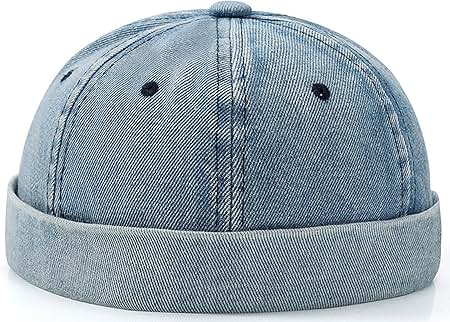
Custom Denim Beanie for Fashion Brand Merchandising

Introduction: The Beanie as Brand Artifact
In the hierarchy of branded merchandise, the beanie occupies a peculiar and privileged position. It is intimate, worn close to the head. It is visible, displayed prominently in photographs and daily life. It is affordable, accessible to a broad demographic. And it is remarkably effective as a vehicle for brand identity. When rendered in denim—that most enduring and expressive of fabrics—the beanie becomes more than mere accessory. It becomes a signature, a talisman, a portable declaration of allegiance to a brand’s ethos. For fashion labels seeking to extend their reach and deepen customer engagement, the custom denim beanie represents a strategic instrument worthy of serious consideration.
Defining the Custom Denim Beanie
Silhouette Variations: Cuffed, Slouchy, and Watch Cap
The denim beanie admits several silhouette interpretations. The cuffed beanie, with its folded brim, offers a classic, snug fit. The slouchy beanie drapes loosely at the back, projecting a relaxed, streetwear-inflected aesthetic. The watch cap, close-fitting and shallow, evokes military and maritime heritage. Each silhouette communicates a distinct attitude and suits different brand positionings.
Denim as an Unconventional Headwear Substrate
Denim is not a traditional headwear fabric. Its weight, rigidity, and lack of inherent stretch present challenges. Yet these very qualities differentiate the denim beanie from the ubiquitous acrylic and wool offerings that saturate the merchandise market. Denim brings texture, depth, and a rugged authenticity that resonates with consumers who value heritage and craft.
The Strategic Logic of Merchandising Headwear
Low Unit Cost, High Perceived Value
The economics of headwear merchandising are favorable. A denim beanie can be produced at a modest unit cost—often between five and fifteen dollars depending on fabric, construction, and decoration—yet retailed at thirty to sixty dollars. The margin structure supports profitability at modest volumes.
Impulse Purchase Dynamics and Attach Rates
Beanies are impulse purchases. They require no fitting room, no deliberation over size, no consideration of occasion. Placed near a checkout counter or displayed alongside a jacket, they attach to purchases with remarkable frequency. They function as add-ons that elevate average order value without demanding additional marketing investment.
Gateway Products and Brand Funnel Entry
For consumers unfamiliar with a brand, the beanie offers an accessible entry point. It requires less financial commitment than a jacket or pair of jeans. Once worn, it becomes a daily touchpoint, reinforcing brand awareness and potentially prompting future purchases of higher-priced items.
The Denim Advantage in Fashion Branding
Heritage Connotations and Material Authenticity
Denim carries connotations of durability, authenticity, and American workwear heritage. These associations transfer to the beanie, imbuing it with a weight and significance that synthetic alternatives lack. The denim beanie signals that a brand values materials with history.
Wash Consistency with Denim Apparel Lines
For brands that already produce denim jackets or jeans, a matching beanie extends the aesthetic narrative. Identical washes—indigo, stonewashed, black—create a cohesive collection. Consumers can assemble coordinated looks, deepening their engagement with the brand.
Cross-Gender and Cross-Demographic Appeal
The denim beanie is gender-neutral and age-agnostic. It appeals to men and women, to teenagers and adults. This breadth reduces inventory complexity and expands the addressable market.
Denim Fabric Selection for Headwear
Ounce Weight and Structural Integrity
Denim weight affects the beanie’s structure and drape. Lightweight denim (six to eight ounces) yields a soft, pliable beanie that conforms to the head. Midweight denim (nine to twelve ounces) offers more structure and durability. Heavyweight denim (above twelve ounces) produces a rigid, architectural silhouette but may prove uncomfortable for extended wear.
Stretch Content and Comfort Fit
Stretch denim, incorporating one to three percent elastane, enhances comfort and fit. The beanie must accommodate diverse head circumferences without binding or slipping. Stretch content allows a single size to fit a broader range, simplifying inventory.
Raw, Washed, and Distressed Finishes
Raw denim beanies offer a stiff, dark aesthetic that evolves with wear. Washed denim provides softness and color stability from the first wearing. Distressed finishes—fraying, abrasion, fading—convey a vintage, lived-in quality that aligns with streetwear and heritage aesthetics.
The Construction Anatomy of a Denim Beanie
Panel Architecture and Crown Shaping
Beanies are constructed from panels—typically four, six, or eight—sewn together to form a crown. The number of panels affects the beanie’s shape and the visibility of seams. A six-panel construction offers a rounded crown; a four-panel construction produces a more angular silhouette.
Seam Types and Interior Finishing
Seams must be durable and comfortable. Flat-felled seams enclose raw edges, preventing fraying and reducing bulk. Interior finishing—binding or overlocking—prevents irritation and extends garment life.
Lining Options: Fleece, Jersey, and Sherpa
Lining enhances warmth and comfort. Fleece lining provides insulation for cold climates. Jersey lining offers breathability for mild conditions. Sherpa lining delivers maximum warmth and a luxurious tactile experience.
Custom Logo Application Techniques
Embroidery: Front Patch, Cuff, and Crown Placements
Embroidery is the most common and prestigious branding method for beanies. Front patch embroidery places the logo on the front panel, visible to the wearer and observers. Cuff embroidery positions the logo on the folded brim. Crown embroidery, at the top, offers a subtle, less conventional placement.
Woven Labels and Leather Patches
Woven labels, stitched into seams or applied as patches, offer a refined branding touch. Leather patches, debossed or embossed with a logo, convey premium quality and heritage aesthetics.
Screen Printing and Heat Transfer
Screen printing on denim beanies is challenging due to the fabric’s texture and curvature. Heat transfer offers a more viable alternative, accommodating detailed graphics and photographic imagery.
Metal Hardware: Eyelets, Rivets, and Custom Tags
Metal eyelets, rivets, and custom tags add functional and decorative elements. A branded metal tag, attached to the cuff, provides a subtle branding moment.
Embroidery Engineering for Small Surfaces
Digitizing for Curved and Compressed Areas
Beanies present unique digitizing challenges. The surface is curved, and the fabric is often compressed during stitching. The digitizer must account for these factors, adjusting stitch angles and densities to ensure legibility and appearance.
Thread Density and Puckering Mitigation
Excessive thread density causes puckering, particularly on lightweight denim. Underlay stitches, appropriate densities, and pull compensation mitigate this risk.
Miniaturization of Logos Without Legibility Loss
Small logos require careful digitizing. Fine details may disappear. The digitizer must simplify where necessary, preserving the logo’s essential form while ensuring it remains legible at reduced scale.
Wash and Finish Treatments for Denim Beanies
Stonewash, Acid Wash, and Enzyme Finishing
Stonewashing softens denim and lightens color. Acid washing creates high-contrast patterns. Enzyme finishing provides a gentler, more uniform fade. Each treatment yields a distinct aesthetic.
Tinted and Overdyed Variants
Tinting adds a subtle color cast—grey, olive, sepia—to the denim. Overdyeing applies color atop the finished beanie, creating depth and uniqueness.
Distressing and Fraying as Design Features
Intentional distressing—frayed edges, abraded panels, visible repairs—transforms the beanie into a statement piece. These details suggest provenance and authenticity.
Color Strategy Across a Merchandise Range
Indigo, Black, and Ecru Foundations
Indigo is the archetypal denim color, evoking heritage and authenticity. Black denim offers a sleeker, more urban aesthetic. Ecru—undyed and natural—provides a neutral canvas for embroidery and printing.
Seasonal Color Injections
Seasonal colorways—rust, olive, mustard—refresh the range and generate renewed interest. These limited editions create urgency and encourage repeat purchases.
Coordination with Denim Jackets and Jeans
Matching washes between beanies, jackets, and jeans creates a cohesive collection. Consumers can assemble coordinated looks, deepening their engagement with the brand.
Sizing and Fit Considerations
One-Size-Fits-Most Versus Graded Sizing
One-size-fits-most simplifies inventory and reduces SKU complexity. However, fit may be compromised for extreme head sizes. Graded sizing—small/medium and large/extra-large—accommodates a broader range.
Circumference, Depth, and Stretch Allowance
Circumference determines fit. Depth determines coverage. Stretch allowance ensures comfort. These measurements must be specified precisely and verified through wear testing.
Inclusive Fit for Diverse Head Shapes
Head shapes vary. A beanie that fits one wearer perfectly may slip or bind on another. Inclusive design considers diverse head shapes and sizes, ensuring comfort for all.
Minimum Order Quantities and Sampling
Entry-Level MOQs for Emerging Brands
Some manufacturers offer low minimums—fifty to one hundred units—accommodating emerging brands. These arrangements carry higher per-unit costs but lower financial risk.
Sample Cycles and Approval Protocols
Sampling verifies fit, construction, and decoration. Multiple iterations may be required. Approval of the pre-production sample serves as the golden standard for bulk production.
Strike-Offs for Embroidery and Print
A strike-off is a test application on the actual garment fabric. It reveals thread colors, density, and placement. Approval prevents costly errors.
Supplier Selection and Vetting
Headwear Specialists Versus General Apparel Factories
Headwear specialists possess expertise in beanie construction, decoration, and finishing. General apparel factories may lack this specialization. The choice depends on the complexity of the design and the volume required.
Certifications and Ethical Sourcing
Certifications such as OEKO-TEX, GOTS, and BCI signal adherence to environmental and social standards. Ethical sourcing protects brand reputation and appeals to conscientious consumers.
Communication and Reliability Metrics
Response time, on-time delivery rate, and reorder rates indicate supplier health. A supplier who communicates promptly and delivers reliably is worth cultivating.
Costing and Margin Architecture
Unit Cost Components: Fabric, Labor, Decoration
The unit cost comprises fabric, labor, decoration, and overhead. Fabric typically accounts for thirty to fifty percent of the total. Decoration adds cost depending on complexity.
Volume Tiers and Breakpoints
Pricing follows volume tiers. Larger orders unlock lower per-unit costs. Understanding breakpoints allows brands to optimize order sizes.
Landed Cost and Retail Markup Potential
Landed cost includes freight, duties, and insurance. Retail markup potential is substantial—beanies often retail at three to five times landed cost.
Quality Control for Denim Headwear
Seam Strength and Stretch Recovery
Seams must withstand tension without failing. Stretch recovery ensures the beanie retains its shape after wear.
Colorfastness and Crocking
Indigo dyes may transfer to skin or hair. Colorfastness testing verifies that dyes remain stable. Crocking testing assesses transfer to other surfaces.
AQL Standards and Defect Classification
Acceptable Quality Limit standards define tolerable defect rates. Defects are classified as critical, major, or minor. Buyers should specify AQL levels in purchase agreements.
Packaging and Retail Presentation
Polybags, Hangtags, and Header Cards
Packaging protects the beanie and communicates brand values. Polybags, hangtags, and header cards should be specified according to retail requirements.
Retail-Ready Display and Planogram Considerations
Retailers may have specific display requirements. Understanding planograms and fixture dimensions ensures that packaging and presentation align with retail expectations.
Compliance Labeling for Export Markets
Export markets require specific labeling: fiber content, country of origin, care instructions. Non-compliance can result in customs seizures.
Merchandising Strategy and Placement
Impulse Bins, Counter Displays, and Endcaps
Placement drives sales. Impulse bins near checkout counters, counter displays, and endcaps maximize visibility and attach rates.
Bundling with Jackets and Jeans
Bundling beanies with jackets or jeans increases average order value and encourages coordinated purchasing.
Seasonal Drops and Limited Editions
Seasonal drops and limited editions create urgency and excitement. They encourage repeat visits and purchases.
Marketing the Custom Denim Beanie
Lifestyle Imagery and Styling
Imagery should depict the beanie in authentic contexts—urban streets, outdoor adventures, casual gatherings. Styling suggestions inspire consumers and demonstrate versatility.
Influencer Seeding and Community Engagement
Seeding beanies to influencers and community leaders generates authentic exposure. Engagement with niche communities builds trust and loyalty.
Storytelling Around Denim Heritage
Narratives around denim’s history—its origins, its evolution, its cultural significance—add depth and meaning to the product.
Collaborations and Co-Branding
Artist and Designer Capsules
Collaborations with artists and designers create unique, collectible pieces. These capsules generate excitement and attract new audiences.
Music, Sports, and Cultural Partnerships
Partnerships with musicians, athletes, and cultural figures align the brand with aspirational identities.
Limited Runs and Exclusivity Mechanics
Limited runs create scarcity and drive demand. Numbered editions and exclusive colorways enhance collectibility.
Sustainability and Ethical Production
Recycled and Organic Denim
Recycled cotton reduces waste. Organic cotton eliminates synthetic pesticides. These materials appeal to environmentally conscious consumers.
Low-Impact Dyeing and Finishing
Waterless dyeing, ozone treatment, and laser finishing reduce environmental impact. These methods align with sustainability commitments.
Circular Design and Take-Back Programs
Circular design considers a product’s entire lifecycle. Take-back programs encourage recycling and reinforce brand loyalty.
Common Pitfalls in Denim Beanie Production
Ignoring Stretch Recovery
Poor stretch recovery causes sagging and misshaping. Testing and specification prevent this issue.
Underestimating Embroidery Complexity
Small surfaces and curved shapes complicate embroidery. Digitizing expertise is essential.
Neglecting Reorder Consistency
A reorder may differ from the original order if materials or processes change. Retaining approved samples and specifying standards mitigates this risk.
The Future of Denim Headwear Merchandising
Digital Printing and On-Demand Production
Digital printing enables small batches and rapid customization. On-demand production eliminates inventory risk.
Smart Textiles and Functional Integration
Smart textiles—incorporating sensors, heating elements, or connectivity—offer novel functionality.
The Evolving Role of Merch as Community Signal
Merchandise increasingly functions as a signal of community membership. The denim beanie, worn daily, becomes a badge of identity.
Conclusion: The Beanie as Brand Signature
The custom denim beanie is not a trivial accessory. It is a strategic instrument for fashion brand merchandising. It carries the brand’s identity close to the wearer’s head. It appears in photographs, in daily life, in moments of personal significance. It offers favorable economics, broad appeal, and profound branding potential. For brands that recognize its value, the denim beanie becomes more than merchandise. It becomes a signature—a small but potent declaration of belonging.