Don't miss our holiday offer - up to 50% OFF!

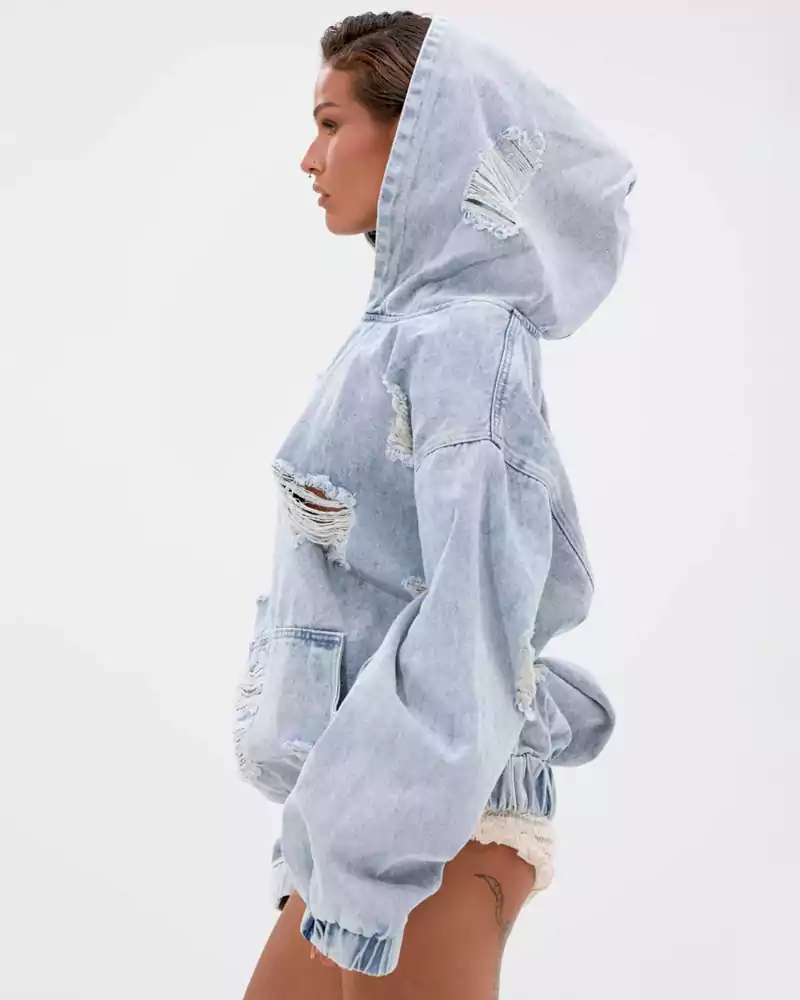
Denim manufacturer streetwear custom vintage wash

The Ascendance of Vintage Wash Denim Within the Streetwear Paradigm
Denim has long served as the connective tissue of the streetwear wardrobe. It is at once utilitarian and expressive, humble in origin yet boundless in its capacity for reinvention. In recent years, no single treatment has captured the imagination of the streetwear consumer quite like the vintage wash. This is not merely a finish. It is a narrative, a patina, a deliberate invocation of time’s passage. The manufacturers who master this craft occupy a rarefied position within the apparel supply chain. They are not simply producers of goods. They are custodians of an aesthetic language that speaks to authenticity, heritage, and the inexorable allure of the perfectly imperfect.
The Streetwear Consumer and the Quest for Sartorial Authenticity
The contemporary streetwear aficionado is a discerning individual. Such a person recoils from the anodyne and the mass-produced, gravitating instead toward garments that evince a palpable sense of history. A vintage wash satisfies this yearning. It suggests that a garment has lived, that it carries within its fibers the residue of experience. This is a potent proposition. Manufacturers who recognize this psychological undercurrent can tailor their offerings accordingly, imbuing each piece with the idiosyncratic character that the market now demands. The consumer is not merely purchasing denim. The consumer is purchasing a story.
Defining the Vintage Wash Aesthetic in Contemporary Denim
What precisely constitutes a vintage wash? The term eludes rigid definition, encompassing a spectrum of treatments designed to simulate the natural fading and wear that denim accrues over years of use. The aesthetic encompasses faded indigo, softened hand feel, and localized abrasion at points of stress. It is, in essence, a simulation of time itself. The most sophisticated manufacturers treat this simulation as an art form, calibrating every variable to produce a result that appears not manufactured but discovered. The result is denim that feels personal, even before it is worn.
The Denim Manufacturer as Arbiter of Streetwear Aesthetics
The manufacturer occupies a pivotal role in the streetwear ecosystem. This entity translates the creative vision of the brand into tangible product, and in doing so, exercises considerable influence over the final aesthetic. A manufacturer possessed of deep expertise in vintage washing can elevate a nascent brand to prominence. Conversely, a manufacturer lacking such expertise can consign a promising label to mediocrity. The relationship is therefore symbiotic and fraught with consequence. Brands would be wise to regard their manufacturing partners not as vendors but as collaborators in the creative enterprise.
Fabric Selection: The Foundation of a Superior Vintage Wash
Before a single drop of water or ounce of pumice stone touches the fabric, the groundwork for a successful vintage wash is laid. Fabric selection is the primordial decision, one that determines the parameters of what is achievable. A manufacturer who understands this will guide the brand toward fabrics that possess the requisite characteristics for the desired outcome. The wrong choice at this juncture cannot be rectified by even the most virtuosic washing technique.
Denim Weight and Its Impact on Streetwear Silhouettes
Denim weight, measured in ounces per square yard, exerts a profound influence on both the drape of the garment and its response to washing. Heavier weights, typically those exceeding twelve ounces, yield a structured silhouette and withstand aggressive washing with admirable fortitude. Lighter weights, by contrast, produce a softer, more fluid garment but may prove less resilient. For streetwear, the trend has favored substantial weights that confer a sense of permanence. The manufacturer must balance this preference against the practicalities of the intended wash.
Selvedge and Non-Selvedge Denim in Custom Production
Selvedge denim, woven on shuttle looms, carries an air of prestige. Its finished edge, the eponymous self-edge, is a hallmark of quality that resonates with the connoisseur. Yet selvedge denim presents challenges in custom production, particularly regarding width constraints and cost. Non-selvedge denim, woven on modern projectile looms, offers greater flexibility and economy. The choice between them is not merely technical but philosophical, reflecting the brand’s positioning within the market.
Cotton Provenance and Its Influence on Wash Outcomes
The origin of the cotton fiber itself plays a role in the final wash result. Long-staple cottons, such as those cultivated in the Nile Delta or the American Southwest, produce yarns of exceptional strength and uniformity. These fibers accept dye differently than their shorter-staple counterparts, yielding fades that are at once more gradual and more luminous. The manufacturer who sources cotton with intention can achieve vintage effects that are subtle, sophisticated, and enduring.
Ring-Spun Versus Open-End Yarn in Vintage Wash Denim
The method by which cotton is spun into yarn has significant implications for the vintage wash aesthetic. Ring-spun yarn, produced through a slower and more labor-intensive process, yields a fabric with a softer hand and a more irregular surface. This irregularity translates into fades of greater depth and complexity. Open-end yarn, produced more rapidly, yields a more uniform fabric. For vintage washes that aspire to authenticity, ring-spun yarn is often the preferred choice.
Indigo Dyeing Methodologies and Their Effect on Fading
Indigo is a temperamental dye. It clings to the surface of the cotton fiber rather than penetrating to the core, a property known as crocking. This characteristic is precisely what enables the fading that defines vintage denim. The method of indigo application, whether through rope dyeing, slasher dyeing, or other techniques, determines the depth of color and the nature of the fade. A manufacturer adept in these methodologies can orchestrate fades that are at once dramatic and natural.
The Alchemy of Vintage Wash Techniques
With the fabric prepared, the manufacturer turns to the transformative processes that constitute the vintage wash proper. These techniques, ranging from the mechanical to the chemical, are employed singly or in combination to achieve the desired effect. The mastery of this alchemy distinguishes the exceptional manufacturer from the merely competent. It is a domain in which science and artistry converge.
Stone Washing: The Classical Approach to Worn-In Character
Stone washing, the progenitor of modern vintage wash techniques, involves the agitation of denim with pumice stones in large industrial washing machines. The abrasive action of the stones physically abrades the fabric, removing surface indigo and softening the hand. The result is a garment that appears to have been worn for years. The technique is venerable but not without drawbacks, including potential damage to the fabric and the environmental burden of stone disposal.
Acid Washing and the Pursuit of High-Contrast Patternation
Acid washing, despite its nomenclature, does not involve acid in the conventional sense. Rather, it employs a chlorine solution applied to the denim, often in conjunction with pumice stones, to create striking areas of high contrast. The effect is bold and unmistakable, characterized by sharp delineations between the faded and unfaded regions. For streetwear brands seeking a dramatic visual statement, acid washing remains a potent tool in the manufacturer’s repertoire.
Enzyme Washing for Tactile Softness and Gentle Color Attenuation
Enzyme washing represents a more refined approach to achieving vintage character. Cellulase enzymes, derived from microbial sources, selectively attack the cellulose fibers of the cotton, resulting in a gentle fading and a remarkably soft hand. The process is more controllable than stone washing and produces less environmental waste. For denim that must feel luxurious against the skin while evincing a subtle vintage patina, enzyme washing is an exemplary choice.
Bleach Washing and the Creation of Bold Lightened Effects
Bleach washing, employing sodium hypochlorite or similar agents, lightens the indigo to varying degrees, from a gentle sun-faded hue to an almost white expanse. The technique is versatile and relatively economical. However, it demands careful monitoring, as excessive exposure can degrade the cotton fibers and compromise the garment’s integrity. The manufacturer must exercise judicious control to achieve the desired lightness without sacrificing durability.
Sandblasting and Hand Sanding for Targeted Abrasion
Sandblasting, a technique in which fine sand is propelled at high velocity against the denim, creates localized areas of extreme fading. Hand sanding, a more artisanal approach, employs abrasive materials to achieve similar effects with greater precision. Both techniques are used to simulate the wear patterns that develop naturally at the knees, thighs, and seat. The health and safety implications of sandblasting, however, have led many manufacturers to adopt alternative methods.
Ozone Washing as an Environmentally Considered Alternative
Ozone washing harnesses the oxidative power of ozone gas to fade denim without the use of water or harsh chemicals. The process is markedly more sustainable than conventional washing techniques, reducing both water consumption and effluent discharge. For brands that prioritize environmental responsibility, ozone washing offers a compelling solution. The aesthetic results are comparable to those achieved through traditional methods, though the technique requires specialized equipment.
Laser Technology and Precision in Replicating Wear Patterns
Laser technology has revolutionized the vintage wash industry. By employing computer-controlled lasers, manufacturers can etch precise wear patterns onto denim with astonishing accuracy and reproducibility. The technique eliminates the need for manual sanding or chemical application, reducing labor costs and environmental impact. Moreover, it enables the replication of intricate designs that would be impossible to achieve by hand. The laser has become an indispensable instrument in the modern denim manufactory.
The Art of Whiskering, Chevroning, and Honeycombing
Whiskering refers to the fan-shaped creases that radiate from the crotch area of a well-worn pair of jeans. Chevroning describes the V-shaped patterns that form at the back of the knees. Honeycombing, meanwhile, denotes the hexagonal wear patterns that emerge on the seat and thighs. These details are the signatures of authentic wear, and manufacturers employ a variety of techniques to replicate them, including hand sanding, laser etching, and resin application.
Potassium Permanganate and Localized Color Removal
Potassium permanganate, a powerful oxidizing agent, is applied to denim to remove indigo from specific areas, creating sharp, localized fades. The chemical is typically sprayed or brushed onto the fabric, and its action is halted through the application of a neutralizing solution. The technique is favored for its precision and the striking contrast it produces. However, it requires careful handling due to its hazardous nature.
Resin Treatments for Shape Retention and Vintage Character
Resin treatments serve a dual purpose. They confer shape retention, ensuring that the garment maintains its intended silhouette through repeated wear and washing. Additionally, they can be employed to create permanent creases and wrinkles that mimic the effects of natural wear. The application of resins is a delicate operation, as excessive quantities can render the denim stiff and unyielding. When executed with finesse, however, resin treatments enhance both the form and the character of the garment.
Achieving Sun-Faded and Marbled Effects Through Specialized Processing
The sun-faded aesthetic evokes the languid days of summer, when denim is bleached by the sun’s rays. Manufacturers replicate this effect through controlled exposure to light or through chemical treatments that simulate photodegradation. Marbled effects, characterized by irregular, swirling patterns of light and dark, are achieved through the application of chemicals in a manner that produces unpredictable yet captivating results. These techniques demand a high degree of skill and a willingness to embrace serendipity.
The Critical Role of Sampling and Prototyping
No vintage wash program can proceed without rigorous sampling and prototyping. This phase allows the manufacturer and the brand to explore the possibilities of the fabric and the techniques, refining the design until it meets the creative vision. Sampling is an iterative process, often requiring multiple rounds of washing and evaluation. It is a period of experimentation and discovery, and its importance cannot be overstated.
Developing Wash Standards and Reference Samples
Once a wash has been approved, the manufacturer must develop standards and reference samples to ensure consistency across production runs. These samples serve as the benchmark against which all subsequent garments are measured. The development of such standards requires meticulous documentation and a robust quality control system. Without them, the risk of variation between production lots increases, potentially undermining the brand’s reputation for quality.
Garment Dyeing and Overdyeing for Nuanced Vintage Aesthetics
Garment dyeing and overdyeing offer additional avenues for achieving vintage aesthetics. Garment dyeing involves dyeing the finished garment rather than the fabric, resulting in a softer, more relaxed color. Overdyeing, in which a garment is dyed over an existing color, can produce complex, layered hues that evoke the passage of time. These techniques expand the manufacturer’s palette and enable the creation of denim that is truly distinctive.
Hardware, Rivets, and Buttons in Vintage-Inspired Denim
The hardware adorning a pair of denim jeans—the rivets, buttons, and zippers—contributes significantly to its overall aesthetic. For vintage-inspired denim, hardware is often selected to appear aged or tarnished, complementing the washed fabric. Manufacturers may offer a range of finishes, from antique copper to distressed nickel, allowing brands to customize this often-overlooked detail.
Labeling, Branding, and Custom Trim Options
Labels and trims are the final touches that transform a garment into a branded product. Leather patches, woven labels, and custom buttons all serve to communicate the brand’s identity. For vintage-inspired denim, these elements are often designed to appear weathered or retro, reinforcing the aesthetic. Manufacturers who offer comprehensive branding services can streamline the production process for their brand partners.
Quality Control Protocols for Wash Consistency
Quality control is paramount in vintage wash production. Given the multitude of variables involved—fabric, chemicals, machinery, and human intervention—the potential for variation is considerable. Robust quality control protocols, including regular inspections and testing, are essential to ensure that each garment meets the established standards. The manufacturer’s commitment to quality control is a reflection of its professionalism and its respect for the brand’s vision.
Managing Lead Times for Seasonal Streetwear Drops
The streetwear market operates on a rhythm of seasonal drops and limited releases. Manufacturers must therefore manage lead times with precision, ensuring that production is completed in time for the brand’s launch schedule. Delays can be catastrophic, resulting in missed opportunities and eroded consumer interest. Effective supply chain management and transparent communication are essential to meeting these demands.
Navigating Minimum Order Quantities
Minimum order quantities, or MOQs, present a significant consideration for emerging brands. Many manufacturers require substantial minimums to justify the setup costs associated with custom vintage washes. Brands must therefore balance their production ambitions against their financial resources. Some manufacturers offer flexible MOQs or tiered pricing structures to accommodate brands at different stages of growth.
Costing Structures and Pricing Models
The cost of custom vintage wash denim reflects the complexity of the processes involved. Manufacturers may structure their pricing based on fabric cost, washing cost, labor, and overhead. Brands must understand these cost drivers to negotiate effectively and to price their products appropriately. Transparency in costing is a hallmark of a trustworthy manufacturing partner.
Sustainable Practices and Ethical Considerations
The denim industry has long been associated with environmental degradation, from water pollution to excessive energy consumption. However, a growing number of manufacturers are embracing sustainable practices, including water recycling, ozone washing, and the use of organic cotton. Ethical considerations, such as fair labor practices and safe working conditions, are also gaining prominence. Brands that prioritize sustainability can partner with manufacturers who share their values, creating denim that is beautiful, responsible, and resonant with the modern consumer.
The Future of Denim Manufacturing and Streetwear Culture
The future of denim manufacturing is being written in real time. Automation, digitalization, and sustainable innovation are reshaping the industry. At the same time, the streetwear consumer’s appetite for vintage-inspired denim shows no sign of abating. Manufacturers who can harmonize technological advancement with artisanal sensibility will be well-positioned to thrive. The collaboration between manufacturer and brand will become ever more intimate, ever more creative. And the vintage wash, in all its myriad permutations, will remain a central expression of the streetwear ethos—a celebration of imperfection, of history, of the singular beauty that emerges when denim is allowed to age with grace.