Don't miss our holiday offer - up to 50% OFF!

Can You Iron Denim? A Complete Guide to a Crisp, Polished Look

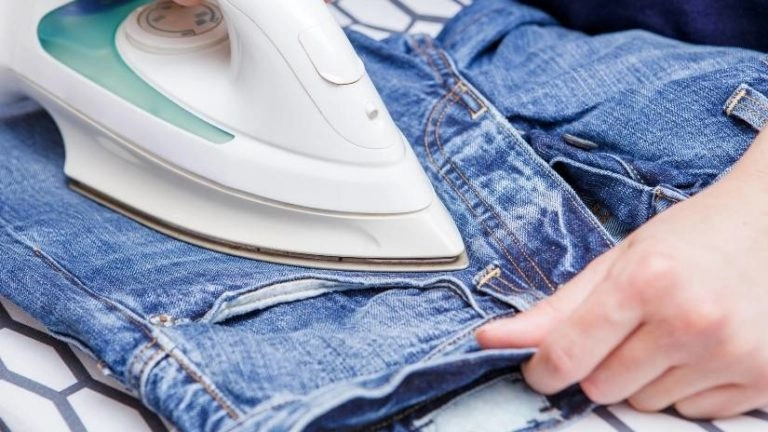
The simple question, “Can you iron denim?” is one that pops into the minds of many, from someone preparing for a job interview to a fashion enthusiast looking to maintain their favorite jeans. The short and definitive answer is yes, you absolutely can iron denim. In fact, learning how to iron denim properly is a cornerstone of garment care that can elevate your look from casually rumpled to sharp and intentional.
However, not all denim is created equal. The process requires a nuanced approach depending on the weight, color, and finish of the fabric. Ironing your favorite pair of 100% cotton raw denim jeans is very different from pressing a delicate, dark-wash denim jacket. This comprehensive guide will walk you through everything you need to know to master the art of ironing denim, ensuring you get a crisp, professional finish every time without damaging your garments.
Why Iron Denim? The Benefits of a Pressed Look
While some prefer the “lived-in” wrinkled look for casual outings, there are undeniable benefits to ironing denim:
- A Polished Appearance: Ironed denim looks deliberate and tidy. It’s the difference between looking like you just rolled out of bed and looking like you’ve put thought into your outfit. This is crucial for business-casual settings or any event where you want to make a good impression.
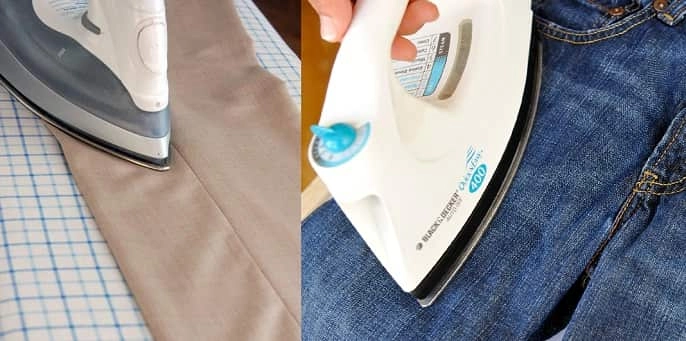
- Defined Creases: A sharp crease down the front of your jeans or denim trousers can add a touch of sophistication and structure, making your legs look longer and your silhouette cleaner.
- Removing Stubborn Wrinkles: After being folded in a drawer or tumbled in a dryer, denim can hold onto deep-set wrinkles. Ironing is the most effective way to smooth these out completely.
- Prepping for Alterations: If you need to hem your jeans or make any other alterations, pressing the fabric first is a non-negotiable step for achieving clean, professional-looking seams.
The Step-by-Step Guide to Ironing Denim Safely
Follow these steps to ensure you iron your denim effectively while preserving its color and integrity.
1. Check the Care Label:
This is your first and most important step. The care label will provide specific instructions from the manufacturer. Look for any warnings about high heat or steam.
2. Prep Your Denim:
- Slight Dampness is Key: Denim responds best to heat when it’s slightly damp. You can achieve this by either ironing the jeans immediately after a wash while they are still damp, or by using a spray bottle to mist them lightly with water before ironing.
- Turn Inside Out (Crucial for Dark Denim): To prevent shiny, iron-shaped marks and to protect dark indigo dyes from fading or developing shiny streaks, always turn dark-wash or colored denim inside out. This is the single best practice for maintaining the finish of your jeans.
3. Set Up Your Ironing Station:
Use a sturdy ironing board. Ensure your iron is clean and filled with distilled water if you’re using the steam function.
4. Select the Right Iron Temperature:
Denim is a durable, twill-weave cotton fabric, so it can handle more heat than delicate materials.
- For 100% Cotton Denim: Use a high heat setting (like the “Cotton” setting on your iron).
- For Denim with Stretch (Blends with Elastane/Spandex/Lycra): Use a medium heat setting. High heat can damage the elastic fibers, causing them to lose their stretch over time.
- General Rule: When in doubt, start with a lower temperature and increase if necessary.
5. The Ironing Technique:
- Use Steam Generously: Steam is your best friend when ironing denim. It helps relax the tough cotton fibers and smooth out wrinkles quickly. If your iron has a powerful steam function or a “steam burst” button, use it on particularly stubborn creases.
- Keep the Iron Moving: Never let the iron sit in one spot for too long. Use a slow, steady, gliding motion to cover the fabric. Lingering in one area can scorch the denim.
- Focus on Key Areas: Pay special attention to the pockets, the fly, the waistband, and the areas behind the knees, as these are wrinkle-prone. For a sharp crease, fold the leg along the natural seam and press along that line.
6. Hang Immediately:
Once you’ve finished ironing, hang the denim item on a sturdy, shaped hanger (for jackets) or by the waistband (for jeans). This allows any residual heat and moisture to dissipate and prevents new wrinkles from forming.
Real-World Case Studies: Ironing Different Types of Denim
Let’s look at how these principles apply to specific, real-life scenarios.
Case Study 1: The Job Interview Jeans
- Scenario: Sarah has a business-casual interview and wants to wear her favorite pair of dark, non-distressed, straight-leg jeans with a blazer. They are clean but have deep wrinkles from being stored in a drawer.
- Application: Sarah turns the jeans inside out to protect the dark dye. She sets her iron to a high heat (as they are 100% cotton) with full steam. She mists a few stubborn wrinkles lightly with water and uses a gliding motion to press them smooth. She creates a sharp crease down the front of each leg for a polished, trouser-like effect. The result is a pair of jeans that look sophisticated and appropriate for the occasion.
Case Study 2: The Vintage Levi’s Jacket
- Scenario: Mark owns a cherished light-wash vintage Levi’s trucker jacket. It’s developed wrinkles from storage but he’s worried about damaging the vintage fabric or creating a shiny spot with the iron.
- Application: Mark turns the jacket inside out. He tests the iron on a low heat setting on a small, inconspicuous area (like the inside of a pocket) first. He then uses a medium heat with steam, constantly moving the iron. For extra precaution, he places a thin, clean cotton cloth (like a tea towel or a pressing cloth) between the iron and the jacket. This provides a protective barrier, ensuring the vintage denim is pressed safely without any direct heat contact.
Case Study 3: Stretchy “Jeggings”
- Scenario: Alex has a pair of black denim jeggings with a 90% cotton/10% elastane blend. They are wrinkled but Alex knows high heat can ruin the stretch.
- Application: Alex turns them inside out to prevent shine. The key here is to use a medium or low heat setting to avoid melting the elastane fibers. Steam is used to help relax the wrinkles without needing excessive heat pressure. The lower temperature protects the integrity of the stretch blend, allowing the jeggings to be smoothed out while retaining their shape.
What to Avoid: Common Ironing Mistakes
- Ironing Over Dirt or Stains: Heat can set stains permanently. Always ensure your denim is clean before ironing.
- Using a Dirty Iron: Residue on the soleplate of your iron can transfer onto your light-colored denim. Keep it clean.
- Applying High Heat to Wet Fabric: On very damp fabric, high heat can cause water to boil, potentially leaving water marks or even slightly bleaching the area.
- Ironing Directly on Decorative Elements: Never iron directly over rhinestones, printed designs, or embroidered patches. Turn the garment inside out or place a thick towel over the design and iron around it.
So, can you iron denim? Absolutely. It’s a simple yet powerful skill that extends the life of your garments and elevates your personal style. By understanding your denim’s composition and following these tailored steps, you can confidently banish wrinkles and achieve a crisp, clean, and professional look every time.