Don't miss our holiday offer - up to 50% OFF!

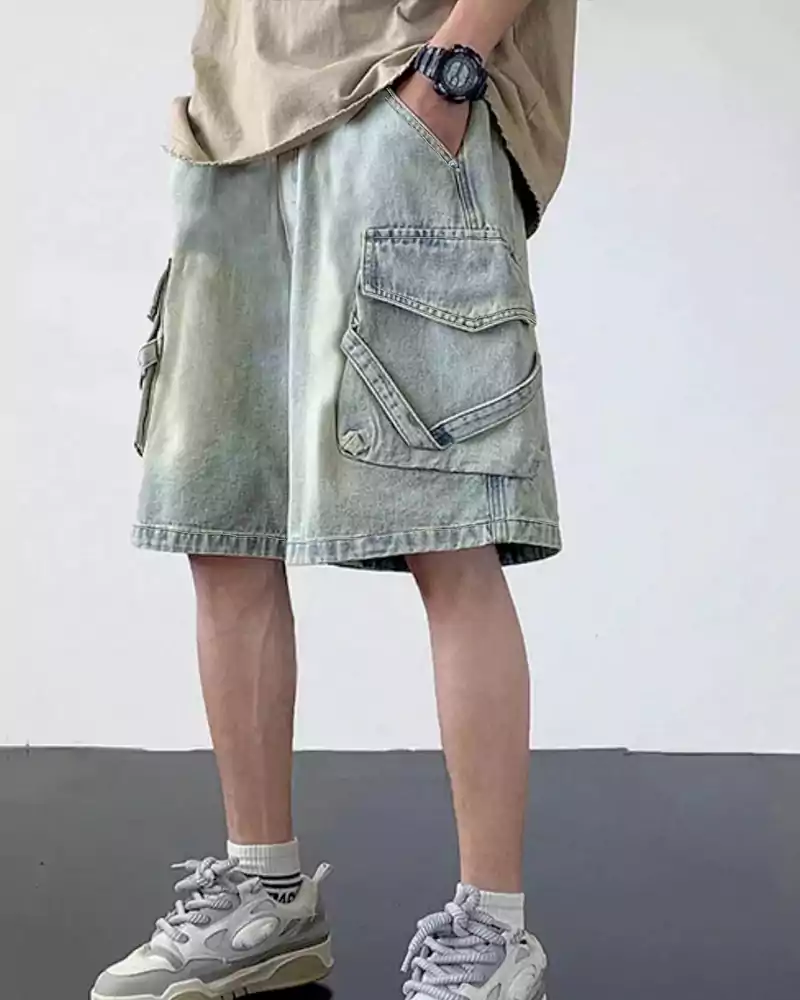
Custom Denim Development: From Tech Pack To Finished Product

In the dynamic world of fashion, denim stands as a perennial symbol of style, durability, and self-expression. For brands seeking to carve out a unique identity, off-the-shelf denim is no longer sufficient. The journey of creating distinctive, high-quality custom denim is a meticulous process that bridges creative vision and technical precision. It transforms a concept into a tangible product that resonates with consumers. This comprehensive guide delves into the critical stages of custom denim development, demonstrating the expertise required to navigate from a initial tech pack to the final, market-ready garment. For brands aiming for excellence, partnering with an experienced manufacturer is not just an option; it’s a strategic imperative.
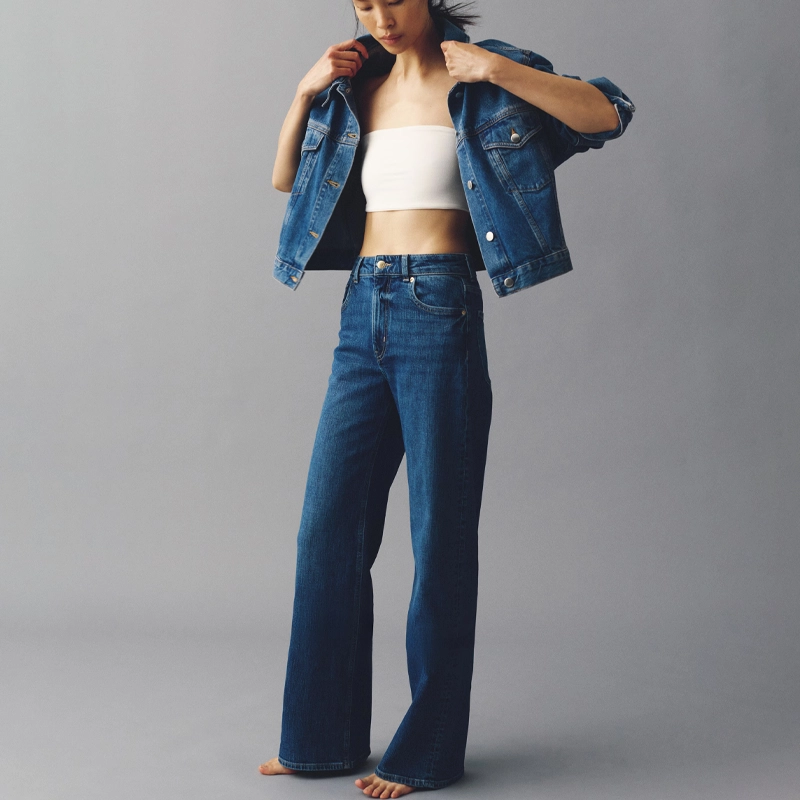
I. The Foundation: Understanding the Tech Pack
The genesis of any custom denim product is the Tech Pack. Far more than a simple sketch, it is the definitive blueprint, the contract between design idea and physical reality. A comprehensive tech pack eliminates ambiguity, ensuring every stakeholder shares the same vision.
A. Key Components of a Denim Tech Pack:
- Technical Flats & Design Sketches: Detailed, scaled drawings from multiple angles (front, back, side) showcasing seam construction, pocket placement, yoke design, and overall silhouette.
- Bill of Materials (BOM): A meticulous list of every component: fabric (weight, composition, weave), thread, buttons, rivets, zippers, labels, wash care labels, and any trims. Specifying denim fabric is particularly crucial—will it be ring-spun or open-end? What is the oz/sq. yd weight (e.g., 12oz for lightweight, 14-15oz for mid-weight, or over 16oz for heavyweight)? Is there stretch (and if so, what percentage of elastane)?
- Construction Details: Stitch-per-inch (SPI) specifications for different seams (e.g., 8-10 SPI for heavy seams, 12-14 for topstitching), seam types (flat-felled, overlooked, French seam), and hardware attachment methods.
- Grade Rules & Size Specs: Precise measurement charts for every size in the range, showing tolerances for each point (e.g., waist, rise, thigh, knee, leg opening, inseam). Grade rules dictate how these measurements increment between sizes.
- Color & Wash Instructions: For denim, this is paramount. It includes Pantone codes for thread and potentially fabric, but most critically, detailed descriptions of the desired wash effect—from a dark rinse to a light stonewash, whiskers, hand-sanding, or innovative eco-friendly laser treatments.
II. The Development Workflow: A Stage-by-Stage Process
Turning the tech pack into a finished product is a sequential, collaborative process requiring constant communication and quality checks.
A. Fabric Sourcing and Development:
This is the soul of the garment. Based on the BOM, manufacturers either source from trusted mills or develop custom fabric. For custom denim, this can involve creating unique slubs, neps, or tonal variations in the yarn. Discussions revolve around fiber origin (e.g., Turkish or Egyptian cotton), dyeing techniques (rope dyeing vs. slasher dyeing for authentic selvage-like fades), and finishing processes (sanforization for shrinkage control).
B. Proto Sample Development:
The first physical sample, or proto sample, is created using preliminary fabric and trims. The goal is not perfection but to check the overall fit, silhouette, and proportions against the tech pack design. This stage is for assessing the “look and feel.” Feedback from this sample leads to adjustments in pattern or construction.
C. Fit Sample and Pattern Engineering:
Using the corrected proto, a fit sample is made in a base size (typically Medium). This sample undergoes a formal fit session, often on a live model or a standard mannequin. Pattern engineers meticulously adjust the paper pattern to achieve the desired fit—ensuring comfort, mobility, and the intended aesthetic. Multiple fit rounds may be necessary to perfect the pattern.
D. Wash Development & Approval:
Concurrent with fit, wash development is critical for denim. Small fabric swatches or mock garments are treated in the laundry with different combinations of enzymes, stones, pumice, ozone, and manual techniques. The manufacturer submits wash samples to the brand for approval. Achieving the exact shade, contrast, and hand-feel (softness) may require several iterations.
E. Pre-Production (PP) Sample:
This is the final sign-off sample. It is made with the exact approved fabric, trims, washes, and corrected patterns. The PP sample represents the gold standard—every aspect of it is what the bulk production should replicate. Approval of the PP sample authorizes the factory to commence mass production.
F. Production Planning & Launch:
With PP approval, the factory scales up. This involves:
- Fabric and Trim Bulk Ordering: Ensuring all materials meet specifications and are available on schedule.
- Production Line Setup: Spreading and cutting fabric using optimized markers to minimize waste, organizing assembly lines, and calibrating washhouse equipment.
- Quality Control Integration: Establishing checkpoints (in-process quality control) throughout cutting, sewing, and washing.
G. Bulk Production & Quality Assurance:
The manufacturing process begins in earnest. Modern production combines skilled tailoring with efficient assembly lines. For denim, key stages include:
- Cutting: Precise cutting of multiple fabric plies.
- Sewing: Assembly by specialized operators (pocket setters, leg seamers, etc.), emphasizing consistent, high-quality stitch work, especially on prominent topstitching.
- Washing & Finishing: Garments are washed in bulk to achieve the approved effect, then dried, pressed, and inspected.
- Final Inspection: A rigorous final random inspection (based on AQL standards) checks for defects in construction, sizing, wash consistency, and hardware before packaging.
III. The Critical Role of the Manufacturing Partner
The complexity of custom denim development underscores why the choice of manufacturer is a make-or-break decision for brands. A true partner does more than just sew; they provide:
- Technical Expertise: Translating creative designs into manufacturable products, advising on feasible constructions, cost-saving alterations, and industry best practices.
- Material Knowledge: Deep connections with mills and trim suppliers, ensuring quality and ethical sourcing.
- Quality Management: A proactive, embedded QC culture that prevents defects rather than just finding them post-production.
- Transparency & Communication: Regular updates, sample tracking, and clear costing breakdowns.
- Innovation Capability: Offering insights into sustainable practices (like laser finishing or eco-friendly washes), new fabric technologies, and efficient production techniques.
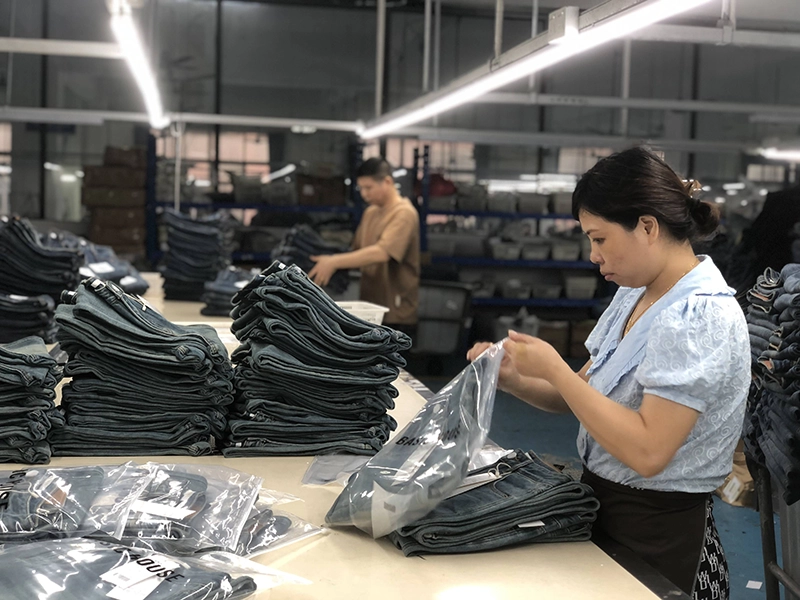
Why Choose ZENITH CLOTHING as Your Denim Development Partner?
At ZENITH CLOTHING, we are not just a factory; we are your dedicated apparel production partner. With years of specialized experience in premium denim manufacturing, we possess the full spectrum of capabilities outlined in this guide. Our in-house teams—from pattern engineers and wash technicians to quality assurance specialists—work in seamless collaboration to bring your custom denim vision to life.
We pride ourselves on mastering the journey From Tech Pack to Finished Product. We understand that your brand’s reputation is stitched into every seam and faded in every wash. Our process is built on transparency, relentless attention to detail, and a commitment to quality that ensures your custom denim not only meets but exceeds expectations.
From developing unique fabric compositions and intricate wash designs to executing flawless construction, ZENITH CLOTHING provides end-to-end solutions. We empower brands to innovate with confidence, ensuring that every pair of jeans tells your unique story.
Let us craft the denim that will define your collection.