Don't miss our holiday offer - up to 50% OFF!

Custom denim manufacturer

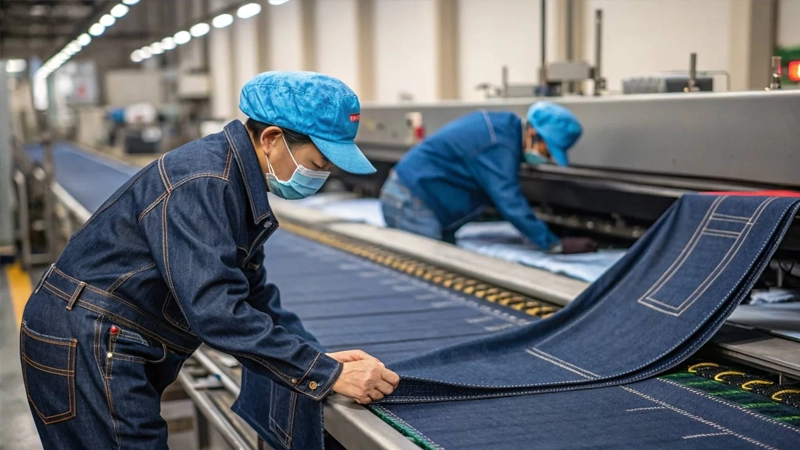
Denim is more than just a fabric; it is a cultural icon, a wardrobe staple, and a blank canvas for self-expression. For brands, designers, and entrepreneurs looking to launch or scale their own denim line, partnering with the right custom denim manufacturer is the single most critical decision they will make. Custom denim manufacturing goes beyond off-the-rack sourcing—it involves tailored fits, unique washes, specific fabric blends, and personalized branding details that set a product apart in a competitive market. This article explores every facet of custom denim production, from fabric selection to finishing touches, and demonstrates why ZENITH CLOTHING stands as a trusted, experienced, and dedicated apparel manufacturer in this specialized field.
Chapter 1: Understanding Custom Denim Manufacturing
1.1 What Is Custom Denim Manufacturing?
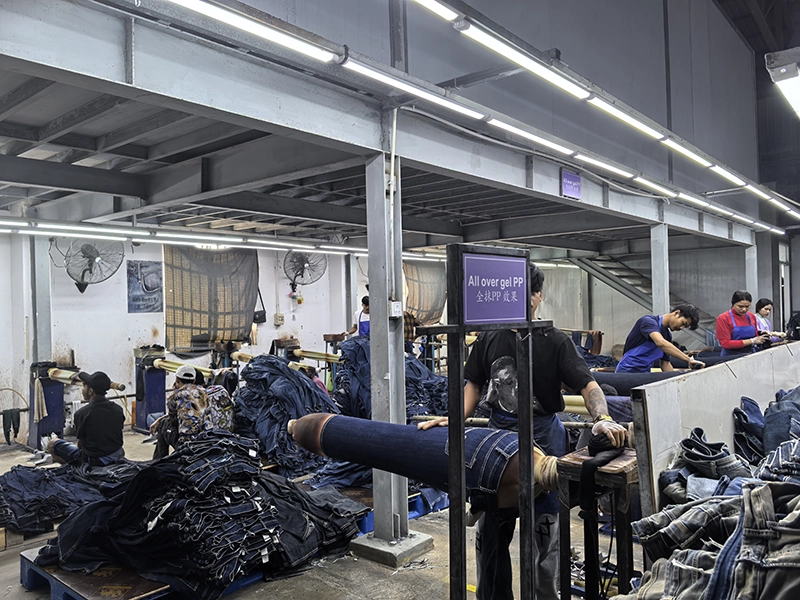
Custom denim manufacturing refers to the process of producing jeans, jackets, shorts, and other denim garments according to a buyer’s unique specifications. Unlike ready-made wholesale denim, custom manufacturing allows clients to control every variable: fit, silhouette, fabric weight, hardware, stitching color, wash effects, and branding elements such as labels and rivets.
1.2 Why Brands Choose Custom Denim
The fashion industry thrives on differentiation. Mass-produced denim often lacks character and fails to meet the specific needs of niche markets. Custom denim enables brands to:
- Create signature fits that resonate with their target audience.
- Develop exclusive wash treatments (e.g., stone wash, acid wash, enzyme wash).
- Incorporate sustainable or premium materials.
- Add branded hardware and patches for authenticity.
- Control inventory by producing small to medium batches (MOQs as low as 100–200 pieces per style).
1.3 Key Capabilities of a Professional Denim Manufacturer
A competent custom denim manufacturer must offer:
- In-house pattern making and grading.
- Sampling services (prototype development).
- Sourcing of high-quality raw denim from mills in Japan, Italy, Turkey, or China.
- Washing and finishing facilities.
- Quality control at every stage.
- Transparent production timelines.
Chapter 2: The Custom Denim Production Process
2.1 Concept and Design Development
The journey begins with a design brief. Clients provide sketches, reference samples, or technical flat drawings. The manufacturer’s design team translates these ideas into production-ready specifications, including measurements, seam types, pocket placements, and hardware locations.
2.2 Fabric and Material Selection
Denim is defined by its weave, weight, and composition. Common options include:
- 100% cotton rigid denim – Classic, raw, and prone to natural fading.
- Stretch denim (1–3% elastane) – Offers comfort and shape retention.
- Selvedge denim – Premium narrow-width fabric with self-finished edges.
- Recycled or organic cotton denim – For eco-conscious brands.
Fabric weight ranges from 5 oz (light summer jeans) to 14 oz (heavy-duty workwear).
2.3 Pattern Making and Grading
Once the design and fabric are confirmed, a pattern is created. A sample (prototype) is sewn using the chosen fabric. After client approval, the pattern is graded into all required sizes (e.g., 28–40 waist).
2.4 Cutting and Sewing
Precision cutting is done manually or via CNC machines. Skilled operators assemble the garment using specialized denim machinery: chainstitch machines for hems, felling machines for inseams, and buttonholers for fly fronts.
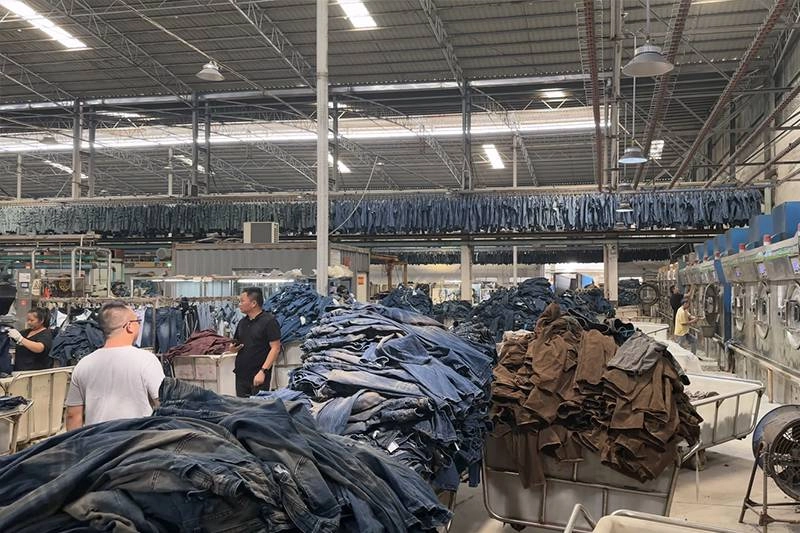
2.5 Washing and Finishing (The Heart of Denim)
Raw denim is stiff and dark. Washing transforms it. Common finishes include:
- Rinse wash – Removes starch without fading.
- Stone wash – Pumice stones create abrasion.
- Enzyme wash – Softer, eco-friendlier alternative to stone.
- Bleach or acid wash – High-contrast, vintage look.
- Whiskering and hand sanding – Artificial wear patterns.
- Resin or coating – For structured, shiny effects.
2.6 Branding and Hardware
Buttons, rivets, zippers, leather patches, and woven labels are custom-made with the brand’s logo. This level of detail distinguishes authentic custom denim from generic products.
2.7 Quality Control and Packaging
Every garment is inspected for stitching defects, measurement accuracy, color consistency, and hardware security. Final products are folded, tagged, and packed according to client instructions.
Chapter 3: Factors to Evaluate When Selecting a Custom Denim Manufacturer
3.1 Minimum Order Quantities (MOQs)
Startups and small brands often struggle with high MOQs. A flexible manufacturer offers low MOQs (e.g., 100–300 pieces per style) without compromising on customization.
3.2 Lead Times
Typical lead times for custom denim range from 6 to 12 weeks, depending on fabric availability, wash complexity, and order size. Reliable manufacturers provide clear schedules and regular updates.
3.3 Communication and Sample Approval
Language barriers and time zones can cause errors. The best manufacturers assign dedicated account managers who speak fluent English and guide clients through sampling until final approval.
3.4 Sustainability Practices
Denim production is water-intensive. Progressive manufacturers implement:
- Laser finishing (replaces sanding and chemicals).
- Ozone washing (reduces water usage by 70%).
- Recycled water systems.
- GOTS or OCS certifications for organic materials.
3.5 Cost Structure
Request a detailed breakdown: fabric cost, cutting/sewing fee, washing cost, hardware cost, packaging, and freight. Beware of hidden charges for pattern making or sample revisions.
Chapter 4: Common Challenges in Custom Denim Manufacturing and How to Overcome Them
4.1 Inconsistent Washes Between Batches
Denim washing is part art, part chemistry. To ensure consistency, manufacturers must keep detailed records of water temperature, chemical ratios, and machine cycles. Clients should approve a “wash standard” and request a batch sample before full production.
4.2 Fit Issues After Washing
Denim shrinks and stretches. Professional manufacturers pre-shrink fabrics or compensate during pattern making. Always confirm if the sample is made from pre-washed or raw fabric.
4.3 Hardware Rust or Tarnishing
Low-quality metal hardware can rust after washing. Specify stainless steel, brass, or anti-rust coated hardware, especially for acid or enzyme washes.
4.4 Delayed Shipments
Delays often occur at washing or fabric sourcing stages. Choose a manufacturer with in-house washing facilities and a buffer stock of popular denim fabrics.
Chapter 5: Why ZENITH CLOTHING Is Your Ideal Custom Denim Manufacturer
5.1 Our Legacy in Garment Manufacturing
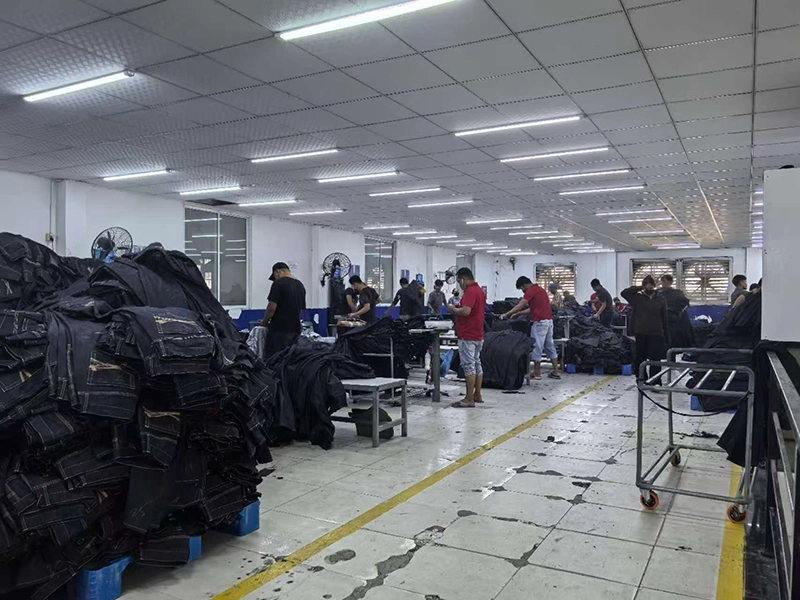
ZENITH CLOTHING is not a trading company or a middleman. We are a fully integrated garment production factory with years of hands-on experience in the apparel industry. Our facility houses dedicated production lines for woven garments, with a specialized division focused exclusively on denim.
5.2 Custom Denim Expertise
We understand that denim is different from other trousers. The seams, the hardware, the fades, the puckering—every detail matters. Our team has produced thousands of denim styles for brands ranging from streetwear startups to established boutiques. We work with:
- Rigid, stretch, and selvedge denim.
- All common washes (rinse, stone, enzyme, bleach, spray, laser).
- Custom printed pocket linings, branded buttons, leather patches, and metal rivets.
5.3 Low MOQs and Transparent Communication
We believe small brands deserve big quality. Our minimum order quantity starts at just 100 pieces per color and style, allowing you to test the market or launch limited editions. We assign a dedicated English-speaking project manager to every client, ensuring that your emails are answered within 24 hours and that samples are delivered on time.
5.4 In-House Washing and Finishing Lab
Most manufacturers outsource washing, leading to delays and quality variations. ZENITH CLOTHING operates its own washing and finishing department, equipped with laser machines, ozone generators, and traditional wash drums. This gives us complete control over the final look and feel of your jeans.
5.5 Commitment to Ethical and Sustainable Production
We are committed to reducing our environmental footprint. Our facility recycles a significant portion of process water, uses pumice stone substitutes to minimize sediment waste, and follows chemical management protocols compliant with ZDHC (Zero Discharge of Hazardous Chemicals). We can also source GOTS-certified organic cotton denim upon request.
5.6 End-to-End Service: From Sketch to Shipment
Our service covers:
- Technical design assistance.
- Pattern making and sample development (2–3 rounds included).
- Fabric and trim sourcing.
- Bulk cutting, sewing, and washing.
- Final quality control.
- Polybagging, carton packing, and logistics coordination.
5.7 Proven Track Record
Over the years, ZENITH CLOTHING has delivered millions of garments to satisfied customers worldwide. Our denim clients appreciate our ability to replicate complex washes, maintain consistent sizing across batches, and meet tight delivery windows. We treat every order—whether 100 pieces or 10,000 pieces—with the same level of attention and care.
Chapter 6: How to Start Your Custom Denim Project with ZENITH CLOTHING
Step 1: Share Your Concept
Send us your sketches, reference images, or a sample garment. Tell us your target price, desired quantity, and any special requirements (e.g., eco-wash, specific hardware).
Step 2: Receive a Quotation and Timeline
We will provide a detailed cost breakdown and a production schedule from sample approval to shipment.
Step 3: Approve the Sample
We create 1–2 prototype samples. You test the fit, wash, and construction. We make revisions until you are 100% satisfied.
Step 4: Bulk Production
Upon sample approval, we source fabric and trims, cut, sew, wash, and finish your order. You receive video updates and quality control reports.
Step 5: Delivery
We pack your denim professionally and arrange sea or air freight to your door. Customs documentation is handled by our logistics team.
Conclusion
Custom denim manufacturing is a complex but rewarding process. The right manufacturer acts as a partner—not just a supplier—helping you translate a vision into a tangible, market-ready product. From fabric mills to washing drums, every step requires expertise, precision, and accountability.
ZENITH CLOTHING stands ready to be that partner. We are not a broker or a sourcing agent. We are a real clothing manufacturer with our own factory, our own washing department, and a team that lives and breathes garment production. When you work with us, you work directly with the people who cut, sew, and finish your denim.
Whether you are launching a premium selvedge line, a sustainable everyday jean, or a bold fashion-forward cut, ZENITH CLOTHING has the technical ability and the creative flexibility to bring your denim to life. Contact us today to start your custom denim journey—because great brands deserve great manufacturing.