Don't miss our holiday offer - up to 50% OFF!

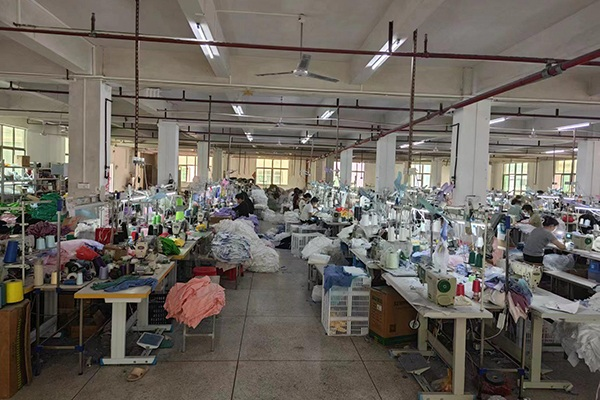
Custom Denim Quality Control: Rigorous Inspection Ensured Service

In the dynamic world of fashion, denim stands as a timeless pillar. It is more than fabric; it is a narrative of culture, durability, and personal expression. For businesses seeking to create their own denim lines, the journey from concept to consumer is fraught with challenges, where the smallest oversight can compromise brand integrity. This is where the doctrine of Custom Denim Quality Control becomes paramount. At its core, it is a promise—a pledge that every pair of jeans, jacket, or skirt bearing a brand’s name has endured and passed a Rigorous Inspection process. This Ensured Service is not merely a procedural step; it is the foundational philosophy that separates exceptional apparel from the mediocre. For a manufacturer, it is the definitive signature of professionalism and commitment to excellence.
I. The Zenith of Craftsmanship: Why Quality Control is Non-Negotiable in Custom Denim
Denim manufacturing is a complex alchemy of art and precision engineering. Unlike simpler garments, denim involves intricate processes like fabric sanforization, dyeing (especially with indigo), weaving, cutting, sewing, and a plethora of finishing techniques such as distressing, washing, and applying. Each stage introduces variables that can affect the final product’s fit, feel, color, and longevity.
1.1 The High Stakes of Brand Reputation
In an era of conscious consumption and online reviews, a single batch of defective denim can unravel years of brand building. Quality control (QC) is the primary defense against this risk. It transforms subjective design aspirations into objective, measurable standards, ensuring that the tenth pair of jeans produced is identical in quality to the ten-thousandth. For brands, this consistency is the bedrock of customer trust and repeat business.
1.2 Beyond Aesthetics: Ensuring Performance and Safety
Rigorous inspection goes beyond checking for loose threads or misaligned pockets. It encompasses:
- Fabric Integrity: Inspecting for defects like slubs, streaks, or shading variations that are unacceptable for the grade.
- Seam Strength: Testing stitch density and tension to ensure seams can withstand stress and washing.
- Hardware Durability: Verifying that zippers, buttons, and rivets function smoothly and are securely attached.
- Chemical Compliance: Ensuring finishes and dyes meet international safety standards (e.g., free from harmful azo dyes, pH levels safe for skin), which is critical for regulatory compliance and ethical manufacturing.
1.3 The Custom Denim Advantage
Custom denim production offers brands uniqueness, but it demands an even higher level of QC vigilance. A manufacturer’s ability to implement tailored inspection protocols for specific designs—be it a specialized stitch, a unique wash, or innovative fabric blend—is what defines a true partner in production.
II. The Anatomy of Rigorous Inspection: A Multi-Stage Protocol
A truly rigorous inspection system is not a single checkpoint but a woven tapestry of checks embedded throughout the production lifecycle. It is a proactive, holistic approach.
2.1 Incoming Material Inspection (IMI)
Quality is built in, not inspected in. The process begins before a single cut is made.
- Fabric Approval: Every denim roll is checked for weight, width, color consistency, tensile strength, and shrinkage rate against approved lab dips and swatches.
- Trim & Hardware Verification: All zippers, buttons, labels, and threads are verified for quality, color match, and functionality against provided standards.
2.2 During Production Inspection (DPI) / In-Process Quality Control (IPQC)
This is the heart of preventative QC, catching errors when they are easiest and least costly to correct.
- Cutting Check: Ensuring pattern alignment with fabric grain, precision of cuts, and accurate marker utilization to minimize waste.
- Sewing Line Audit: Supervisors monitor seam allowances, stitch quality (SPI – stitches per inch), pocket placement, and assembly techniques in real-time.
- Fit and Assembly Prototyping: Checking the first assembled units (pre-production samples) against tech packs for fit, measurement, and overall construction.
2.3 Pre-Shipment Inspection (PSI)
This is the final, comprehensive audit conducted on finished, packaged goods ready for shipment. Typically performed on an AQL (Acceptable Quality Level) sampling basis (following international standards like ISO 2859-1), it statistically represents the entire order.
- Visual and Dimensional Check: Every sampled garment is examined for visual flaws (fabric defects, stains, uneven distressing) and measured against specification sheets to ensure consistent sizing.
- Functional and Workmanship Check: Testing zippers, buttons, checking bartack strength, reviewing wash effect consistency, and examining finishing.
- Packaging and Labeling Check: Verifying that packaging, hangtags, care labels, and barcodes are correct and securely attached.
2.4 Final Random Inspection (FRI)
For absolute assurance, a surprise audit can be conducted during loading, ensuring the shipped units match the approved PSI samples.
III. The Tools and Expertise of Ensured Service: More Than Just a Checklist
Providing an Ensured Service means investing in both technology and human skill.
3.1 The Human Element: The Trained Inspector’s Eye
Despite technological advances, the experienced eye of a quality controller is irreplaceable. Skilled inspectors understand how denim behaves, how different washes affect seam integrity, and how to judge the subtle artistry of hand-sanding or whiskering. Continuous training on international standards, defect classification, and new techniques is crucial.
3.2 Technological Integration
- Measurement Tables & Gauges: For precise dimensional analysis.
- Light Booths: To standardize color assessment under different lighting conditions (D65, TL84).
- Washing and Testing Equipment: To perform in-house tests for colorfastness, shrinkage, and seam slippage.
- Digital Management Systems: Using QC software and cloud platforms to document defects with photos, generate real-time reports, and track corrective actions, ensuring full transparency with the client.
3.3 The Assurance of Documentation and Communication
An ensured service is a transparent one. Detailed Inspection Reports, complete with photographic evidence, measurement charts, and clear pass/fail recommendations, provide clients with complete visibility. This open communication allows for collaborative problem-solving and continuous improvement.
IV. ZENITH CLOTHING: Your Partner in Crafting Denim Excellence
The principles and processes detailed above are not theoretical. They are the daily practiced creed at ZENITH CLOTHING. We are not just a supplier; we are a vertically integrated garment production manufacturer dedicated to transforming your denim vision into a tangible product of impeccable quality.
As a factory rooted in the craft of apparel manufacturing, we understand that our name is woven into every garment we produce. ZENITH CLOTHING embodies the pinnacle of this commitment. Our brand represents a synergy of skilled artisanship, modern manufacturing technology, and an uncompromising quality management system.
Our Promise as Your Manufacturer:
When you partner with ZENITH CLOTHING for your custom denim project, you are engaging with a team that considers quality control a sacred responsibility. Our Rigorous Inspection protocol is tailored to your specific Tech Pack, ensuring your design DNA is preserved from sketch to shipment. Our Ensured Service means you receive not only denim that looks exceptional but also performs reliably, building your brand’s reputation with every wear.
We invite you to experience the ZENITH CLOTHING difference—where meticulous attention to detail, transparent partnership, and an unwavering focus on quality control are the threads that bind our success to yours. Let us provide the foundation of trust and excellence upon which your denim legacy can be built.