Don't miss our holiday offer - up to 50% OFF!

Custom Denim Sustainable: Eco-Friendly Manufacturing And Materials

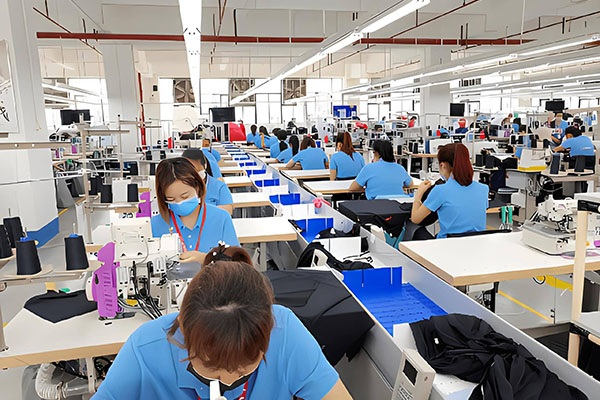
In today’s fashion landscape, sustainability has evolved from a niche trend into a fundamental industry imperative. Within this movement, denim—a fabric with a notoriously resource-intensive history—stands at a critical crossroads. The concept of Custom Denim Sustainable represents a powerful synthesis of personalization, quality, and environmental responsibility. It moves beyond merely using organic cotton, encompassing a holistic approach that reimagines every stage of the denim lifecycle: from innovative raw materials and water-saving manufacturing processes to ethical labor practices and extended product longevity through customization. This article delves into the core pillars of sustainable custom denim, exploring the materials and methods that are shaping the future of this iconic cloth, and concludes by introducing ZENITH CLOTHING as a manufacturer committed to this very philosophy.
I. The Environmental Footprint of Conventional Denim
To appreciate the sustainable revolution, one must first understand the traditional denim model’s significant impact.
- Water Intensity: Conventional cotton cultivation is incredibly thirsty, requiring approximately 10,000 liters of water to produce just one kilogram of cotton—enough for a single pair of jeans. The manufacturing process, especially the iconic dyeing and washing techniques, compounds this usage.
- Chemical Usage: Synthetic indigo dyes, fixing agents, and the chemicals used for distressing (like potassium permanganate and bleach) can pollute waterways and pose health risks to workers if not managed properly.
- Energy and Waste: The multistep process of spinning, weaving, dyeing, and finishing consumes substantial energy, often from non-renewable sources. Furthermore, the “cut-and-sew” model generates substantial fabric off-cuts, leading to waste.
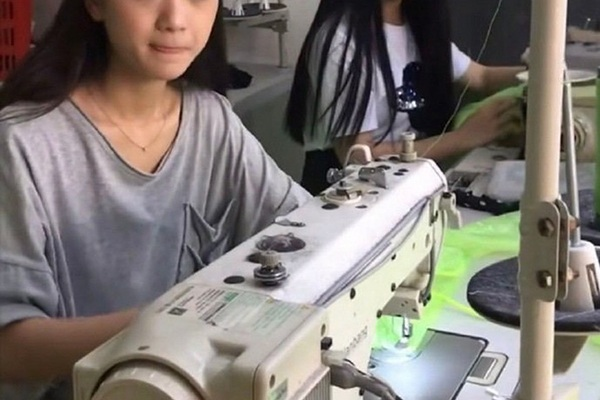
- Social Responsibility: Beyond environmental factors, the ethics of labor conditions in the supply chain have become a paramount concern for conscious consumers.
Custom sustainable denim directly addresses these issues, offering a blueprint for reduction, responsibility, and renewal.
II. Pillars of Sustainable Materials
The journey begins with the very fibers that make up the fabric. Sustainable custom denim leverages a range of alternative materials that lessen environmental strain.
A. Organic and Recycled Cotton
- Organic Cotton: Grown without synthetic pesticides, herbicides, or genetically modified seeds, organic cotton farming promotes soil health, biodiversity, and reduces water consumption by relying more on rainwater. It provides the classic feel of denim while drastically lowering agricultural toxicity.
- Recycled Cotton: Made from post-industrial fabric scraps or post-consumer garments, recycled cotton diverts textile waste from landfills. While often blended with virgin fibers for strength, it significantly reduces the demand for new water, land, and chemical inputs.
B. Innovative Fiber Blends
- Hemp: A powerhouse of sustainability, hemp requires minimal water, no pesticides, and enriches the soil it grows in. Hemp fibers are durable and strong, creating long-lasting denim that softens beautifully over time.
- Tencel™/Lyocell: Derived from sustainably harvested wood pulp (often eucalyptus), this fiber is produced in a closed-loop system that recycles over 99% of the water and solvents used. It results in a fabric that is incredibly soft, breathable, and biodegradable.
- Recycled Polyester: Sourced from discarded plastic bottles, recycled polyester gives a second life to petroleum waste. When used in denim blends (e.g., for added stretch or strength), it reduces reliance on virgin petroleum and energy consumption compared to its virgin counterpart.
C. Low-Impact Dyes and Finishes
Sustainable denim replaces traditional dyeing vats with low-impact, certified dyes that require less water, fix to the fiber more efficiently (reducing runoff), and are often free of heavy metals and toxic substances. Furthermore, natural dyeing techniques and non-chemical finishing (using ozone or laser technology for distressing) are gaining traction.
III. Eco-Friendly Manufacturing Processes
The transformation of these materials into finished jeans is where technology and innovation truly drive sustainability forward in custom production.
A. Water Conservation Technologies
- Laser and Ozone Technology: Lasers can meticulously recreate vintage fades, whiskers, and distressed patterns without the gallons of water and harsh chemicals used in traditional stone-washing or sandblasting. Ozone gas can bleach denim in a closed system, reducing water use by up to 70% for certain wash effects.
- Nano Bubble and Foam Dyeing: These emerging technologies use air or foam to carry dyes, penetrating fabrics with drastically less water than conventional submersion methods. Some systems claim up to a 99% reduction in dyeing water.
- Water Recycling and Treatment: State-of-the-art manufacturing facilities install advanced water treatment plants that filter, clean, and recycle water back into the production cycle, achieving near-zero liquid discharge.
B. Energy Efficiency and Waste Reduction
- Renewable Energy: Leading sustainable factories power their operations with solar, wind, or other renewable sources, slashing the carbon footprint of production.
- Efficient Pattern Making and Cutting: Custom denim, especially when paired with made-to-order models, is inherently less wasteful. Using Computer-Aided Design (CAD) software, manufacturers can optimize pattern layouts to maximize fabric utilization, minimizing off-cuts. Remaining scraps can be collected and recycled into new fibers or repurposed for patches, accessories, or other products.
- Dry Processes: Techniques like 3D laser engraving for patterns and e-flow systems for applying finishes use minimal to no water, focusing on air or electrical processes instead.
C. Ethical and Transparent Production
Sustainable manufacturing is inseparable from social responsibility. This entails:
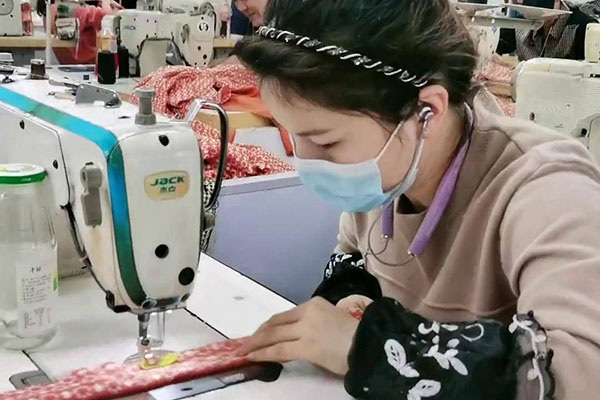
- Safe Working Conditions: Factories adhering to international standards (like WRAP, BSCI, or Fair Trade) ensure safe, clean, and healthy environments.
- Fair Wages and Worker Empowerment: Paying living wages and ensuring workers’ rights are respected is a cornerstone of true sustainability.
- Supply Chain Transparency: Traceability from farm to finished garment allows brands and consumers to verify ethical and environmental claims.
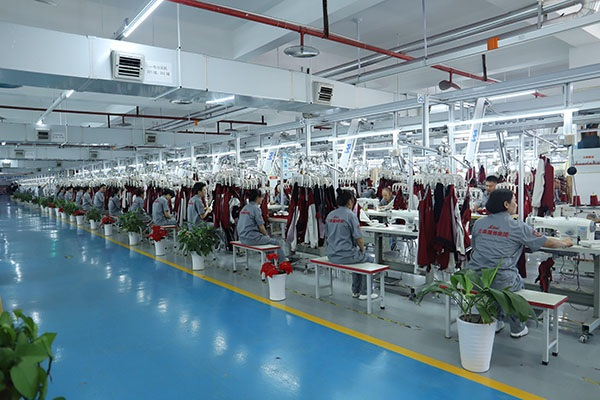
IV. The Power of Customization in Sustainability
Customization is not just a service; it is a strategic tool for enhancing sustainability.
- Made-to-Order Model: Producing jeans only when an order is placed eliminates the massive inventory waste endemic to fast fashion. It prevents overproduction and the subsequent discounting or disposal of unsold stock.
- Perfect Fit, Longer Life: A garment tailored to a customer’s precise measurements is far more likely to be loved, worn frequently, and kept for years. This emotional durability combats the disposable fashion cycle, reducing the per-item environmental impact over time.
- Personalized Design Choices: Allowing customers to select details like thread color, patch material, button finishes, or embroidery fosters a deeper connection to the garment, viewing it as a unique possession rather than a transient commodity.
- Repair and Revival Services: Many custom denim providers offer lifetime repair services, hemming, or refurbishment, actively promoting a circular economy where products are maintained, not discarded.
V. ZENITH CLOTHING: Weaving Sustainability into Every Thread
The principles outlined above are not merely theoretical; they are the operational blueprint for forward-thinking manufacturers. At ZENITH CLOTHING, we are proud to embody the ethos of Custom Denim Sustainable in our very identity as a garment production company.
As an established manufacturer, we have invested in the technologies and partnerships necessary to turn this vision into reality. Our custom denim line is built on a foundation of:
- Material Sourcing: We prioritize GOTS-certified organic cotton, blend in recycled fibers and Tencel™, and source low-impact dyes for our collections.
- Process Innovation: Our production facilities are equipped with laser finishing stations and water recycling systems. We employ CAD optimization for all custom orders to ensure material efficiency from the first sketch.
- Ethical Production: Our factories are regularly audited for social and environmental compliance, ensuring that every pair of jeans is crafted with respect for both people and the planet.
- The ZENITH CLOTHING Promise: We offer a true made-to-order custom denim service. Our clients—from emerging brands to private labels—collaborate with our design and production teams to create unique, sustainable denim that tells their story. We manage the entire process under one roof, guaranteeing quality, transparency, and a significantly reduced ecological footprint.
In conclusion, the path of Custom Denim Sustainable demonstrates that the iconic blue jean can be reborn as a symbol of innovation and responsibility. By marrying eco-friendly materials like organic cotton, hemp, and Tencel™ with revolutionary manufacturing processes such as laser finishing and water recycling, and by harnessing the waste-reducing power of customization, the denim industry is being reshaped for the better. This is not just a trend; it is the new standard for quality and conscience.
ZENITH CLOTHING is at the forefront of this transformation. We are more than a manufacturer; we are a partner for brands and consumers who believe that exceptional, personalized denim should not come at the expense of the environment. Together, we can dress a world that values both style and sustainability.