Don't miss our holiday offer - up to 50% OFF!

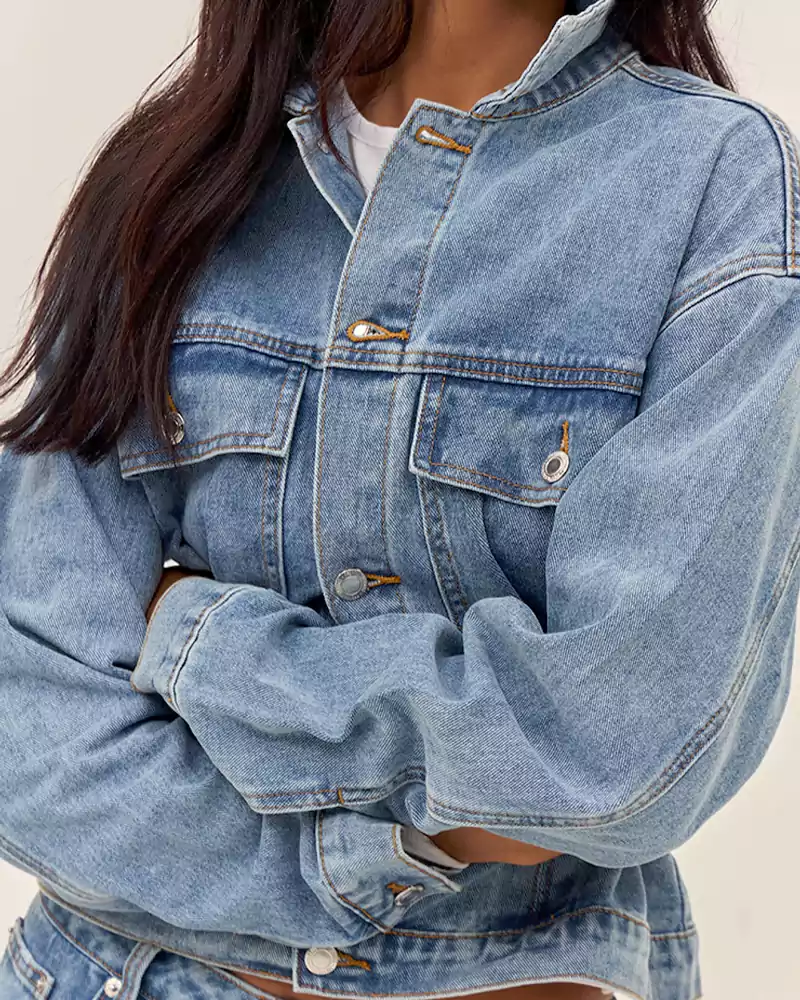
Custom men’s denim jackets

Denim jackets have remained a staple in men’s fashion for over a century. From rugged workwear origins to modern streetwear icons, the denim jacket continues to evolve. However, in recent years, the demand for custom men’s denim jackets has surged. Men no longer want only off-the-rack pieces. They seek individuality, perfect fit, and personal expression. Custom denim jackets offer exactly that. Whether for personal use, brand promotion, or corporate gifting, custom denim jackets provide unmatched value.
This article explores everything about custom men’s denim jackets. It covers design options, fabric choices, fitting techniques, washes, embroidery, and production processes. It also explains why custom manufacturing matters. Finally, it introduces ZENITH CLOTHING as a trusted factory specializing in custom men’s denim jackets.
Chapter 1: Why Choose Custom Men’s Denim Jackets Over Ready-Made Options
1.1 Perfect Fit for Every Body Type
Ready-made denim jackets follow standard sizing. However, men’s body shapes vary significantly. A jacket that fits the shoulders may be too loose at the waist. Another may fit the chest but restrict arm movement. Custom denim jackets solve this problem entirely. Measurements are taken based on the individual’s unique body structure. The result is a jacket that moves with the wearer, not against him.
1.2 Unlimited Design Possibilities
With custom jackets, you control every detail. Collar style, pocket placement, button type, stitch color, and label design are all customizable. You can add contrast stitching, leather patches, or custom linings. For businesses, custom men’s denim jackets become walking billboards. Logos can be embroidered, printed, or woven into the fabric.
1.3 Superior Quality Control
Mass-produced jackets often sacrifice quality for speed. Custom manufacturing focuses on smaller batches with tighter quality control. Every seam, buttonhole, and hem is inspected. This results in a jacket that lasts for years, not months.
1.4 Sustainability and Reduced Waste
Custom production is often made to order. This reduces overproduction and textile waste. Many custom manufacturers also offer eco-friendly denim options, such as organic cotton or recycled fibers. For environmentally conscious buyers, this is a significant advantage.
Chapter 2: Key Components of a Custom Men’s Denim Jacket
2.1 Denim Fabric Selection
Fabric is the foundation of any denim jacket. Custom manufacturers offer a wide range of denim weights and compositions.
- Lightweight denim (8–10 oz): Ideal for spring and summer. Comfortable and breathable.
- Midweight denim (11–14 oz): The most popular range. Suitable for three-season wear. Holds shape well.
- Heavyweight denim (15 oz and above): Rugged and durable. Best for workwear or cold weather.
Fabric composition also matters. 100% cotton denim offers breathability and natural aging. Stretch denim (98% cotton, 2% elastane) provides comfort and mobility. Recycled denim blends appeal to eco-conscious buyers.
2.2 Fit Types for Custom Denim Jackets
Custom does not mean one specific fit. You can choose from several classic silhouettes:
- Slim fit: Tailored through the chest and arms. Modern and clean.
- Regular fit: Classic cut with moderate room. Timeless and versatile.
- Relaxed fit: More room in the chest and sleeves. Great for layering.
- Oversized fit: Fashion-forward. Popular in streetwear and hip-hop culture.
Customization allows mixing elements. For example, a slim chest with slightly wider sleeves for mobility.
2.3 Washes and Finishes
The wash defines the jacket’s character. Custom manufacturers offer dozens of wash options:
- Raw or unwashed denim: Stiff and dark. Will fade uniquely over time based on wear patterns.
- Light wash: Soft, casual, and slightly faded. Great for summer looks.
- Medium wash: The most versatile. Balanced indigo shade.
- Dark wash: Elegant and formal-casual. Can be dressed up.
- Stone wash: Heavy fading and soft hand feel.
- Acid wash: High-contrast, vintage 80s look.
- Enzyme wash: Eco-friendly softening without stones.
- Bleach splatter or distressed: Edgy and artistic.
Each wash can be combined with additional effects like whiskering, hand sanding, or permanent creases.
2.4 Hardware and Details
Small details define a premium custom jacket. Hardware options include:
- Buttons: Copper, brass, nickel, black matte, or painted. Engraving available.
- Rivets: Matching or contrasting. Hidden or exposed.
- Zippers: YKK or equivalent. Brass, silver, antique, or nylon coil.
- Pocket styles: Patch pockets, welt pockets, slash pockets, or cargo-style.
- Collars: Classic pointed, shawl collar, or sherpa-lined.
- Lining: Cotton twill, polyester, quilted, or fleece for winter jackets.
2.5 Embroidery and Personalization
Embroidery is the most popular personalization method for custom men’s denim jackets. Common placements include:
- Left or right chest
- Back yoke or center back
- Cuffs or inner placket
- Sleeves or collar underside
Thread colors can match the denim or contrast boldly. Popular fonts include vintage athletic block, script, or minimalist sans-serif. For businesses, 3D puff embroidery adds texture and visibility.
Chapter 3: The Manufacturing Process of Custom Men’s Denim Jackets
Understanding how custom jackets are made helps buyers make informed decisions.
Step 1: Design and Technical Specification
The process begins with a design brief. This includes sketches, reference images, or existing jackets for inspiration. Measurements are collected: chest, waist, hip, shoulder width, sleeve length, and total length. A technical specification sheet is created listing all materials, trims, and construction methods.
Step 2: Pattern Making and Sampling
A custom pattern is drafted based on the measurements. This pattern is used to cut sample fabric. A prototype jacket is sewn and reviewed for fit and design accuracy. Adjustments are made as needed. Most custom manufacturers produce at least one sample before bulk production.
Step 3: Fabric Cutting and Preparation
Once the sample is approved, production begins. Denim fabric is laid flat and cut using either manual or automated CNC cutting machines. Precision cutting ensures all pieces match perfectly. For small custom batches, manual cutting allows more flexibility.
Step 4: Sewing and Assembly
Denim jackets require specialized sewing machines. These include flatbed machines, overlockers, chainstitch machines for hems, and buttonhole machines. Skilled operators assemble each jacket step by step: front panels, back yoke, sleeves, collar, pockets, and lining if any.
Step 5: Washing and Finishing
After sewing, raw denim jackets undergo washing. This removes shrinkage, softens fabric, and adds desired color effects. Washing methods include garment washing, stone washing, enzyme washing, or bleaching. After washing, jackets are dried and pressed.
Step 6: Embroidery and Labeling
If embroidery or screen printing is requested, this happens after washing. Labels are sewn into the neck, side seam, or waistband. Custom woven labels with your brand name or logo are common.
Step 7: Final Quality Inspection
Every jacket is inspected. Seams are checked for strength and straightness. Buttons and rivets are tested. Measurements are verified. Any defective jacket is rejected or repaired. Only passing jackets are packed.
Step 8: Packaging and Shipping
Jackets are folded, polybagged, and packed into cartons. Packaging can be customized with branded boxes or hang tags. Shipping is arranged via sea, air, or courier depending on urgency and budget.
Chapter 4: Popular Styles of Custom Men’s Denim Jackets
4.1 The Classic Type III Trucker Jacket
Made famous by Levi’s, the Type III features slim fit, vertical chest pockets, and pointed pocket flaps. It remains the most requested custom style. Custom versions can adjust pocket angles, add hoods, or change button spacing.
4.2 The Type II Jacket
Older and boxier, the Type II has a single chest pocket on each side and a center box pleat. It appeals to vintage enthusiasts. Custom Type II jackets can be made with raw selvedge denim and hidden rivets.
4.3 The Sherpa-Lined Denim Jacket
Perfect for winter. The body and collar are lined with synthetic or real sherpa fleece. Custom options include removable linings or contrast sherpa colors like cream, black, or brown.
4.4 The Denim Chore Coat
A chore coat has large patch pockets and a button-front closure. It is looser and longer than a trucker jacket. Custom versions can add interior pockets or corduroy collars.
4.5 The Cropped Denim Jacket
Fashion-forward and short in length. Popular among younger demographics. Custom cropped jackets often feature oversized sleeves or exaggerated collars.
4.6 The Patchwork Denim Jacket
Made from multiple denim scraps or contrasting washes. Each jacket is unique. Custom patchwork jackets require skilled pattern matching and additional labor.
Chapter 5: Who Needs Custom Men’s Denim Jackets?
5.1 Individual Consumers
Men who value fit and uniqueness. They want a jacket that no one else owns. They may add their name, a meaningful date, or custom artwork.
5.2 Fashion Brands and Designers
Small to medium fashion labels use custom manufacturing to launch denim jackets without holding massive inventory. They can test designs with small batches of 50–200 units.
5.3 Corporate Clients
Companies order custom denim jackets for employee uniforms, trade shows, or team-building gifts. Logo embroidery increases brand visibility. Denim jackets are durable and appreciated as workwear or casual wear.
5.4 Music Bands and Tour Merchandise
Denim jackets are iconic in rock, punk, and metal culture. Bands sell custom jackets at concerts or online. Back embroidery with tour dates and album art is common.
5.5 Wedding and Event Groups
Groomsmen or bachelor parties sometimes wear matching custom denim jackets. These are more useful than traditional matching T-shirts. Each jacket can have a different inside label or sleeve embroidery.
Chapter 6: How to Order Custom Men’s Denim Jackets – A Buyer’s Checklist
If you are planning to order custom denim jackets, follow this checklist:
- Define your budget – Custom jackets cost more than mass-produced but less than designer luxury. Typical range: $25–$80 per jacket depending on quantity and details.
- Choose your quantity – Minimum order quantities (MOQs) vary. Some factories accept 50 pieces. Others require 300. For true one-off custom, expect higher per-unit cost.
- Select all materials – Denim weight, thread color, button style, label type, packaging.
- Provide measurements or sizes – Individual measurements or a size chart (S–XXL).
- Request a sample – Always approve a physical sample before full production.
- Confirm production time – Sampling: 2–4 weeks. Bulk production: 4–8 weeks. Shipping: additional.
- Agree on quality standards – Specify acceptable defect rate (usually 2–3%).
- Arrange payment terms – Typical: 30–50% deposit, balance before shipment.
Chapter 7: Quality Indicators of a Premium Custom Denim Jacket
Not all custom jackets are equal. Look for these quality signs:
- Selvedge outseam – A clean, finished edge that prevents fraying.
- Chainstitch hem – Creates a roping effect after washing. More durable than lockstitch.
- Bar tacks at stress points – Reinforced stitching at pocket corners and buttonholes.
- Hidden rivets – Prevents scratching surfaces while maintaining strength.
- Felled seams – Flat, strong seams inside the jacket.
- Uniform topstitching – Even stitch length and tension. Thread matches or contrasts intentionally.
- Consistent button placement – Buttons align perfectly with buttonholes.
Chapter 8: Care Instructions for Custom Men’s Denim Jackets
To preserve the life of a custom denim jacket, follow these guidelines:
- Wash infrequently – Denim does not need washing after every wear. Spot clean when possible.
- Turn inside out before washing – Protects embroidery and reduces indigo loss.
- Use cold water and mild detergent – Hot water causes shrinkage and fading.
- Air dry only – Dryers damage fibers and shrink denim.
- Avoid bleach – Bleach destroys custom washes and thread colors.
- Store hanging or folded flat – Prevents creases and misshaping.
For raw selvedge jackets, delay first wash for at least six months to develop personal fades.
Chapter 9: Common Mistakes to Avoid When Ordering Custom Denim Jackets
- Skipping the sample – This is the number one cause of disappointment. Always see and feel the actual jacket before bulk production.
- Choosing the wrong fabric weight – A 16 oz jacket in summer will be unwearable. A 9 oz jacket in winter will be too cold.
- Overcomplicating the design – Too many custom details can delay production and increase cost. Prioritize fit and fabric first.
- Ignoring shrinkage – Raw denim shrinks 3–7% after first wash. Pre-washed denim is more predictable.
- Forgetting about lining – Unlined jackets are fine for moderate weather. For cold climates, add lining.
- Using low-resolution embroidery files – Embroidery machines require vector files. Low-res images result in blurry logos.
Chapter 10: Why Work with a Professional Denim Jacket Manufacturer
Many people attempt to customize jackets locally or through print-on-demand services. However, those options are limited. Print-on-demand typically uses blank jackets with poor fit and low-quality denim. True custom manufacturing starts from fabric selection and pattern making.
Professional manufacturers offer:
- Full control over every component
- True sample approval
- Scalability from 50 to 10,000 pieces
- Consistent quality across all jackets
- Compliance with safety and labor standards
For businesses, working directly with a factory eliminates middlemen. This lowers cost per unit and improves communication.
Conclusion: ZENITH CLOTHING – Your Trusted Partner for Custom Men’s Denim Jackets
After understanding the value, components, and process of custom men’s denim jackets, the next step is choosing the right manufacturing partner. That is where ZENITH CLOTHING comes in.
ZENITH CLOTHING is a professional garment factory specializing in custom outerwear and denim products. We have years of experience producing high-quality custom men’s denim jackets for individual clients, fashion brands, corporate teams, and event groups.
Why choose ZENITH CLOTHING for your custom denim jacket project?
- Complete customization – From 8 oz lightweight to 16 oz heavyweight denim. Any wash, any fit, any hardware.
- Low minimum quantities – We accept orders starting from 50 pieces for custom designs.
- Rapid sampling – Receive your first sample within 10–14 days.
- In-house embroidery and washing – No outsourcing. Faster turnaround and consistent quality.
- Strict quality control – Every jacket is inspected before packing.
- Eco-friendly options – Organic cotton, recycled polyester, and enzyme washes available.
- Competitive factory pricing – No middlemen. You pay the factory direct price.
- Global shipping – We ship to North America, Europe, Australia, and Asia.
Whether you need a single prototype or a bulk order of custom men’s denim jackets, ZENITH CLOTHING delivers craftsmanship, reliability, and attention to detail. Our team works closely with you from design to delivery. We speak your language – denim.
Contact ZENITH CLOTHING today to start your custom men’s denim jacket project. Wear what fits. Wear what represents you.
ZENITH CLOTHING – Custom Denim, Engineered for You.