Don't miss our holiday offer - up to 50% OFF!

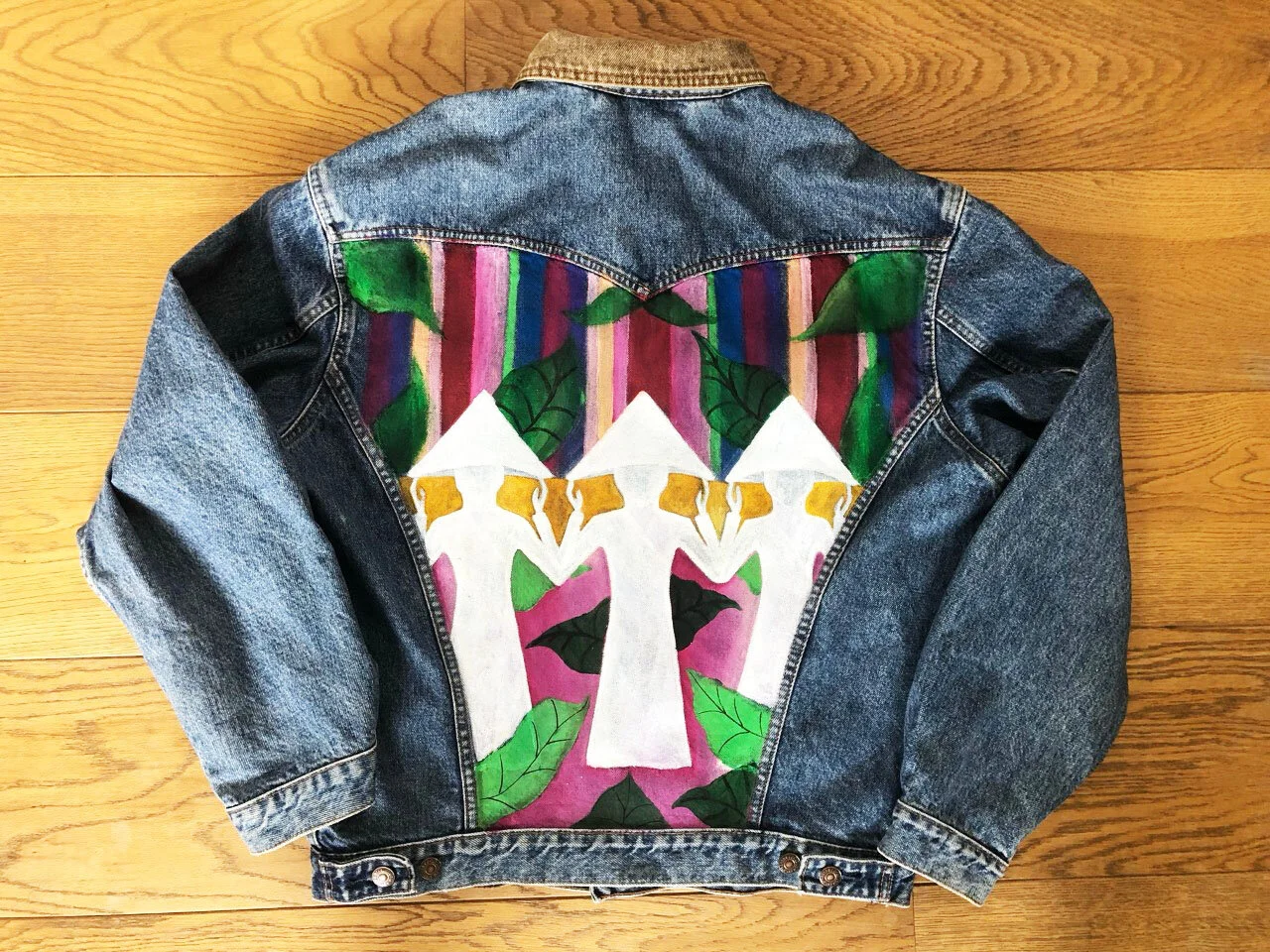
How to custom denim jacket back print

The denim jacket is more than just a clothing item; it is a cultural icon. From its roots as durable workwear to its adoption by rebels, rockers, and fashionistas, the denim jacket has always been a symbol of effortless cool. Today, it serves as a blank canvas for personal expression. Whether you want to promote a brand, commemorate a band, or simply showcase your unique artistic vision, customizing the back of a denim jacket is one of the most impactful ways to make a statement.
A large back print turns your jacket into a walking billboard for your personality. But how exactly do you achieve that perfect, durable, and vibrant design? This comprehensive guide will walk you through the most popular methods for custom denim jacket back prints, the pros and cons of each, and the step-by-step processes involved.
Why Customize the Back of a Denim Jacket?
The back of a jacket offers the largest uninterrupted surface area, making it the ideal placement for bold, detailed, and high-impact designs. Whether it’s a intricate illustration, a powerful slogan, or a collaborative piece of art, the back print is visible from a distance and creates an immediate visual impression. It transforms a simple garment into a conversation piece and a reflection of the wearer’s identity.
Top Methods for Customizing Your Denim Jacket Back Print
There are several techniques available for printing on denim, each offering different benefits in terms of durability, feel, color vibrancy, and cost. The right choice depends on the complexity of your design, the quantity you need, and the desired aesthetic.
Here are the three most effective methods for custom denim jacket back prints:
1. Direct to Garment (DTG) Printing: The King of Detail
Direct to Garment (DTG) printing is often the go-to choice for intricate, full-color designs. Think of it as the inkjet printer for fabric. It uses specialized water-based inks that are jetted directly onto the jacket fibers.
How it Works:
- Preparation: The denim area to be printed is pre-treated with a solution. This is especially crucial for dark denim, as it helps the white ink base adhere and ensures that subsequent colors pop vibrantly.
- Printing: The jacket is loaded onto a platen that moves into the printer. The print heads hover just above the fabric, spraying the design. For dark fabrics, the printer first lays down a layer of white ink, followed by the CMYK (Cyan, Magenta, Yellow, Black) color layers.
- Curing: Once printed, the jacket is heat-pressed to cure the ink, locking it into the fabric fibers for durability.
Why it’s great for Denim Jacket Backs:
- Unmatched Detail: DTG excels at reproducing photographs, intricate patterns, and gradients with photographic quality.
- Soft Hand-feel: Because the ink soaks into the fabric rather than sitting on top, the print retains the soft, natural texture of the denim. It won’t crack or peel easily.
- No Setup Fees: Unlike screen printing, there are no screens to make, making DTG perfect for one-off custom pieces or small batches.
Considerations:
- Seams: A major advantage of DTG is its ability to print over seams without loss of image quality, as the print heads do not make contact with the fabric.
- Pretreatment is Key: For dark denim, correct and even pretreatment is essential to prevent the ink from being absorbed and looking dull.
2. Screen Printing: The Durable Classic for Bold Designs
Screen printing is the traditional workhorse of the apparel decoration industry. It is renowned for producing vibrant, long-lasting colors, especially on dark fabrics like denim.
How it Works:
- Preparation: A stencil (or screen) is created for each color in the design. The jacket is placed on a printing board, often with a piece of cardboard inserted inside to prevent ink from bleeding through to the back.
- Ink Application: Ink is placed on the screen and a squeegee is used to pull the ink across, forcing it through the mesh stencil and onto the fabric. This process is repeated for each color layer.
- Curing: The printed design is then cured using a heat press or conveyor dryer to set the ink permanently.
Why it’s great for Denim Jacket Backs:
- Vibrancy & Opacity: Screen printing lays down a thick layer of ink, which results in incredibly vibrant and solid colors. This is perfect for bold logos and text on indigo or black denim.
- Cost-Effective for Bulk Orders: While the initial setup cost is high, the per-unit cost drops significantly for large quantities, making it the best choice for bands, businesses, or events ordering many jackets.
- Durability: When cured properly, screen-printed designs are extremely durable and can withstand years of wear and washing.
Considerations:
- Detail Limitations: Due to the nature of the process, very fine details and photographic images can be difficult to reproduce.
- Texture: The ink sits on top of the fabric, resulting in a slightly raised texture that can feel stiff, especially with heavy layers of ink.
3. Heat Transfer / DTF (Direct to Film): The Versatile All-Rounder
Heat transfer, particularly the modern Direct to Film (DTF) method, has exploded in popularity due to its versatility and ease of application. It involves printing a design onto a special transfer paper or film and then adhering it to the fabric using a heat press.
How it Works:
- Printing: The design is printed onto a special release paper or film using pigment or sublimation inks. For DTF, a powdered adhesive is applied to the wet ink and then heat-cured.
- Placement: The printed transfer is placed onto the desired area of the denim jacket.
- Pressing: A heat press is used to apply high temperature and pressure (e.g., 375°F / 191°C) for a specific time (e.g., 15-30 seconds). This activates the adhesive and bonds the design to the fabric.
- Peeling: The backing paper or film is peeled away, either hot or cold, leaving the design fused to the jacket.
Why it’s great for Denim Jacket Backs:
- Vibrant on Dark Fabrics: DTF transfers, in particular, are excellent for dark denim as they include a strong white adhesive layer that makes colors pop.
- No Weeding: DTF requires no weeding (removing excess material from around the design), saving time on complex images.
- Soft Feel: Modern DTF transfers are much thinner than old-school vinyl, resulting in a softer feel on the garment.
Considerations:
- The “Peel” Factor: While better than vinyl, transfers can still have a slightly plastic-like feel compared to DTG or water-based screen printing.
- Equipment Needed: A heat press is essential for consistent, professional results that will last -3.
| Feature | Direct to Garment (DTG) | Screen Printing | Heat Transfer (DTF) |
|---|---|---|---|
| Detail & Complexity | Excellent for photos & gradients | Good for bold, simple designs | Very good, handles complex art |
| Best For | Small runs, one-off, intricate art | Large bulk orders, spot colors | Small to medium runs, multi-color |
| Fabric Feel | Soft, integrated into fabric | Thick, slightly raised texture | Medium, thin plastic layer |
| Durability | High, when cured properly | Very High | High |
| Cost Efficiency | Low setup, higher per unit | High setup, low per unit (bulk) | Low setup, medium per unit |
Step-by-Step: How to Prepare and Print Your Denim Jacket
Regardless of the method you choose, following these best practices will ensure a professional and long-lasting result.
1. Choose the Right Jacket and Design
- Fabric Matters: Denim weight varies. Lighter denim is easier to print on, while heavyweight denim may require more robust equipment and thicker inks.
- Design Size: The back of a jacket is a large area. Ensure your design is scaled appropriately. You might need larger transfer paper (like 11″x17″ or 13″x19″) to accommodate the artwork.
- Pre-Wash (Recommended): It is advisable to pre-wash the jacket to remove any starches, finishes, or shrinkage that could affect the print later.
2. Prepare the Garment
- Lint Roll: Use a lint roller to thoroughly clean the print area of any dust, debris, or loose threads.
- Pre-Press: Place the jacket on the heat press and press for a few seconds (3-5 seconds) to remove wrinkles and moisture. This creates a flat, smooth surface for printing.
3. Application (Method-Specific)
- For DTG: Apply pretreatment (if needed), let it dry, then flatten the garment on the printer platen. Adjust RIP settings (e.g., “super fine” quality, white ink content base) and print.
- For Screen Printing: Place a piece of cardboard inside the jacket. Position your screen and apply ink with a squeegee, using firm, even pressure.
- For Heat Transfer: Position your transfer paper/film on the jacket. Cover with a protective “blow-out” paper to protect the press from excess ink or adhesive. Apply firm, even pressure with the heat press.
4. The Crucial Curing Step
This is non-negotiable for durability. Curing sets the ink so it won’t wash out.
- DTG & Screen Printing: After printing, the design must be heat-pressed at the correct temperature (e.g., 320°F / 160°C) for a specific time (e.g., 60-90 seconds).
- Heat Transfer: Curing happens during the initial press. Follow the transfer paper’s instructions precisely for temperature and time. Over-pressing can scorch the denim, while under-pressing will cause the design to peel.
Beyond Printing: Exploring Other Customization Avenues
While printing is a fantastic way to add graphics, the world of denim customization is vast. For a truly unique back design, consider combining methods or exploring alternatives:
- Embroidery: A large embroidered design on the back adds incredible texture and a high-end, artisan feel. From bold floral patterns to intricate logos, embroidery is durable and visually stunning .
- Patches: Sewing or ironing on patches is a classic way to build a design over time. You can mix and match woven, embroidered, or even fabric patches to create a eclectic, personalized look.
- Appliqué: This technique involves sewing pieces of fabric onto the jacket to create a design. It can be combined with embroidery for a rich, mixed-media effect.
Conclusion
Customizing the back print of a denim jacket is a powerful way to elevate a timeless wardrobe staple into a piece of personal art. Whether you choose the photographic detail of DTG, the bold durability of screen printing, or the versatile convenience of heat transfer, the key lies in proper preparation and technique.
The world of fashion is moving towards personalization and unique expression. A custom jacket isn’t just something you wear; it’s a story you tell. As you embark on your customization journey, remember that the quality of the final product depends not only on the method but also on the expertise behind it.
Bring Your Vision to Life with ZENITH CLOTHING
Are you looking to create custom denim jackets for your brand, event, or personal collection? Look no further than ZENITH CLOTHING. We are a premier dedicated to transforming your creative concepts into high-quality, finished garments.
At ZENITH CLOTHING, we understand that every detail matters. We specialize in a wide array of customization techniques, ensuring we have the perfect method for your project:
- Expert DTG Printing: For your most intricate, photo-realistic back prints with a soft, comfortable feel.
- Professional Screen Printing: For vibrant, durable designs that stand the test of time, perfect for bulk orders.
- Precision Embroidery: To add a touch of texture and elegance to your jackets.
- Custom Labeling: We can also incorporate your brand’s labels and hang tags for a fully finished product.
Our brand, ZENITH CLOTHING, is synonymous with quality and craftsmanship. We combine modern technology with traditional attention to detail to produce apparel that not only looks exceptional but feels great to wear. Whether you need a single sample or a large production run, our experienced team is here to guide you through every step of the process.