Don't miss our holiday offer - up to 50% OFF!

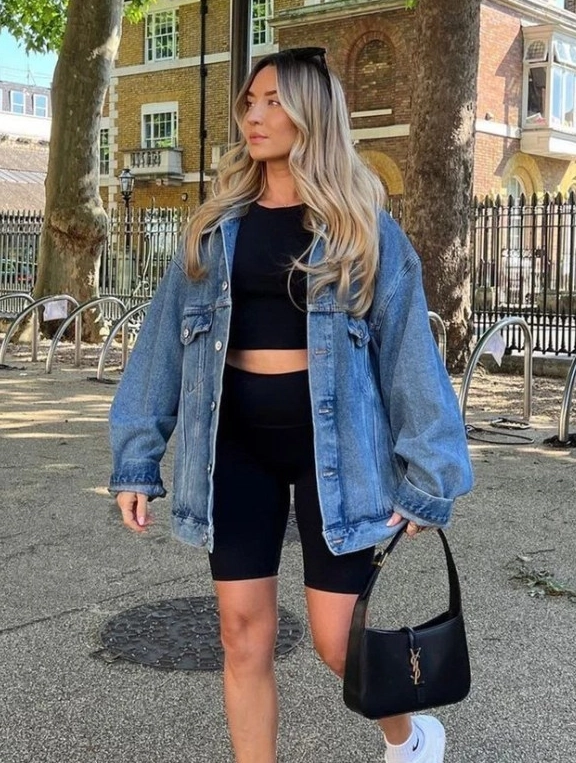
how to customize a denim jacket

Denim jackets have remained a timeless wardrobe staple for decades. Their durability, versatility, and classic appeal make them the perfect canvas for self-expression. Customizing a denim jacket allows you to transform a simple piece of clothing into a unique work of art that reflects your personality, creativity, and style. Whether you want to refresh an old jacket or add a personal touch to a new one, the possibilities are endless. In this comprehensive guide, we will explore various techniques, tools, and ideas for customizing a denim jacket, from painting and embroidery to patches, distressing, and hardware modifications. By the end, you will have all the knowledge you need to create a one-of-a-kind denim piece.
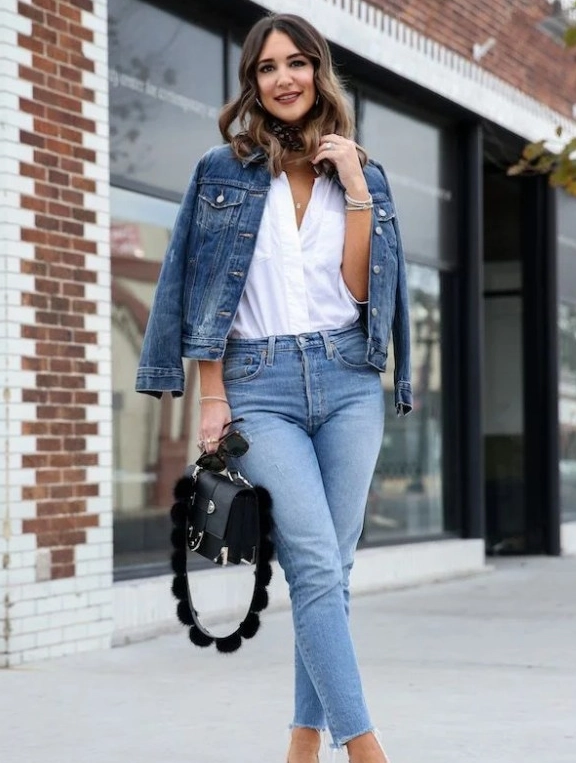
Why Customize a Denim Jacket?
Before diving into the methods, it is important to understand why customization is worth the effort. A customized denim jacket allows you to stand out from the crowd. Mass-produced clothing often lacks character, but with a few creative touches, your jacket becomes a conversation starter. Customizing also gives new life to old garments, promoting sustainability by reducing waste. Furthermore, the process itself is therapeutic and rewarding. Whether you are an experienced crafter or a beginner, customizing a denim jacket is an accessible and enjoyable project.
Chapter 1: Preparing Your Denim Jacket for Customization
1.1 Choosing the Right Jacket
The first step in customizing a denim jacket is selecting the right base. Look for a jacket that fits you well in the shoulders and chest. Classic blue denim is the most popular choice, but black, white, or colored denim can also work beautifully. Consider the weight of the denim—lighter weights are easier to sew through, while heavier weights offer more durability for techniques like distressing. If you are customizing an existing jacket, inspect it for stains, tears, or weak seams that may need repair before you begin.
1.2 Washing and Drying
Always wash and dry your denim jacket before starting any customization. This pre-shrinks the fabric and removes any factory finishes that might interfere with paint, glue, or dye. Use a mild detergent and avoid fabric softeners, as they can leave residues that prevent adhesion. Once dry, iron the jacket to create a smooth, wrinkle-free surface, especially in areas where you plan to paint or attach patches.
1.3 Gathering Your Tools and Materials
Depending on the customization techniques you choose, you will need different supplies. Basic tools include fabric scissors, needles, thread, chalk or fabric markers for outlining, and an iron. For painting, acrylic fabric paint, textile medium, and brushes of various sizes are essential. For embroidery, you will need embroidery floss, hoops, and needles. For patches, collect iron-on or sew-on patches, fabric glue, or a sewing machine. For distressing, a razor blade, sandpaper, and tweezers are useful. Always have a clean, flat workspace with good lighting.
Chapter 2: Painting on Denim
2.1 Fabric Paint vs. Acrylic Paint
When painting on denim, it is crucial to use paint that will adhere to the fabric and withstand washing. Fabric paint is specially formulated for textiles and remains flexible after drying. Regular acrylic paint can be used if mixed with a textile medium, which turns it into fabric paint. Avoid using oil-based or house paints, as they will crack and peel.
2.2 Design Ideas for Painted Denim Jackets
Popular painting designs include florals, geometric patterns, animal prints, landscapes, portraits, and abstract art. You can also paint words, song lyrics, or meaningful dates. For a bold look, consider painting the entire back panel of the jacket with a large mural. For a subtler approach, paint small details on the collar, cuffs, or pocket edges. Stencils are helpful for achieving clean, repeatable shapes, while freehand painting allows for more organic expression.
2.3 Step-by-Step Painting Process
Start by placing a piece of cardboard inside the jacket to prevent paint from bleeding through to the other side. Sketch your design lightly with chalk or a fabric pencil. Apply paint in thin, even layers, allowing each layer to dry completely before adding the next. This prevents cracking and ensures vibrant colors. Use a hairdryer on a low setting to speed up drying between layers. After finishing, let the jacket cure for 24 to 72 hours. Then heat-set the paint by ironing the back of the painted area (with a cloth barrier) or tumbling the jacket in a dryer on low heat. This step makes the design machine-washable.
Chapter 3: Embroidery and Stitching
3.1 Hand Embroidery on Denim
Embroidery adds texture and dimension to a denim jacket. Denim is a sturdy fabric, making it an excellent base for hand embroidery. Basic stitches like the backstitch, satin stitch, French knot, and chain stitch are easy to learn and can create intricate designs. Floral motifs, animals, celestial bodies, and lettering are popular choices. Use a water-soluble stabilizer on top of the denim to transfer your design, or draw directly with a disappearing ink pen. A sharp embroidery needle and six-strand cotton floss work best.
3.2 Machine Embroidery
If you have access to an embroidery machine, you can create professional-looking designs quickly. Machine embroidery allows for precise, repeatable patterns and works well for logos, monograms, and complex illustrations. Be sure to use a denim needle and stabilizer appropriate for heavy fabrics. Test your design on a scrap piece of denim first to adjust tension and thread color.
3.3 Sashiko and Visible Mending
Sashiko is a traditional Japanese stitching technique that uses simple running stitches to create geometric patterns. Originally used for mending, Sashiko has become a decorative art form. Use white or colored thread on indigo denim for a striking contrast. Visible mending, such as darning over holes or tears with bright threads, adds character and tells a story of repair and reuse.
Chapter 4: Adding Patches and Appliqués
4.1 Types of Patches
Patches are one of the easiest and most versatile ways to customize a denim jacket. You can find patches featuring band logos, flags, animals, flowers, skulls, and abstract designs. Iron-on patches have a heat-activated adhesive on the back, while sew-on patches require needle and thread. You can also make your own patches from fabric scraps, felt, or leather by cutting shapes and attaching them with glue or stitching.
4.2 Placement Strategies
Common patch placements include the back panel (large statement patch), shoulders, sleeves, pockets, and along the collar. Create a curated look by clustering smaller patches together or spreading them evenly across the jacket. Before attaching, arrange the patches on the jacket and step back to assess the balance. Take a photo for reference, then begin attaching.
4.3 How to Attach Patches
For iron-on patches, preheat your iron to the cotton setting. Place the patch in position, cover with a thin cloth, and press firmly for 20–30 seconds. Turn the jacket inside out and iron the back of the fabric for extra adhesion. For sew-on patches, use a needle and thread that matches the patch edge. Sew around the perimeter with small, even stitches, catching only the top layer of denim so the stitching doesn’t show on the inside. For heavy wear, combine both methods: iron first, then sew around the edges.
Chapter 5: Distressing and Fraying
5.1 Creating Holes and Tears
Distressing gives a denim jacket a worn-in, rebellious look. To create holes, use a sharp razor blade or craft knife to make small slits in the fabric. Then use tweezers to pull out the vertical blue threads, leaving the white horizontal threads intact. This creates a classic frayed hole. For larger tears, cut a longer slit and rub the edges with sandpaper to accelerate fraying. Always distress on a flat surface and work slowly to avoid cutting too much.
5.2 Fraying Edges and Seams
To fray the hem, cuffs, or collar, use sandpaper or a pumice stone to rough up the fabric edge. You can also use a seam ripper to remove some of the stitching and pull out threads manually. After fraying, wash and dry the jacket to encourage further unraveling. Some people prefer a controlled fray, while others like a more chaotic, destroyed look. Experiment on inconspicuous areas first.
5.3 Bleaching and Acid Washing
For a more dramatic effect, consider bleaching. Dilute household bleach with water (1 part bleach to 3 parts water) and apply with a spray bottle, sponge, or brush. Work in a well-ventilated area and wear gloves. You can create tie-dye patterns by twisting the jacket and securing with rubber bands before applying bleach. After achieving the desired lightening, rinse thoroughly with cold water and wash with a bleach-neutralizing product. Acid washing involves applying bleach in a random pattern, often with a crumpled technique, to create a marbled effect.
Chapter 6: Hardware and Structural Changes
6.1 Replacing Buttons and Snaps
Changing the buttons on a denim jacket is a simple yet impactful customization. You can replace standard metal buttons with decorative ones, such as engraved, painted, or shaped buttons. Use a screwdriver or pliers to remove the old buttons, then follow the instructions on your new button kit. Some buttons require a hammer and setting tool. Make sure the new buttons are securely fastened to withstand regular use.
6.2 Adding Studs, Spikes, and Rivets
Studs and spikes add an edgy, punk-inspired aesthetic. They come in various shapes, sizes, and finishes (gold, silver, black, rainbow). To attach, mark the desired positions on the jacket, then use a stud setter or simply push the prongs through the denim and bend them flat with a screwdriver. For cone spikes, insert the threaded post through the fabric and screw on the cap. Place studs along the lapels, pocket flaps, shoulder seams, or down the center of the back.
6.3 Changing the Silhouette
For advanced customizers, consider altering the jacket’s shape. Crop the jacket by cutting off the bottom hem and either leaving it raw or sewing a new hem. Add fringe by cutting vertical strips along the bottom edge. Remove the sleeves to create a denim vest, perfect for layering. You can also add length by sewing a band of contrasting fabric (leather, plaid, or another denim) to the bottom or cuffs. These structural changes require basic sewing skills and a sewing machine for best results.
Chapter 7: Combining Techniques for a Unique Look
7.1 Layering Patches and Paint
Don’t feel limited to a single technique. Many of the best-customized jackets combine painting, patches, embroidery, and hardware. For example, paint a floral vine across the back, then embroider over the painted lines for added texture. Add patches that complement the colors in your painting. Place studs around a large painted portrait to frame it. The key is to maintain a cohesive color palette or theme so the jacket doesn’t look chaotic.
7.2 Themed Jackets
Consider creating a themed jacket. A music-themed jacket might feature band patches, musical notes painted on the sleeves, and guitar-shaped studs. A nature-themed jacket could have embroidered leaves, painted birds, and distressed areas that mimic bark texture. A travel jacket could include patches from places you’ve visited, plus painted coordinates or flags. Theming helps guide your choices and results in a more intentional design.
7.3 Testing Before Committing
Before permanently applying any customization, do small tests on scrap denim or on the inside of the jacket hem. Test how paint dries, how thread behaves, and how bleach reacts. This prevents mistakes and gives you confidence. Also, take progress photos so you can track your work and make adjustments as needed.
Caring for Your Customized Denim Jacket
Customized jackets require special care to preserve the artwork and alterations. Always turn the jacket inside out before washing. Use cold water and a gentle cycle. Avoid bleach and harsh detergents. Air dry flat or hang dry; high heat from dryers can crack paint and shrink denim. For heavy embroidery or studs, place the jacket in a mesh laundry bag. Spot clean when possible. With proper care, your customized jacket will last for years and may even improve with age.
Why Choose ZENITH CLOTHING for Your Denim Customization Needs
At ZENITH CLOTHING, we are not just a guide—we are a professional garment manufacturing company with years of experience in producing high-quality denim apparel. Our brand is built on a passion for craftsmanship, innovation, and individual style. We understand that customization starts with a superior base product. That is why we offer a range of premium denim jackets made from 100% cotton, selvedge, and stretch denim in various washes and fits. Every ZENITH CLOTHING jacket is constructed with reinforced seams, durable hardware, and attention to detail that makes it the perfect canvas for your creative projects.
We take pride in being a manufacturer that supports the DIY community. Whether you are an individual looking for a blank jacket to customize, a small business wanting to add your own label, or a brand seeking wholesale custom denim, ZENITH CLOTHING is your trusted partner. We offer bulk orders with options for custom sizing, fabric selection, and even pre-applied base treatments (such as stone washing or bleaching) to save you time. Our factory uses ethical production practices and environmentally friendly dyes and processes.
When you choose ZENITH CLOTHING, you are choosing quality, reliability, and a partner who understands the art of denim. Visit our official website or contact our sales team to explore our collection of blank denim jackets and wholesale customization services. Let us help you bring your vision to life—from the first stitch to the final stud.
Conclusion
Customizing a denim jacket is a rewarding journey that blends artistry, practicality, and personal expression. From painting and embroidery to distressing and hardware changes, every technique offers a new way to make a jacket uniquely yours. Remember to start with a quality base, gather the right tools, and plan your design carefully. Most importantly, enjoy the process and don’t be afraid to make mistakes—they often lead to the most creative outcomes.
Whether you are a beginner or a seasoned crafter, your customized denim jacket will become a cherished piece in your wardrobe. And when you need a reliable, high-quality denim jacket to start your next project, think of ZENITH CLOTHING. We are more than a factory; we are your partners in style and creativity. Customize with confidence, wear with pride, and always make it your own.