Don't miss our holiday offer - up to 50% OFF!

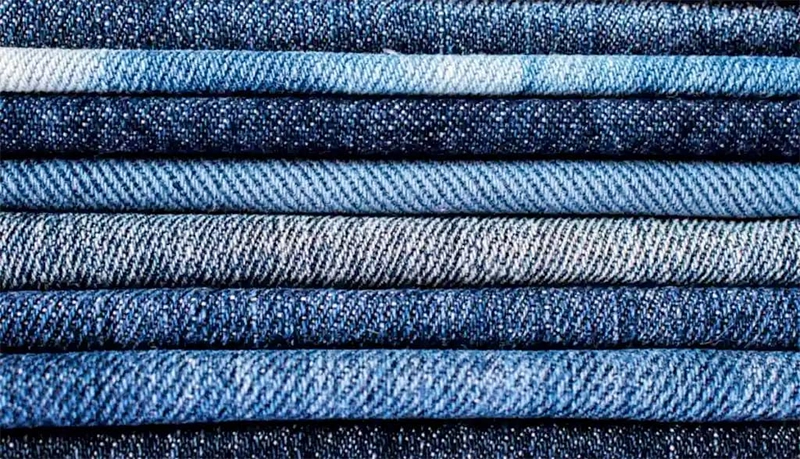
is denim cotton

Denim is one of the most popular and timeless fabrics used worldwide, especially in the creation of jeans, jackets, and other casual wear. Its rugged appearance and durability have made it a staple in fashion across generations. However, many people often wonder about the composition of denim—specifically, whether it is made from cotton or not. Understanding the materials used in denim can help consumers make more informed choices about their clothing, especially those seeking natural fibers or sustainable options. In this article, we will explore the question: “Is Denim Cotton?” and delve into the fabric’s history, composition, and variations.
Is Denim Cotton?
At its core, traditional denim fabric is primarily made from cotton. However, the answer to whether denim is purely cotton is nuanced, as modern manufacturing techniques and fashion trends have introduced variations that include blends and alternative fibers. To fully understand whether denim is cotton, it’s essential to explore its origin, basic fabric composition, and evolving trends in textile manufacturing.
Understanding Denim: The Basics
Denim is a sturdy woven fabric characterized by a diagonal ribbing pattern known as twill weave. This weave gives denim its durability and distinctive appearance. Historically, denim has been used for workwear because of its strength and resilience, making it ideal for jeans and other heavy-duty garments.
The classic denim fabric is made from cotton fibers because cotton offers the perfect combination of softness, breathability, and durability. The natural fiber’s properties make it suitable for everyday wear, especially in clothing items that require frequent washing and wear.
Is Denim Made Exclusively From Cotton?
Traditionally, yes. Most classic denim fabrics are made from 100% cotton fibers. Cotton’s natural strength and comfort were the main reasons it became the standard material for denim production. Cotton fibers are spun into yarns, which are then woven into the twill fabric we recognize as denim.
- Pure Cotton Denim: This is the most common type of denim, made entirely from cotton yarns. It is breathable, softens with wear, and offers excellent comfort.
- Why Cotton? Cotton’s natural properties include moisture absorption, softness, and ease of dyeing, making it ideal for denim.
However, while traditional denim is predominantly cotton, the modern textile industry has evolved to incorporate blends and other fibers to enhance certain qualities or reduce costs.
Blended and Alternative Denim Fabrics
In recent years, manufacturers have started mixing cotton with synthetic fibers like polyester, elastane (spandex), or other textiles to create blended denim fabrics. These blends can offer additional benefits such as stretchability, wrinkle resistance, and improved durability.
- Stretch Denim: Usually contains around 1-3% elastane or spandex blended with cotton, providing flexibility and comfort, especially in fitted jeans.
- Polyester-Blend Denim: Incorporates polyester fibers to enhance strength and reduce shrinking or fading. It’s often more affordable and requires less maintenance.
- Recycled Fibers: Some eco-friendly denim uses recycled polyester or cotton to promote sustainability.
Despite these variations, the core fabric of many denim garments still involves a significant amount of cotton. The presence of synthetic fibers is often labeled on clothing tags, so consumers can identify the composition.
What About Other Types of Denim?
Beyond traditional denim, there are several other fabric types that mimic the look and feel of denim but are made from different materials:
- Cotton-Blend Denim: As mentioned, includes fibers like elastane or polyester for enhanced performance.
- Stretch Denim: Typically cotton with added elastic fibers for better fit and flexibility.
- Non-Cotton Denim Alternatives: Fabrics like linen or hemp can sometimes be woven in a denim-like twill pattern but are not classified as traditional denim.
While these variations might look similar to classic denim, their fabric compositions vary, and they may not be considered “denim” in the strictest sense if they lack significant cotton content.
Environmental Impact and Sustainability
Since traditional denim is made from cotton, its environmental footprint is closely linked to cotton cultivation. Cotton farming requires significant water, pesticides, and land use, raising sustainability concerns. To address this, many brands now focus on sustainable denim options:
- Organic Cotton Denim: Made from cotton grown without harmful chemicals, reducing environmental impact.
- Recycled Cotton Denim: Utilizes post-consumer waste to produce new denim fabric.
- Innovative Fibers: Incorporating recycled polyester or plant-based fibers like hemp or linen to lessen reliance on conventional cotton.
Understanding the fiber content helps consumers make eco-conscious choices, especially when selecting denim products that prioritize sustainability.
How to Identify if Your Denim Is Cotton?
To determine if a pair of denim jeans or fabric is made from cotton, you can:
- Check the Label: Most clothing tags list fabric composition, indicating whether the fabric is 100% cotton or a blend.
- Perform a Burn Test: Carefully burn a small fabric sample; cotton burns with a soft, ash-like residue and smells like burning paper or hair, whereas synthetic fibers tend to melt or produce chemical odors.
- Feel the Fabric: Cotton denim feels soft yet sturdy; blends may add stretchiness or a slicker surface.
Always rely on manufacturer labels for accurate information, especially if you are seeking natural or sustainable materials.
Conclusion: Summarizing the Key Points
In summary, traditional denim fabric is predominantly made from cotton fibers, making it a natural, breathable, and durable material. Classic denim is almost exclusively cotton, valued for its comfort and resilience. However, modern denim often incorporates blends with synthetic fibers like elastane or polyester to enhance stretch, durability, and ease of care. These blends may still contain significant amounts of cotton, but they are not purely cotton fabrics.
Understanding the composition of denim helps consumers choose the right products based on their preferences for natural fibers, sustainability, or performance. Whether you prefer pure cotton denim for its natural feel or blended varieties for added stretch and durability, knowing what your denim is made of ensures you make informed fashion choices that align with your values and needs.