Don't miss our holiday offer - up to 50% OFF!

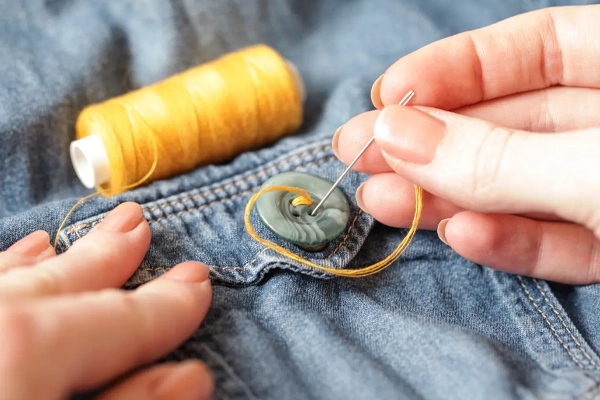
Custom denim buttons

In the world of denim manufacturing, every component tells a story. Among the most understated yet crucial elements of a pair of jeans or a denim jacket is the humble button. Custom denim buttons are far more than functional fasteners; they are signatures of authenticity, emblems of brand identity, and testaments to quality craftsmanship. For a serious garment producer, choosing or designing the right denim button is a decision that influences aesthetics, durability, and consumer perception. This comprehensive guide explores every facet of custom denim buttons—from materials and shapes to branding techniques and finishing processes. As a professional clothing manufacturer, ZENITH CLOTHING understands that the smallest details often leave the deepest impressions. This article will walk you through why custom denim buttons matter and how they elevate a standard piece of denim into a branded, market-ready product.
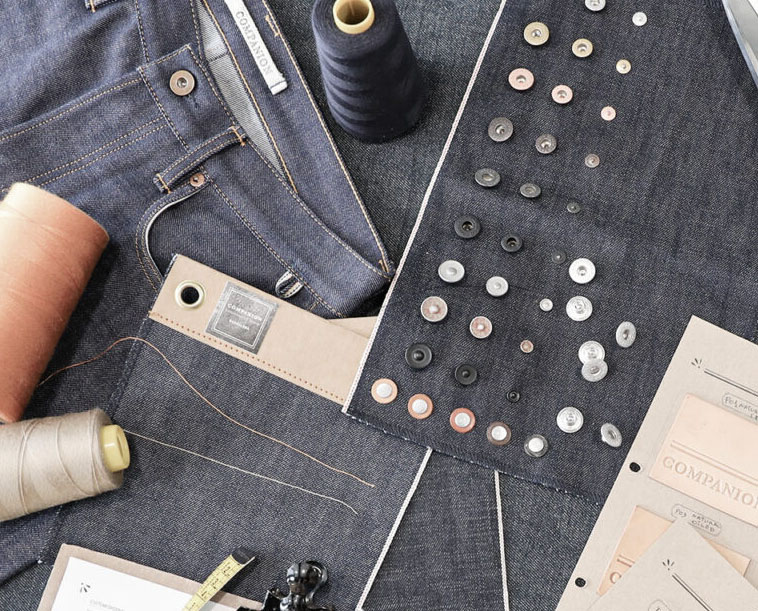
Chapter 1: The Anatomy of a Denim Button
Before delving into customization, it is essential to understand what constitutes a denim button. Unlike standard shirt buttons or plastic snaps, denim buttons are robust, designed to withstand the weight of heavyweight twill and frequent wear. A typical denim button consists of four main parts: the cap, the shell, the nail (or post), and the back part.
The cap is the visible face of the button. It is where branding occurs—logos, patterns, or textures are stamped, embossed, or printed here. The cap is usually made from metal alloys, though it can be coated or plated. The shell sits beneath the cap and adds thickness. The nail is a protrusion that passes through the fabric and locks into the back part, creating a permanent attachment. Understanding this anatomy is critical when ordering custom denim buttons because each component can be tailored to your specifications.
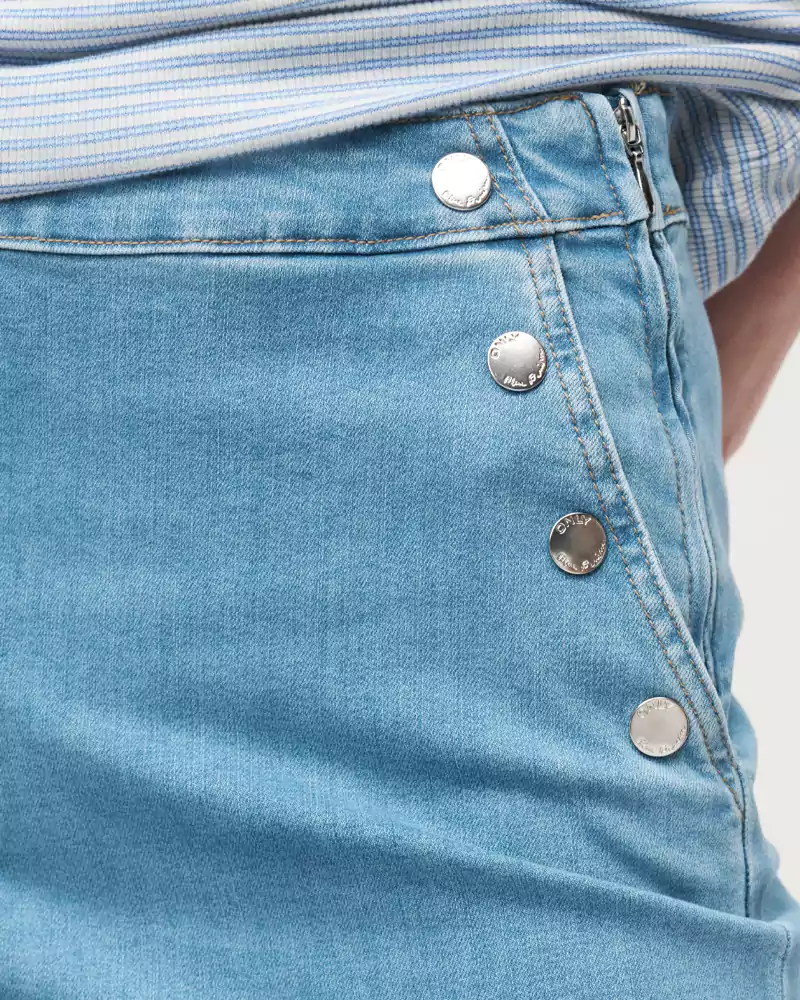
At ZENITH CLOTHING, we insist on dissecting these components with our clients to ensure that every button not only looks appealing but also functions flawlessly during high-speed industrial sewing and riveting.
Chapter 2: Materials Used for Custom Denim Buttons
Material selection is the foundation of any custom denim button. The choice affects weight, corrosion resistance, color, and overall aesthetic. Common materials include brass, copper, zinc alloy, stainless steel, and iron.
- Brass: A classic choice for premium denim. Brass develops a beautiful patina over time and offers excellent corrosion resistance. It is often used for raw or selvedge denim lines.
- Copper: Traditionally associated with authentic workwear and heritage brands. Copper buttons, often left uncoated, age naturally and add a vintage feel.
- Zinc Alloy: Highly versatile and cost-effective. Zinc allows for complex shapes and fine detailing due to its lower melting point. It can be plated with nickel, bronze, or antique finishes.
- Stainless Steel: The strongest option, ideal for heavy-duty workwear or tactical denim. It resists rust and impact but is more challenging to stamp with fine logos.
- Iron: Used for rustic or industrial looks, often with a black oxide coating. Iron is magnetic, which can be a distinguishing quality for certain brands.
Customization extends to surface finishes. Clients can choose from antique brass, nickel, matte black, polished silver, or even dyed finishes. At ZENITH CLOTHING, we maintain a comprehensive material inventory, allowing us to produce custom denim buttons that match the exact weight and hue of your denim fabric.
Chapter 3: Shapes, Sizes, and Functional Design
Custom denim buttons are not limited to the traditional round shape. While the classic domed or flat-faced button remains popular, today’s custom options include square, hexagonal, star-shaped, and even irregular silhouettes. The size typically ranges from 15mm to 28mm in diameter, though larger novelty buttons can be made for center-front closure.
Functionality must never be sacrificed for form. The nail length must correspond to the fabric thickness. Heavyweight denim (12oz to 16oz) requires longer nails and a larger back part to prevent pull-through. Conversely, lightweight denim jackets may use smaller, more refined buttons. Additionally, the torque required to snap or button the fastener should be calibrated—too tight, and customers will struggle; too loose, and the button will feel cheap.
As a manufacturer, ZENITH CLOTHING employs precision die-casting and stamping tools to ensure every custom shape retains structural integrity. We also conduct pull-tests and torque-tests on all prototype buttons before bulk production begins.
Chapter 4: Branding Techniques for Denim Buttons
The “custom” in custom denim buttons is most visible through branding techniques. There are several methods to imprint a brand name, logo, or pattern onto a button cap.
First, embossing raises the design above the surface. This creates a tactile, premium feel and works best with brass or copper. Second, debossing presses the design into the metal, which is ideal for painted or enamel-filled logos. Third, laser engraving offers high precision for complex graphics or small font sizes. Fourth, enamel fills add color to debossed areas—perfect for brands with specific color identities. Fifth, pad printing applies ink directly onto a flat surface, though this is less durable for heavy-wear items.
Most denim brands prefer embossing or debossing because the marks are permanent and do not wear off over time. At ZENITH CLOTHING, we produce custom molds for our clients’ logos at competitive tooling costs. Whether you need a 3D raised lion head or a simple debossed initial, our metalworking team delivers clarity down to 0.1mm detail.
Chapter 5: Matching Buttons to Denim Styles
Not all denim buttons suit all styles. A raw selvedge jean demands a different button than a stretch denim skinny jean or a distressed jacket. Matching the button to the garment’s story is a design principle we teach all our partners.
For vintage-style denim, choose uncoated copper or lightly aged brass buttons. These materials oxidize naturally and align with repro aesthetics. For modern minimalist denim, opt for flat-faced stainless steel or matte black zinc buttons with subtle branding. For women’s denim, smaller-diameter buttons (15mm–18mm) with polished or colored finishes work well. For workwear or utility denim, large 25mm–28mm buttons with deep embossing add a rugged touch and make fastening easier with gloves.
At ZENITH CLOTHING, we help buyers sample multiple button variants against their denim swatches. We believe the interaction between fabric texture and button finish is critical—a brushed antique button against raw denim reads differently than the same button against washed twill.
Chapter 6: Durability and Compliance Standards
Clothing brands must ensure that all hardware meets safety and durability regulations, especially for export markets. Custom denim buttons should pass several tests: lead and nickel content (REACH and Prop 65 compliance), salt spray corrosion resistance, tensile strength, and laundry tests.
Buttons that are not properly sealed can leach metals or discolor denim. Poorly attached buttons can detach and become choking hazards. Reputable manufacturers use automated riveting machines that apply consistent pressure, and they random-sample every batch for pull-force testing.
ZENITH CLOTHING maintains internal testing labs that replicate five years of wear and 50 industrial wash cycles. We certify that all custom denim buttons we produce are free from restricted substances and capable of withstanding everyday abuse. Our compliance documentation accompanies every shipment to North America, Europe, and Asia.
Chapter 7: The Customization Process – From Concept to Bulk
Ordering custom denim buttons follows a structured pathway. First, the brand submits a design file (AI, PDF, or CAD) showing logo dimensions and preferred finish. Second, ZENITH CLOTHING creates a prototype mold—usually in soft brass or tool steel depending on volume. Third, we produce 50–100 sample buttons for physical evaluation. Fourth, upon client approval, we proceed to mass production using automated stamping or casting lines.
Lead times for custom molds range from 10 to 15 days. Mass production of 10,000 to 500,000 buttons typically takes 20 to 30 days. We offer three plating options: barrel plating for high-volume uniformity, rack plating for delicate surfaces, and hand-patina for artisanal batches.
Throughout production, we photograph each stage for client review. Our minimum order quantities for full customization start at 3,000 pieces, but we are flexible for sample runs. Because we are a dedicated garment factory, we can also attach these buttons to finished jeans or jackets in our sewing lines.
Chapter 8: Cost Factors in Custom Denim Buttons
Pricing for custom denim buttons depends on several variables: material cost (brass > zinc alloy), mold complexity (deep 3D embossing costs more than flat debossing), finishing layers (multiple plating steps increase price), and order volume. A standard zinc alloy button with a simple debossed logo may cost $0.08–$0.15 per piece in bulk. A brass button with enamel fill and antique coating could exceed $0.40 per piece.
However, smart brands view buttons as marketing tools. A distinctive custom button reduces counterfeiting risk and increases perceived value. Consumers often identify premium denim by the sound and weight of the button. Investing in better hardware yields higher retail prices and repeat purchases.
ZENITH CLOTHING provides transparent cost breakdowns and offers value engineering: we suggest alternative alloys or simplified designs that preserve visual impact while reducing per-piece costs. We never cut corners on structural safety, but we do help clients balance artistry and budget.
Chapter 9: Common Mistakes to Avoid When Designing Buttons
Through years of manufacturing, we have seen brands repeat similar errors. One common mistake is designing overly intricate logos that become illegible at button scale. A 1.5mm letter may look fine on screen but will blur during stamping. Another error is ignoring the back part—some brands focus only on the cap, forgetting that the back part shows on the inside of the waistband. A branded back part adds another layer of professionalism.
A third mistake is neglecting edge finishing. Sharp edges on zinc buttons can cut threads or scratch skin. Rounded or beveled edges are superior for wearer comfort. Finally, failing to test buttons on actual denim thickness leads to attachment failures. Always send your garment samples to your button supplier.
At ZENITH CLOTHING, we assign a dedicated quality engineer to each custom button project. That engineer checks logo clarity, edge smoothness, and nail grip before we attach buttons to your apparel.
Chapter 10: Why Work with a Full-Package Garment Manufacturer?
Many brands source buttons from one supplier and denim from another, then hire a third factory for assembly. This fragmented approach multiplies logistics costs and quality risks. When buttons arrive late or mismatched, the entire production line stops. Working with a full-package manufacturer like ZENITH CLOTHING consolidates all steps under one roof.
We do not just sell custom denim buttons. We cut, sew, wash, and finish complete denim garments. Our in-house metal workshop produces buttons that are tested on the same denim rolls used for production. If a button’s nail is 0.2mm too short for a 14oz denim, we catch it immediately. Furthermore, we can attach buttons using specialized tacking machines calibrated for your fabric’s shrinkage rate.
Conclusion: ZENITH CLOTHING – Your Partner in Denim Hardware and Apparel Production
Throughout this article, we have explored the vital world of custom denim buttons—from materials and shapes to branding methods, durability standards, and common pitfalls. A great button does more than fasten; it confirms authenticity, communicates brand values, and withstands years of wear. Every major denim brand understands this, and so should you.
ZENITH CLOTHING stands as a professional (garment manufacturing facility) with over a decade of experience serving international denim brands. We are not a trading company. We own our factories, our metal stamping tools, our plating lines, and our garment assembly workshops. Our brand is built on precision, transparency, and a relentless focus on the smallest details—especially the buttons that secure your creations.
When you partner with ZENITH CLOTHING, you receive end-to-end service: custom mold design, material consultation, sample prototyping, mass button production, and full garment assembly. We produce jeans, jackets, shirts, and trousers, and we fit every finished piece with custom hardware that bears your identity. From a single prototype to 100,000 units, we deliver consistent quality and on-time shipping.
Do not let your denim be held together by generic components. Choose customization. Choose reliability. Choose ZENITH CLOTHING.
Contact ZENITH CLOTHING today to request your custom denim button samples and full garment production quote. Let us fasten your brand’s future, one button at a time.