Don't miss our holiday offer - up to 50% OFF!

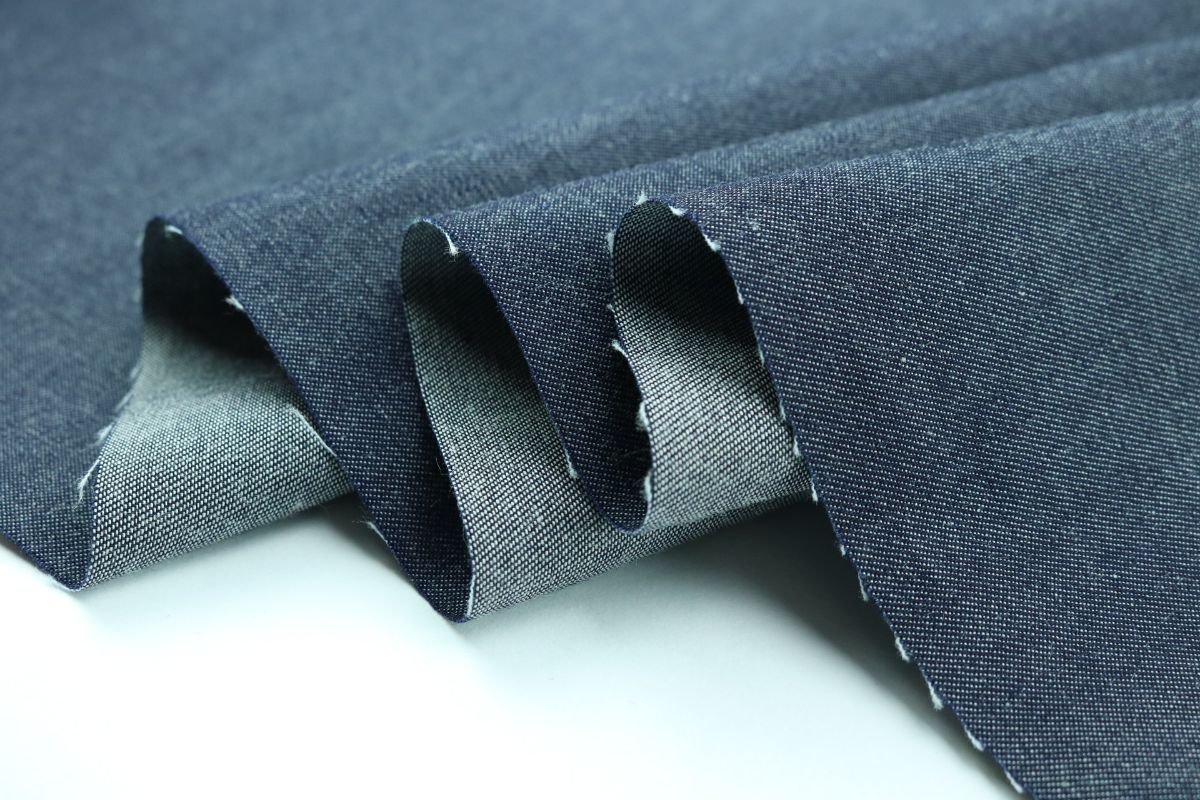
Custom Denim Fabric Printing & Embroidery Service Supplier

1. Introduction to Custom Denim Fabric Customization Services
1.1 The Evolving Landscape of Artisanal Denim Embellishment
The global textile and apparel sector has witnessed a paradigmatic shift in consumer and brand preferences, moving away from commoditized mass-produced denim toward hyper-personalized, artisanal fabric embellishment. Denim, a perennial textile staple celebrated for its sartorial resilience and adaptive aesthetic, has transcended utilitarian workwear boundaries to become a quintessential canvas for creative expression. Contemporary denim customization no longer relies on rudimentary surface modification; it integrates precision engineering, digital innovation, and traditional craftmanship to yield bespoke fabric outcomes. This evolutionary trajectory has elevated specialized denim printing and embroidery suppliers from auxiliary textile vendors to integral creative partners within the modern fashion supply chain.
Artisanal denim embellishment today balances heritage craft techniques with cutting-edge industrial technology. It eschews generic surface finishes in favor of nuanced, brand-aligned detailing that imbues each fabric yardage with singular identity. Market stakeholders now prioritize tactile depth, design exclusivity, and technical precision, creating a robust niche for suppliers specializing in custom denim fabric modification.
1.2 Market Demand for Bespoke Denim Printing and Embroidery Solutions
Escalating consumer demand for differentiated apparel and brand exclusivity has catalyzed exponential growth within the bespoke denim customization market. Fast fashion iterations have saturated mainstream retail channels, prompting emerging designers, established apparel labels, and boutique retailers to seek distinctive fabric customizations that circumvent market homogeneity. Bespoke printing and embroidery services enable brands to infuse cultural motifs, brand iconography, and avant-garde design elements directly into denim substrates, rather than relying on post-garment assembly embellishment.
Small-batch artisanal brands and large-scale fashion conglomerates alike now prioritize pre-production fabric customization to ensure uniform design integration across entire apparel lines. This demand extends beyond aesthetic enhancement; it encompasses functional customization, brand storytelling, and sustainable product differentiation in an increasingly competitive global marketplace.
1.3 Core Value Proposition of Specialized Denim Service Suppliers
Professional custom denim fabric printing and embroidery suppliers deliver a multifaceted value proposition that transcends basic textile modification services. Unlike general fabric printers, niche denim specialists possess granular expertise in denim’s unique structural properties—including its dense twill weave, variable stretch coefficients, and rigid cellular composition—to execute flawlessly calibrated customizations. These suppliers integrate technical proficiency, creative consultation, and scalable production frameworks to deliver tailored solutions for diverse client requirements.
Their core competencies include design translational accuracy, material-specific technical adaptation, rigorous quality control, and sustainable production adherence. By centralizing printing and embroidery operations in specialized facilities, these vendors eliminate third-party operational discrepancies, streamline production timelines, and maintain uncompromising aesthetic and structural consistency across all customized denim fabric outputs.
2. Fundamental Differentiation Between Denim Printing and Embroidery
2.1 Textural and Tactile Disparities of Printed Versus Embroidered Denim
Printed denim customization yields a planar, homogeneous surface modification that preserves the textile’s inherent twill texture while overlaying graphic imagery, typography, or patterned detailing. The technique deposits pigment or dye substrates onto the fabric surface, resulting in a seamless, low-profile finish ideal for intricate gradient designs, photorealistic imagery, and expansive surface patterning. The tactile experience remains consistent with raw denim, with no elevated surface topography to alter wearability or fabric drape.
Embroidery, by contrast, introduces heterogenous tactile dimensionality through threaded stitchwork that physically augments the denim surface. Each stitch creates micro-topographical variation, generating tactile depth, structural texture, and visual prominence that printed finishes cannot replicate. This textural contrast makes embroidery ideal for accentuated branding, intricate motif work, and premium tactile detailing that elevates perceived product value.
2.2 Durability and Longevity Metrics for Each Customization Technique
Durability profiling diverges significantly between printed and embroidered denim customizations, dictated by their respective material application methodologies. High-quality industrial denim printing utilizes cured pigment inks that penetrate fabric twill interstices, resisting superficial abrasion, routine laundering, and UV photodegradation. However, printed finishes may exhibit gradual chromatic attenuation over extensive wear cycles, particularly on high-friction denim zones such as pant knees and jacket cuffs.
Embroidery boasts superior structural longevity due to its mechanical integration with the denim substrate. Stitched threadwork becomes intrinsically bonded to the fabric weave, eliminating the risk of surface peeling or complete design degradation. Premium industrial embroidery utilizes high-tenacity polyester or cotton-core threads engineered to withstand repeated laundering, mechanical stretching, and environmental exposure, rendering embroidered detailing a semi-permanent customization solution.
2.3 Aesthetic Versatility and Design Limitations of Both Modalities
Denim printing exhibits unparalleled aesthetic versatility for complex, high-volume graphic designs. It supports seamless gradient transitions, photorealistic rendering, multi-color layering, and large-format surface coverage without incremental cost escalation. This modality excels at abstract patterns, photographic artwork, all-over fabric patterning, and subtle tonal washes that define contemporary casual denim aesthetics. Its primary limitation lies in an inability to produce tactile depth or three-dimensional design elements.
Embroidery thrives in precision, high-detail accent design and structural aesthetic enhancement. It delivers crisp, defined edges for logographic elements, minimalist motifs, and symbolic iconography while adding premium textural hierarchy. Conversely, embroidery faces inherent limitations with ultra-fine gradient blending, expansive full-fabric coverage, and microscopic detail rendering, where printing technologies achieve superior fidelity. Many premium brands leverage hybrid methodologies to offset the individual limitations of each technique.
3. Premium Denim Fabric Printing Techniques Offered by Professional Suppliers
3.1 Digital Direct-to-Fabric (DTF) Denim Printing Technology
Digital Direct-to-Fabric printing represents the apex of modern precision denim customization technology utilized by premium suppliers. This industrial-grade digital printing methodology employs high-resolution piezoelectric printheads to deposit water-based pigment inks directly onto denim twill substrates with microscopic positional accuracy. The process eliminates traditional screen-based setup constraints, enabling instantaneous design iteration, micro-batch production, and intricate multi-color design rendering with zero screen registration error.
DTF printing excels for bespoke, low-volume custom denim orders, prototype development, and limited-edition apparel lines. It delivers exceptional color fidelity, fine-line precision, and soft hand-feel that avoids rigid ink buildup on denim surfaces. Advanced supplier systems incorporate pre-treatment coating protocols to enhance ink adhesion and wash fastness, ensuring printed designs withstand industrial laundering protocols without significant degradation.
3.2 Traditional Screen Printing for Bulk Denim Fabric Customization
Screen printing remains an indispensable staple for high-volume denim fabric customization, favored by professional suppliers for its cost-efficiency, color vibrancy, and robust abrasion resistance. The technique utilizes custom-fabricated mesh screens to selectively deposit opaque or semi-transparent ink layers onto denim substrates, enabling consistent mass replication of solid-color graphics, block patterns, and brand insignia. Industrial screen-printing workflows support standardized color calibration and layer registration for uniform batch production outcomes.
Reputable suppliers optimize screen-printing methodologies specifically for denim’s dense twill structure, utilizing high-viscosity inks that penetrate fabric interstices rather than resting exclusively on the surface. This modified approach mitigates ink cracking during fabric stretching and enhances long-term wear durability. Screen printing remains the most economically viable solution for large-quantity denim customization orders requiring uniform color saturation and structural resilience.
3.3 Discharge and Pigment Printing for Vintage Denim Aesthetics
Discharge and pigment printing are specialized vintage-focused techniques deployed by premium denim suppliers to replicate artisanal retro aesthetics. Discharge printing employs chemical bleaching agents to remove inherent denim indigo pigment from targeted fabric zones, creating negative-space designs with authentic faded vintage character. The technique integrates seamlessly with indigo-dyed denim, yielding soft, organic tonal variations that mimic decades of natural wear and laundering.
Pigment printing utilizes opaque, low-cure pigment inks that rest superficially on denim surfaces, creating a muted, broken-in aesthetic synonymous with vintage casual apparel. Unlike reactive dye printing, pigment printing resists full fabric saturation, retaining a distressed, artisanal finish highly coveted by heritage denim brands. Expert suppliers calibrate pigment density and curing temperatures to balance vintage aesthetic authenticity with modern wash-fastness standards.
3.4 Sublimation Printing for High-Definition Gradient Denim Designs
Sublimation printing is a sophisticated thermal transfer technique reserved for premium stretch denim blends containing polyester composite fibers. The process utilizes heat-activated dye sublimation to infuse color molecules directly into fabric fiber structures, rather than overlaying surface ink. This molecular integration delivers unparalleled gradient smoothness, photorealistic detail, and zero surface texture alteration, preserving denim’s original soft hand-feel and drape.
Professional suppliers deploy sublimation printing for avant-garde denim designs requiring seamless color blending, intricate tonal transitions, and high-definition imagery replication. The technique eliminates common printing flaws such as banding, pixelation, and ink rigidity, producing hyper-premium customized denim ideal for high-fashion runway and luxury streetwear applications. Its primary constraint is fiber composition dependency, limiting exclusive use on pure cotton rigid denim variants.
4. Advanced Denim Embroidery Methodologies for Commercial Applications
4.1 Flat Satin Stitch Embroidery for Precision Brand Detailing
Flat satin stitch embroidery is the foundational precision technique utilized for commercial denim brand customization, delivering uniform, smooth stitch coverage for logographic elements, lettering, and compact motif detailing. This densely packed stitch variant creates a continuous, lustrous thread surface with crisp, defined perimeters, ensuring uncompromising design clarity on denim’s textured twill background. Industrial computerized embroidery systems calibrate stitch density dynamically to accommodate denim’s variable fabric tension profiles.
Expert suppliers optimize satin stitch parameters exclusively for denim substrates, adjusting stitch length, thread tension, and underlay stitching to prevent fabric puckering, stitch distortion, or thread breakage. The resulting finish presents a sleek, professional aesthetic ideal for corporate branding, luxury logo detailing, and minimalist design accents across denim apparel and accessory lines.
4.2 3D Puff Embroidery for Tactile Denim Surface Dimension
3D puff embroidery is a premium tactile customization technique that introduces pronounced three-dimensional topography to denim fabric surfaces. The methodology incorporates compressible foam underlays beneath standard embroidery stitchwork, which compresses and sets during industrial heat pressing to create elevated, volumetric design elements. This structural augmentation transforms flat two-dimensional motifs into prominent, tactile features that enhance product premiumization and visual distinction.
Specialized denim suppliers utilize density-calibrated foam underlays and high-tenacity thread systems to ensure long-term structural integrity. The finished 3D embroidery resists flattening during laundering, stretching, and routine wear, maintaining consistent dimensionality throughout the product lifecycle. This technique is predominantly deployed for statement branding, crest emblems, and focal design features on premium denim jackets, jeans, and lifestyle apparel.
4.3 Appliqué and Chenille Embroidery for Textural Complexity
Appliqué embroidery integrates secondary fabric substrates layered atop base denim, secured with precision border stitchwork to create composite textural and visual contrast. This technique enables suppliers to incorporate alternate fabric colors, textures, and material properties within singular denim designs, facilitating intricate patchwork motifs, geometric layering, and bespoke graphic segmentation. Industrial-grade appliqué employs reinforced bartack stitching at stress points to prevent delamination during fabric flexure.
Chenille embroidery delivers velvety, plush textural depth through specialized looped stitch architecture, generating a soft, fuzzy surface distinct from traditional thread embroidery. The technique introduces luxurious tactile contrast against denim’s coarse twill texture, making it ideal for retro collegiate styling, luxury accent detailing, and elevated casual wear customization. Reputable suppliers calibrate chenille stitch spacing to balance textural richness and wear resistance for commercial-grade durability.
4.4 Specialty Stitch Variants: Chain, Sequin, and Cord Embroidery
Specialty stitch variants expand the creative bandwidth of commercial denim embroidery for niche and luxury market applications. Chain stitch embroidery replicates vintage hand-stitched aesthetics with continuous looping stitchwork, delivering organic, artisanal detailing highly sought after by heritage denim labels. Its flexible stitch structure accommodates denim’s stretch dynamics without compromising structural integrity, making it suitable for dynamic wear zones.
Sequin and cord embroidery introduce ornamental dimensionality and reflective visual dynamism to customized denim. Sequin integration utilizes micro-faceted reflective sequin elements secured with precision stitching, creating light-reactive surface detailing for fashion-forward apparel. Cord embroidery incorporates textured textile cords stitched into denim substrates, generating raised linear motifs and structural patterning. These specialty techniques enable suppliers to deliver hyper-customized, trend-aligned denim solutions for high-fashion and boutique retail clientele.
5. Integrated Customization: Combined Printing and Embroidery Denim Solutions
5.1 Strategic Design Synergy for Hybrid Embellishment
Hybrid denim customization—integrating printing and embroidery methodologies—creates layered design synergy that surpasses the aesthetic limitations of singular techniques. Strategic design integration utilizes printed base layers to establish expansive background patterns, tonal gradients, and graphic foundations, while embroidered elements serve as focal accent features, structural outlines, and premium tactile highlights. This hierarchical layering generates multi-dimensional visual and tactile depth that elevates denim product exclusivity.
Professional suppliers employ dedicated design technicians to curate complementary technique pairings aligned with brand aesthetic objectives. For minimalist collections, subtle tonal printed washes frame crisp embroidered logo accents; for avant-garde lines, intricate photorealistic printed backdrops support sculptural 3D embroidered focal motifs. This intentional synergy ensures cohesive design storytelling across customized denim fabric outputs.
5.2 Technical Considerations for Layered Fabric Customization
Layered hybrid customization requires rigorous technical calibration to mitigate structural and aesthetic inconsistencies across denim substrates. Suppliers must prioritize procedural sequencing to avoid compromising material integrity: printed base layers fully cure prior to embroidery application to prevent ink smudging, thread adhesion interference, or fabric distortion. Tension calibration is critical throughout dual-process production, as denim’s dense weave requires adjusted machine tension settings for both printing deposition and stitch formation.
Additional technical considerations include color matching standardization across ink and thread mediums, fabric shrinkage pre-compensation, and layered element alignment precision. Premium suppliers implement digital pre-production simulation to validate layered design integrity, eliminating batch inconsistencies and ensuring uniform dimensional alignment between printed and embroidered components across full-scale production runs.
6. Qualitative Denim Fabric Substrates for Custom Printing and Embroidery
6.1 Rigid Raw Denim for Heritage-Style Custom Embellishment
Rigid raw denim, composed of 100% cotton twill with zero elastane integration, serves as the premier substrate for heritage-style custom embellishment. Its unwashed, unsanforized structural composition delivers exceptional dimensional stability during printing and embroidery processing, minimizing fabric shrinkage, stitch distortion, and ink misalignment. The dense, crisp twill weave provides robust structural support for intricate embroidery stitchwork and high-precision printed detailing.
Specialized suppliers leverage raw denim’s natural patina development properties to enhance customized design longevity. Post-customization vintage washing and finishing processes accentuate printed fade patterns and embroidered texture contrast, creating evolving aesthetic depth that improves with wear. This substrate is predominantly specified by heritage denim brands, artisanal designers, and premium casual wear labels seeking authentic traditional denim character.
6.2 Stretch Denim Blends for Contemporary Apparel Customization
Modern stretch denim blends integrate micro percentages of elastane fiber to deliver flexible, body-conforming wearability ideal for contemporary apparel silhouettes. These composite substrates require specialized customization protocols from suppliers to accommodate dynamic fabric tension and stretch recovery properties. Standard embroidery and printing parameters require recalibration to prevent stitch puckering, ink cracking, and design distortion during fabric flexion.
Professional suppliers utilize stretch-compatible thread systems and flexible pigment inks engineered to synchronize with denim’s stretch and recovery cycles. Embroidery workflows incorporate relaxed tension stitching and expanded underlay structures to maintain design integrity during fabric movement, while printing utilizes elastic ink formulations that flex congruently with substrate movement. Stretch denim customization dominates contemporary fast fashion, athleisure, and modern casual apparel markets.
6.3 Lightweight and Heavyweight Denim Grade Applications
Denim weight grading directly dictates customization technique viability and finished aesthetic outcomes. Lightweight denim variants (4–7 oz) feature reduced fiber density and increased fabric pliability, requiring delicate low-tension embroidery stitching and thin-layer ink deposition to prevent fabric buckling or transparency distortion. These substrates excel at subtle, intricate customizations for lightweight shirts, blouses, and casual outerwear.
Heavyweight denim variants (12–16 oz) possess robust structural rigidity, supporting high-density embroidery, 3D puff detailing, and thick-layer screen printing without structural compromise. Their dense fiber composition accommodates aggressive post-customization finishing, including stone washing, enzyme treatment, and industrial laundering. Suppliers strategically match fabric weight to customization complexity, ensuring optimal aesthetic output and structural durability for each specific apparel application.
7. End-to-End Production Workflow of a Premium Denim Service Supplier
7.1 Client Consultation and Design Iteration Phase
The premium denim customization workflow commences with granular client consultation to elucidate brand aesthetic objectives, technical specifications, and functional requirements. Supplier design specialists conduct collaborative needs assessments covering design motif parameters, color profiling, fabric substrate selection, end-product application, and production scale requirements. This foundational phase eliminates speculative production and ensures complete alignment between client vision and technical feasibility.
Iterative design refinement follows initial consultation, with suppliers providing technical design feedback to optimize artwork for denim-specific customization constraints. Raw artwork is adjusted for fabric scale, stitch density limitations, ink deposition parameters, and wash-fastness requirements, ensuring conceptual designs translate seamlessly into manufacturable denim customizations.
7.2 Digital Artwork Digitization and Technical Pattern Calibration
Post-design finalization, suppliers execute professional artwork digitization and pattern calibration for industrial production. Embroidery-specific digitization converts raster or vector artwork into machine-readable stitch files, calibrating stitch density, underlay architecture, thread sequencing, and tension mapping tailored explicitly for denim substrates. Printing artwork undergoes color separation, resolution enhancement, and layer optimization to accommodate selected printing methodologies.
Technical calibration includes fabric shrinkage pre-calculation, design scaling standardization, and color profile synchronization with industrial production equipment. This rigorous digital preparation eliminates production anomalies, ensures batch uniformity, and establishes standardized technical parameters for full-scale manufacturing replication.
7.3 Pre-Production Sampling and Prototype Validation
Reputable suppliers mandate pre-production sampling as a quality control prerequisite prior to bulk manufacturing. Physical fabric prototypes are produced utilizing identical equipment, materials, and processes scheduled for full-scale production. Samples undergo multi-dimensional evaluation for color fidelity, design precision, structural durability, fabric integrity, and aesthetic alignment with client specifications.
Client prototype approval formalizes technical production standards, establishing a benchmark for batch consistency. Any identified discrepancies trigger iterative adjustment of digitized patterns, ink formulations, or stitch parameters until prototype outcomes meet rigorous brand quality thresholds. This phase mitigates costly bulk production errors and guarantees client satisfaction prior to mass output.
7.4 Full-Scale Bulk Fabric Customization Production
Upon prototype validation, suppliers initiate synchronized full-scale bulk production utilizing calibrated industrial workflows. Production lines operate under standardized operational protocols to maintain uniform machine settings, material sourcing consistency, and process sequencing across all production units. Specialized production teams oversee dedicated printing and embroidery lines to ensure technique-specific quality adherence.
Scalable production infrastructure accommodates variable order volumes, from small-batch artisanal runs to large-scale industrial manufacturing requirements. All production activity occurs in-house to eliminate third-party vendor inconsistencies, supply chain delays, and quality variance. Real-time production monitoring enables proactive mitigation of operational anomalies throughout the manufacturing cycle.
7.5 Post-Production Finishing, Washing, and Curing Processes
Post-production finishing is integral to optimizing customized denim aesthetic and functional performance. Printed denim undergoes precision heat curing to polymerize ink substrates, enhancing wash fastness, abrasion resistance, and color stability. Embroidered denim proceeds through tension normalization processes to eliminate minor fabric distortion induced by high-density stitchwork.
Suppliers offer bespoke finishing treatments including enzyme washing, ozone fading, stone washing, and eco-friendly pigment neutralization to achieve targeted vintage or modern aesthetic profiles. These finishing processes refine surface texture, soften fabric hand-feel, and standardize color tonality across production batches while adhering to sustainable textile processing protocols.
7.6 Rigorous Quality Assurance and Defect Mitigation
Final quality assurance encompasses multi-stage inspection protocols to identify and remediate production defects. Quality control technicians evaluate customized denim for color consistency, design alignment, stitch integrity, ink adhesion, fabric distortion, and surface blemishes. Statistical process control methodologies monitor batch uniformity, flagging systematic production variances for immediate process recalibration.
Defective units are segregated, reworked where feasible, or eliminated from final shipment to preserve output integrity. Comprehensive quality documentation validates compliance with industry standards and client specifications, providing full production traceability for commercial accountability. Only fully validated, defect-free customized denim fabric proceeds to final packaging and distribution.
8. Sustainability Protocols in Modern Denim Customization Services
8.1 Eco-Friendly Ink and Thread Material Sourcing
Contemporary premium denim suppliers prioritize sustainable material sourcing to mitigate the environmental footprint of fabric customization operations. Eco-conscious ink formulations utilize water-based, low-VOC pigment compositions free from hazardous azo dyes, heavy metals, and toxic chemical additives. These sustainable inks deliver equivalent color vibrancy and wash fastness as conventional alternatives while minimizing atmospheric and water contamination risks.
Sustainable thread sourcing prioritizes recycled polyester, organic cotton, and biodegradable filament threads for embroidery applications. These materials reduce virgin fiber consumption, divert textile waste from landfills, and align with global circular economy initiatives. All sustainable materials undergo third-party certification validation to ensure compliance with international textile environmental standards.
8.2 Water-Conscious Finishing and Waste Reduction Methodologies
Traditional denim finishing processes are historically water-intensive, prompting modern suppliers to implement water-conscious operational protocols. Advanced ozone washing and laser finishing technologies eliminate excessive water utilization by replacing aqueous treatment cycles with dry mechanical and chemical modification systems. These innovations reduce process water consumption by up to 70% while maintaining premium finishing quality.
Waste reduction frameworks include digital pre-production simulation to minimize prototype material waste, precise on-demand material cutting to eliminate excess fabric scrap, and residual ink recycling systems to repurpose unused pigment solutions. Comprehensive waste segregation and textile recycling programs further operationalize sustainable production practices, positioning compliant suppliers as industry leaders in eco-friendly denim customization.
9. Key Client Verticals for Custom Denim Printing and Embroidery Services
9.1 Luxury and Contemporary Fashion Apparel Brands
Luxury and contemporary fashion brands represent a primary client vertical for premium custom denim customization services. These labels prioritize exclusive, low-volume, high-detail fabric customizations that convey brand prestige and artistic differentiation. Suppliers deliver hyper-personalized hybrid printing and embroidery solutions, intricate artisanal detailing, and bespoke finishing treatments aligned with high-fashion aesthetic standards.
Luxury clients require rigorous quality consistency, precise color calibration, and innovative design execution to support runway collections and premium retail lines. Supplier flexibility for iterative design development and small-batch exclusive production caters directly to the niche, exclusive market positioning of luxury denim apparel.
9.2 Streetwear and Casual Wear Label Customization
Streetwear and contemporary casual wear labels dominate mid-volume denim customization demand, prioritizing bold graphic printing, statement embroidery, and trend-aligned hybrid detailing. These clients favor versatile, eye-catching fabric customizations that resonate with youth consumer demographics and support limited-edition product drops.
Suppliers servicing streetwear brands balance aesthetic innovation with cost-efficient scalable production, delivering diverse techniques including oversized graphic printing, 3D puff logo embroidery, distressed vintage finishes, and hybrid layered customization. Rapid prototyping and accelerated production lead times accommodate the fast-cycle trend cadence of contemporary streetwear markets.
9.3 Corporate Branded Apparel and Uniform Denim Solutions
Corporate and institutional clients procure custom denim customization services for branded uniform programs, promotional apparel, and corporate lifestyle merchandise. This vertical prioritizes precise brand compliance, color standardization, and durable low-maintenance customizations suitable for repeated professional wear and commercial laundering.
Suppliers deliver standardized logo embroidery, subtle tonal printed branding, and uniform fabric customization consistent with corporate brand guidelines. Strict batch uniformity, color matching accuracy, and scalable production capacity enable consistent branded denim apparel deployment across large organizational teams and regional divisions.
9.4 Artisanal Independent Designer and Small-Batch Clientele
Independent artisanal designers and small-batch apparel creators require flexible, low-minimum-order denim customization solutions that prioritize creative autonomy and technical precision. These clients pursue unique, handcrafted aesthetic outcomes that differentiate boutique product lines from mass-market denim offerings.
Specialized suppliers accommodate micro-batch production runs, bespoke one-off customizations, and iterative design experimentation unavailable through conventional textile manufacturers. Collaborative design support, flexible technique integration, and artisanal finishing options empower independent creators to actualize niche, concept-driven denim apparel collections.
10. Critical Criteria for Selecting a Reputable Denim Customization Supplier
10.1 Technical Equipment Infrastructure and Technological Agility
A reputable denim customization supplier maintains a diversified industrial equipment infrastructure encompassing modern digital printing machinery, computerized multi-head embroidery systems, and specialized denim finishing hardware. Technological agility dictates operational capability to execute diverse customization techniques, from high-resolution digital printing to complex multi-stitch embroidery variants.
Forward-thinking suppliers consistently upgrade equipment systems to integrate emerging textile technologies, ensuring alignment with evolving design trends and quality standards. In-house equipment verticalization eliminates reliance on external subcontractors, preserving production control, quality consistency, and operational efficiency across all customization workflows.
10.2 MOQ Flexibility and Scalable Production Capacity
Optimal suppliers balance low minimum-order-quantity flexibility for small-batch and prototype projects with robust scalable capacity for large industrial production runs. MOQ flexibility is critical for emerging designers, seasonal micro-collections, and limited-edition product launches that require minimal inventory commitment.
Concurrent scalable production infrastructure enables seamless upscaling for established brand bulk orders without compromising quality or lead-time efficiency. This dual-capability model accommodates the full spectrum of client requirements, from artisanal one-off customizations to mass-market industrial denim production.
10.3 Quality Consistency Certification and Industry Compliance
Credible denim customization suppliers maintain rigorous third-party quality certifications and industry compliance validating material safety, production consistency, and environmental accountability. Key compliance frameworks include textile color fastness standards, hazardous substance restriction protocols, and sustainable manufacturing certifications.
Consistent batch quality control systems and documented operational standardization ensure uniform output across all production cycles. Certified suppliers provide transparent quality validation, enabling brands to substantiate product quality claims and meet international retail market entry requirements.
10.4 Lead Time Efficiency and Supply Chain Reliability
Supply chain reliability and lead-time efficiency are pivotal supplier selection metrics for commercial apparel brands. Integrated in-house production workflows eliminate third-party coordination delays, enabling accelerated prototyping, production, and order fulfillment cycles. Reliable suppliers maintain transparent production scheduling and proactive communication throughout project lifecycles.
Strategic inventory management of core denim substrates and customization materials prevents production bottlenecks and order delays. Consistent lead-time adherence enables brands to align customized denim procurement with seasonal product launch calendars and retail distribution schedules.
11. Common Industry Challenges and Supplier Remediation Strategies
11.1 Mitigating Print Fading and Embroidery Thread Degradation
Print fading and thread degradation are prevalent long-term performance challenges in customized denim products, stemming from substandard material selection and insufficient post-production curing. Premium suppliers mitigate print fading through high-pigment-density ink formulations, extended heat-curing cycles, and pre-print fabric treatment protocols that amplify ink-substrate bonding.
Embroidery thread degradation is remediated via high-tenacity, abrasion-resistant thread materials and optimized stitch density balancing. Excessively dense stitching creates rigid stress points prone to fraying, while insufficient density compromises design integrity. Precision calibrated stitch architecture ensures thread flexibility and structural resilience throughout extended wear and laundering cycles.
11.2 Resolving Fabric Tension and Stitch Distortion Issues
Denim’s dense twill structure and variable stretch properties frequently induce fabric tension irregularities during embroidery and printing processes, resulting in puckering, warping, and stitch distortion. Expert suppliers implement pre-production fabric relaxation protocols to normalize substrate tension prior to customization, eliminating residual fabric stress.
Dynamic machine tension calibration adjusts operational parameters in real time based on fabric weight, stretch composition, and customization technique. Stabilizing backing substrates and specialized fabric hooping systems maintain uniform planar fabric alignment during embroidery, eliminating distortion and preserving pristine surface flatness.
11.3 Addressing Color Discrepancies Across Production Batches
Batch-to-batch color inconsistency remains a pervasive industry challenge driven by variable material lots, environmental production conditions, and manual operational variance. Professional suppliers implement standardized color calibration systems, digital spectrophotometer color matching, and fixed environmental production controls to eliminate chromatic discrepancy.
Centralized material sourcing and pre-production color validation ensure uniform ink, thread, and denim substrate tonality across all production runs. Batch sampling at progressive production intervals enables real-time color adjustment, maintaining homogenous color fidelity throughout large-scale manufacturing cycles.
12. Future Innovations Reshaping Denim Customization Services
12.1 AI-Powered Design Simulation and Pre-Production Visualization
Artificial intelligence integration is revolutionizing pre-production denim customization workflows through hyper-realistic design simulation and predictive quality modeling. AI algorithms generate photorealistic digital renderings of customized denim outcomes, enabling clients to visualize finished results prior to physical production. This technology eliminates iterative physical prototyping waste and accelerates design validation timelines.
Advanced AI systems also predict technical production anomalies, including potential color variance, stitch distortion, and ink adhesion issues, enabling proactive parameter adjustment. Machine learning analytics continuously optimize production parameters based on historical project data, progressively enhancing output precision and consistency.
12.2 Smart Textile Integration with Printed and Embroidered Denim
Emerging smart textile technology integration expands the functional customization potential of modern denim. Suppliers are pioneering hybrid customization solutions that merge conventional printing and embroidery with conductive thread stitching, thermochromic ink printing, and interactive textile components. These innovations transform passive decorative customization into dynamic, responsive denim features.
Smart denim customizations enable temperature-responsive color shifting, wearable connectivity integration, and interactive surface detailing for futuristic fashion applications. This evolving service vertical positions forward-thinking suppliers at the forefront of technical apparel innovation and experimental fashion design.
12.3 Circular Economy Practices for Sustainable Denim Customization
Circular economy frameworks are redefining sustainable denim customization by prioritizing material recyclability, upcycling, and waste circularity. Progressive suppliers implement upcycled denim customization services, refurbishing post-consumer denim substrates with premium printing and embroidery to create renewed, high-value apparel products.
Closed-loop material systems recycle residual ink, thread, and fabric waste back into production workflows, minimizing landfill contribution. Sustainable end-of-life design protocols ensure customized denim products remain recyclable, eliminating permanent textile waste generation. These circular practices establish environmentally regenerative operational standards for the denim customization industry.
13. Conclusion: The Strategic Value of Specialized Denim Customization Suppliers
Custom denim fabric printing and embroidery service suppliers occupy an indispensable strategic role within the global fashion textile ecosystem, bridging technical manufacturing precision with creative design innovation. Their specialized expertise in denim-specific material behavior, multi-technique customization execution, and quality-controlled production delivers differentiated value that general textile vendors cannot replicate. By integrating traditional artisanal craft with industrial technological advancement, these suppliers enable brands of all scales to translate creative vision into premium, durable, and market-competitive customized denim products.
As the fashion industry continues prioritizing personalization, sustainability, and technical innovation, the strategic importance of specialized denim customization suppliers will only amplify. Their ability to balance aesthetic versatility, structural durability, scalable production, and eco-conscious operations positions them as critical creative and manufacturing partners for the future of global denim apparel. Selecting a qualified, technically proficient, and client-centric denim customization supplier remains a foundational determinant of brand differentiation, product quality, and long-term market success within the competitive contemporary fashion landscape.