Don't miss our holiday offer - up to 50% OFF!

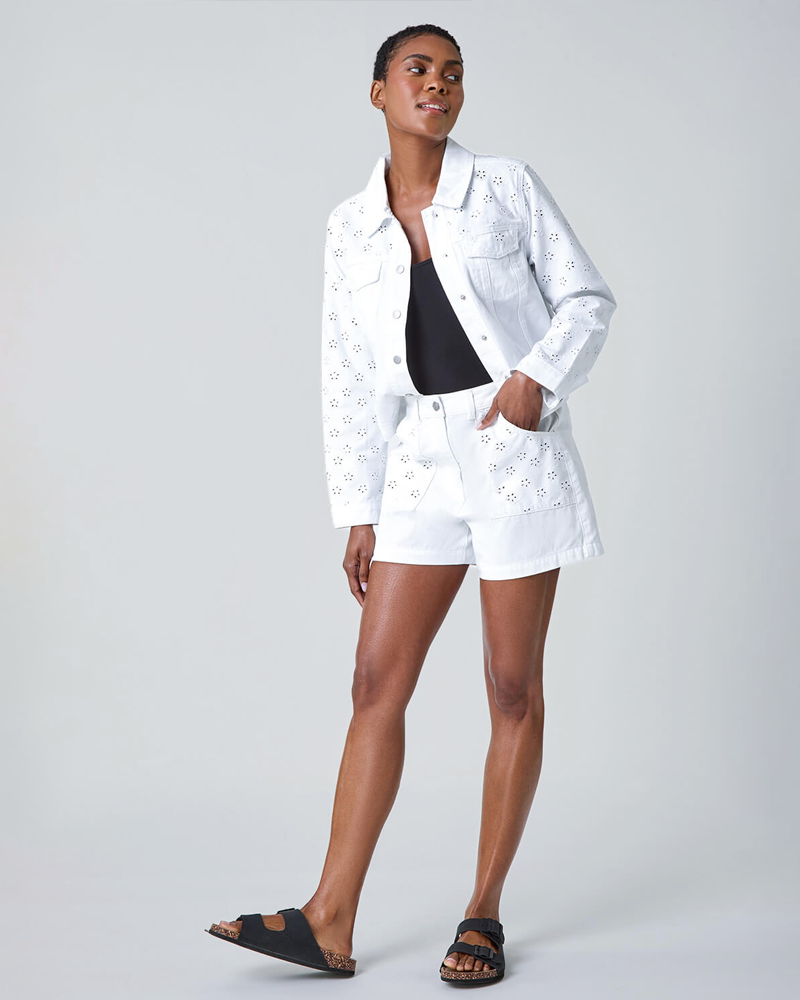
Custom Embroidered Denim Shorts | OEM Streetwear Denim Jorts

1. Introduction: The Jorts Renaissance
There is a certain dialectical tension in the world of fashion—a perpetual swing between the ultra-tailored and the supremely relaxed. Currently, the pendulum has swung decisively towards comfort, and leading the charge is a garment that, until recently, was dismissed as fashion kryptonite: the jort. Yes, we are talking about denim shorts that skim the knee, baggy, bold, and unapologetically retro. Far from being relegated to the bargain bin of dad fashion, custom embroidered denim shorts have become the de facto uniform of the style cognoscenti. The trend has become so ubiquitous that searches have skyrocketed; for instance, “jorts outfit” saw a 600% increase in searches on Pinterest last year . This resurgence is a clarion call for streetwear brands looking to capitalize on the moment.
2. What Exactly Are Jorts?
Let’s dispel the confusion immediately. Jorts are not simply cut-off jeans or the tight, “Daisy Duke” style shorts. The term, a portmanteau of “jeans” and “shorts,” specifically refers to a longer, looser silhouette that usually ends right at or slightly below the knee . We are talking about that iconic, skater-inspired, baggy look that provides an almost architectural volume to the lower half. The aesthetic is distinctly casual, rooted in skate culture and the golden era of hip-hop. The modern iteration of this classic is often seen in oversized cuts with raw hems and intricate embellishments, cementing their status as the core of OEM streetwear denim jorts collections .
3. From the 90s to Y2K: A Brief History of Denim Shorts
To understand the current mania, we must trace the lineage back to the 1990s. The look was popularized by New York rappers like the Wu-Tang Clan and Mobb Deep, who favored baggy, functional silhouettes . Simultaneously, the laid-back vibe of skateboarding culture embraced the loose fit for its unrestricted movement. Interestingly, while the style was born in the 90s, the nomenclature “jorts” didn’t emerge until the 2000s, where it became associated with punk rock culture . This backstory gives jorts a “heritage” that blends musical genres and subcultures, making them a potent cultural symbol in today’s Y2K-obsessed landscape.
4. The Unisex Appeal of Baggy Silhouettes
One of the most compelling aspects of this trend is its fluidity. While early documentation often attributes the trend to male skaters and rappers, the resurgence is distinctly unisex. The baggy silhouette breaks away from rigid gender norms that dictate how clothing “should” fit. Brands are increasingly designing jorts in a unisex size range (often S-6XL), recognizing that the aesthetic is about attitude rather than gender . Whether styled with a cropped top and chunky sneakers or an oversized hoodie and combat boots, these shorts serve as a blank canvas for personal expression.
5. Why Customization is the King of Streetwear
In the saturated fashion market, distinctiveness is the ultimate currency. This is where the magic of OEM (Original Equipment Manufacturer) comes into play. Off-the-shelf shorts lack the unique identity required to resonate with modern consumers who crave authenticity. By offering custom embroidered denim shorts, brands can differentiate themselves from competitors. The ability to dictate everything from the wash and fit to the embroidery placement and hardware transforms a simple garment into a statement piece. Whether it’s a subtle brand logo on the pocket or an audacious flame embroidery covering the legs, customization is the catalyst that elevates jorts from commodity to collectible .
6. The Art of Embroidery: From Patches to Flames
Embroidery is the defining feature of the latest jorts generation. It adds texture, dimension, and a hand-crafted feel that screen printing simply cannot replicate. The possibilities are nearly endless, ranging from minimalist designs like custom monograms to complex, all-over “flame” embroidery that creates a visual spectacle . Suppliers are noting a major shift towards “quirky additions like embroidery and charms” to create an “element of fun” . Embroidery also adds a perceived value to the garment. A pair of shorts with intricate embroidery feels premium and worth the price point, justifying the investment for both the brand and the consumer.
7. Understanding OEM in the Fashion Industry
For those unfamiliar with the manufacturing landscape, OEM (Original Equipment Manufacturer) can be a daunting term. In essence, it means a factory produces goods based on a client’s exact specifications. When a brand orders OEM streetwear denim jorts, they aren’t just buying a stock product; they are commissioning a unique product. This involves the manufacturer sourcing specific fabrics, applying designated washes, attaching custom hardware, and implementing specific embroidery designs. It is a collaborative process that requires clear communication and a competent partner. The goal is for the finished product to be a reflection of the brand’s identity, not just a generic pair of shorts .
8. The Manufacturing Process: From Denim Roll to Finished Short
The journey from raw material to finished garment is a fascinating odyssey. It begins with pattern making and fabric cutting, where rolls of denim are transformed into individual pattern pieces. Next is the sewing stage, where skilled operators assemble the pieces, adding pockets and belt loops. For custom pieces, this is followed by the embroidery phase, where machines or artisans stitch the pre-designed logos or graphics. The garment then enters the washing and finishing stage—a crucial step that gives the shorts their desired texture and feel. Finally, they are inspected, pressed, tagged, and packaged. An established jorts manufacturer should handle every stage of this process to ensure consistency .
9. Fabric Fundamentals: Choosing the Right Denim
The fabric is the soul of the jort. While 100% cotton denim is the classic choice, offering a rigid structure and vintage feel, many modern manufacturers offer blends (like cotton-polyester) or stretch denim for added comfort . The weight of the denim (measured in ounces) also matters. Heavier denim (12oz+) offers durability and holds up well to aggressive distressing, while lighter denim is better suited for summer. Brands can also look into sustainable options, such as organic or recycled cotton, to appeal to the increasingly eco-conscious streetwear consumer .
10. The Importance of Washes and Finishes
Dry denim is a specific look; but for streetwear jorts, it’s all about the wash. The wash dictates the color, texture, and overall vibe. Options are incredibly diverse: Stonewashing gives a soft, faded look; Enzyme washing provides a vintage, worn-in hand feel; Acid washing (or “ice washing”) creates a highly distinctive, mottled effect; and Rinsing offers a subtle color change . Furthermore, distressing techniques like sanding (for faded lines), whiskering, and rips add to the “lived-in” aesthetic that is so integral to the baggy, streetwear style .
11. Key Design Details: Cuts, Fits, and Inseams
The “cut” of the jort is paramount. The most popular styles in the custom streetwear market are the wide-leg, straight, or baggy cuts . The length, determined by the inseam, is also a key differentiator. Shorter inseams (2-3 inches) flirt with traditional shorts, while longer inseams (5-7+ inches) skim the knee for that classic jort silhouette . The waist placement is also a variable; from mid-rise to high-rise, offering different styling opportunities for the wearer . These choices can be tailored during the OEM process to suit the target demographic.
12. Hardware and Trims: The Devil is in the Details
While the denim and embroidery get the most attention, the unsung heroes of a great pair of jorts are the hardware and trims. These “finishing touches” signal quality and intention. Options include customized metal buttons, rivets, and zippers, which can be finished in silver, brass, or black nickel. The brand can choose to have their logo engraved on these components. Even the stitching thread color and thickness (often a contrasting “gold” or “orange” for a heritage feel) can be specified. These elements collectively build a cohesive brand story.
13. Labeling and Packaging for Brand Identity
The journey of a custom product does not end at the sewing machine. Customizing the labels and packaging is vital for creating a professional, “shelf-ready” product. This includes woven neck labels, printed care labels, and branded hangtags . Even the packaging can be customized. A well-constructed box with a sleeve and branded tissue paper enhances the unboxing experience—a crucial element in the age of social media. This “white glove” treatment reinforces the brand’s premium status and encourages customers to share their purchase online.
14. Sustainability in Denim Manufacturing
Sustainability is no longer a niche concern; it is a prerequisite for modern brands. The denim industry is notoriously water-intensive, making it a target for innovation. Manufacturers are increasingly offering options to mitigate this. Brands can explore fabrics like organic cotton or recycled polyester blends. They can also opt for “eco-washes” that reduce unnecessary water usage or utilize laser distressing technology instead of manual sanding . While these options may alter the MOQ or price point, they provide a compelling marketing angle that resonates with the conscious consumer.
15. Navigating Minimum Order Quantities (MOQs)
One of the primary hurdles for emerging brands is the Minimum Order Quantity (MOQ). Larger factories may require an order of 1,200 pieces or more before they will accept a custom order . However, the landscape is changing. Many suppliers now offer lower MOQs specifically to cater to smaller boutiques, startups, and streetwear “drops.” We are seeing MOQs starting as low as 50 pieces for standard customizations like embroidery . Understanding these thresholds is essential for inventory planning and cash flow management.
16. Sampling: The Prototype Phase
Before committing to a massive production run, the sampling phase is critical. This is where the brand validates the fit, fabric, wash, and design. A reputable manufacturer will create a pre-production sample (or “PP sample”) for approval. This allows the buyer to see and feel the product, making any necessary adjustments before the cutting machines start for the main run. It is a safeguard against expensive errors and ensures that the final product matches the brand’s vision .
17. Production Timelines and Lead Times
Patience is a virtue in manufacturing. The journey from sample approval to bulk shipping is rarely overnight. Typically, production lead times can range from 25 to 35 days after sample and deposit approval, depending on the complexity of the design and the quantity of the order . Factors like fabric availability and wash complexity can extend this timeline. Brands should always factor in extra time for shipping and customs clearance when planning product launches or seasonal drops.
18. Quality Control and Testing
The difference between a good brand and a great brand is consistency. A rigorous quality control (QC) process ensures that your customers receive a product that meets their expectations. This involves checking for thread tension, seam strength, measurement accuracy, and wash consistency. Furthermore, specific markets (like the EU and California) require strict compliance with safety and chemical regulations, such as REACH or Proposition 65. A professional manufacturer will be prepared to conduct these tests to ensure your product meets legal standards .
19. Fits for Every Body: Size Grading
Sizing is a nuanced aspect of apparel manufacturing. Brands need to decide on a size range that caters to their target audience. Most manufacturers can grade sizes from XS to 6XL or more, depending on the demand . Furthermore, a “one size fits most” approach is often adopted for the relaxed, baggy aesthetic, as the cut is inherently forgiving. Understanding the “size grading” process is important for ensuring that the fit remains proportionate across all sizes, so a size Large doesn’t just look like a stretched-out Medium.
20. Marketing Your Custom Jorts
You have designed the perfect custom embroidered denim shorts—now how do you sell them? Marketing these pieces requires showing their versatility. Visuals are key: style them on diverse models, pairing them with oversized tees, chunky sneakers, and retro shades to showcase their streetwear potential . The narrative should emphasize the quality, the exclusive design, and the cultural “cool” factor. Invoking the Y2K revival or the heritage of 90s hip-hop can attract a specific demographic. The unique customizations (like the embroidery) should be the hero of every product shot.
21. Conclusion: The Future of Denim Streetwear
The custom embroidered denim jort is more than just a fleeting summer fling; it is a testament to the cyclical nature of fashion and the enduring power of streetwear. By utilizing OEM services, brands can stake a claim in this thriving market with products that are unique, high-quality, and resonate with a generation that values authenticity. The robust demand, marked by extreme spikes in searches and sales, suggests that this trend will evolve rather than disappear . As brands continue to innovate with washes, fits, and increasingly intricate embroidery, the humble jort is securing its place as a cornerstone of the modern streetwear wardrobe.