Don't miss our holiday offer - up to 50% OFF!

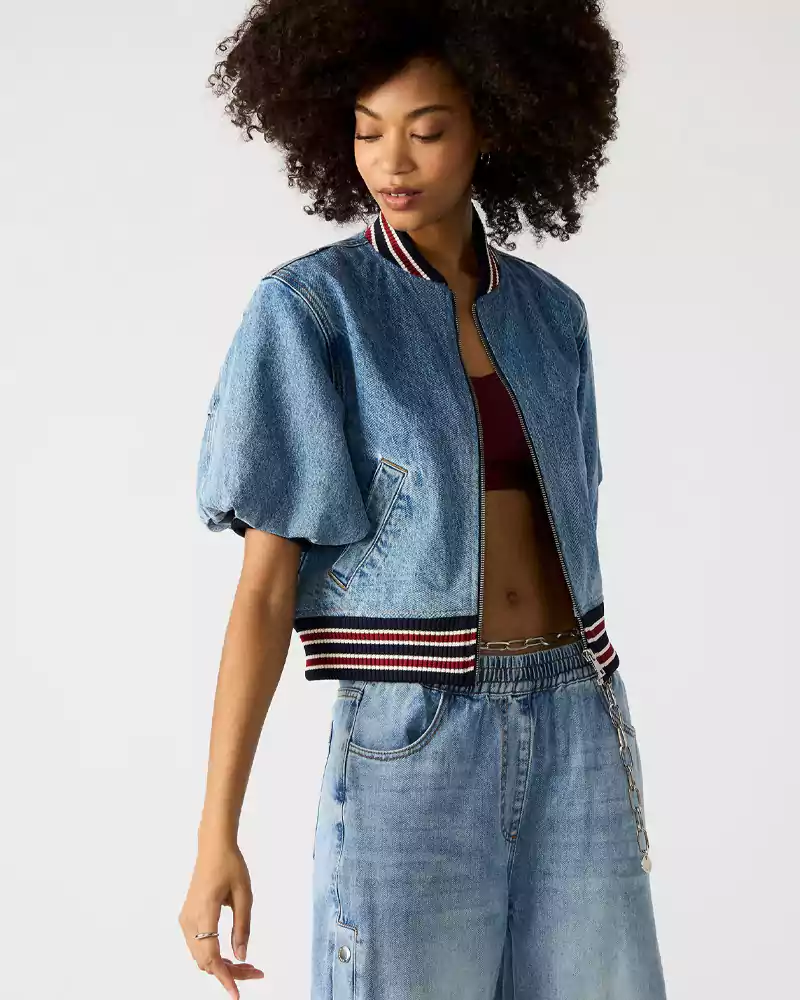
custom low price design men’s denim jacket stand collar winter breathable casual outdoor men’s wear

Introduction: The Convergence of Affordability and Design in Men’s Outerwear
The menswear market has long operated under a tacit assumption: quality and affordability exist in inverse proportion. To acquire a well-designed garment, one must pay handsomely. To remain within budget, one must accept compromise. This assumption, however, is being challenged by a new category of apparel—the custom low price design men’s denim jacket with stand collar, engineered for winter breathability and casual outdoor wear. This garment represents a synthesis of seemingly contradictory imperatives: warmth and ventilation, durability and affordability, customization and efficiency. This discourse examines the multifaceted dimensions of producing such garments, from fabric selection to manufacturing processes, from pricing strategies to market positioning.
Defining the Product: A Composite of Contradictions Resolved
Stand Collar: The Architectural Detail
The stand collar—also known as a Mandarin, band, or cadet collar—rises from the neckline without folding over. It frames the face, protects the neck from wind, and lends a streamlined, modern appearance. In denim jackets, the stand collar introduces architectural interest, distinguishing the garment from conventional spread-collar designs.
Winter Warmth and Breathability: Reconciling Opposites
Winter warmth implies insulation, trapping body heat to maintain comfort in cold conditions. Breathability implies ventilation, allowing moisture vapor to escape to prevent overheating and dampness. Reconciling these imperatives requires thoughtful material selection and construction. Breathable membranes, ventilation features, and moisture-wicking linings enable garments to achieve both objectives.
Casual Outdoor Aesthetics for the Urban Landscape
The casual outdoor aesthetic blends functional details with urban sensibility. Garments in this category suit hiking trails and city streets alike. They feature practical pockets, durable hardware, and relaxed silhouettes. Denim, with its heritage of workwear and ruggedness, serves as an ideal medium.
Low Price Without Compromising Design Integrity
Achieving low price points without compromising design integrity requires strategic decisions at every stage of production. Material sourcing, pattern engineering, manufacturing efficiency, and value engineering in trims all contribute to affordability. The goal is not to produce cheap garments, but to produce well-designed garments at accessible prices.
The Stand Collar in Menswear: Heritage and Function
Origins in Military and Aviator Garments
The stand collar originated in military and aviator garments, where neck protection and streamlined profiles were paramount. Aviators required collars that would not interfere with helmets or headsets. Military uniforms favored collars that presented neat, disciplined appearances. These functional origins inform contemporary stand collar designs.
The Stand Collar Versus the Spread Collar
The stand collar differs from the spread collar in structure and function. Spread collars fold outward, creating a V-shaped opening at the neck. Stand collars rise vertically, enclosing the neck. Stand collars offer superior wind protection and a more contemporary aesthetic. Spread collars offer traditional appearance and ease of layering.
Wind Protection and Neck Warmth
The stand collar excels at wind protection and neck warmth. By enclosing the neck, it prevents cold air from entering at the collar opening. When constructed with insulated or lined interiors, it provides additional warmth. These properties render the stand collar ideal for winter outerwear.
Contemporary Interpretations in Denim
Contemporary denim jackets interpret the stand collar in diverse ways. Some feature simple, unadorned collars. Others incorporate snaps, zippers, or drawstrings for adjustability. Some pair stand collars with hoods or removable liners. These variations expand the design possibilities.
Denim Fabric Selection for Winter Jackets
Weight Considerations: Ten to Fourteen Ounces
Denim weight, measured in ounces per square yard, influences warmth, durability, and drape. Lightweight denim—under ten ounces—offers breathability but limited warmth. Midweight denim—ten to fourteen ounces—balances warmth, durability, and comfort. Heavyweight denim—above fourteen ounces—offers maximum durability but may feel stiff and restrictive. Winter jackets typically employ midweight to heavyweight denim.
Brushed and Flannel-Lined Denim
Brushed denim features a softened, napped surface that enhances warmth and comfort. Flannel-lined denim incorporates a flannel backing, providing additional insulation. These fabrics suit winter garments requiring warmth without excessive bulk.
Stretch and Performance Blends
Stretch denim incorporates elastane or spandex, enhancing mobility and comfort. Performance blends may include moisture-wicking, quick-drying, or antimicrobial properties. These fabrics suit active outdoor wear.
Sustainable and Recycled Denim Options
Sustainable and recycled denim—produced from organic cotton, recycled fibers, or eco-friendly dyes—appeals to environmentally conscious consumers. These fabrics reduce environmental impact and align with circular economy principles. Affordable sustainable denim is increasingly available as production scales and technologies mature.
Affordable Denim Sources Without Quality Compromise
Affordable denim sources include mills in China, India, Pakistan, Bangladesh, and Vietnam. These mills produce fabrics of varying quality; careful selection ensures that affordability does not compromise durability or appearance. Establishing relationships with reliable mills and conducting thorough fabric inspections are essential.
The Breathability Paradox: Warmth Without Overheating
Understanding Moisture Vapor Transmission
Moisture vapor transmission refers to a fabric’s ability to allow water vapor—perspiration—to pass through. High moisture vapor transmission prevents dampness and overheating. Denim, as a natural fiber fabric, offers moderate breathability. Linings and membranes can enhance or impede this property.
Breathable Linings and Membranes
Breathable linings and membranes—such as those made from polyurethane or polytetrafluoroethylene—allow moisture vapor to escape while blocking liquid water. These materials enhance comfort in variable conditions. Affordable alternatives include microporous coatings and hydrophilic films.
Ventilation Features: Pit Zips and Back Vents
Ventilation features—pit zips, back vents, mesh panels—enable active cooling. Pit zips, zippered openings under the arms, allow heat to escape during exertion. Back vents, openings in the rear yoke, promote air circulation. These features are increasingly common in casual outdoor garments.
The Role of Natural Fibers in Temperature Regulation
Natural fibers—cotton, wool, linen—regulate temperature through moisture absorption and release. Cotton, the primary fiber in denim, absorbs perspiration and releases it slowly, moderating temperature fluctuations. Wool, though less common in denim, offers superior insulation and moisture management.
Insulation Strategies for Winter Denim Jackets
Sherpa and Fleece Linings
Sherpa and fleece linings provide warmth and tactile comfort. Sherpa, a faux-sheepskin material, offers plush texture and insulation. Fleece, a synthetic knit, offers lightweight warmth and moisture management. These linings are common in winter denim jackets.
Quilted and Padded Interiors
Quilted and padded interiors incorporate insulation layers—down, synthetic fill, or recycled fibers—sandwiched between fabric shells. Quilting prevents insulation from shifting and adds visual interest. These constructions offer substantial warmth without excessive bulk.
Thermal Fleece and Microfleece
Thermal fleece and microfleece are lightweight, breathable insulations. They trap air to retain warmth while allowing moisture vapor to escape. These materials suit active wear where overheating is a concern.
Lightweight Synthetic Insulations
Lightweight synthetic insulations—such as PrimaLoft, Thinsulate, and recycled polyester fills—offer warmth, breathability, and compressibility. They perform well in damp conditions where down insulation loses effectiveness. Affordable synthetic insulations are widely available.
Balancing Insulation with Breathability
Balancing insulation with breathability requires thoughtful design. Insulation thickness, lining materials, and ventilation features must be calibrated to intended use. Garments for high-output activities require greater breathability; garments for low-output activities may prioritize insulation.
Design Elements for the Casual Outdoor Aesthetic
Silhouette: Regular, Relaxed, and Oversized Fits
Silhouette determines the garment’s visual and functional character. Regular fits offer balanced proportions. Relaxed fits accommodate layering. Oversized fits create contemporary, streetwear-inspired profiles. Custom manufacturing enables brands to specify silhouettes according to target markets.
Pocket Configurations: Chest, Hand, and Utility
Pocket configurations enhance functionality and aesthetics. Chest pockets offer storage and visual interest. Hand pockets provide warmth and convenience. Utility pockets—cargo, zip, or flap—accommodate tools and accessories. Custom manufacturing enables diverse pocket arrangements.
Closures: Buttons, Zippers, and Snap Combinations
Closures determine ease of use and security. Buttons offer classic appearance and durability. Zippers offer quick closure and security. Snaps offer convenience and adjustable ventilation. Combinations of closures—zipper with snap placket—offer versatility.
Seam Detailing and Topstitching
Seam detailing and topstitching contribute to visual character and structural integrity. Contrast stitching adds visual interest. Reinforced seams enhance durability. Custom manufacturing enables brands to specify thread colors, stitch patterns, and seam placements.
Hardware Selection for Durability and Style
Hardware—buttons, rivets, zippers, snaps—must balance durability, functionality, and aesthetics. Affordable hardware options—powder-coated metals, durable plastics—offer performance without excessive cost. Custom manufacturing enables brands to specify hardware finishes and branding.
Achieving Low Price Points Without Sacrificing Design
Strategic Material Sourcing
Strategic material sourcing identifies fabrics, linings, and trims that offer quality at competitive prices. Mills in low-cost regions, surplus fabrics, and alternative materials expand options. Building relationships with reliable suppliers ensures consistency.
Efficient Pattern Engineering
Efficient pattern engineering minimizes fabric waste and simplifies construction. Nesting software optimizes pattern layout. Simplified designs reduce cutting and sewing time. These efficiencies lower production costs.
Production Optimization and Scale
Production optimization and scale economies reduce per-unit costs. Larger production runs amortize setup costs. Efficient workflows minimize labor time. Strategic capacity planning ensures smooth production.
Simplified Construction Without Visible Compromise
Simplified construction reduces labor costs without compromising visible quality. Techniques include reducing seam counts, using fusible interfacings, and streamlining assembly sequences. Careful design ensures that simplifications remain invisible to consumers.
Value Engineering in Hardware and Trims
Value engineering in hardware and trims identifies affordable alternatives that maintain functionality and aesthetics. Plastic zippers, painted buttons, and synthetic leather patches offer cost savings. Rigorous testing ensures that affordable components perform adequately.
The Manufacturing Process: From Concept to Garment
Pattern Drafting for Stand Collar Jackets
Pattern drafting for stand collar jackets requires precision. Patterns accommodate collar height, neck circumference, and shoulder slope. Digital drafting tools enhance accuracy and repeatability.
Cutting Denim and Lining Components
Cutting denim and lining components requires precision. Die cutting, laser cutting, or manual cutting are among the methods. Fabric must be laid flat, aligned, and cut according to patterns.
Assembly Sequence and Construction Techniques
Assembly sequence and construction techniques determine efficiency and quality. Typical sequences include attaching pockets, assembling fronts and backs, attaching sleeves, and finishing edges. Chain stitching, flat-felled seams, and overlock stitching are among the techniques employed.
Attaching the Stand Collar
Attaching the stand collar requires care. The collar must align with the neckline, enclose the neck comfortably, and attach securely. Interfacing may reinforce the collar. Topstitching may secure and decorate.
Quality Control Checkpoints
Quality control checkpoints verify workmanship throughout production. Fabric inspection, stitch density testing, hardware function testing, and measurement verification are among the checkpoints. Final inspection ensures that garments meet specifications.
Customization Options for Brands and Consumers
Sizing and Fit Customization
Sizing and fit customization accommodate diverse body types. Made-to-measure services produce garments according to individual measurements. Inclusive sizing ranges accommodate consumers across the spectrum.
Wash and Finish Options
Wash and finish options alter denim appearance and hand feel. Stonewashing, acid washing, enzyme treatments, and laser fading are among the options. Custom manufacturing enables brands to specify finishes.
Embroidery, Printing, and Appliqué
Embroidery, printing, and appliqué personalize denim jackets. These techniques apply logos, graphics, and decorative elements. Custom manufacturing enables brands to specify designs.
Custom Labels, Patches, and Hardware
Custom labels, patches, and hardware communicate brand identity. Woven labels, leather patches, and branded buttons are among the options.
Packaging and Presentation
Packaging and presentation enhance perceived value. Custom boxes, tissue paper, and inserts create memorable unboxing experiences.
Minimum Order Quantities and Production Flexibility
Low MOQs for Emerging Brands
Low minimum order quantities enable emerging brands to access custom manufacturing without prohibitive investment. Manufacturers offering low MOQs cultivate relationships with nascent labels.
Small-Batch Production Strategies
Small-batch production strategies accommodate limited runs. Flexible manufacturing systems enable quick changeovers and efficient small-batch production.
Scaling for Volume Orders
Scaling for volume orders requires capacity planning and efficient workflows. Manufacturers must balance capacity with demand.
Lead Times and Capacity Planning
Lead times and capacity planning ensure timely delivery. Communication with clients regarding lead times is essential.
Pricing Structures and Cost Drivers
Material Costs: Denim, Lining, and Insulation
Material costs reflect denim quality, lining materials, and insulation types. Strategic sourcing and value engineering reduce costs.
Labor Costs and Production Efficiency
Labor costs reflect the skill and time required for production. Efficient workflows minimize labor time.
Overhead and Operational Expenses
Overhead and operational expenses—rent, utilities, equipment maintenance, administration—contribute to pricing.
Wholesale Versus Retail Pricing Models
Wholesale pricing applies to B2B transactions. Retail pricing applies to direct-to-consumer sales. Manufacturers must balance these models.
Achieving Competitive Price Points
Achieving competitive price points requires attention to all cost drivers. Strategic sourcing, efficient production, and value engineering enable affordability.
Quality Assurance for Affordable Denim Jackets
Fabric Inspection and Defect Identification
Fabric inspection identifies defects before cutting. Defective sections are removed or avoided.
Stitch Density and Seam Integrity Testing
Stitch density and seam integrity are tested to ensure durability.
Zipper and Hardware Function Testing
Zipper and hardware function testing ensures that closures operate smoothly and securely.
Measurement Verification Against Specifications
Measurement verification ensures that garments conform to specifications.
Final Inspection and Fit Verification
Final inspection examines every garment for workmanship, hardware function, and aesthetic quality.
Sustainability and Ethical Manufacturing
Affordable Sustainability: The False Dichotomy
Affordable sustainability challenges the assumption that sustainable products must be expensive. Strategic sourcing, efficient production, and innovative materials enable affordable sustainable garments.
Recycled and Upcycled Materials
Recycled and upcycled materials reduce environmental impact. Recycled denim, recycled polyester insulation, and upcycled trims are among the options.
Water Conservation in Denim Finishing
Water conservation in denim finishing reduces environmental impact. Closed-loop systems, water-saving technologies, and dry finishing techniques are among the methods.
Fair Labor Practices and Certifications
Fair labor practices are non-negotiable. Certifications provide third-party validation.
Transparent Supply Chains
Transparent supply chains build consumer trust. Disclosure of sourcing, production, and labor practices demonstrates commitment to ethics.
Target Markets and Consumer Segments
Value-Conscious Fashion Consumers
Value-conscious fashion consumers seek quality and design at accessible prices. Custom low price denim jackets appeal to this demographic.
Outdoor and Adventure Enthusiasts
Outdoor and adventure enthusiasts require functional, durable garments. Breathable, warm denim jackets suit their needs.
Urban Commuters and Everyday Wearers
Urban commuters and everyday wearers seek versatile garments. Casual outdoor aesthetics suit diverse contexts.
Corporate and Promotional Buyers
Corporate and promotional buyers seek branded merchandise. Custom denim jackets bearing company logos suit corporate events and employee gifts.
Emerging Markets and E-Commerce
Emerging markets and e-commerce expand access to custom denim jackets. Affordable price points and online ordering facilitate market penetration.
Marketing Affordable Custom Denim Jackets
Value Proposition Communication
Value proposition communication emphasizes quality, design, and affordability. Messaging should address consumer concerns about low-price quality.
Photography and Visual Merchandising
Photography and visual merchandising showcase the product. High-quality images capture design details and overall aesthetics.
Social Media and Influencer Partnerships
Social media and influencer partnerships amplify reach. Authentic partnerships lend credibility.
E-Commerce Strategies for Price-Sensitive Consumers
E-commerce strategies for price-sensitive consumers emphasize value, convenience, and trust. Transparent pricing, easy returns, and secure payment options build confidence.
Logistics, Packaging, and Distribution
Cost-Effective Packaging Solutions
Cost-effective packaging solutions protect garments without excessive expense. Recycled cardboard, minimal inserts, and efficient box designs reduce costs.
Shipping and Customs Considerations
Shipping and customs considerations affect delivery times and costs. Efficient logistics and customs clearance minimize delays.
Inventory Management for Affordable Lines
Inventory management for affordable lines balances availability with carrying costs. Just-in-time production and demand forecasting optimize inventory.
Returns and After-Sales Service
Returns and after-sales service ensure customer satisfaction. Policies should address defects, fit issues, and exchanges.
Case Studies: Successful Affordable Custom Denim Jackets
Fast Fashion Adaptations
Fast fashion brands have adapted custom denim jackets for mass markets. Their approaches emphasize speed, trend responsiveness, and affordability.
Mid-Market Brand Successes
Mid-market brands have succeeded with affordable custom denim jackets. Their approaches balance quality, design, and price.
Private Label and White Label Examples
Private label and white label manufacturers produce affordable custom denim jackets for retailers. Their approaches emphasize efficiency and consistency.
Challenges and Solutions in Low-Cost Custom Manufacturing
Maintaining Quality at Low Price Points
Maintaining quality at low price points requires rigorous quality control. Inspection, testing, and worker training ensure consistency.
Managing Lead Times with Cost Constraints
Managing lead times with cost constraints requires efficient planning. Capacity planning, workflow optimization, and supplier coordination minimize delays.
Balancing Customization with Efficiency
Balancing customization with efficiency requires modular design. Standardized components and flexible production systems enable customization without excessive cost.
Navigating Currency Fluctuations and Tariffs
Navigating currency fluctuations and tariffs requires financial planning. Hedging, diversification, and strategic sourcing mitigate risks.
The Future of Affordable Custom Denim Outerwear
Technological Advancements in Manufacturing
Technological advancements—automation, digital printing, AI-driven design—will transform manufacturing. Early adopters will gain competitive advantages.
Evolving Consumer Expectations
Consumer expectations will continue to evolve. Sustainability, inclusivity, and personalization will remain salient.
Sustainability Imperatives
Sustainability imperatives will intensify. Manufacturers must reduce environmental impact and adopt circular practices.
Global Market Opportunities
Global market opportunities will continue to expand. Emerging economies and e-commerce growth create opportunities for affordable custom denim outerwear.
Conclusion: Democratizing Design Through Affordable Customization
The custom low price design men’s denim jacket with stand collar, engineered for winter breathability and casual outdoor wear, exemplifies the democratization of design. It demonstrates that quality, functionality, and aesthetic appeal need not be reserved for the affluent. Through strategic sourcing, efficient manufacturing, and thoughtful design, brands can offer garments that satisfy discerning consumers at accessible price points. As technology advances and consumer expectations evolve, the market for affordable custom denim outerwear will continue to grow. The future belongs to those who can balance craftsmanship with cost, design with durability, and customization with efficiency.