Don't miss our holiday offer - up to 50% OFF!

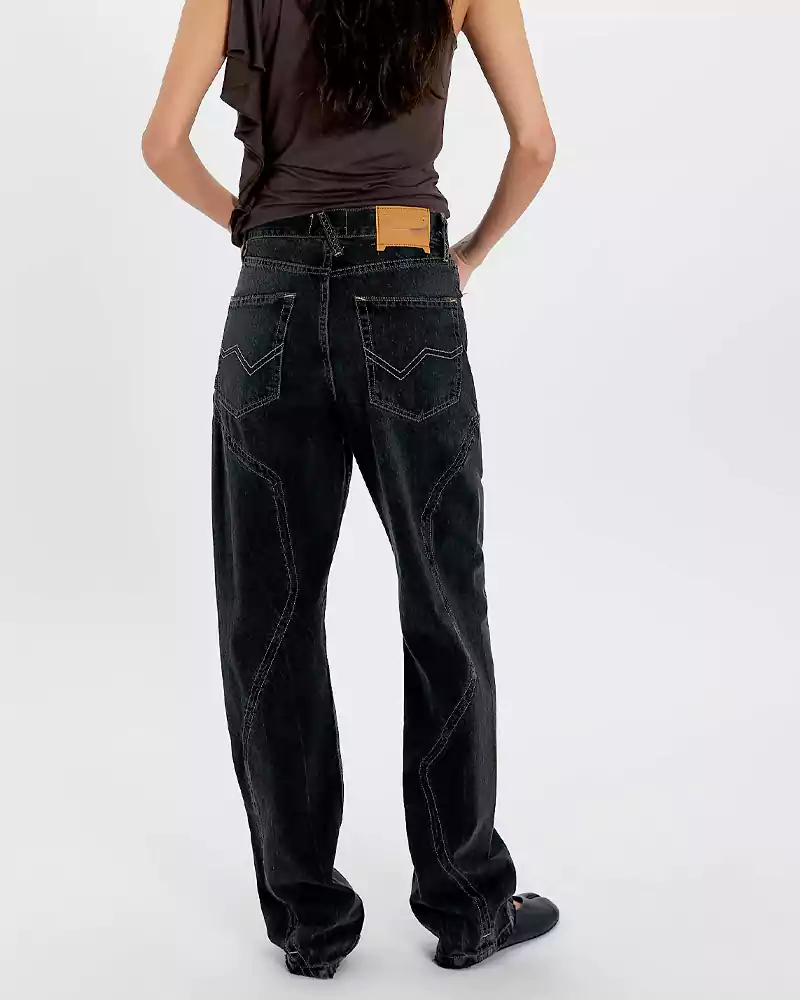
Custom-made black streetwear rhindiamond casual denim

Introduction: The Ascendance of the Rhinestone Denim in Streetwear
The black denim jean has long been a staple of the casual wardrobe—a garment of understated versatility that pairs with virtually anything. Yet in the contemporary streetwear landscape, a transformation has occurred. The black denim has become a canvas for embellishment, a substrate for the deliberate application of crystal, stud, and rhinestone. The custom-made black streetwear rhinestone casual denim represents the apotheosis of this trend. It is a garment that reconciles the rugged with the opulent, the utilitarian with the ornamental. For brands seeking to occupy this distinctive niche, the pathway from concept to finished product requires an understanding of materials, manufacturing, and the exigencies of quality assurance.
The Material Foundation: Black Denim and Rhinestone Embellishment
Denim Selection: Weight, Weave, and Wash
The foundation of any rhinestone denim is the denim itself. Black denim for streetwear applications is typically constructed from heavyweight cotton or cotton-blend fabric, with weights ranging from 10 to 14 ounces. The weight influences the garment’s drape, durability, and capacity to support rhinestone embellishment. Heavier denims provide a more substantial substrate, reducing the risk of distortion under the weight of dense stone applications.
The wash treatment of black denim is consequential. A deep, pigment-dyed black offers a flat, matte surface that maximizes the contrast of rhinestones. Washed blacks—whether stone-washed, enzyme-washed, or acid-washed—introduce texture and variation, creating a more lived-in aesthetic that aligns with the vintage and Y2K influences prevalent in streetwear. The wash must be developed in conjunction with the denim selection, as different fabrics respond differently to chemical and mechanical treatments.
The Rhinestone: Types, Quality, and Application Methods
The rhinestone is the defining decorative element. It is available in a range of materials: glass (the highest quality, with superior clarity and brilliance), acrylic (lighter and more economical), and crystal (the premium option, offering exceptional refractive qualities). The choice of stone material influences both the visual impact and the cost of the finished garment.
Application methods for rhinestones vary. Hot-fix application employs heat-activated adhesive backing, bonding the stone to the fabric through a heat press. This method is efficient for large-scale production and provides reliable adhesion. Hand-setting, while labor-intensive, allows for greater precision in intricate patterns and is often employed for high-end or limited-edition garments. The attachment method must be specified in the production brief, as it determines the garment’s washability and longevity.
Hardware and Finishing Details
The hardware of a rhinestone denim garment—buttons, rivets, zippers—contributes to both functionality and aesthetic coherence. For black denim, gunmetal, matte black, or antique silver finishes complement the dark base and the sparkle of the stones. Engraved hardware bearing the brand’s logo adds a layer of premium differentiation. The zipper should be robust, capable of withstanding repeated use without jamming or separating.
Design Possibilities: Silhouettes and Embellishment Placements
The Baggy and Wide-Leg Silhouette
The dominant silhouette for rhinestone streetwear denim is the baggy or wide-leg cut. This silhouette provides a generous canvas for embellishment and aligns with the oversized proportions that define contemporary streetwear. The wide leg allows for rhinestone trim to run down the outer seams, creating a continuous line of sparkle that draws the eye from hip to hem. The relaxed fit through the hip and thigh accommodates movement while maintaining the garment’s structural integrity.
Side Seam and Full-Panel Rhinestone Trim
Side seam rhinestone trim is a signature design element. A continuous line of stones—whether uniform in size or graduated—runs down both outer seams, creating a vertical axis of embellishment. This placement is particularly effective on wide-leg silhouettes, as the trim accentuates the garment’s length and drape. Alternatively, full-panel coverage—where rhinestones are applied across an entire section of the garment, such as the thigh or the back yoke—creates a more dramatic, statement-driven effect.
Scattered Constellation and Graphic Motifs
Beyond linear trim, rhinestones may be applied in scattered patterns that evoke constellations or star fields. This approach distributes the stones across a broader area, creating a subtle, shimmering effect that catches light from multiple angles. Graphic motifs—stars, crosses, spiderwebs, or brand logos—may be rendered in rhinestone, combining the precision of embroidery or printing with the dimensionality of crystal.
The OEM Manufacturing Pathway
Minimum Order Quantities and Flexible Production Tiers
The OEM manufacturing landscape for custom rhinestone denim offers a range of entry points. Traditional factories with comprehensive capabilities typically require 100 to 200 pieces per style and color. For brands seeking a lower barrier to entry, some suppliers offer MOQs as low as 50 pieces per design. The MOQ is influenced by factors including denim weight, wash complexity, rhinestone quantity, and hardware sourcing.
Pricing is tiered by volume. A representative quotation structure for custom rhinestone wide-leg jeans might show a per-unit price of approximately US $22.50 for orders of 100–200 pieces, declining to US $18.50 for orders exceeding 500 pieces. These figures provide a baseline for budgeting, though final pricing depends on the specific specification.
The Tech Pack and Sampling Protocol
The foundation of any successful OEM order is the technical specification package. This document must specify the denim fabric and weight, the wash treatment, the silhouette and measurements, the rhinestone size, color, density, and placement, the hardware finishes, and the branding elements. The absence of a comprehensive tech pack is the primary cause of production misalignment.
The sampling process typically involves the creation of a pre-production sample that incorporates all specifications. Sampling timelines range from 7 to 15 days, depending on the complexity of the wash and rhinestone application. The approved sample is sealed and retained as the definitive reference against which bulk production is measured.
Sourcing: Domestic Decorators Versus Overseas Factories
The sourcing decision hinges on the depth of customization required and the volume of production. Domestic decorators offer the advantage of proximity, reduced lead times, and the ability to inspect samples in person. They are suitable for smaller runs and brands testing a new design. However, their capacity to produce fully custom garments—custom silhouette, wash, and embellishment—may be limited.
Overseas manufacturers, particularly those in Guangdong province, China, offer comprehensive OEM capabilities. The industrial clusters of Dongguan and Guangzhou are home to vertically integrated factories that combine fabric sourcing, garment construction, and rhinestone application under one roof. These facilities can produce garments from scratch, executing proprietary designs with precision. The trade-off is longer lead times, higher minimums, and the necessity of clear communication across time zones.
Quality Assurance for Rhinestone Denim
Stone Attachment and Wash Durability
The security of rhinestone attachment is the primary quality concern for embellished denim. Stones must withstand the rigors of repeated washing without detaching or losing their brilliance. The adhesion strength of hot-fix stones depends on the quality of the adhesive and the precision of the heat application. Quality control protocols should include wash testing to verify stone retention.
Suppliers with rigorous quality assurance processes conduct inspections at multiple stages. The inspection checklist for rhinestone denim should include stone attachment, wash consistency, measurements, stitching, and pocket placement. Industry standards call for stitch density of at least eight stitches per inch around each stone to ensure secure attachment.
Stitch Integrity and Seam Reinforcement
The construction of the garment must be robust enough to support the embellishment. Stress points—the crotch, pocket corners, waistband, and side seams—require reinforcement through bar-tack stitching or rivets. Double-stitched seams throughout the garment prevent tearing at high-stress areas. Loose threads and skipped stitches are indicators of inadequate construction and should be grounds for rejection.
Colorfastness and Shrinkage Control
Denim is prone to crocking—the transfer of dye to other surfaces—particularly when new. The black dye used in the denim must be tested for colorfastness to ensure it does not bleed onto the rhinestones or the wearer’s clothing. Shrinkage must be controlled through pre-shrinking or accounting for shrinkage coefficients in the pattern dimensions. The approved pre-production sample establishes the standard for both color and dimension.
Custom Branding and Private Label
Labels, Patches, and Hardware Engraving
Brand differentiation extends beyond the garment’s embellishment. Custom woven main labels, size labels, and care labels identify the brand and provide essential information. Leather or faux-leather patches, debossed with the brand’s logo, add a heritage quality. Engraved metal buttons, rivets, and zipper pulls carry the brand’s mark in a durable and tactile form. These elements must be specified in the tech pack and sourced from suppliers who can meet the brand’s quality standards.
Packaging and Presentation
The unboxing experience contributes to the perception of quality. Custom hangtags, polybags, and packaging materials—whether branded boxes or recycled kraft envelopes—reinforce the brand’s identity. For rhinestone denim, protective packaging may be warranted to prevent stones from snagging during transit.
Conclusion: The Strategic Value of Custom Rhinestone Denim
The custom-made black streetwear rhinestone casual denim is a garment of considerable strategic value. It combines the understated versatility of black denim with the opulent sparkle of crystal embellishment. It is at once casual and ornamental, rugged and refined. For brands seeking to differentiate their offerings in a crowded market, it provides a canvas for creative expression that resonates with the streetwear consumer’s appetite for bold, statement-driven design. The production pathway—from tech pack through sampling to bulk manufacturing—is a discipline of specification and verification. The manufacturers exist. The materials are available. The MOQs are accessible. What remains is the strategic discernment to select the right silhouette, the right embellishment, and the right manufacturing partner. The rhinestone denim is not merely a product; it is a platform upon which a brand can build its identity.