Don't miss our holiday offer - up to 50% OFF!

custom patches for denim jackets

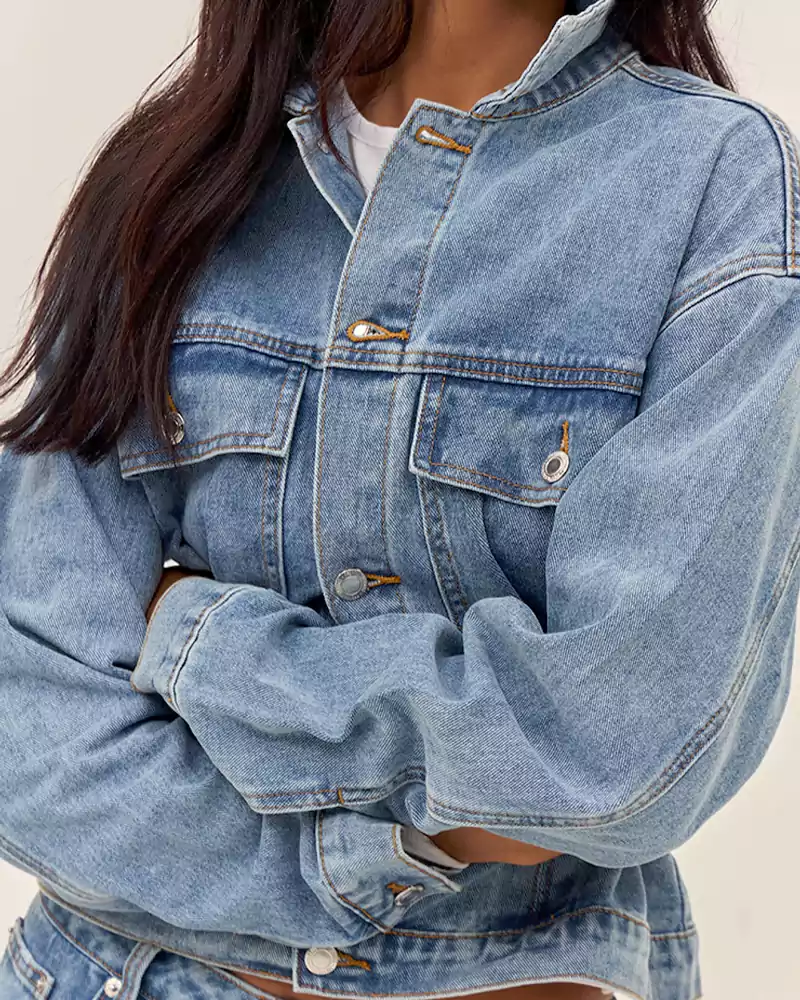
Denim jackets have remained a timeless staple in fashion for decades. Their rugged durability and classic silhouette offer a perfect canvas for personal expression. Among the most creative and effective ways to customize a denim jacket is through the use of custom patches. From punk rock aesthetics to high-fashion embroidery, patches transform ordinary jackets into unique statements of identity, affiliation, or art. This article explores every aspect of custom patches for denim jackets—design considerations, types of patches, attachment methods, care instructions, and the manufacturing process. By the end, you will understand why partnering with a professional factory like ZENITH CLOTHING ensures top-quality results for your custom patch projects.
Part One: Understanding the Appeal of Custom Patches on Denim
1.1 A Heritage of Personalization
Denim jackets have historically been associated with subcultures—bikers, hippies, punks, and hip-hop artists all embraced patches as a form of visual language. Unlike printed graphics, patches add texture, depth, and a tactile sense of craftsmanship. They can be sewn, pinned, or ironed on, offering flexibility for both permanent and temporary designs.
1.2 Why Denim Is the Ideal Base
Denim’s sturdy twill weave provides excellent support for patches. The fabric does not stretch excessively, nor does it fray easily around stitch lines. Moreover, the contrast between the indigo-dyed cotton and colorful or metallic threads creates a striking visual impact. Patches on denim also age gracefully—faded denim combined with worn-in patches tells a story of use and memory.
1.3 Current Trends in Custom Patches
Today’s market sees a resurgence of DIY culture alongside high-end collaborations. Popular patch styles include:
- Vintage logos and band emblems
- Floral and nature-inspired embroidery
- Morale patches with humorous or motivational text
- Glow-in-the-dark and reflective patches for safety fashion
- Eco-friendly patches made from recycled or organic materials
Part Two: Types of Custom Patches for Denim Jackets
2.1 Embroidered Patches
Embroidered patches are the most traditional and widely used. They are created by stitching thread onto a base fabric, usually twill or felt. The edges can be cut into custom shapes with merrow borders (overlock stitching) or laser-cut for precision. Embroidered patches offer rich color, texture, and durability. They are ideal for logos, mascots, and detailed artwork.
2.2 Woven Patches
For designs requiring fine detail and small text, woven patches are superior. Instead of thick embroidery thread, these patches use thinner threads woven together, resulting in a flat, smooth surface. Woven patches reproduce intricate lines and small fonts clearly. They work well on denim because the flat profile reduces snagging.
2.3 Leather and Faux Leather Patches
Leather patches add a rugged, premium feel to denim jackets. They are commonly embossed or debossed with logos, often used for brand labels on the back or chest area. Faux leather alternatives are available for vegan-friendly customization. Leather patches pair exceptionally well with raw or dark wash denim.
2.4 Chenille Patches
Chenille patches feature a raised, fluffy texture made from yarn loops. They are popular for varsity-style lettering and sports emblems. On a denim jacket, a chenille letter on the sleeve or back creates a nostalgic, collegiate look. These patches are best applied by sewing due to their thickness.
2.5 PVC and Rubber Patches
For a modern, three-dimensional effect, PVC patches are molded from soft polyvinyl chloride. They are waterproof, flexible, and highly durable. While less traditional, PVC patches offer bold colors and unusual shapes that stand out against denim’s matte surface. They are often used for brand logos on streetwear jackets.
2.6 Printed Patches
Printed patches use heat transfer or screen printing on fabric, then cut to shape with a stitched or laser-cut border. They allow photographic images and gradient colors that embroidery cannot achieve. However, printed patches may fade over time with heavy washing, so they are best placed on jackets that receive gentle care.
Part Three: Designing Custom Patches for Denim
3.1 Size and Placement Considerations
Before manufacturing, decide where the patch will sit on the jacket. Common placements include:
- Back panel (large statement patch)
- Left or right chest (small logo or badge)
- Shoulders and sleeves (stripes or cascading series)
- Pocket flaps and collar tips (accent patches)
Measure the available space carefully. A patch that is too large may distort the fabric, while one too small can look lost. For back patches, standard sizes range from 4 to 12 inches in width. Chest patches are typically 2 to 4 inches.
3.2 Color Matching
Denim comes in various shades—light blue, dark indigo, black, white, and even colored denim. Choose patch thread colors that contrast well. For example, bright red, yellow, or white pops against dark denim; dark navy or forest green works subtly on light wash denim. If your design includes a border, a contrasting merrow edge helps define the patch shape.
3.3 Artwork Preparation
To ensure high-quality manufacturing, provide vector artwork (AI, CDR, or EPS formats). Raster images like JPEGs may lose clarity when scaled. Minimum line thickness for embroidered patches is usually 1.5 mm to prevent broken stitches. For woven patches, lines can be as thin as 0.5 mm. Work with a professional digitizer who can translate your design into machine-ready stitch files.
3.4 Backing Options
Custom patches can have several backing types:
- Iron-on adhesive: A heat-activated glue layer for quick application. Not recommended for heavy wear areas on denim without additional stitching.
- Sew-on: No adhesive; simply stitch around the edge. The most secure method for denim.
- Self-adhesive (peel-and-stick): A pressure-sensitive adhesive for temporary placement. Best for repositionable or collectible patches.
- Velcro/hook-and-loop: Allows patches to be interchangeable. A Velcro backing is sewn onto the jacket, and patches have the loop side.
For denim jackets, a sew-on backing combined with iron-on adhesive offers the best of both worlds: temporary heat-setting plus permanent stitching.
Part Four: Attachment Methods – How to Apply Patches to Denim Jackets
4.1 Hand Sewing
Hand sewing gives you full control and is ideal for small batches or one-of-a-kind jackets. Use a sharp needle, denim-weight thread (or heavy polyester thread), and a thimble. A whip stitch or blanket stitch around the edge of the patch creates a visible decorative border. For a hidden look, use a slip stitch close to the patch’s edge.
4.2 Machine Sewing
A home sewing machine with a denim needle (size 90/14 or 100/16) can attach patches quickly. Use a zigzag or straight stitch close to the patch border. For thick patches like chenille or leather, a walking foot helps feed the material evenly. Industrial machines are even more robust for bulk production.
4.3 Iron-On Application
Iron-on patches are convenient, but denim requires high heat. Set your iron to the cotton/linen setting (no steam). Place a thin cloth over the patch to protect it from direct heat. Press firmly for 25-40 seconds. Let cool completely. Even with iron-on patches, sewing the edges afterward prevents peeling from washing or friction.
4.4 Velcro and Snap Systems
For tactical or interchangeable patch systems, sew Velcro tape onto the denim jacket using a box-and-X stitch pattern for strength. The patch itself has the corresponding loop backing. This method is popular for custom name tapes, rank insignia, or seasonal decorations.
Part Five: Care and Maintenance of Patched Denim Jackets
5.1 Washing Guidelines
To prolong patch life, turn the jacket inside out before washing. Use cold water and a gentle cycle. Avoid fabric softeners, which can weaken adhesive backings. For heavily embroidered patches, place the jacket in a mesh laundry bag. Hang dry or tumble dry on low; high heat can curl iron-on adhesive edges.
5.2 Repairing Loose Patches
Over time, stitching may break. Re-sew immediately using matching thread. If an iron-on patch lifts, re-apply heat with a pressing cloth or use fabric glue designed for denim. Frayed edges on merrow borders can be trimmed carefully and sealed with a drop of clear fray-check liquid.
5.3 Storage Tips
Store the jacket flat or hung on a broad-shouldered hanger to avoid creasing patches. Avoid folding directly over large patches, as this can crack printed designs or break embroidery threads. Keep away from direct sunlight for extended periods, as UV rays fade both denim and patch colors.
Part Six: Manufacturing Custom Patches – The Production Process
6.1 From Artwork to Sample
Once you finalize the design, the manufacturing process begins with digitizing. Skilled digitizers map out each stitch type (satin, fill, run) and direction. A test sample is embroidered on backing material, then cut and finished. For woven patches, a loom sample is produced. Reputable manufacturers provide a digital or physical proof for approval before mass production.
6.2 Materials Sourcing
High-quality patches start with premium materials:
- Embroidery thread: 100% polyester or rayon for colorfastness and sheen
- Backing fabric: Polyester twill (non-shrink) or cotton felt
- Adhesive: Hot-melt glue for iron-on; EVA or polyamide for different melting points
- Border thread: Heavyweight polyester for merrow edges
6.3 Cutting and Finishing
After embroidery, patches are cut using:
- Laser cutting: Precision edge, sealed to prevent fraying, ideal for intricate shapes.
- Die cutting: Metal knife-edge die presses through material, economical for large batches.
- Merrow border: An overlock stitch that wraps around the raw edge, creating a classic finished look.
6.4 Quality Control
Every patch should be inspected for:
- Stitch density and tension (no loose threads or gaps)
- Color accuracy compared to approved sample
- Border integrity (no skipped merrow stitches)
- Adhesive coverage (for iron-on patches)
- Size tolerance within +/- 1/16 inch
Part Seven: Why Choose ZENITH CLOTHING for Your Custom Denim Jacket Patches
At ZENITH CLOTHING, we understand that a patch is more than an accessory—it is a statement of identity. As a dedicated garment and accessory manufacturer with years of experience, we specialize in producing high-quality custom patches specifically designed for denim jackets and other heavy fabrics.
7.1 Our Manufacturing Capabilities
We operate our own production facility equipped with:
- Multi-head computerized embroidery machines (up to 15 colors per design)
- High-speed looms for woven patches (fine detail up to 2400 picks per inch)
- Laser cutting systems for precision edges
- Automated heat-seal adhesive applicators
- In-house digitizing and design team
7.2 Material Selection and Customization
We offer a vast range of materials:
- 100% polyester and rayon threads in Pantone-matched colors
- Backing options: sew-on, iron-on, Velcro, self-adhesive
- Base fabrics: twill, felt, canvas, leather, faux leather
- Specialty threads: metallic, glow-in-the-dark, reflective, UV-reactive
7.3 Low Minimums and Fast Turnaround
Whether you need 50 patches for a small boutique collection or 50,000 for a global brand rollout, ZENITH CLOTHING provides flexible order quantities. Our standard production time is 10–15 business days for embroidered patches, with rush options available. We ship worldwide via DHL, FedEx, or sea freight.
7.4 Quality Assurance You Can Trust
Every patch leaving our factory undergoes strict quality control. We test for:
- Colorfastness to washing (AATCC standard)
- Adhesion strength (peel test for iron-on backings)
- Abrasion resistance (to ensure durability on denim)
We also provide free digital proofs and send physical samples for approval before mass production. Our goal is zero defects and complete customer satisfaction.
7.5 Beyond Patches – Full Denim Jacket Manufacturing
As a full-service clothing manufacturer, ZENITH CLOTHING also produces complete denim jackets. We can sew custom patches directly onto jackets during production, saving you labor costs and ensuring perfect alignment. From trucker jackets to oversized streetwear silhouettes, we handle cutting, sewing, washing, and finishing under one roof.
7.6 How to Start Your Order
Collaborating with ZENITH CLOTHING is simple:
- Send your artwork (AI, PDF, or high-resolution PNG)
- Specify size, quantity, backing type, and patch style
- Receive a free quote and digital mockup within 24 hours
- Approve a physical sample (nominal sample fee, refundable with bulk order)
- We produce and ship your custom patches
Conclusion
Custom patches for denim jackets offer endless creative possibilities—from personal storytelling to brand building. Understanding the types of patches, design principles, attachment methods, and manufacturing processes ensures that your patches will look great and last for years. When you need professional, durable, and beautifully crafted patches, trust a factory that specializes in both patches and denim apparel. ZENITH CLOTHING combines technical expertise, premium materials, and responsive service to bring your vision to life. Contact us today to start your custom patch project—because every great denim jacket deserves an even greater patch.