Don't miss our holiday offer - up to 50% OFF!

Full Range Custom Denim Products for Streetwear Brands

Introduction: Streetwear’s Insatiable Appetite for Denim
Streetwear, that mercurial confluence of skate culture, hip-hop aesthetics, and haute couture sensibilities, has long maintained an inextricable relationship with denim. From the baggy jeans of 1990s hip-hop icons to the distressed trucker jackets favored by contemporary tastemakers, denim serves as the connective tissue binding disparate streetwear tribes. For brands seeking to establish or expand their presence in this fiercely competitive arena, a comprehensive range of custom denim products represents not merely an opportunity but an imperative. This discourse examines the full spectrum of custom denim offerings available to streetwear brands, elucidating the creative possibilities, operational considerations, and strategic imperatives that attend such endeavors.
The Symbiosis of Streetwear Culture and Denim
Historical Roots: From Subculture to Runway
The provenance of streetwear is inextricably linked to marginalized communities. Skateboarders, graffiti artists, and hip-hop devotees adopted denim for its durability and democratic accessibility. Over decades, this utilitarian fabric ascended from the sidewalks to the catwalks. Luxury houses now incorporate denim into their collections, yet the fabric retains its subversive cachet. Streetwear brands that harness this dual heritage—functional and fashionable, rebellious and refined—position themselves advantageously.
Why Denim Remains the Quintessential Streetwear Fabric
Denim’s ubiquity in streetwear is no accident. The fabric withstands the abrasions of skateboarding. It absorbs dyes and treatments that facilitate endless aesthetic variation. It ages gracefully, developing patina that narrates the wearer’s journey. Moreover, denim’s cultural associations—with rebellion, authenticity, and self-expression—align seamlessly with streetwear’s foundational ethos.
Defining the Full Range Custom Denim Product Portfolio
Beyond Jeans: The Expanding Denim Universe
The contemporary streetwear brand cannot afford to limit its denim offerings to jeans alone. The modern consumer expects a panoply of denim products: jackets, shirts, skirts, dresses, accessories, and coordinated sets. A full-range portfolio captures diverse consumer preferences, occasions, and price points. It also reinforces brand identity, creating a cohesive aesthetic universe.
The Strategic Value of a Comprehensive Product Range
A comprehensive denim range confers multiple strategic advantages. It increases average order value by encouraging cross-category purchases. It enhances brand visibility through diversified product placement. It mitigates risk by reducing dependence on any single product category. For these reasons, streetwear brands should collaborate with manufacturers capable of delivering a full spectrum of custom denim products.
Custom Denim Jeans: The Cornerstone of Streetwear Collections
Baggy, Wide-Leg, and Carpenter Silhouettes
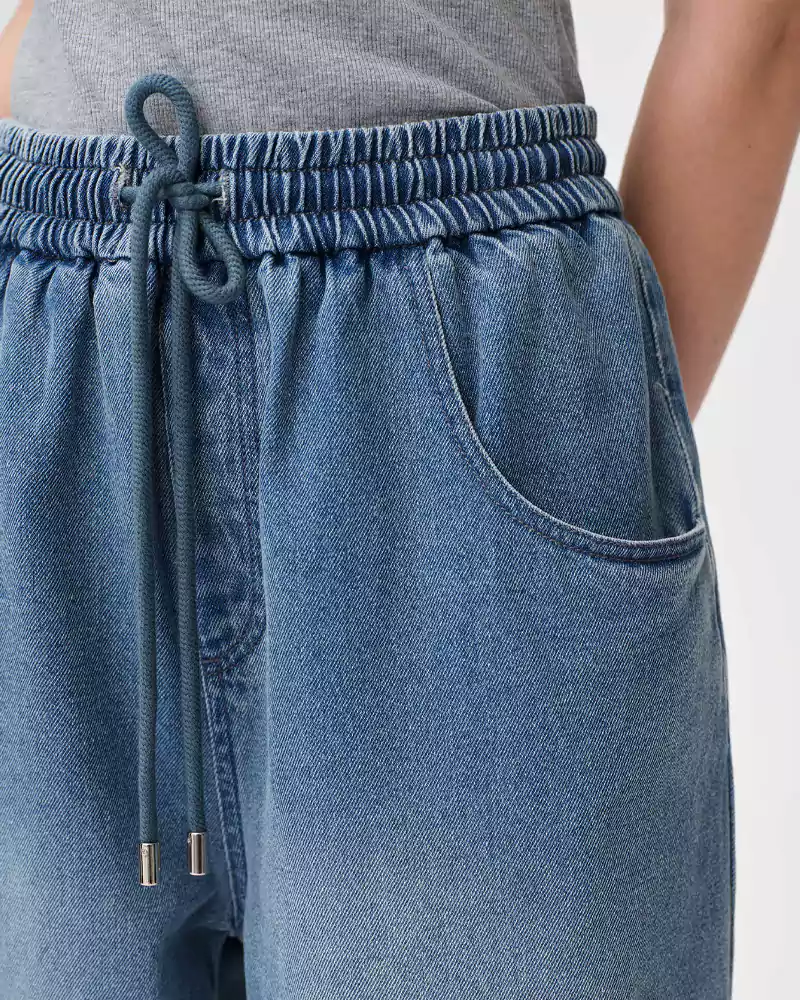
The baggy jean, that emblem of 1990s hip-hop fashion, has experienced a triumphant resurgence. Wide-leg and carpenter silhouettes similarly dominate contemporary streetwear. These cuts prioritize comfort and movement while making bold sartorial statements. Custom manufacturers can execute these silhouettes in myriad fabrics, washes, and distressing levels, enabling brands to differentiate their offerings.
Skinny, Slim, and Tapered Fits
Despite the ascendancy of relaxed silhouettes, skinny, slim, and tapered jeans retain devoted followings. These fits appeal to consumers who prefer a streamlined aesthetic. Custom manufacturers should maintain proficiency in these cuts, offering variations in rise, stretch, and detailing.
Distressed, Ripped, and Deconstructed Aesthetics
Distressing transforms ordinary denim into wearable art. Rips, frayed hems, and deconstructed panels imbue garments with edgy, lived-in character. Custom manufacturers employ laser technology, hand tools, and chemical treatments to achieve these effects. Brands can specify the intensity and placement of distressing, ensuring alignment with their aesthetic vision.
Denim Jackets and Outerwear for Streetwear Brands
Trucker Jackets and Their Multifarious Iterations
The trucker jacket, with its distinctive silhouette and button-front closure, is a perennial streetwear staple. Custom iterations may feature oversized proportions, cropped cuts, or elongated hemlines. Embroidery, patches, and screen-printed graphics enhance visual impact. Manufacturers can produce trucker jackets in raw, washed, or heavily distressed denim.
Oversized and Cropped Denim Coats
Outerwear extends beyond the trucker jacket. Oversized denim coats offer warmth and dramatic proportions. Cropped denim jackets appeal to consumers seeking contemporary, fashion-forward pieces. Custom manufacturers can execute these styles with precision, incorporating linings, quilting, and hardware customized to brand specifications.
Varsity and Bomber Hybrids in Denim
Hybrid garments fuse denim with other fabrics and silhouettes. Denim varsity jackets, for instance, combine denim bodies with leather sleeves. Denim bombers incorporate ribbed cuffs and hem bands. These hybrids appeal to consumers seeking novelty without abandoning denim’s familiar comfort.
Denim Shirts and Tops: Casual Elegance Redefined
Oversized Denim Button-Downs
The oversized denim button-down shirt embodies relaxed sophistication. Worn alone or layered, it transitions seamlessly from casual to semi-formal contexts. Custom manufacturers can produce these shirts in various weights and washes, with options for chest pockets, yokes, and contrasting stitching.
Denim Corsets and Bustiers
Denim corsets and bustiers represent a provocative fusion of structure and informality. These garments sculpt the torso while retaining denim’s rugged character. Custom manufacturing requires expertise in boning, lining, and closure mechanisms. Streetwear brands targeting fashion-forward demographics should consider including such pieces in their ranges.
Denim Crop Tops and Bralettes
Crop tops and bralettes in denim offer playful, youthful options. These garments pair well with high-waisted jeans, skirts, and shorts. Custom manufacturers can execute them in stretch denim for comfort and fit, with embellishments ranging from embroidery to hardware.
Denim Skirts and Dresses: Feminine Expressions in Indigo
Mini, Midi, and Maxi Denim Skirts
Denim skirts span the length spectrum. Mini skirts evoke rebellious energy. Midi skirts offer modesty and elegance. Maxi skirts provide drama and movement. Custom manufacturers can produce skirts in various silhouettes—A-line, pencil, wrap—with detailing tailored to brand aesthetics.
Denim Slip Dresses and Pinafores
Denim slip dresses and pinafores marry simplicity with sophistication. These garments can be worn alone or layered over t-shirts and turtlenecks. Custom manufacturing involves precise pattern drafting to ensure proper drape and fit.
Asymmetric and Layered Denim Dresses
Asymmetric hems and layered constructions add architectural interest to denim dresses. These avant-garde pieces appeal to consumers seeking distinctive fashion statements. Manufacturers must possess advanced pattern-making capabilities to execute such designs flawlessly.
Denim Accessories: The Finishing Touches
Denim Hats and Caps
Denim hats—including bucket hats, baseball caps, and berets—offer accessible entry points into a brand’s denim universe. Custom manufacturing involves selecting appropriate fabrics, structuring brims, and applying branding elements.
Denim Bags and Totes
Denim bags and totes combine utility with aesthetic appeal. Custom manufacturers can produce these accessories in various sizes and configurations, incorporating straps, pockets, and closures.
Denim Belts and Suspenders
Denim belts and suspenders provide functional and decorative accents. Custom manufacturing requires expertise in leatherworking, metal hardware, and adjustment mechanisms.
Denim Co-ords and Matching Sets
The Canadian Tuxedo Reimagined
The Canadian tuxedo—denim jacket paired with denim jeans—has shed its pejorative connotations. Contemporary streetwear brands reinterpret this ensemble through matched washes, complementary distressing, and coordinated branding.
Denim Two-Piece Sets for Men and Women
Denim two-piece sets—comprising jackets and trousers, or shirts and skirts—offer consumers effortless styling solutions. Custom manufacturers can produce these sets in matching or contrasting fabrics, with options for customization.
Coordinated Denim for Unisex Collections
Gender-neutral denim collections appeal to progressive consumers. Custom manufacturers can produce garments with inclusive sizing and unisex silhouettes, fostering accessibility and broadening market reach.
Fabric Innovation and Customization Options
Selvedge, Raw, and Washed Denim Varieties
Selvedge denim, produced on shuttle looms, offers superior quality and distinctive edge finishes. Raw denim, unwashed and untreated, develops unique fades over time. Washed denim provides immediate softness and comfort. Custom manufacturers should offer all three varieties to accommodate diverse consumer preferences.
Stretch, Rigid, and Performance Blends
Stretch denim incorporates elastane or spandex for enhanced mobility. Rigid denim offers traditional structure and durability. Performance blends may include moisture-wicking or temperature-regulating properties. Brands can select fabrics aligned with their target consumers’ lifestyles.
Sustainable and Recycled Denim Fabrics
Sustainability has become a paramount concern. Custom manufacturers can source organic cotton denim, recycled denim, and fabrics dyed with eco-friendly processes. These choices appeal to environmentally conscious consumers and align with broader corporate social responsibility objectives.
Wash, Finish, and Distressing Techniques
Stonewashing, Acid Washing, and Enzyme Treatments
Stonewashing involves tumbling denim with pumice stones to achieve softening and fading. Acid washing employs chlorine bleach for distinctive mottled effects. Enzyme treatments utilize biological agents to modify fabric surfaces. Custom manufacturers wield these techniques to create washes that differentiate brands.
Laser Fading and Ozone Finishing
Laser fading employs concentrated light beams to replicate whiskers, chevrons, and other patterns. Ozone finishing uses atmospheric ozone to bleach denim without water. These technologies reduce environmental impact while enabling precise, repeatable results.
Hand-Distressing and Artisanal Detailing
Hand-distressing involves manual cutting, sanding, and fraying. This technique produces unique, artisanal effects that machine processes cannot replicate. Custom manufacturers may employ skilled artisans for high-end, limited-edition pieces.
Embellishments and Branding Opportunities
Embroidery, Appliqué, and Screen Printing
Embroidery adds texture and dimension to denim garments. Appliqué involves stitching fabric shapes onto base materials. Screen printing applies graphics through mesh screens. Custom manufacturers can execute all three techniques, translating brand logos and artistic visions into wearable statements.
Hardware Customization: Buttons, Rivets, and Zippers
Hardware—buttons, rivets, zippers—offers subtle yet impactful branding opportunities. Custom manufacturers can source or produce hardware bearing brand insignias, logos, or unique designs. Material choices include brass, nickel, and matte finishes.
Woven Labels, Patches, and Hangtags
Woven labels, patches, and hangtags communicate brand identity and product information. Custom manufacturing ensures these elements align with brand aesthetics and regulatory requirements.
Sizing and Fit Customization for Streetwear
Inclusive Sizing and Gender-Neutral Fits
Inclusive sizing accommodates diverse body types, from petite to plus-size. Gender-neutral fits transcend traditional masculine and feminine silhouettes. Custom manufacturers should offer comprehensive size ranges and flexible fit options.
Oversized and Boxy Cuts
Oversized and boxy cuts dominate contemporary streetwear. These silhouettes prioritize comfort and create distinctive visual profiles. Custom manufacturers must master the pattern-making required to achieve these proportions without compromising fit.
Made-to-Order and Small-Batch Production
Made-to-order and small-batch production models enable brands to test designs, minimize inventory risk, and offer exclusivity. Custom manufacturers should provide flexible production options accommodating these strategies.
Packaging and Presentation for Streetwear Brands
Sustainable Packaging Solutions
Sustainable packaging—recycled cardboard, biodegradable polybags, soy-based inks—aligns with consumer values and reduces environmental impact. Custom manufacturers and suppliers can assist brands in sourcing appropriate packaging.
Custom Boxes, Tissue Paper, and Inserts
Custom boxes, tissue paper, and inserts transform unboxing into a branded experience. These elements reinforce brand identity and encourage social media sharing.
Unboxing Experiences That Build Brand Loyalty
The unboxing experience influences consumer perceptions and loyalty. Thoughtful packaging, personalized notes, and exclusive inserts elevate the perceived value of custom denim products.
Quality Assurance Across the Product Range
Fabric Testing and Durability Standards
Fabric testing evaluates tensile strength, colorfastness, shrinkage, and other parameters. Custom manufacturers should adhere to rigorous standards, ensuring garments withstand wear and washing.
Stitching and Construction Integrity
Stitching and construction integrity determine garment longevity. Custom manufacturers should employ skilled operators, quality threads, and reinforced seams at stress points.
Final Inspection and Compliance Protocols
Final inspection verifies measurements, workmanship, and compliance with brand specifications. Custom manufacturers should document inspection protocols and maintain traceability.
Minimum Order Quantities and Production Flexibility
Low MOQs for Emerging Brands
Low minimum order quantities enable emerging brands to access custom manufacturing without prohibitive investment. Manufacturers offering low MOQs cultivate relationships with nascent labels that may scale over time.
Scaling Production as Brands Grow
As brands grow, production volumes increase. Custom manufacturers should possess capacity to scale alongside their clients, ensuring continuity and consistency.
Hybrid Models: Stock and Custom Production
Hybrid models combine stock production—standardized garments held in inventory—with custom production. This approach balances efficiency with personalization.
Lead Times and Supply Chain Management
Realistic Timelines for Custom Denim Production
Custom denim production requires time: fabric sourcing, pattern drafting, sampling, production, and shipping. Brands should establish realistic timelines and communicate them to consumers.
Just-in-Time Manufacturing for Drops
Just-in-time manufacturing aligns production with demand, reducing inventory risk. This model suits drop-based releases common in streetwear.
Logistics and Global Distribution
Logistics and global distribution ensure products reach consumers efficiently. Custom manufacturers and suppliers should offer robust logistics support, including freight forwarding, customs clearance, and last-mile delivery.
Sustainability and Ethical Manufacturing
Eco-Friendly Dyeing and Finishing
Eco-friendly dyeing and finishing techniques—such as laser fading, ozone washing, and natural indigo dyeing—reduce water consumption and chemical usage.
Water Conservation and Waste Reduction
Water conservation and waste reduction are paramount. Custom manufacturers should implement closed-loop systems, recycle process water, and minimize fabric waste through efficient cutting.
Fair Labor Practices and Certifications
Fair labor practices—fair wages, safe conditions, respect for workers’ rights—are non-negotiable. Certifications such as Fair Trade, SA8000, and BSCI provide third-party validation.
Marketing Full-Range Denim Collections
Lookbooks and Campaign Photography
Lookbooks and campaign photography showcase denim collections. High-quality imagery communicates brand aesthetics and inspires consumer desire.
Social Media and Influencer Collaborations
Social media and influencer collaborations amplify reach. Authentic partnerships with tastemakers lend credibility and drive engagement.
Drop Culture and Limited Editions
Drop culture—releasing limited-edition products at specific times—generates urgency and exclusivity. Custom manufacturers can support drop strategies through flexible production and rapid turnaround.
Case Studies: Streetwear Brands Thriving with Custom Denim
Emerging Labels and Their Denim Strategies
Emerging labels leverage custom denim to differentiate themselves. Some focus on sustainability. Others emphasize artisanal distressing. Their successes offer lessons for aspiring brands.
Established Brands Expanding Their Denim Offerings
Established brands expand denim offerings to capitalize on consumer demand. Collaborations with custom manufacturers enable rapid, risk-mitigated expansion.
The Future of Custom Denim for Streetwear
Technological Advancements in Denim Manufacturing
Technological advancements—3D printing, digital textile printing, automated sewing—will transform denim manufacturing. Early adopters will gain competitive advantages.
Evolving Streetwear Trends and Consumer Demands
Streetwear trends evolve rapidly. Custom manufacturers must remain agile, anticipating shifts in silhouette, wash, and embellishment preferences.
Global Market Opportunities
Global market opportunities abound. Emerging economies, burgeoning middle classes, and e-commerce expansion create fertile conditions for custom denim brands.
Conclusion: Denim as the Bedrock of Streetwear Innovation
Denim remains the bedrock of streetwear innovation. A full range of custom denim products—jeans, jackets, shirts, skirts, dresses, accessories, and co-ords—empowers brands to express their unique identities, satisfy diverse consumer preferences, and capture market opportunities. By partnering with capable custom manufacturers and suppliers, streetwear brands can navigate the complexities of production, sustainability, and logistics while focusing on what they do best: creating culture, building community, and shaping the future of fashion.