Don't miss our holiday offer - up to 50% OFF!

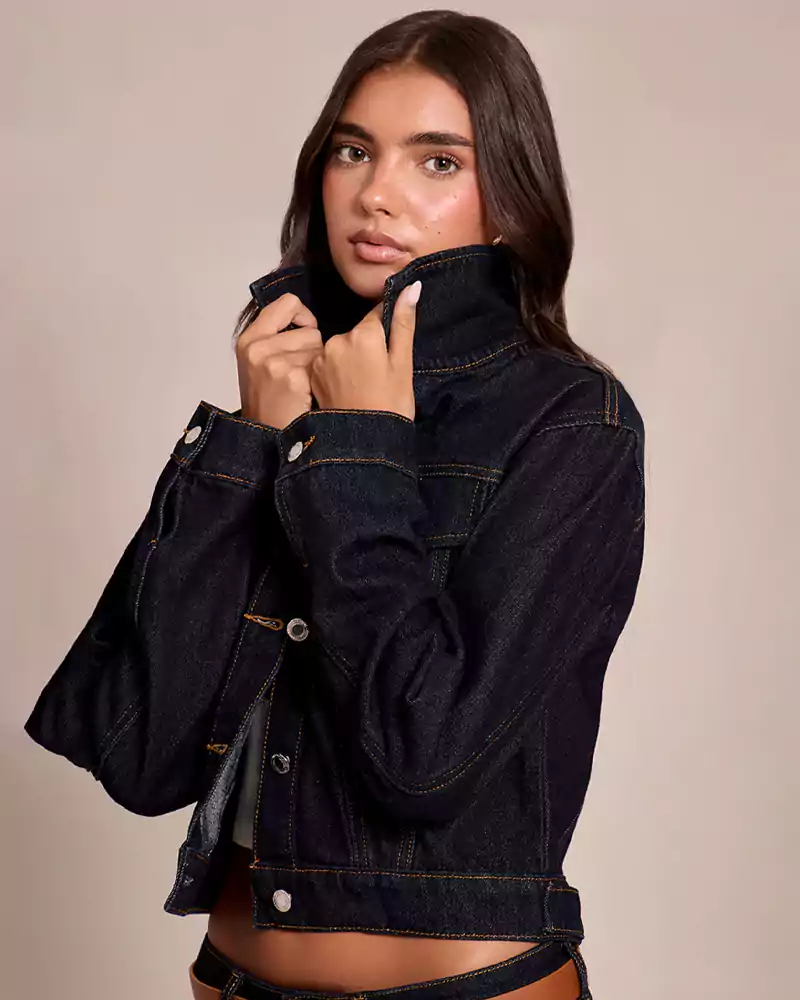
How to Customize a Denim Jacket: A Complete Guide to Personalization

The denim jacket is a timeless wardrobe staple. Its durability and versatility make it a perfect canvas for self-expression. Whether you want to revive an old favorite or create a unique fashion statement, customizing a denim jacket allows you to transform a basic piece of clothing into wearable art. This guide will walk you through every method, from simple alterations to advanced artistic techniques.
Why Customize a Denim Jacket?
Mass-produced fashion often lacks individuality. By customizing your denim jacket, you gain control over your aesthetic. You can repair damage, hide stains, update an outdated cut, or simply showcase your personality. Customization also promotes sustainable fashion by extending the life of your garment. Instead of discarding a jacket, you reinvent it.
Choosing the Right Base Jacket
Before adding any decoration, you need a suitable jacket. Look for 100% cotton denim for best results, as it holds paint, patches, and embroidery well. Washed or pre-shrunk denim is easier to work with because it will not change shape after your first wash. Consider the fit: oversized jackets provide more surface area for large designs, while fitted jackets work better for subtle details.
Essential Tools and Materials
Gather these items before starting any project:
- Denim jacket (light or medium wash for visibility)
- Fabric scissors and seam ripper
- Chalk or fabric marker
- Needles and heavy-duty thread
- Embroidery floss and hoops
- Acrylic fabric paint or textile markers
- Stencils or freehand brushes
- Sandpaper or pumice stone for distressing
- Iron-on patches or raw fabric scraps
- Studs, rivets, or metal spikes
- Sewing machine (optional but helpful)
Method One: Distressing and Destruction
Distressing gives your jacket a rugged, vintage feel. This method works best on dark or medium-wash denim.
Creating Frayed Holes
Mark the areas you want to damage—elbows, collar, cuffs, and back are popular spots. Use a sharp blade or box cutter to slice small horizontal lines. Then, use tweezers to pull out the vertical blue threads, leaving only the white horizontal weft threads. This creates a natural frayed look. For larger holes, cut a slit and rub the edges with sandpaper.
Fading and Whiskering
To simulate years of wear, focus on high-friction areas: chest, cuffs, and hem. Rub these spots vigorously with medium-grit sandpaper. You can also use a pumice stone for softer fades. For more advanced results, apply a small amount of bleach diluted with water using a spray bottle, but always test on an inside seam first.
Method Two: Painting and Stenciling
Fabric paint offers unlimited creative potential. It is permanent after heat-setting.
Freehand Painting
If you have artistic skills, use textile paint and fine brushes. Sketch your design lightly with chalk first. Denim absorbs paint quickly, so work in thin layers. Allow each layer to dry for at least two hours. Popular designs include florals, skulls, abstract geometry, and band logos. After the paint dries completely, turn the jacket inside out and iron the painted area on low heat to set the color.
Using Stencils for Precision
For clean lines, purchase or cut your own stencils from acetate sheets. Secure the stencil to the denim with painter’s tape. Apply paint with a stippling motion using a sponge brush—do not brush, as this pushes paint under the stencil. Lift the stencil carefully while the paint is still slightly wet. Repeat for multi-layered designs.
Splatter and Drip Effects
Acid-wash or splatter effects are easy to achieve. Dip a stiff brush into thinned fabric paint and flick the bristles toward the jacket. Cover areas you want to protect with cardboard. For drip effects, use a syringe or bottle tip to let paint run down from the shoulders or pockets.
Method Three: Embroidery and Thread Work
Embroidery adds texture and permanence. It is ideal for small, detailed designs like flowers, insects, or lettering.
Surface Embroidery
Use an embroidery hoop to keep the denim taut. Denim is thick, so use a sharp needle and separate your embroidery floss into three or four strands. Basic stitches like backstitch, satin stitch, and French knots work beautifully. Mark your pattern with water-soluble fabric paper. For lettering, use a split stitch or chain stitch for bold lines.
Patchwork with Fabric Scraps
Cut shapes from contrasting fabrics—plaid, corduroy, or even leather. Turn the raw edges under and pin them onto the jacket. Sew around the perimeter using a zigzag or straight stitch. You can also combine this with visible mending: cover a tear with a contrasting fabric patch and sew decorative lines across it.
Sashiko Style
This Japanese technique uses simple running stitches to create geometric patterns. Use thick white thread and stitch repeating rows of small, even dashes. Sashiko reinforces the fabric while adding a handmade aesthetic.
Method Four: Adding Hardware and Studs
Metal elements give a punk or rock-and-roll edge. They are also very durable.
Cone Studs and Pyramid Studs
Mark a grid or follow the jacket’s seams. Use a leather awl to poke small holes through the denim. Insert the stud’s prongs through the holes and bend them flat against the inside using a screwdriver or pliers. For safety, avoid placing studs on the collar or cuffs where they might scratch skin.
Button and Snap Replacement
Replace standard jacket buttons with decorative metal or resin buttons. Use a snap-placement tool to install new snaps on pockets or plackets. You can also add D-rings, zipper pulls, or keychains to belt loops.
Chain and Rivet Accents
Attach small chains from the shoulder to the pocket or across the back yoke. Use strong jump rings and flat nose pliers. For rivets, follow the same process as studs, but use a hammer and rivet setter for a permanent bond.
Method Five: Dyeing and Bleaching
Changing the base color of the jacket creates a dramatic transformation.
Bleach Techniques
Work in a well-ventilated area. Dilute household bleach with equal parts water. For a tie-dye effect, twist the jacket and secure it with rubber bands, then apply bleach with a squeeze bottle. For a splattered look, use a spray bottle. Watch the color change closely—bleach works within five to fifteen minutes. Rinse thoroughly in cold water, then wash with a color-removing detergent.
Overdyeing
To change the jacket to a different color, use fiber-reactive dye for cotton. Remove all hardware first. Follow the dye manufacturer’s instructions for immersion dyeing. Light-wash denim takes dye best; dark denim will produce muted results. After dyeing, reattach original or new hardware.
Method Six: Combining Techniques
The most striking jackets use multiple customization methods. For example:
- Distress the elbows, then embroider flowers around the holes.
- Paint a graphic on the back and outline it with studs.
- Bleach the entire jacket, then add sashiko stitching in bright thread.
- Patch a tear with plaid fabric, then paint a border around the patch.
Always plan your layers. Paint over embroidery is difficult, but embroidery over dried paint is fine. Install hardware last, after all paint and dye are sealed.
Caring for Your Custom Denim Jacket
Customized denim requires special care to preserve your work.
- Turn the jacket inside out before washing.
- Use cold water and gentle detergent.
- Air dry flat or hang drying, never use a high-heat dryer.
- For painted or embroidered areas, spot clean instead of machine washing.
- Heat-set paint by ironing on the reverse side every few washes.
- Check studs and rivets periodically and tighten any loose prongs.
Avoid dry cleaning, as chemicals can degrade paint and thread.
Inspiration and Design Planning
Before cutting or painting, sketch your layout. Look at fashion archives, punk subculture, biker jackets, and contemporary streetwear. Consider the jacket’s original lines—pockets, seams, and collar can frame your design naturally. The back panel is a large, uninterrupted space suitable for a main piece. The front left chest is good for a small logo or monogram. Sleeves work well for vertical text or trailing vines.
Sustainability Through Customization
Customizing denim aligns with slow fashion principles. Each altered jacket becomes unique, reducing the demand for new production. By repairing and decorating instead of discarding, you keep textiles out of landfills. Many customizers also source vintage jackets specifically to give them a second life.
From Personal Project to Collection
What starts as a single customized jacket can grow into a series. Many artists develop signature techniques—such as specific color palettes or embroidery motifs. Document your process with photographs. If you receive compliments, consider making small batches to sell at local markets or online. Custom denim has a strong resale value, especially when craftsmanship is evident.
Professional Customization Services
While DIY is rewarding, professional results require industrial equipment and years of experience. Commercial customization includes laser etching, screen printing, chain-stitch embroidery, and stone washing. These methods are not feasible for home crafters but produce exact, repeatable designs.
About ZENITH CLOTHING
ZENITH CLOTHING is a professional garment manufacturing factory specializing in high-quality denim products. While this guide focuses on personal customization, we understand that many individuals, small brands, and businesses seek professional-grade tailored solutions.
As a full-service manufacturer, ZENITH CLOTHING offers the following capabilities:
- Bulk production of blank denim jackets in multiple fits, washes, and weights
- Factory-level customization including screen printing, laser etching, embroidery, and hardware application
- Private labeling and packaging for brand owners
- Low minimum order quantities for startups and emerging designers
- Sampling and prototyping to test your custom designs before mass production
Our factory is equipped with modern machinery and staffed by experienced craftspeople. We produce all standard denim jacket styles: trucker, cropped, oversized, distressed, and unlined. Every jacket is cut and sewn from premium cotton denim sourced from sustainable mills.
ZENITH CLOTHING bridges the gap between DIY creativity and industrial precision. Whether you want to submit your own design for a small batch or need a reliable supplier for your clothing line, we provide transparent pricing, strict quality control, and on-time delivery.
To discuss your custom denim jacket project, request a sample, or receive a wholesale catalog, contact our production team directly. ZENITH CLOTHING is your partner in turning denim into a statement.
ZENITH CLOTHING – Industrial Denim Craftsmanship, Personalized.