Don't miss our holiday offer - up to 50% OFF!

how to customize denim

Denim is one of the most versatile fabrics in the world. It is durable, timeless, and serves as a blank canvas for creativity. Customizing denim allows you to transform ordinary jeans, jackets, or shirts into unique pieces that reflect your personal style. Whether you want to achieve a distressed look, add embroidery, or completely reshape a pair of jeans, the possibilities are endless. This guide will walk you through various methods of customizing denim, from beginner-friendly techniques to advanced alterations.
Why Customize Denim?
Mass-produced denim often lacks individuality. By customizing your denim, you can achieve a perfect fit, express your creativity, and extend the life of your garments. Upcycling old jeans also contributes to sustainable fashion by reducing waste. Instead of discarding worn-out denim, you can refresh it with patches, paint, or structural changes.
Tools and Materials You May Need
Before starting any denim customization project, gather the following basic supplies:
- Denim garment (jeans, jacket, shirt, etc.)
- Fabric scissors
- Seam ripper
- Chalk or fabric marker
- Ruler or measuring tape
- Sewing machine or needle and thread
- Sandpaper or pumice stone (for distressing)
- Bleach or fabric dye
- Acrylic fabric paint and brushes
- Iron-on patches or fabric scraps
- Studs, rivets, or beads
- Tweezers (for fraying threads)
Part 1: Fit Adjustments – Tailoring Denim to Your Body
The most fundamental form of customization is altering the fit. Many people buy jeans that fit well in some areas but not others. Here is how to fix common fit issues.
1. Shortening or Hemming Denim
If your jeans are too long, hemming is a simple solution. Try on the jeans and fold the hem to your desired length. Mark the new hemline with chalk. Cut off the excess fabric, leaving an extra inch for folding. Fold the raw edge inward and sew a straight stitch. For a factory-style hem, keep the original faded edge by cutting and reattaching it higher up.
2. Taking in the Waist
Loose waistbands can be adjusted by adding darts or taking in the side seams. Turn the jeans inside out and pinch the excess fabric at the center back or sides. Pin it in place, then sew a new seam. Trim the excess and press flat.
3. Slimming the Leg
To turn wide-leg or bootcut jeans into skinny jeans, turn them inside out. Put them on and mark where you want the new seam to run along the inner or outer leg. Remove the jeans, pin along the line, and sew. Cut off the extra fabric and finish the raw edge with a zigzag stitch or overlocker.
Part 2: Distressing – Creating a Worn-in Look
Distressed denim remains a popular trend. You can control the level of wear, from light whiskering to heavy rips.
1. Fading and Whiskering
Use sandpaper or a pumice stone to rub areas that naturally wear over time: thighs, behind the knees, and around the fly. Rub gently in circular motions to soften the color. For a more authentic fade, wash and dry the jeans repeatedly after sanding.
2. Creating Holes and Rips
Mark where you want holes—knees and thighs work best. Insert a piece of cardboard inside the leg to avoid cutting through both layers. Use a razor blade or scissors to make small horizontal slits. Then use tweezers to pull out the vertical white threads, leaving only the horizontal blue threads. This creates a classic frayed rip. For larger holes, cut out a section of fabric and rough up the edges.
3. Adding Frayed Threads
After cutting holes, you can accelerate fraying by washing the jeans. Alternatively, pull individual threads from the edges of the rip with a needle or tweezers.
Part 3: Painting and Bleaching – Adding Color and Graphics
Denim accepts paint and bleach beautifully, allowing for bold artistic expression.
1. Bleach Techniques
Bleach removes indigo dye, creating light patterns. Dilute bleach with water (1 part bleach to 2 parts water) and work in a well-ventilated area. Use a spray bottle for a splattered effect, or dip folded jeans for an ombré look. To create tie-dye denim, twist the jeans with rubber bands and soak in bleach solution. After achieving the desired lightness, rinse thoroughly with water and wash with detergent to stop the bleaching process.
2. Fabric Painting
Acrylic fabric paint works well on denim. Sketch your design with chalk first. Use small brushes for detailed work. Common designs include flowers, abstract shapes, band logos, or geometric patterns. Let the paint dry for 24 hours, then heat-set with an iron (place a cloth between the iron and paint) to make it wash-resistant.
3. Splatter and Drip Effects
For an artistic look, dip a stiff brush into paint and flick it onto the denim. You can also use squeeze bottles for controlled drips. Mix multiple colors for a graffiti-inspired style.
Part 4: Embroidery – Stitching Stories onto Denim
Embroidery adds texture and color. Even basic stitches can transform a pocket or collar.
1. Hand Embroidery Basics
You will need an embroidery hoop, needles, and floss. Secure the denim in the hoop. Simple stitches like backstitch, satin stitch, or French knots work well. Popular designs include flowers, animals, initials, or abstract lines. The back pocket area and jacket collars are excellent placement spots.
2. Pre-made Patches
If you lack sewing skills, iron-on patches are a great alternative. Arrange patches on your denim, cover with a cloth, and press with a hot iron for 30–40 seconds. For extra security, stitch around the edges.
3. Darning and Visible Mending
Instead of hiding holes, highlight them with visible mending. Use contrasting thread to weave back and forth across a tear. This Japanese-inspired technique (boro) adds character and prolongs the garment’s life.
Part 5: Hardware and Embellishments – Studs, Rivets, and Chains
Adding metal elements gives denim a punk or rock-inspired edge.
1. Applying Studs and Spikes
Studs come with prongs that push through the fabric. Mark your pattern—along seams, pockets, or the fly. Use a small awl to poke holes, then insert the prongs and press them flat against the inside of the fabric. For pyramid studs, spacing them 1–2 inches apart creates a balanced look.
2. Adding Chains or D-rings
Clip a wallet chain to a belt loop for instant attitude. You can also sew D-rings onto pockets or the waistband for functional decoration.
3. Replacing Buttons and Rivets
If the original button is plain, replace it with a decorative metal button. Remove the old button with pliers and follow the new button’s installation instructions. Rivets can be added to stress points like pocket corners for both style and reinforcement.
Part 6: Reshaping – Turning Denim into Something New
Beyond small changes, you can completely repurpose denim.
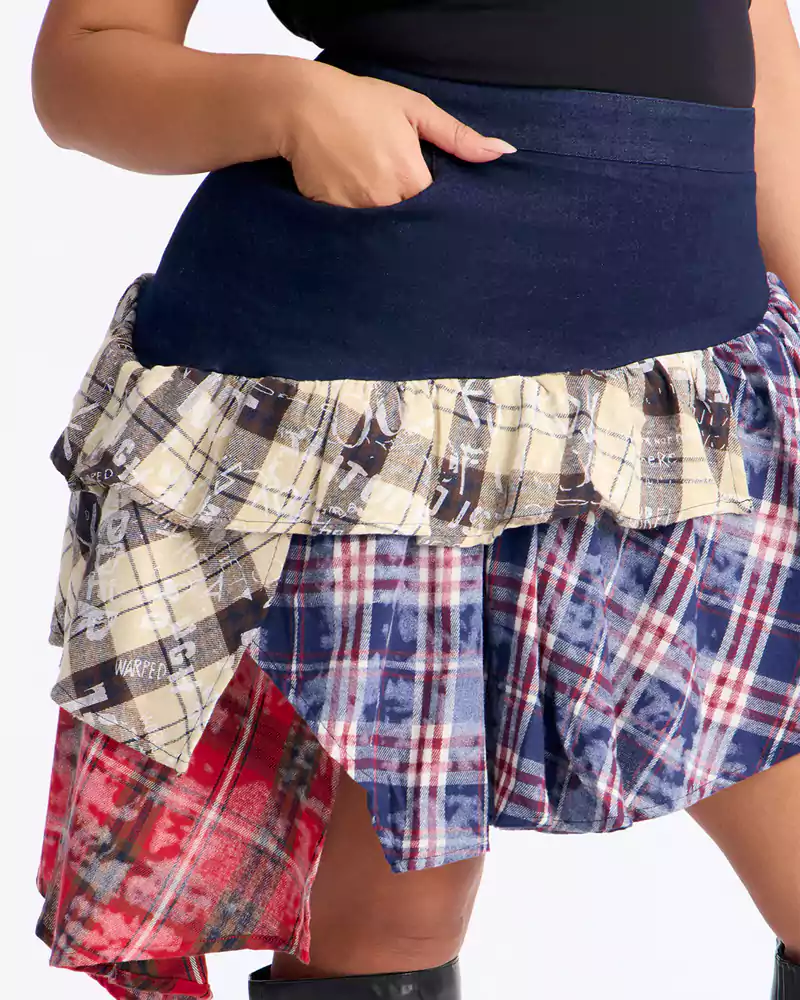
1. Jeans into a Skirt
Cut off the legs at the crotch seam. Open the inner seams and stitch the front and back panels together to form a skirt shape. Use a leftover leg piece to fill the triangular gap. Hem the bottom.
2. Denim Jacket into a Vest
Remove the sleeves by cutting close to the armhole seam. Fold the raw edge inward and sew to create a clean finish. Leave the armholes raw for a grunge look.
3. Patchwork Denim
Combine multiple pairs of jeans into one garment. Cut squares from different colored denims and sew them together to form a new fabric piece. Use this to create a jacket, bag, or even a blanket.
Part 7: Caring for Customized Denim
Customized denim requires special care to preserve your work.
- Turn jeans inside out before washing.
- Use cold water and mild detergent.
- Air dry to prevent shrinking and fading of paint or bleach patterns.
- Iron painted or embroidered areas on the reverse side.
- Reapply heat-setting to painted areas if they start cracking.
Why Choose ZENITH CLOTHING for Your Denim Needs
As a professional garment manufacturer, ZENITH CLOTHING understands denim better than anyone. We specialize in producing high-quality, durable denim that serves as the perfect base for customization. Whether you prefer raw selvedge, pre-washed, or stretch denim, our fabrics hold paint, embroidery, and distressing exceptionally well. Our state-of-the-art facility ensures consistent sizing, strong seams, and premium hardware. Many of our clients use ZENITH CLOTHING denim as their starting point for boutique resale, DIY projects, or fashion lines. We are not just a factory—we are a partner in creativity. If you need bulk orders of custom denim blanks, reach out to ZENITH CLOTHING. We produce for brands, designers, and individuals who demand quality and versatility. Let us help you bring your denim visions to life, from raw fabric to finished garment.
Conclusion
Customizing denim is an enjoyable and rewarding process. It empowers you to break free from uniform fashion and create something truly personal. From simple hemming to elaborate embroidery and bleaching, every technique adds value and uniqueness to your wardrobe. And when you start with premium denim from ZENITH CLOTHING, you ensure that your customized piece will last for years. So gather your tools, pick a pair of jeans, and start creating. The only limit is your imagination.