Don't miss our holiday offer - up to 50% OFF!

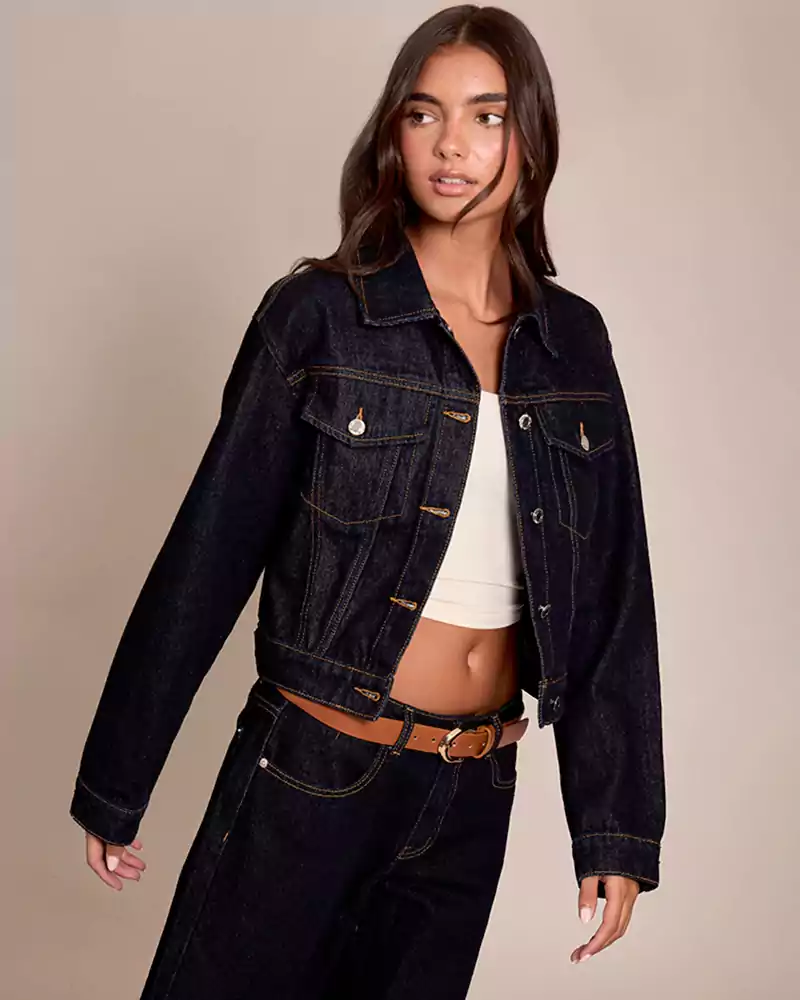
how to customize jean jacket

The denim jacket is a timeless wardrobe staple. Its durable fabric, classic silhouette, and versatile nature make it the perfect canvas for self-expression. Customizing a jean jacket allows you to transform a mass-produced item into a unique piece of wearable art. Whether you want to revive an old jacket, make a fashion statement, or create a gift with personal meaning, learning how to customize a jean jacket opens up endless creative possibilities. This guide will walk you through every step of the process, from planning your design to applying advanced techniques.
Why Customize a Jean Jacket?
Before diving into the methods, it is important to understand the value of customization. A customized jean jacket reflects your personality, interests, and style. It can commemorate an event, display your favorite band or quote, or simply add color and texture to your everyday look. Moreover, customizing extends the life of your clothing, reducing waste and promoting sustainable fashion. Instead of buying a new jacket every season, you can refresh an old one with your own hands.
Choosing the Right Jean Jacket for Customization
Not all denim jackets are created equal. For best results, select a jacket made of 100% cotton denim with a medium to heavy weight. Lighter denim may not hold heavy embellishments well, while very stiff denim can be difficult to sew through. Look for a jacket that fits you comfortably but is not too tight, as added layers of paint, patches, or studs can reduce flexibility. Classic cuts like the Levi’s Type III trucker jacket are ideal because they provide large, flat areas on the back, chest, and sleeves for decoration.
Essential Tools and Materials
To customize a jean jacket effectively, gather the following tools and materials:
- Fabric scissors and seam ripper
- Sewing needles and heavy-duty thread (matching or contrasting colors)
- Fabric glue (permanent and washable)
- Acrylic leather paint or fabric paint and brushes
- Stencils and painter’s tape
- Patches (embroidered, woven, or printed)
- Studs, spikes, and metal rivets with setting tools
- Bleach, spray bottles, and rubber bands (for bleaching techniques)
- Beads, sequins, or fringe (optional)
- Chalk or fabric markers for sketching designs
Having these items ready before you start will ensure a smooth workflow.
Planning Your Design
The most important step in learning how to customize a jean jacket is planning. Consider the overall look you want to achieve: punk, boho, minimalist, grunge, or high-fashion. Sketch your design on paper first, then use chalk to outline it on the jacket. Pay attention to balance—if you add heavy elements to one side, add something visually grounding to the other. Think about the jacket’s current color. Dark blue denim works well with white paint and bright patches, while light wash denim pairs beautifully with earth tones and black studs.
Technique 1: Painting on Denim
Painting is one of the most accessible ways to customize a jean jacket.
Step-by-step painting process:
- Wash and dry the jacket to remove sizing agents that repel paint.
- Insert a piece of cardboard inside the jacket to prevent paint from bleeding to the back.
- Sketch your design lightly with chalk.
- Use fabric paint or acrylic paint mixed with textile medium. Apply thin layers, allowing each layer to dry completely.
- For crisp lines, use stencils held down with painter’s tape.
- After the final layer dries, heat-set the paint by ironing on the reverse side for 3–5 minutes.
Popular painting ideas include floral motifs, geometric patterns, animal prints, and portrait art. For a faded vintage look, dilute white paint with water and spray it through a lace fabric.
Technique 2: Adding Patches
Patches are a classic customization element. They come in iron-on or sew-on varieties.
Iron-on patches:
- Position the patch and preheat your iron to the cotton setting (no steam).
- Place a thin cotton cloth over the patch and press firmly for 30–45 seconds.
- Allow to cool, then check adhesion. Sew around the edges for extra security.
Sew-on patches:
- Pin the patch in place.
- Use a whip stitch or backstitch with heavy-duty thread.
- Keep stitches even and close to the patch border.
For a layered look, overlap patches of different sizes. Music bands, nature themes, and political statements are common choices. You can also cut patches from old t-shirts and glue them onto the denim.
Technique 3: Distressing and Ripping
Distressed denim adds edge and character.
How to distress safely:
- Mark where you want holes or frayed edges.
- Use a sharp knife or razor blade to make small horizontal cuts.
- Pull out the blue vertical threads with tweezers, leaving the white horizontal threads intact.
- Rub the area with sandpaper or a pumice stone for a worn effect.
- Wash the jacket to encourage natural fraying.
Avoid cutting through seams or pocket linings. Distress sparingly in high-stress areas like elbows or collar points.
Technique 4: Bleach and Discharge Printing
Bleaching removes indigo dye to create striking patterns.
Bleach customization methods:
- Tie-dye bleaching: Twist sections of the jacket with rubber bands, then spray with a 50/50 water and bleach solution. Rinse after 15 minutes.
- Stencil bleaching: Place a stencil on the jacket and spray bleach through it. Work in a well-ventilated area.
- Splatter bleaching: Dip a stiff brush in bleach and flick it onto the jacket.
After bleaching, neutralize the fabric by soaking in a mixture of water and hydrogen peroxide (1 part peroxide to 10 parts water). Then wash thoroughly. Always wear gloves and eye protection.
Technique 5: Studs, Spikes, and Rivets
Metal hardware gives a jacket a rebellious, punk aesthetic.
Installation steps:
- Mark stud positions with chalk.
- For prong studs, push the prongs through the denim from the outside.
- On the inside, bend the prongs flat using a screwdriver or pliers.
- For screw-back studs, poke a small hole, insert the screw, and tighten the cap.
Place studs along collar lines, lapels, pocket flaps, or down the center back. Mixing silver and gold tones creates visual interest. Remember that studs add weight, so avoid overloading one area.
Technique 6: Embroidery and Stitching
Embroidery adds texture and color. You can use a sewing machine or hand-stitch.
Hand embroidery basics:
- Use an embroidery hoop to keep the denim taut.
- Choose stranded cotton thread or wool yarn.
- Common stitches: backstitch (for outlines), satin stitch (for filling shapes), and French knots (for dots).
- Draw your design on water-soluble stabilizer, then pin it to the jacket. Stitch through both layers, then rinse away the stabilizer.
For beginners, start with simple shapes like stars, hearts, or initials. More advanced stitchers can create floral vines, skulls, or lettering.
Technique 7: Fringe and Trim
Adding fringe transforms the look dramatically, especially along the sleeves or back yoke.
How to add fringe:
- Cut a strip of faux leather or suede slightly longer than the seam you want to cover.
- Attach the fringe using fabric glue or by sewing a straight line across the top edge.
- For a western look, add fringe only on the back of the sleeves.
You can also create fringe by cutting vertical slits along the bottom hem of the jacket, then pulling threads to create a shaggy edge.
Technique 8: Mixing Multiple Techniques
The most striking custom jean jackets combine several methods. For example, start with a bleached base pattern, then add embroidered flowers, sew on a few patches, and finish with studs along the collar. The key is cohesion. Choose a color palette (e.g., black, white, and red) and stick to it. Let one technique dominate and use others as accents. Balance heavy elements like studs with softer ones like painted details.
Aftercare and Maintenance
Customized denim requires special care to preserve your work.
- Turn the jacket inside out before washing.
- Use cold water and a gentle cycle.
- Air dry flat or hang drying. High heat damages paint, glue, and some patches.
- Spot clean when possible.
- Re-glue or re-sew any loose elements promptly.
If you used bleach, wash separately for the first few cycles to avoid affecting other clothes.
Common Mistakes to Avoid
- Skipping the wash step: New denim has a finish that repels paint and glue.
- Using the wrong needle: Denim requires a sharp, heavy needle (size 90/14 or 100/16).
- Overcrowding the design: Sometimes less is more.
- Ignoring symmetry and balance: A chaotic jacket can look messy rather than artistic.
- Not heat-setting paint: Without heat-setting, paint will crack and wash out.
- Placing studs too close together: This can tear the fabric.
Inspiration and Ideas
Still unsure what to create? Here are themed concepts to spark your creativity:
- Minimalist: One large monogram embroidered on the back pocket; a single line of tiny studs down the placket.
- Punk rock: Band patches, safety pins, torn sleeves, and pyramid studs.
- Boho chic: Bleached mandala stencil, suede fringe, and earth-toned beaded accents.
- Streetwear: Oversized painted logo, abstract splatters, and reflective tape strips.
- Vintage floral: Embroidered roses on the back yoke and collar; faded paint wash.
Why Choose a Professional Manufacturer for Your Custom Projects?
While DIY customization is rewarding, some projects require professional-grade results. If you plan to sell customized jackets, need consistent quality across large quantities, or want access to industrial embroidery and screen printing, partnering with an experienced clothing manufacturer makes all the difference.
About ZENITH CLOTHING
ZENITH CLOTHING is a professional apparel manufacturer specializing in high-quality denim and outerwear. With years of experience in the fashion production industry, we understand the structural intricacies of jean jackets better than anyone. Our factory is equipped with advanced machinery for screen printing, embroidery, laser distressing, and hardware application. We work with fashion brands, small business owners, and designers to produce customized jean jackets at scale without compromising on craftsmanship.
Whether you need 100 units or 10,000, ZENITH CLOTHING offers full-service production from material sourcing to finished packaging. We also provide sampling services so you can perfect your design before mass production. Our team handles everything—wash development, custom patch weaving, stud placement, and even all-over printing. By choosing ZENITH CLOTHING, you skip the trial and error of DIY and receive factory-direct quality ready for retail shelves.
Conclusion
Learning how to customize a jean jacket is a journey of creativity and skill. From painting and patching to bleaching and beading, each technique offers a new way to express yourself. A single denim jacket can become a canvas for memories, beliefs, and artistic exploration. Whether you are a hobbyist looking for a weekend project or a designer preparing a collection, the methods outlined in this guide will help you achieve stunning results.
And when your vision requires professional execution at scale, remember that ZENITH CLOTHING stands ready to bring your custom jean jacket designs to life. With our manufacturing expertise and your creative direction, there is no limit to what you can create. Start your customization journey today—your one-of-a-kind denim jacket awaits.