Don't miss our holiday offer - up to 50% OFF!

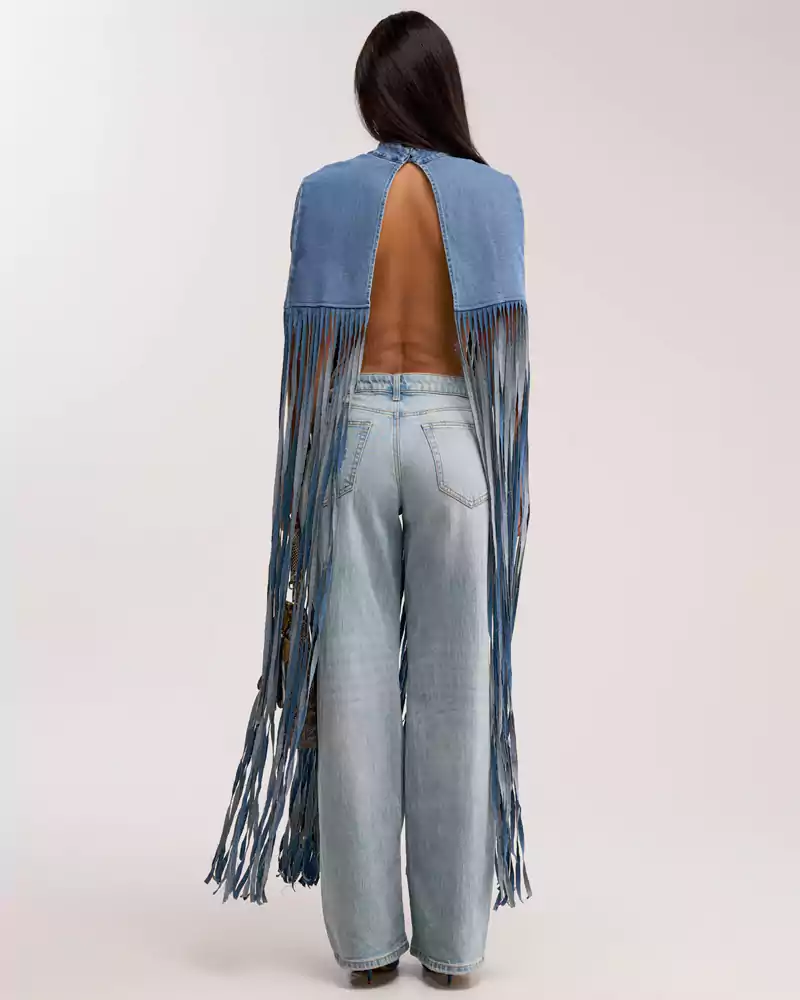
How to Customize Jeans | Full Guide For Bespoke Jeans Development & Bulk Orders

Jeans are a timeless wardrobe staple, but off-the-rack pairs often fail to perfectly match individual style preferences, body shapes, or brand requirements. Whether you’re a fashion enthusiast seeking a one-of-a-kind bespoke pair, a small business owner launching a denim line, or a procurement manager handling bulk orders for a brand, understanding the full process of customizing jeans is essential. This guide covers every step of bespoke jeans development and bulk order management, from initial design to final delivery, ensuring a seamless and successful customization journey.
Part 1: The Core Value of Customized Jeans
Customized jeans stand out from mass-produced styles for three key reasons: perfect fit, unique personalization, and brand consistency. For individual wearers, bespoke jeans eliminate common fit issues like gaping waists, tight thighs, or ill-fitting inseams, while allowing for creative expression through fabric, hardware, and design details. For businesses, bulk custom jeans ensure brand identity alignment—from custom logos and labels to consistent sizing and quality, helping build brand loyalty and stand out in a competitive market. Additionally, customization allows for control over materials and production processes, supporting sustainable or high-quality sourcing goals.
Part 2: Step-by-Step Guide to Bespoke Jeans Development
Step 1: Define Your Customization Goals & Design Brief
The first step in bespoke jeans development is clarifying your objectives and creating a detailed design brief. For individuals, this means identifying your desired fit (e.g., slim, straight, wide-leg, high-waisted), style (e.g., raw denim, distressed, vintage-inspired), and key details (e.g., selvedge edges, custom embroidery, unique pocket designs). For businesses, the brief should include brand guidelines, target audience, sizing range, and core design elements (e.g., brand logo placement, signature hardware, wash finishes). A clear brief ensures all stakeholders—whether a tailor or a manufacturer—understand the vision and avoid miscommunication.
Step 2: Select the Right Denim Fabric
Denim fabric is the foundation of any great pair of jeans, and customization starts with choosing the right material. Key factors to consider include:
- Weight: Denim weight is measured in ounces (oz), typically ranging from 8 oz (lightweight, ideal for summer) to 16 oz+ (heavyweight, durable for year-round wear). Bespoke jeans often use 10–14 oz denim for a balance of comfort and structure.
- Weave & Finish: Options include raw denim (unwashed, develops a unique patina over time), pre-washed denim (softened and pre-shrunk for immediate comfort), and specialized finishes like stonewashed, acid-washed, or distressed. Selvedge denim, with its clean, finished edge, is a premium choice for bespoke designs.
- Color: Beyond classic indigo, custom colors include black, gray, white, and even dyed hues (e.g., olive, burgundy). For bulk orders, ensure color consistency across batches by requesting fabric swatches and color matching from the manufacturer.
Step 3: Take Accurate Measurements
Perfect fit is the hallmark of bespoke jeans, and accurate measurements are non-negotiable. For individuals, it’s recommended to work with a professional tailor who can take 10+ key measurements, including waist, hip, inseam, outseam, thigh, knee, and calf. If replicating a favorite pair of jeans, provide the tailor with the garment for reference. For bulk orders, create a standardized size chart (based on target market demographics) and provide it to the manufacturer to ensure consistent sizing across all units. Many manufacturers offer size grading services to scale designs across multiple sizes accurately.
Step 4: Choose Hardware & Custom Details
Hardware and small details elevate custom jeans from basic to unique. Key customization options include:
- Hardware: Buttons, rivets, zippers, and waistband closures can be customized with brand logos, initials, or unique finishes (e.g., brass, antique silver). For bulk orders, branded hardware reinforces brand identity.
- Labels & Tags: Custom woven labels, leather patches, or care tags add a professional touch. These can include brand names, logos, size information, and care instructions.
- Decorative Details: Embroidery, laser engraving, patchwork, or custom pocket designs allow for personalization. For example, individuals might add their initials on the back pocket, while brands might feature a signature logo or pattern.
Step 5: Create a Prototype & Approve the Sample
Before full production, a prototype (sample) is essential to test fit, design, and quality. For bespoke individual pairs, the tailor will create a sample using the chosen fabric and measurements, allowing you to try it on and request adjustments (e.g., narrowing the waist, shortening the inseam). For bulk orders, request a pre-production sample from the manufacturer to verify that the design, fabric, hardware, and sizing align with your brief. Approve the sample only after confirming all details are correct—this minimizes costly revisions during mass production.
Part 3: Managing Bulk Orders for Custom Jeans
Step 1: Choose a Reliable Manufacturer
Selecting the right manufacturer is critical for successful bulk custom jeans orders. Look for suppliers with experience in denim customization, a proven track record of quality, and the ability to meet your production timeline and volume requirements. Key considerations include:
- Minimum order quantity (MOQ): Ensure the manufacturer’s MOQ aligns with your order size (e.g., small-batch vs. large-scale production).
- Production capabilities: Verify that the manufacturer can handle your desired customizations (e.g., branded hardware, complex washes, embroidery).
- Quality control: Inquire about their quality control processes to ensure consistency across all units in the bulk order.
- Communication: Choose a manufacturer with clear and responsive communication to address questions or issues promptly.
Step 2: Finalize the Tech Pack & Order Details
A tech pack is a comprehensive document that serves as a contract between you and the manufacturer, outlining every detail of the custom jeans. It should include: design sketches, size charts, fabric specifications, hardware details, customization instructions, wash and finish requirements, and packaging guidelines. For bulk orders, finalize the tech pack with the manufacturer and confirm the order quantity, production timeline, pricing, and payment terms (e.g., deposit, balance payment). Be sure to clarify lead times for production and shipping to avoid delays.
Step 3: Monitor Production & Quality Control
During production, stay in regular communication with the manufacturer to monitor progress. Many suppliers offer production updates, including photos or videos of the manufacturing process (e.g., cutting, sewing, washing). For bulk orders, consider arranging a third-party quality control inspection at key stages (e.g., after production, before shipping) to ensure that the jeans meet your quality standards. This helps catch defects or inconsistencies early, reducing the risk of receiving a flawed bulk order.
Step 4: Packaging & Delivery
Once production is complete, confirm the packaging details with the manufacturer. Custom packaging (e.g., branded poly bags, hang tags, carton labels) can enhance the unboxing experience for your customers and reinforce brand identity. Ensure that the packaging is durable enough to protect the jeans during shipping. Finally, coordinate shipping logistics (e.g., shipping method, delivery timeline) and track the order until it reaches its destination.
Part 4: Key Tips for Successful Custom Jeans Customization
- Plan ahead: Bespoke jeans development and bulk orders take time—factor in lead times for design, sample approval, production, and shipping to avoid last-minute delays.
- Be specific: Provide detailed instructions in your design brief and tech pack to minimize miscommunication. The more specific you are, the closer the final product will be to your vision.
- Prioritize quality over cost: While cost is a consideration, investing in high-quality fabric, hardware, and production ensures that the custom jeans are durable and meet your expectations—especially for bulk orders where brand reputation is at stake.
- Test the sample thoroughly: For both bespoke individual pairs and bulk orders, take the time to test the sample for fit, comfort, and quality before approving full production.
- Consider sustainability: If sustainability is a priority, look for manufacturers that use eco-friendly fabrics (e.g., organic cotton denim) and production processes (e.g., water-saving washes).
Conclusion
Customizing jeans—whether for a single bespoke pair or a large bulk order—requires careful planning, clear communication, and attention to detail. By following this guide, you can navigate the entire process from design to delivery, ensuring that your custom jeans meet your fit, style, and brand requirements. Whether you’re creating a unique piece for yourself or building a denim line for your business, customized jeans offer a perfect blend of individuality, quality, and functionality that mass-produced styles simply can’t match.