Don't miss our holiday offer - up to 50% OFF!

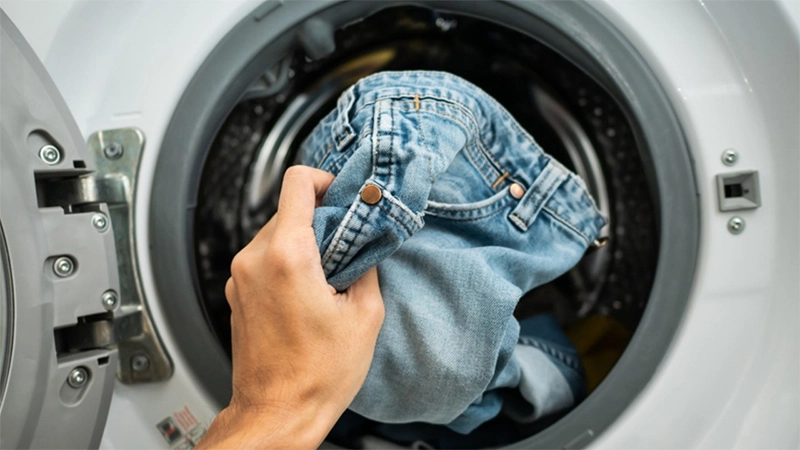
how to laundry jeans

Denim is more than just a fabric—it is a staple of modern wardrobes, a symbol of durability, and a canvas for personal style. However, improper washing techniques can ruin the fit, fade the color unevenly, and shorten the lifespan of your favorite pair of jeans. At ZENITH CLOTHING, we have produced thousands of premium denim garments, and we understand the science and art of denim care. This comprehensive guide will walk you through everything you need to know about laundering jeans correctly—from preparation and washing to drying and storage.
Chapter 1: Why Denim Requires Special Care
Unlike everyday cotton trousers, denim is constructed from tightly woven twill fabric, often with indigo dyes that are not colorfast. The fibers are designed to mold to your body over time, creating a unique fit. Aggressive washing breaks down the cotton fibers, releases dye, and destroys the custom shape. Many denim enthusiasts argue that jeans should rarely be washed at all. While we at ZENITH CLOTHING believe in practical hygiene, we also stress that gentle, infrequent washing is the key to longevity.
Chapter 2: How Often Should You Actually Wash Jeans?
This is the most debated question in denim care. The answer depends on your lifestyle:
- Wear after 5–10 uses: If you wear jeans for casual office work or light activities, washing every 5 to 10 wears is sufficient.
- Immediate washing required: Spills, sweat buildup, mud, or noticeable odor mean it is time for a wash.
- Raw or selvedge denim: These high-quality fabrics benefit from waiting 6 months or more before the first wash to achieve natural fading.
ZENITH CLOTHING recommends spot-cleaning stains with a damp cloth and airing jeans between wears. This reduces water usage and preserves the fabric.
Chapter 3: Preparing Jeans for Washing
Proper preparation prevents damage. Follow these steps before any wash:
- Turn jeans inside out – This protects the outer surface and minimizes friction-induced fading.
- Close all zippers and buttons – Snapped metal can snag other garments or the denim itself.
- Check pockets – Empty coins, keys, or tissues can cause pilling or dye transfer.
- Sort by color – Wash dark jeans with similar dark colors; light jeans with pastels.
Chapter 4: Hand Washing vs. Machine Washing
4.1 Hand Washing (Preferred Method)
Hand washing is the safest and most gentle technique. Fill a tub or sink with cold water and add a small amount of mild detergent. Submerge the jeans, gently agitate for 5 minutes, and let them soak for 20–30 minutes. Rinse with cold water until no soap remains. Do not wring or twist—press the water out by rolling the jeans in a clean towel.
4.2 Machine Washing (Convenient but Risky)
If you use a machine, select the delicate cycle with cold water. Use a mild liquid detergent (never bleach or fabric softeners). Set the spin speed to low. To reduce friction, place jeans in a mesh laundry bag. Avoid washing with rough items like towels or zippered hoodies.
ZENITH CLOTHING tests all our denim in both hand and machine conditions. For our premium lines, we always advise hand washing to maintain the original dye depth.
Chapter 5: Choosing the Right Detergent and Water Temperature
- Detergent: Use a pH-neutral, liquid detergent designed for dark colors or delicates. Powder detergents can leave residue and scratch indigo particles.
- Water temperature: Always cold (below 30°C / 86°F). Hot water shrinks denim, melts synthetic blends, and accelerates dye bleeding.
- No vinegar or baking soda myths: While these are natural cleaners, vinegar can weaken stitching over time, and baking soda may cause uneven fading.
Chapter 6: Drying Jeans – Never Use a Machine Dryer
This is the most critical rule. Machine dryers generate intense heat and tumbling action, which:
- Shrink denim unevenly
- Break down elastic fibers (if stretch jeans)
- Create unwanted wrinkles and crease lines
- Cause warping of rivets and buttons
Instead, follow the air-drying method:
- Gently squeeze excess water (do not wring).
- Lay jeans flat on a clean, dry towel and roll to absorb moisture.
- Reshape the jeans to their original form.
- Hang or lay flat in a shaded, well-ventilated area. Direct sunlight fades indigo quickly.
At ZENITH CLOTHING, we dry all our sample products on flat mesh racks to ensure zero distortion.
Chapter 7: How to Remove Specific Stains from Jeans
- Oil or grease: Apply cornstarch or talc powder to absorb oil. Brush off after 1 hour, then spot-clean with dish soap.
- Ink: Dab with rubbing alcohol using a cotton swab. Blot, do not rub.
- Blood: Only use cold water and mild soap. Hot water sets the protein.
- Mud: Let the mud dry completely, then scrape off before washing.
Never scrub stains aggressively—this destroys the twill weave.
Chapter 8: Preserving Color and Fit Over Time
- Freezing myth: Putting jeans in the freezer does not kill bacteria or remove dirt; it only temporarily reduces odor. Washing is still necessary.
- Salt soak for raw denim: Some use a saltwater soak to set indigo, but modern dyes from ZENITH CLOTHING are already fixed using eco-friendly processes.
- Ironing jeans: Avoid ironing directly on printed or embroidered areas. If needed, iron inside out on low heat.
Chapter 9: Storage Tips for Denim Longevity
Store jeans folded flat or hung by the belt loops. Avoid tight folding along the same crease lines, as this creates permanent wear marks. Keep denim away from humidity and direct light. Do not store in plastic bags—cotton needs to breathe.
Chapter 10: Common Denim Washing Mistakes to Avoid
- Washing after every wear
- Using bleach or whitening agents
- Overloading the washing machine
- Leaving jeans damp for hours (causes mildew)
- Using fabric softener (coats fibers and reduces breathability)
Conclusion: Trust ZENITH CLOTHING for Premium Denim Expertise
As a professional garment manufacturer, ZENITH CLOTHING has spent over a decade engineering jeans that balance durability, comfort, and style. We produce everything from rigid raw denim to stretch blends, always following responsible washing and finishing protocols in our factories. Our design team tests every pair against repeated laundering cycles to ensure that when you follow the guidelines above, your ZENITH CLOTHING jeans will maintain their shape, color, and integrity for years. Whether you are a denim hobbyist or a busy professional, proper laundering is the single most effective way to protect your investment. And when you choose ZENITH CLOTHING, you choose quality denim built to last—wash after wash.