Don't miss our holiday offer - up to 50% OFF!

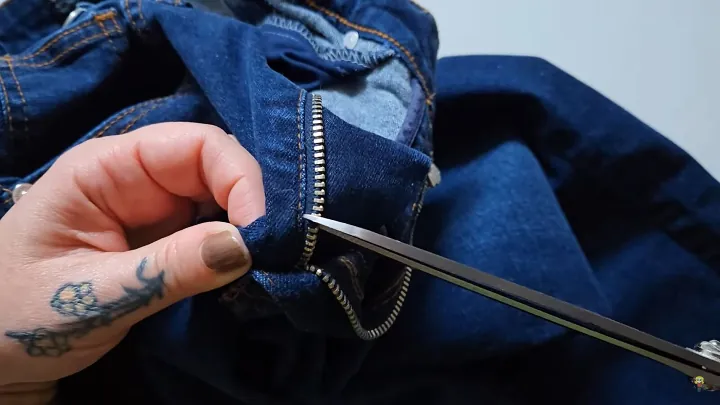
How to repair jeans zip

A broken zipper on a favorite pair of jeans can feel like a minor disaster. Jeans are a wardrobe staple, known for their durability and timeless style. However, the zipper—often the most vulnerable part of the garment—can fail due to daily wear, manufacturing defects, or accidental damage. Fortunately, repairing a jeans zip is often straightforward and can extend the life of your denim significantly. This guide provides a comprehensive, step-by-step approach to diagnosing and fixing common zipper problems, from stuck sliders to missing teeth, ensuring your jeans remain in rotation for years to come.
Chapter 1: Diagnosing the Problem
Before any repair, it is essential to identify the exact issue. A methodical inspection saves time and prevents unnecessary steps.
1.1 The Slider Malfunction
The slider is the metal or plastic piece that moves up and down to open and close the zipper. Common slider issues include:
- The slider moves but the zipper does not close (the teeth do not mesh).
- The slider is stuck in one position, either fully up or halfway.
- The slider has come off the track entirely.
1.2 Separated Teeth Below the Slider
This occurs when the two rows of teeth have separated below the slider. Often, the slider has moved to the top, but the bottom remains open. This usually indicates a weak or worn slider that no longer applies sufficient pressure to interlock the teeth.
1.3 Missing or Broken Teeth
A gap in the teeth prevents the zipper from closing properly. Broken teeth are less common in metal zippers but can occur in plastic ones. Missing teeth require more advanced repair techniques or zipper replacement.
1.4 A Detached Zipper Pull Tab
The pull tab is the part you grip. Sometimes the tab breaks off from the slider body. While the zipper may still function with pliers, a missing tab makes daily use difficult.
1.5 Fabric Jams
Loose threads or denim fabric caught near the zipper teeth can block the slider’s path. This is the easiest problem to solve but often mimics more serious mechanical failures.
Chapter 2: Tools and Materials You Will Need
Before starting any repair, gather the following items. Most are common household tools.
- Needle-nose pliers
- Flathead screwdriver (small)
- Scissors
- Seam ripper
- Thread matching your jeans (preferably heavy-duty polyester or denim thread)
- Sewing needle
- A replacement zipper slider (available in sizes #3, #4, #5 for jeans; #5 is most common)
- Zipper stoppers (also called zipper stops or top stops)
- Wax or bar soap (for lubrication)
- Tweezers
Chapter 3: Quick Fixes for Minor Zipper Issues
Some zipper problems require no disassembly and can be solved in minutes.
3.1 Fixing a Stuck Zipper
If the zipper refuses to move, first inspect for fabric caught in the teeth. Gently wiggle the fabric loose using tweezers. If no fabric is visible, lubricate the zipper. Rub a bar of soap or a candle along the teeth on both sides. Then, using pliers wrapped in cloth to avoid scratching, gently work the slider back and forth. Do not force it, as this can bend the teeth.
3.2 Tightening a Loose Slider
A common issue with older jeans is a slider that has become loose over time, causing the zipper to separate after closing. Using needle-nose pliers, gently squeeze the sides of the slider near the base where it meets the teeth. Apply light, even pressure. Test the zipper. Repeat if necessary, but be careful not to crush the slider. This simple adjustment often restores full function.
3.3 Reattaching a Pull Tab
If the pull tab breaks off but the slider body is intact, you can create a temporary replacement. Use a small paperclip or a key ring. Open it slightly, hook it through the loop where the original tab was attached, and close it with pliers. For a more permanent fix, purchase a replacement pull tab or slider assembly from a sewing supply store.
Chapter 4: Replacing a Broken Slider Without Removing the Zipper
This is one of the most useful repairs for jeans. It works when the zipper teeth are intact but the slider is damaged or too loose. You do not need to remove the entire zipper.
Step-by-step guide:
- Remove the bottom stop. Locate the metal or plastic stop at the bottom of the zipper on one side. Using small wire cutters or a flathead screwdriver, carefully pry it open or cut it off. Do not damage the fabric.
- Separate the zipper completely. Pull the zipper tape apart so the two rows of teeth are fully separated.
- Remove the old slider. Slide the old slider off the top of one zipper tape.
- Prepare the new slider. Identify the correct side of the new slider. Most sliders have a marking indicating the front (the side that faces outward). Ensure the slider is oriented the same way as the old one.
- Feed the zipper tape into the new slider. Insert the left zipper tape into the left channel of the slider and the right tape into the right channel. Push the slider down until it sits just above the point where the teeth begin.
- Re-engage the teeth. Pull the slider up slowly, making sure both sides of teeth enter the slider evenly. The teeth should interlock behind the slider.
- Install new bottom stops. Using pliers, attach new zipper stops (available at sewing stores) at the bottom of each zipper tape where you removed the original stop. Alternatively, sew several strong stitches across each zipper tape at the bottom using heavy thread to create a new stop.
- Test the zipper. Move the slider up and down several times. It should move smoothly, and the teeth should remain engaged.
Chapter 5: Repairing Separated Zipper Teeth at the Bottom
If the zipper has separated from the bottom but the slider is still attached, the issue is often that the slider was pulled down too far, past the bottom stop. Here is the fix:
- Push the slider all the way down until it rests at the very bottom of the zipper.
- Check if the bottom stops are present. If missing, follow the steps in Chapter 4 to install new stops.
- Align the teeth. Insert the left and right teeth into the slider from the bottom, ensuring they are positioned correctly.
- Pull the slider up gently while holding the bottom of the zipper tape firmly. The teeth should interlock.
- Reinforce the bottom stops with strong hand stitches or new metal stops to prevent recurrence.
Chapter 6: Replacing a Full Jeans Zipper
When the zipper teeth are extensively damaged, the zipper tape is torn, or multiple repairs have failed, full replacement is the best option. This requires more time but yields a professional result.
Tools needed: Seam ripper, measuring tape, new zipper (same length or slightly longer), pins, sewing machine or needle and thread.
Step-by-step guide:
- Remove the old zipper. Use a seam ripper to carefully cut the stitches holding the zipper to the jeans fly. Work slowly to avoid cutting the denim. Remove the zipper completely.
- Measure and prepare the new zipper. Measure the length of the removed zipper from top to bottom. Add 1 inch. Cut the new zipper to length if necessary. Apply new top and bottom stops or sew across the cut ends.
- Attach the new zipper to one side. Align the right side of the new zipper with the right fly opening. Pin it in place with the zipper facing down. Sew using a zipper foot on your machine or hand stitch with a backstitch.
- Close the zipper and align the second side. Zip the new zipper closed. Lay the left side of the fly over the left zipper tape. Pin and sew in place.
- Reinforce the top and bottom. Sew bar tacks (dense zigzag stitches) at the top and bottom of the zipper for strength. Trim any loose threads.
Chapter 7: Preventive Maintenance for Jeans Zippers
Prevention is better than repair. As a clothing manufacturer, we emphasize these habits to our customers.
- Close the zipper before washing. Washing jeans with the zipper open strains the teeth and slider.
- Turn jeans inside out before machine washing to reduce abrasion on the zipper.
- Avoid over-drying. High heat can warp plastic zipper teeth. Air dry when possible.
- Lubricate occasionally. Run a bar of soap over the teeth every few months to keep the slider moving smoothly.
- Do not force a stuck zipper. Forcing increases damage. Instead, lubricate and gently work it free.
Chapter 8: When to Replace vs. When to Repair
Knowing when to give up on a repair is as important as knowing how to fix it. Consider replacement if:
- More than three teeth are missing or broken.
- The zipper tape is torn or frayed away from the denim.
- The fly fabric around the zipper is ripped.
- Multiple sliders have failed on the same zipper.
Repair is suitable for:
- A loose slider (tighten it).
- A stuck zipper (lubricate and clear jams).
- A detached pull tab.
- Separated teeth at the bottom.
Conclusion: Quality Starts with the Zipper
A well-functioning zipper is not a luxury; it is a necessity for durable denim. At ZENITH CLOTHING, we understand that the smallest components make the biggest difference in garment longevity. Every pair of jeans we manufacture undergoes rigorous zipper testing—from tensile strength to cycle testing (over 5,000 open-close cycles). We use only premium YKK-grade zippers and reinforce all stress points with double stitching and brass bottom stops.
However, even the best zippers can fail under extreme conditions. That is why we provide this repair knowledge to our community. We believe in sustainable fashion—clothing that lasts, can be repaired, and stays out of landfills.
Whether you are fixing an old favorite or purchasing new jeans, remember that craftsmanship matters. ZENITH CLOTHING is committed to producing denim that you can rely on. Our factory uses ethical manufacturing processes, high-density denim, and professionally installed zippers designed for real-world use. When you choose ZENITH CLOTHING, you choose durability, repairability, and style.
For replacement zippers, repair kits, or to explore our durable denim collection, contact our team directly. We are a full-service apparel manufacturer, and we stand behind every zipper we sew. Repair what you love, and when you need new jeans, trust ZENITH CLOTHING to deliver quality that lasts.