Don't miss our holiday offer - up to 50% OFF!

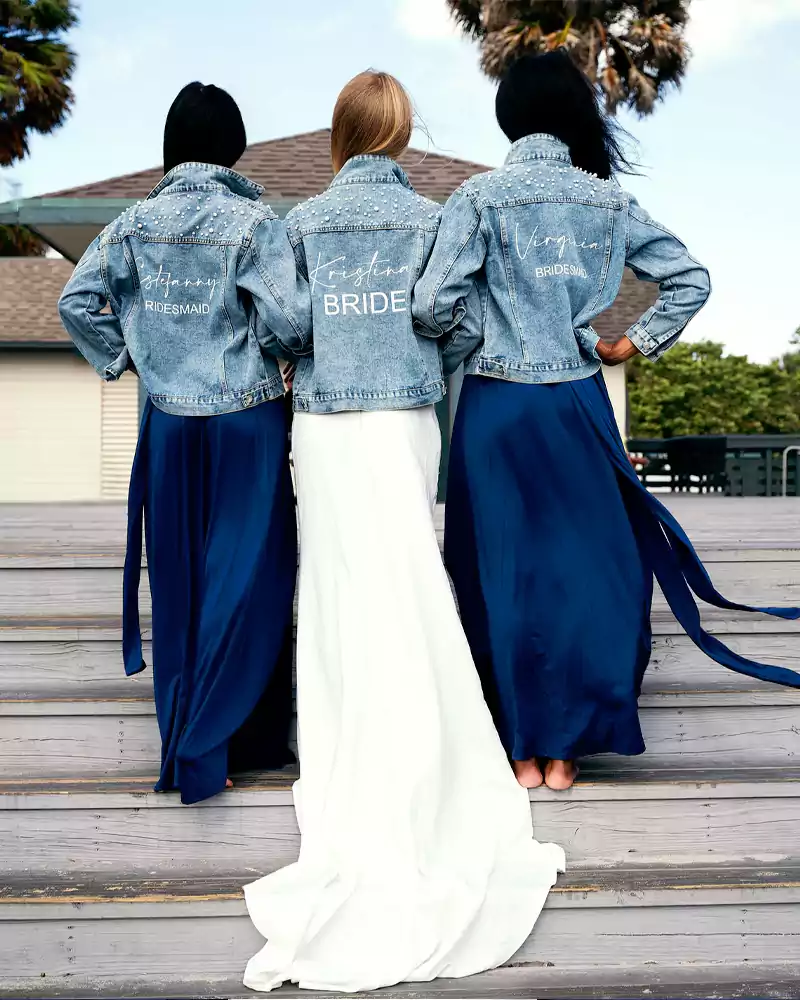
Japan custom denim

In the global denim universe, few names command as much respect and reverence as Japan. Japanese denim is not merely a fabric; it is a living testament to centuries of textile tradition, obsessive attention to detail, and an uncompromising commitment to quality. For connoisseurs, collectors, and everyday wearers alike, Japan custom denim represents the pinnacle of what a pair of jeans can be. This article explores the rich history, unique characteristics, and modern customization culture surrounding Japanese denim, and demonstrates how ZENITH CLOTHING, as a professional garment manufacturer, harnesses these elements to deliver unparalleled custom denim solutions.
Chapter 1: The Historical Roots of Japanese Denim
The story of Japanese denim begins not in Tokyo or Osaka, but in the small industrial city of Kojima, Okayama Prefecture. Often called the “Holy Land of Denim,” Kojima became the epicenter of Japan’s denim revolution in the 1960s and 1970s. At that time, Japan was rebuilding its economy, and American culture—especially blue jeans—became a symbol of freedom and rebellion. However, imported American jeans were expensive and hard to find.
Japanese mills, already skilled in traditional indigo dyeing techniques dating back to the Edo period, saw an opportunity. They acquired vintage American shuttle looms, particularly the iconic Toyoda looms, which had been discarded by Western mills during the shift to more efficient projectile looms. These old looms produced denim at a slower speed but with a distinct texture, uneven slub yarns, and a selvedge edge—characteristics that mass-produced denim lacked. By the 1980s and 1990s, Japanese brands began producing denim that not only rivaled but often surpassed the original American products in terms of durability, dye depth, and fading potential.
Chapter 2: What Makes Japanese Denim Unique?
Understanding Japan custom denim requires a close look at the materials and methods that define it. Several key factors set Japanese denim apart from denim produced elsewhere in the world.
2.1. Indigo Dyeing Techniques
Traditional Japanese indigo dyeing, known as aizome, involves multiple dips of the yarn into fermentation vats of natural indigo. This process creates a unique core-dyed effect: the indigo penetrates the outer layers of the cotton fiber but leaves the core white. Over time and wear, the indigo gradually flakes off, producing the highly sought-after vintage fades that denim enthusiasts prize. Unlike synthetic indigo, which sits on the surface, natural or rope-dyed indigo creates depth and character that improves with age.
2.2. Low-Tension Weaving on Vintage Looms
The use of old Toyoda shuttle looms is perhaps the most famous hallmark of Japanese denim. These looms weave fabric at low tension, resulting in an irregular, slubby texture. Slub refers to the uneven thickness of the yarns, which creates a bumpy, textured surface. This irregularity is not a defect; it is a desired feature that gives each piece of denim a unique hand feel and appearance. As the denim is worn, the slub yarns fade in unpredictable patterns, creating a three-dimensional fading effect that cannot be replicated by modern machinery.
2.3. Selvedge Construction
Selvedge, or self-edge, denim is produced on shuttle looms that create a clean, tightly woven edge on both sides of the fabric. This edge prevents unraveling and was originally a functional feature. Today, the selvedge line—often woven with a colored thread, such as red, white, or pink—has become a mark of authenticity and quality. Japan custom denim frequently offers customization of selvedge thread colors, allowing clients to add a personal signature to their jeans.
2.4. Heavyweight Fabrics and Long-Staple Cotton
Japanese mills are famous for producing heavyweight denim, ranging from 14 oz to over 25 oz per square yard. These dense fabrics mold to the wearer’s body over time, creating a personalized fit that feels like a second skin. The cotton used is typically high-quality, long-staple Zimbabwean or Australian cotton, which produces fewer loose fibers, greater strength, and a softer hand feel despite the fabric’s weight.
Chapter 3: The Rise of Custom Denim Culture in Japan
While ready-to-wear Japanese denim is already exceptional, the next level of appreciation comes through customization. Japan custom denim refers to the practice of tailoring every aspect of a pair of jeans—from the fabric selection and fit to the hardware, stitching, and finishing details—to the exact specifications of the client or brand.
3.1. The Bespoke Denim Experience
In cities like Tokyo, Osaka, and Okayama, custom denim shops offer consultations where clients choose their preferred denim weight, indigo shade, thread color, rivet style, button design, pocket shape, and even the type of chain stitching used for the hem. Some ateliers take over 20 body measurements to ensure a perfect fit. The result is a pair of jeans that fits better than anything off the shelf and reflects the wearer’s personality.
3.2. Custom Fades and Wash Treatments
Beyond construction, Japan custom denim also encompasses post-production treatments. Clients can request specific wash effects: one-wash to remove shrinkage, rinse-only for a dark indigo look, stone wash for an aged appearance, or even hand-distressing with sandpaper and razors to simulate years of wear. Some high-end custom services offer “fade mapping,” where the artisan predicts how the indigo will break in based on the client’s body shape and lifestyle.
3.3. Personalization Details
Customization extends to every visible and invisible detail. Examples include:
- Leather patches: Made from Hokkaido deer leather, vegetable-tanned cowhide, or even synthetic materials, embossed with the wearer’s name or logo.
- Pocket linings: Printed with custom artwork, Japanese boro (patchwork) fabric, or traditional sashiko stitching.
- Hidden rivets: Copper, brass, or iron, sometimes with custom engravings.
- Inseam chain stitch: Using vintage Union Special machines in custom thread colors.
Chapter 4: Why Brands and Individuals Choose Japan Custom Denim
The demand for Japan custom denim has grown far beyond niche collectors. Today, fashion brands, boutique retailers, and individuals choose custom Japanese denim for several compelling reasons.
4.1. Unmatched Quality and Longevity
A pair of well-made Japanese custom jeans can last a decade or more, often improving with age. The combination of long-staple cotton, reinforced stress points, and meticulous construction means that these jeans resist tearing, stretching, and fading prematurely. For brands, offering such durability builds customer loyalty and a reputation for excellence.
4.2. Exclusivity and Brand Identity
In a mass-market world flooded with identical products, custom denim allows brands to differentiate themselves. By choosing exclusive fabric blends, custom hardware, and unique finishing techniques, a brand can create a denim line that belongs only to them. No other store will have the same product.
4.3. Sustainability and Reduced Waste
Custom denim production is often made to order, which significantly reduces overproduction and textile waste. Additionally, Japanese mills are leaders in environmentally responsible practices, such as recycling indigo water, using natural indigo sources, and reducing chemical runoff. For eco-conscious brands and consumers, this is a major advantage.
4.4. Heritage and Storytelling
Every piece of Japan custom denim carries a story—of the vintage loom, the artisan dyer, the specific cotton farm, or the traditional stitching method. Brands can leverage this storytelling in their marketing, creating an emotional connection with customers who value authenticity and craftsmanship.
Chapter 5: The Manufacturing Process of Custom Japanese Denim
Producing custom Japanese denim is a complex, multi-step process that requires specialized machinery and skilled labor. Below is a simplified overview of how a custom order comes to life.
Step 1: Fabric Sourcing or Custom Weaving
The process begins with selecting a base fabric. Standard options include 12 oz, 14 oz, 16 oz, and 21 oz denim in various weaves (left-hand twill, right-hand twill, or broken twill). For larger custom orders, ZENITH CLOTHING works directly with Japanese mills to create exclusive fabrics with unique slub patterns, indigo shades, or nep (small colored flecks in the yarn).
Step 2: Pattern Making and Grading
Based on client measurements or sample garments, a custom pattern is drafted. For production runs, the pattern is graded into multiple sizes. This stage also determines details like rise, thigh room, taper, and hem width.
Step 3: Cutting
Fabric is laid flat and cut in multiple layers. High-quality custom denim is often cut one or two layers at a time to ensure precision. Selvedge fabric is cut carefully to preserve the selvedge line for the outseam.
Step 4: Sewing and Assembly
This is the most labor-intensive stage. Skilled seamstresses use specialized machines:
- Union Special 43200G for chain-stitched hems.
- Juki DDL-8700 for lockstitching.
- Reece 101 for buttonholes.
- Tajima multi-head for custom embroidery.
Key construction points include felled seams, reinforced back pockets, hidden rivets, and bar-tacking at stress points.
Step 5: Finishing and Washing
Raw denim may be left unwashed (loom state), or subjected to a one-wash treatment to remove shrinkage. For washed finishes, the jeans enter industrial washing machines with pumice stones, enzymes, or bleach to achieve specific fading patterns. Finally, the jeans are dried, pressed, and inspected.
Step 6: Quality Control
Each pair is inspected for stitching flaws, loose threads, correct measurements, and uniform fading. Only after passing inspection is the garment labeled and packaged.
Chapter 6: How to Care for Japan Custom Denim
To maximize the life of custom Japanese denim, proper care is essential. Here are key recommendations for end consumers, which ZENITH CLOTHING shares with all our custom clients.
- Avoid frequent washing: Wash only when necessary, ideally every 6 to 12 months of regular wear. This preserves the indigo and allows natural fades to develop.
- Wash inside out in cold water: Use a mild, pH-neutral denim detergent. Never use bleach or fabric softeners.
- Air dry away from direct sunlight: Heat from dryers and direct sun can shrink the fabric and fade the indigo unevenly.
- Spot clean when possible: For minor stains, dab with a damp cloth rather than washing the entire garment.
- Store folded or hung by the waistband: Heavy denim can stretch if hung by the belt loops.
Chapter 7: ZENITH CLOTHING – Your Partner in Premium Custom Denim Manufacturing
After exploring the depth and artistry of Japan custom denim, one question remains: who can bring this level of quality to your brand or personal collection? The answer is ZENITH CLOTHING.
Who We Are
ZENITH CLOTHING is a professional garment manufacturing company with years of experience in producing high-end denim, workwear, and casual apparel. We are not a middleman or a trading company. We operate our own production facilities and maintain direct partnerships with selected Japanese denim mills in Okayama and Kojima. This allows us to offer genuine Japan custom denim at competitive production costs, with full quality control from fiber to finished garment.
Our Capabilities in Japan Custom Denim
At ZENITH CLOTHING, we understand that custom denim is not a commodity—it is a creative collaboration. We offer the following services to fashion brands, retailers, and individual designers:
- Custom fabric development: We can replicate vintage denim textures or create entirely new fabrics with your specified weight, slub level, indigo shade, and selvedge thread color.
- Full pattern customization: Provide your tech pack, or send us a reference garment. Our pattern makers will create a fit tailored to your target market.
- Hardware customization: We source brass, copper, iron, and stainless steel buttons, rivets, and burrs. Custom logo engraving and plating (nickel, antique silver, gunmetal, etc.) are available.
- Specialized stitching: Chain stitch, flat-felled seams, overlock, and decorative stitching using thread colors you choose. We also offer sashiko embroidery and boro-inspired reinforcement stitching.
- Wash and finishing studio: In-house washing capabilities include raw denim, one-wash, rinse, stone wash, enzyme wash, bleach wash, and hand-distressing. We can match specific vintage fade samples.
- Private labeling: We produce leather or woven labels with your brand name, size tags, care labels, and hang tags. We can also emboss custom logos onto leather patches.
Quality Assurance and Ethical Manufacturing
ZENITH CLOTHING operates under strict quality management systems. Every batch of custom denim undergoes:
- Fabric inspection for defects, shrinkage, and colorfastness.
- In-line sewing inspection at each production stage.
- Final inspection including measurements, hardware torque testing, and seam strength testing.
- Random wash tests to ensure fade consistency.
We are committed to ethical manufacturing. Our facilities maintain safe working conditions, fair wages, and environmentally responsible waste disposal. We work only with dye houses and laundries that meet international wastewater standards.
Why Partner with ZENITH CLOTHING?
Choosing ZENITH CLOTHING means choosing a manufacturer that truly understands and respects Japanese denim traditions while delivering modern customization efficiency. We offer:
- Low minimum order quantities for custom fabric and hardware, making premium denim accessible to emerging brands.
- Fast sampling turnaround – typically 15 to 20 days for a custom sample.
- Transparent pricing with no hidden fees.
- Dedicated account managers who guide you from concept to delivery.
- Global shipping to any destination.
How to Start Your Custom Denim Project
Beginning your custom denim journey with ZENITH CLOTHING is simple. Contact our team with your initial ideas—whether you have a full tech pack, a reference photo, or just a concept. We will provide fabric swatches, hardware samples, and pricing estimates. From there, we develop a sample, refine as needed, and move to production.
Conclusion
Japan custom denim represents a rare intersection of heritage, artistry, and personal expression. From the indigo fields of Tokushima to the shuttle looms of Kojima, every yard of this fabric carries centuries of knowledge. For brands and individuals who refuse to compromise on quality, custom denim is not an expense—it is an investment in longevity, uniqueness, and authenticity.
ZENITH CLOTHING stands ready to be your manufacturing partner in this world. Whether you are launching a premium denim line, creating merchandise for your boutique, or seeking a single bespoke pair, we have the expertise, equipment, and passion to deliver Japan custom denim that exceeds expectations. Contact us today to begin crafting denim that tells your story.