Don't miss our holiday offer - up to 50% OFF!

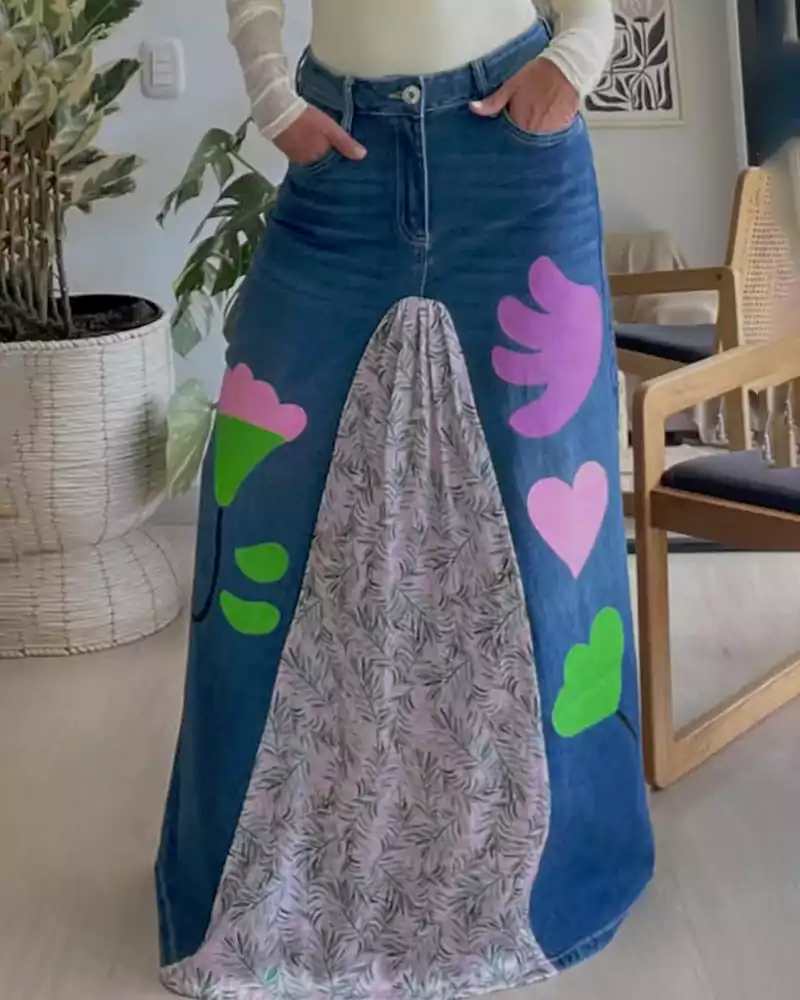
Raw Denim Custom Skirt Portugal Custom Garment Production

Introduction: Portugal as a Vanguard of Custom Denim Production
Portugal has quietly consolidated its position as one of the world’s foremost destinations for premium garment production. Within this landscape, the raw denim custom skirt occupies a distinctive niche—a garment that marries the fabric’s heritage associations with feminine silhouettes and bespoke production values. For brands seeking small-batch, high-quality manufacturing within Europe, Portuguese factories offer a compelling proposition. This article examines the multifaceted considerations that inform the sourcing and production of raw denim custom skirts in Portugal.
Defining the Raw Denim Custom Skirt: Fabric, Form, and Intent
A raw denim custom skirt is a skirt constructed from unwashed, unprocessed denim and produced to a client’s specifications. The fabric retains its original indigo intensity and stiffness, gradually conforming to the wearer’s body and developing fades over time. Forms include A-line, pencil, wrap, and asymmetric silhouettes. The “custom” designation implies that pattern, fabric, hardware, and branding are tailored to the buyer’s requirements. The manufacturer must possess expertise in both raw denim and skirt construction.
The Historical Provenance of Portuguese Garment Manufacturing
Portugal’s garment industry traces its roots to the nineteenth century, when textile mills proliferated in the northern regions. Over decades, the country cultivated a reputation for craftsmanship, particularly in knitwear, shirting, and footwear. The denim sector emerged more recently, propelled by investment in washhouses, laser finishing, and sustainable technologies. Today, Portuguese factories supply many of the world’s most discerning brands. This heritage of craftsmanship underpins the country’s contemporary standing.
Why Portugal Has Become a Locus of Premium Denim Production
Several factors explain Portugal’s ascent. Proximity to European markets reduces lead times and logistics costs. A dense ecosystem of mills, trim suppliers, and washhouses enables vertically integrated production. Labor costs, while higher than in Asia, remain competitive relative to Western Europe. Portuguese factories have invested in sustainable technologies—water recycling, laser finishing, ozone treatment—that appeal to environmentally conscious brands. The combination of craftsmanship, proximity, and sustainability is difficult to replicate.
The Geography of Portuguese Denim: Porto, Braga, and the Northern Corridor
Portuguese denim production is concentrated in the northern corridor, particularly around Porto and Braga. This region hosts denim mills, garment factories, and washhouses within close proximity, facilitating collaboration and reducing transport overhead. The city of Guimarães, a UNESCO World Heritage site, is home to several renowned factories. Understanding this geography enables buyers to select partners strategically and to plan efficient supply chains.
Raw Denim Versus Washed Denim: Implications for Skirt Construction
Raw denim differs from washed denim in ways that affect construction. It is stiffer, more prone to shrinkage, and less forgiving of fitting errors. Skirts constructed from raw denim must accommodate these characteristics through generous seam allowances, careful pattern engineering, and shrinkage testing. The manufacturer must understand that raw denim garments will change over time, and that construction must anticipate this evolution.
Fabric Sourcing: Portuguese Mills, Japanese Imports, and Hybrid Supply Chains
Fabric sourcing for raw denim skirts may draw upon Portuguese mills, Japanese imports, or hybrid supply chains. Portuguese mills produce quality denims, often with sustainable certifications. Japanese mills offer selvedge and specialty fabrics prized by enthusiasts. Hybrid approaches combine Portuguese construction with Japanese fabric, leveraging the strengths of both. The manufacturer must maintain relationships with mills and advise on availability, lead times, and cost.
Indigo Dyeing and the Chemistry of Unwashed Denim
Indigo dyeing is alchemical. Natural indigo, derived from the Indigofera plant, yields a softer, greener blue. Synthetic indigo dominates commercial production. Rope dyeing, the preferred method for premium denim, involves dipping yarns in successive dyebaths with oxidation between immersions. The number of dips determines shade depth. For raw denim skirts, color consistency is critical; uneven dyeing becomes conspicuous as the garment fades.
Weight Considerations for Raw Denim Skirts
Weight, measured in ounces per square yard, influences drape, comfort, and seasonal suitability. Lightweight raw denim—eight to ten ounces—offers drape and breathability. Mid-weight—eleven to fourteen ounces—provides structure and year-round wearability. Heavyweight—fifteen ounces and above—offers durability and dramatic fades but may feel rigid. The manufacturer should advise on weights that align with the intended silhouette and market.
Silhouette Taxonomy: A-Line, Pencil, Wrap, and Asymmetric
The raw denim skirt manifests in several silhouettes. The A-line skirt flares gently from waist to hem, offering comfort and movement. The pencil skirt hugs the body, emphasizing curves but requiring stretch or strategic seaming for wearability. The wrap skirt features overlapping panels and adjustable closure. The asymmetric skirt introduces uneven hemlines for visual interest. Each silhouette presents distinct pattern engineering challenges.
Pattern Engineering for the Raw Denim Skirt
Pattern engineering for raw denim skirts requires attention to grain, shrinkage, and seam placement. The fabric’s stiffness demands that darts and seams be carefully positioned to shape the garment without creating bulk. Waistbands must be structured to prevent rolling. Hems must be finished to withstand abrasion. The pattern engineer must balance aesthetic intent with functional necessity, iterating through fittings and wear tests.
Rise, Waistband, and Yoke Configurations
Rise and waistband construction shape fit and aesthetics. High-rise skirts elongate the leg; low-rise skirts offer a contemporary, casual look. Waistbands may be straight, curved, or contoured. Yokes—shaped panels at the back—improve fit and add visual interest. The manufacturer should present options and advise on their suitability for the intended silhouette and target demographic.
The Question of Stretch: Rigid Versus Elastane-Blended Denim
Stretch denim, incorporating elastane or Lycra, enhances comfort and movement—qualities particularly desirable in fitted skirts. Rigid denim, lacking elasticity, offers a more structured, heritage aesthetic but may restrict movement. For raw denim skirts, the choice depends on silhouette and intended use. The manufacturer should advise on the implications of each choice, including recovery, shrinkage, and fading characteristics.
Construction Techniques for Unwashed Garments
Construction of raw denim garments differs from that of washed garments. Seams must accommodate shrinkage. Stitching must withstand the fabric’s stiffness. Chain-stitched hems, common on premium denim, resist unraveling and produce attractive roping fades. Felled seams enclose raw edges and add strength. Bartacks reinforce stress points. The manufacturer must specify stitch density, needle sizes, and thread weights appropriate to the fabric.
Hardware, Fastenings, and Trim Selection
Hardware—buttons, rivets, zippers—contributes both function and branding. Custom buttons with debossed logos, engraved rivets, and branded leather patches enhance perceived value. Labels, whether woven or printed, convey brand identity and care instructions. The manufacturer must source these components from vetted suppliers, ensure compliance with European standards, and integrate them without disrupting production flow.
Selvedge Edges as Design Features
Selvedge denim, woven on shuttle looms, features a finished edge that prevents unraveling. In raw denim skirts, selvedge edges may be incorporated as design features—visible at seams, hems, or pocket edges. This requires careful pattern placement and construction. The manufacturer must understand selvedge characteristics and advise on their integration.
Wash Treatments and the Paradox of Raw Denim Finishing
Raw denim, by definition, is unwashed. Yet some finishing may be necessary—rinse washing to remove sizing, for instance, or sanitizing treatments. The paradox lies in preserving the raw aesthetic while ensuring the garment is safe and comfortable. The manufacturer must advise on minimal finishing that respects the raw denim designation while meeting practical requirements.
Lining and Interfacing for Raw Denim Skirts
Lining enhances comfort and structure. For raw denim skirts, a partial lining—at the waistband and upper hip—may improve wearability without compromising the raw aesthetic. Interfacing provides shape retention to waistbands and plackets. The manufacturer must select interfacing appropriate to the fabric weight and desired hand feel. Poor choices yield waistbands that roll or plackets that pucker.
Sizing, Grading, and Fit Inclusivity
Sizing raw denim skirts requires attention to waist, hip, and length measurements. Grading must preserve proportional relationships across sizes. Extended sizing, including larger waists and hips, broadens the addressable market. Raw denim’s lack of stretch means that sizing must be generous enough to permit movement yet close enough to facilitate fades. Transparency and consistency are paramount.
Sampling Protocols for Raw Denim Skirts
Sampling validates design, construction, and fit. Prototypes reveal pattern flaws, fabric behavior, and shrinkage potential. Fit samples assess silhouette and comfort. Wash samples determine shrinkage and color. Pre-production samples confirm that bulk materials and methods will yield the approved result. A manufacturer that embraces iterative sampling reduces the risk of bulk production failures.
Minimum Order Quantities and the Portuguese Production Model
MOQs in Portuguese denim manufacturing vary. Some factories accommodate smaller batches, particularly for premium or sustainable lines. Others require higher volumes to justify setup costs. Buyers should understand that MOQs are negotiable and that consolidated orders—multiple styles in a single production run—can reduce per-unit costs. Transparency regarding cost drivers enables intelligent negotiation.
Quality Assurance for Unwashed Denim Garments
Quality assurance for raw denim differs from that for washed denim. Defects that would be obscured by distressing—weaving irregularities, dye streaks, uneven stitching—are fully visible. Inspection must be rigorous. Measurements must be verified against specifications. Shrinkage potential must be documented. Hardware must be tested for function and finish. A manufacturer with a formalized QA protocol provides assurance.
Compliance, Certification, and Ethical Manufacturing in Portugal
Compliance is non-negotiable. Certifications such as GOTS, OEKO-TEX, and bluesign provide independent verification of environmental performance. Ethical labor practices, audited by independent bodies, are equally important. Portuguese factories generally adhere to high labor standards, but buyers should verify. Wastewater from dyeing and washing must be treated responsibly. A manufacturer committed to these standards enables buyers to market with integrity.
Lead Times, Logistics, and European Market Access
Portugal’s proximity to European markets reduces lead times and logistics costs. Goods can be transported by road, rail, or sea within days. Customs procedures within the European Union are streamlined. For buyers outside the EU, Portuguese production offers access to European craftsmanship with manageable logistics. The manufacturer should advise on shipping options and documentation requirements.
Cost Structures and the Premium Positioning of Portuguese Production
Costs in Portugal exceed those in Asia but remain below those in Western Europe. Fabric, labor, washing, finishing, and overhead constitute the primary cost drivers. A reliable manufacturer provides itemized quotations. Negotiation should focus on total cost of ownership, not merely unit price. Portuguese production supports premium positioning; the craftsmanship narrative justifies higher retail prices.
Sustainability and the Portuguese Craftsmanship Narrative
Sustainability is integral to the Portuguese denim narrative. Factories invest in water recycling, renewable energy, and low-impact finishing. Artisanal craftsmanship—hand-finishing, small-batch production—reduces waste and enhances quality. A manufacturer committed to these principles enables buyers to market their skirts with integrity and appeal to conscientious consumers.
Common Pitfalls in Sourcing Raw Denim Skirts from Portugal
Pitfalls are manifold. Inadequate vetting of a factory’s credentials leads to substandard output. Overlooking shrinkage tolerances yields ill-fitting garments. Neglecting to verify compliance invites customs delays. Underestimating lead times during peak seasons causes stockouts. Remedies include thorough due diligence, clear technical documentation, realistic timelines, and regular quality checks.
Case Studies: Successful Portuguese Raw Denim Programs
Examination of successful programs yields insights. A Scandinavian brand partnered with a Porto factory to produce raw denim A-line skirts in selvedge fabric, achieving rapid sell-through and critical acclaim. A Japanese label collaborated with a Portuguese washhouse on raw denim wrap skirts with minimal finishing. In both cases, success derived from aligned aesthetics, transparent communication, and the factory’s technical proficiency.
Future Trends in Portuguese Denim Manufacturing
The future will be shaped by digitalization, automation, and sustainability. 3D sampling reduces the need for physical prototypes. Automated cutting and sewing enhance precision. Blockchain traceability appeals to transparency-minded consumers. Circular economy models encourage take-back and recycling. Manufacturers that invest in these capabilities will offer buyers a competitive advantage.
Conclusion: Selecting a Portuguese Partner for Raw Denim Excellence
The raw denim custom skirt produced in Portugal represents a convergence of craftsmanship, sustainability, and premium positioning. The selection of a Portuguese partner is a decision of considerable consequence. It determines product quality, market responsiveness, and brand reputation. The ideal partner combines technical expertise, transparent communication, scalable capacity, and ethical integrity. By conducting rigorous due diligence, documenting specifications meticulously, and nurturing collaborative relationships, buyers can bring distinctive raw denim skirts to market that resonate with consumers and endure beyond a single season.