Don't miss our holiday offer - up to 50% OFF!

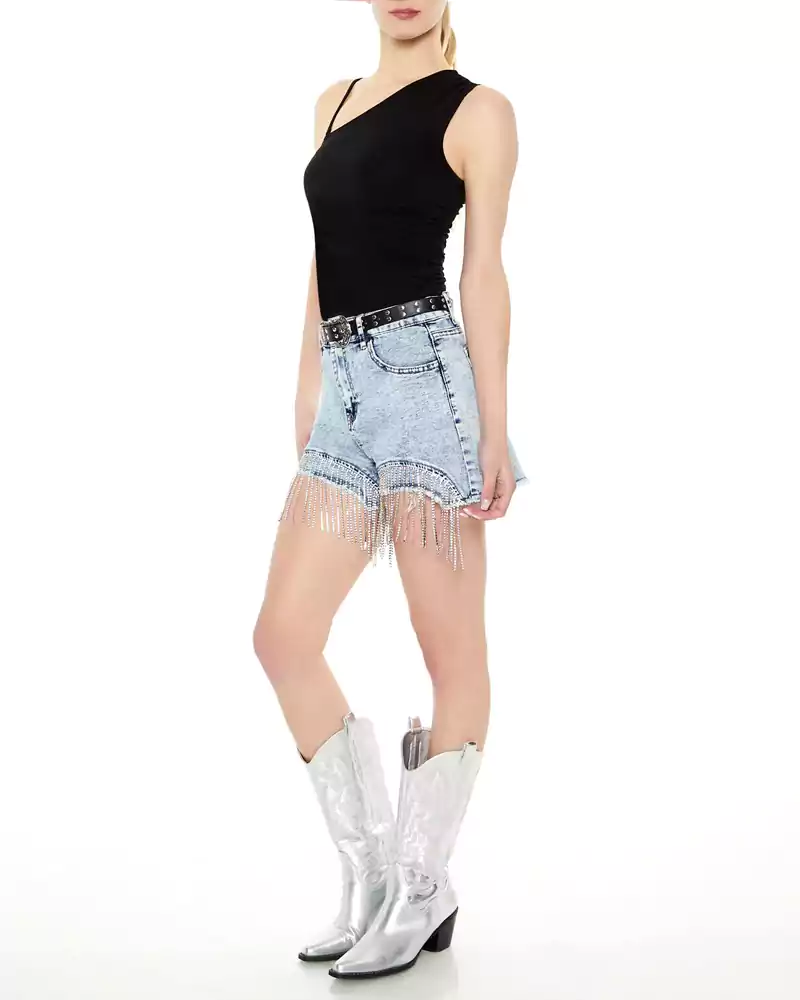
Selvedge Custom Men Denim Shorts Premium Cotton

Introduction: The Selvedge Short as a Convergence of Heritage and Utility
The selvedge denim short occupies a rarefied stratum within men’s casualwear. It is at once a utilitarian garment and an object of connoisseurship—a piece that signals fluency in the language of premium denim. For brands seeking to differentiate their warm-weather assortments, the custom selvedge short offers a compelling proposition: heritage fabrication, artisanal provenance, and the potential for distinctive branding. Yet the production of such shorts demands a manufacturer with specialized capabilities. This article examines the manifold considerations that inform the sourcing and production of custom men’s selvedge denim shorts in premium cotton.
Defining Selvedge Denim: Loom, Edge, and Integrity
Selvedge denim is woven on shuttle looms, which propel a single weft yarn back and forth across the warp. This method produces a tightly bound edge—the self-edge, or selvedge—that prevents unraveling and bears a distinctive colored thread. The slower pace of shuttle looms yields fabric with unique characteristics: tighter weave, irregular texture, and superior fading potential. Selvedge is not merely a marker of quality; it is a testament to a slower, more deliberate mode of production.
The Historical Provenance of Shuttle-Loom Weaving
The shuttle loom predates the industrial revolution, though its proliferation in the nineteenth and early twentieth centuries coincided with the rise of denim as workwear. American mills such as Cone and White Oak produced selvedge denim for Levi’s and other heritage brands. As mass production shifted to projectile and rapier looms, shuttle looms receded—until Japanese mills revived them in the late twentieth century. This lineage informs the cultural capital that selvedge denim commands today.
Why Selvedge Commands a Premium in Contemporary Menswear
The premium attached to selvedge derives from several factors. Production volumes are lower; shuttle looms operate at a fraction of the speed of modern looms. The fabric itself is costlier, particularly when produced in Japan. Consumers perceive selvedge as a mark of authenticity, a connection to denim’s heritage. This perception sustains willingness to pay elevated prices, which in turn supports the margins that brands seek.
The Commercial Case for Custom Men’s Selvedge Shorts
Custom selvedge shorts offer brands a differentiated product in a crowded market. They appeal to discerning consumers who value provenance, craftsmanship, and fade potential. They command premium price points, enhancing margins. They lend themselves to storytelling—the mill, the loom, the cotton, the construction—that enriches brand narratives. For buyers, the category represents an opportunity to elevate their assortments and cultivate loyalty among enthusiasts.
Premium Cotton: Species, Staple Length, and Provenance
Premium cotton is the foundation of premium denim. Species such as Gossypium hirsutum and Gossypium barbadense yield fibers of varying staple lengths. Longer staples—as found in Egyptian, Supima, and Sea Island cottons—produce stronger, smoother yarns. Provenance matters: cotton grown in specific regions may exhibit distinct characteristics due to climate and soil. The manufacturer should source cotton that aligns with the desired hand feel, durability, and fading potential.
The Role of Cotton Variety in Fade Development
Cotton variety influences fade development. Longer-staple cottons, spun into smoother yarns, tend to fade with greater contrast. Shorter-staple cottons may yield softer, more muted fades. The indigo’s penetration into the yarn—determined by dyeing methodology—also shapes fade potential. The manufacturer should advise on fabric selections that align with the brand’s target aesthetic, whether high-contrast or vintage-inspired.
Selvedge Mills of Consequence: Japan, Italy, and the United States
Several mills command respect in the selvedge world. Japanese mills—Kuroki, Nihon Menpu, Collect, and Okayama—are renowned for their craftsmanship and innovation. Italian mills such as Candiani offer sustainable selvedge with European flair. American mills, including the revived White Oak and newer entrants, produce heritage-inspired fabrics. The manufacturer should maintain relationships with these mills and advise on availability, lead times, and cost.
Weight Taxonomy for Shorts: From Featherweight to Armor
Weight, measured in ounces per square yard, determines drape, durability, and seasonal suitability. For shorts, eight to ten ounces offers breathability and drape. Twelve to fourteen ounces provides structure and year-round wearability. Sixteen ounces and above appeals to enthusiasts of heavy denim but may feel oppressive in heat. The manufacturer should advise on weights that align with the intended climate and market.
Indigo Dyeing Methodologies and Their Aesthetic Ramifications
Indigo dyeing is alchemical. Natural indigo yields a softer, greener blue. Synthetic indigo dominates commercial production. Rope dyeing, the preferred method for premium denim, involves dipping yarns in successive dyebaths with oxidation between immersions. The number of dips determines shade depth. For selvedge shorts, color consistency across the fabric is critical; uneven dyeing becomes conspicuous as the garment fades.
Silhouette Taxonomy: Five-Pocket, Chino, Pleated, and Wide-Leg
The selvedge short manifests in several silhouettes. The five-pocket short descends from jeans, featuring riveted pockets and a coin pocket. The chino short borrows from military tailoring, with slant pockets and a cleaner profile. The pleated short offers volume and vintage flair. The wide-leg short embraces contemporary volume. Each silhouette presents distinct pattern engineering challenges and appeals to different consumer segments.
Pattern Engineering for the Selvedge Short
Pattern engineering for selvedge shorts requires attention to grain, shrinkage, and seam placement. Selvedge fabric is narrow—typically thirty to thirty-two inches—which constrains marker efficiency. The pattern engineer must nest pieces to minimize waste while preserving the selvedge edge where desired. Waistbands must be structured to prevent rolling. Hems must be finished to withstand abrasion.
Rise, Waistband, and Yoke Architecture
Rise and waistband construction shape fit and aesthetics. High-rise shorts elongate the leg; low-rise shorts offer a contemporary, casual look. Waistbands may be straight, curved, or contoured. Yokes—shaped panels at the back—improve fit and add visual interest. The manufacturer should present options and advise on their suitability for the intended silhouette and target demographic.
Inseam Length and the Semiotics of Hem Placement
Inseam length is a semantic decision. A five-inch inseam signals athleticism or retro styling; a seven-inch inseam offers balance and universality; a nine-inch inseam approximates a short trouser. The hem placement relative to the knee—above, at, or below—profoundly influences perceived leg length. Manufacturers should offer multiple inseam options or collaborate with buyers to determine optimal lengths.
The Selvedge Edge as a Design Accretion
The selvedge edge may be incorporated as a design feature. Visible at seams, hems, or pocket edges, it signals authenticity and craftsmanship. This requires careful pattern placement and construction. The manufacturer must understand selvedge characteristics and advise on their integration. A well-executed selvedge detail elevates the garment from generic to distinctive.
Construction Techniques Befitting a Premium Garment
Construction of selvedge shorts must be commensurate with the fabric’s quality. Chain-stitched hems, common on premium denim, resist unraveling and produce attractive roping fades. Felled seams enclose raw edges and add strength. Bartacks reinforce stress points. The manufacturer must specify stitch density, needle sizes, and thread weights appropriate to the fabric. Skimping on construction undermines the value proposition.
Hardware, Rivets, and Fastenings for Elevated Shorts
Hardware—buttons, rivets, zippers—contributes both function and branding. Custom buttons with debossed logos, engraved rivets, and branded leather patches enhance perceived value. Labels, whether woven or printed, convey brand identity and care instructions. The manufacturer must source these components from vetted suppliers, ensure compliance with international standards, and integrate them without disrupting production flow.
Wash Treatments and the Raw Denim Dialectic
Washing is a dialectical question. Raw or rinse-wash shorts preserve the fabric’s original character, allowing the consumer to develop fades. Washed shorts offer immediate softness and vintage aesthetics. Techniques include stonewashing, enzyme washing, laser fading, and whiskering. The manufacturer must replicate the approved wash sample across bulk production. Consistency is paramount.
Sizing, Grading, and the Question of Shrinkage
Sizing selvedge shorts requires attention to shrinkage. Unsanforized denim may shrink substantially upon first wash; sanforized denim shrinks minimally. The manufacturer must provide shrinkage data and advise on sizing strategies. Grading must preserve proportional relationships across sizes. Extended sizing broadens the addressable market. Transparency and consistency are paramount.
Sampling Protocols for Selvedge Shorts
Sampling validates design, construction, and fit. Prototypes reveal pattern flaws, fabric behavior, and shrinkage potential. Fit samples assess silhouette and comfort. Wash samples determine shrinkage and color. Pre-production samples confirm that bulk materials and methods will yield the approved result. A manufacturer that embraces iterative sampling reduces the risk of bulk production failures.
Minimum Order Quantities and Small-Batch Economics
MOQs for selvedge shorts reflect the realities of fabric procurement. Selvedge mills often impose minimum yardage requirements; a single run of custom fabric may demand hundreds of meters. Consequently, MOQs per style, per fabric, and per wash can be substantial. Buyers with modest initial volumes may need to negotiate, consolidate styles, or select stock fabrics.
Quality Assurance for Premium Cotton Garments
Quality assurance must address measurements, stitch integrity, hardware function, and wash consistency. Seams must withstand tension and abrasion. Bartacks must reinforce stress points. Buttons and zippers must function smoothly. A manufacturer with a documented QA protocol and traceable records provides assurance. Third-party inspections offer additional verification.
Compliance, Certification, and Ethical Sourcing
Compliance is non-negotiable. Certifications such as GOTS, OEKO-TEX, and bluesign provide independent verification of environmental performance. Ethical labor practices, audited by independent bodies, are equally important. Restricted substances lists must be observed. A manufacturer committed to these standards enables buyers to market their shorts with integrity.
Packaging, Presentation, and Retail Readiness
Packaging shapes perception. Shorts may be folded, hung, or rolled, depending on retailer requirements. Branded tape, tissue paper, and care cards enhance unboxing experiences. Hangtags, woven labels, and size stickers must align with the brand’s identity. A manufacturer that understands retail readiness reduces the burden on the buyer and enhances shelf appeal.
Sustainability and the Slow Fashion Narrative
Sustainability is integral to the selvedge narrative. Shuttle looms consume less energy than modern looms. Organic cotton, natural indigo, and low-impact finishing reduce environmental harm. Artisanal production—small batches, hand-finishing—reduces waste. A manufacturer committed to these principles enables buyers to market their shorts with integrity and appeal to conscientious consumers.
Common Pitfalls in Selvedge Short Sourcing
Pitfalls are manifold. Inadequate vetting of a mill or factory leads to substandard fabric or construction. Overlooking shrinkage tolerances yields ill-fitting garments. Neglecting hardware compliance invites customs delays. Underestimating lead times during peak seasons causes stockouts. Remedies include thorough due diligence, clear technical documentation, realistic timelines, and regular quality checks.
Case Studies: Successful Selvedge Short Programs
Examination of successful programs yields insights. A Japanese brand partnered with a Portuguese factory to produce selvedge shorts in Okayama fabric, achieving rapid sell-through. An American label collaborated with a Chinese manufacturer on selvedge chino shorts, leveraging competitive pricing and reliable lead times. In both cases, success derived from aligned aesthetics, transparent communication, and technical proficiency.
Future Trends in Premium Denim Manufacturing
The future will be shaped by digitalization, automation, and sustainability. 3D sampling reduces the need for physical prototypes. Automated cutting and sewing enhance precision. Blockchain traceability appeals to transparency-minded consumers. Circular economy models encourage take-back and recycling. Manufacturers that invest in these capabilities will offer buyers a competitive advantage.
Conclusion: Selecting a Partner for Selvedge Excellence
The custom men’s selvedge denim short in premium cotton represents a convergence of heritage, craftsmanship, and commercial opportunity. The selection of a manufacturing partner is a decision of considerable consequence. It determines product quality, market responsiveness, and brand reputation. The ideal partner combines technical expertise, transparent communication, scalable capacity, and ethical integrity. By conducting rigorous due diligence, documenting specifications meticulously, and nurturing collaborative relationships, buyers can bring distinctive selvedge shorts to market that resonate with consumers and endure beyond a single season.