Don't miss our holiday offer - up to 50% OFF!

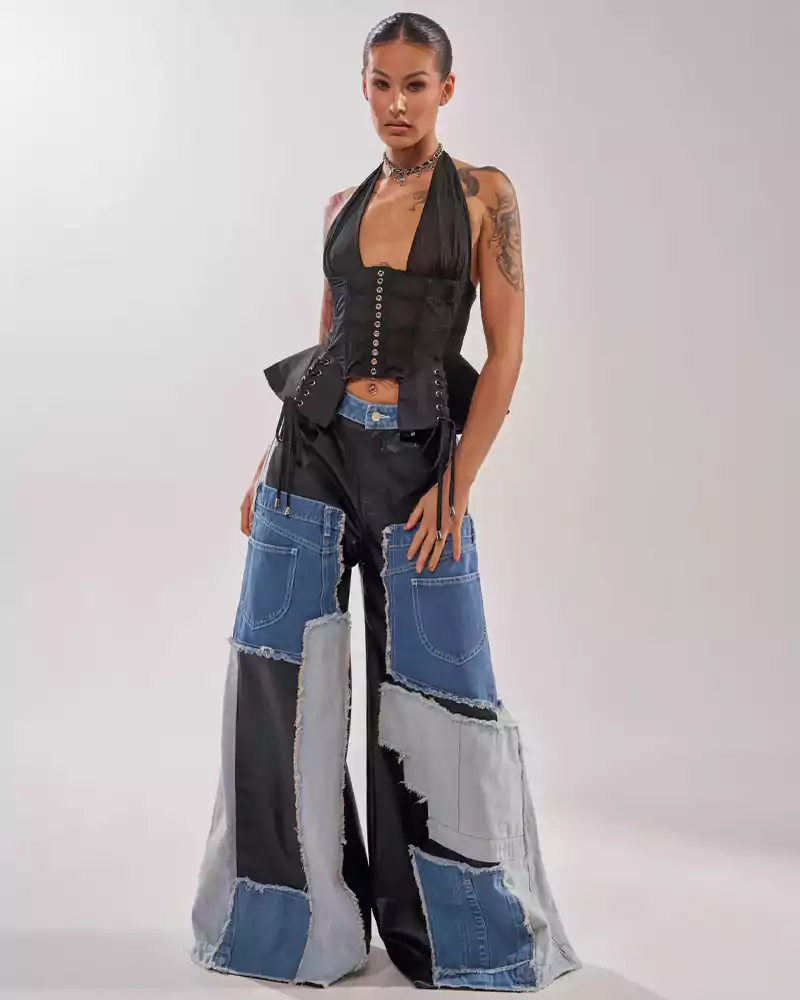
Ways to customize denim

Denim is more than just a durable fabric—it is a canvas for personal expression. From classic blue jeans to jackets, shirts, and skirts, denim offers endless possibilities for customization. Whether you want to refresh an old pair of jeans, add a unique touch to a new jacket, or create a branded line for retail, customizing denim allows you to transform everyday pieces into wearable art. Below are the most effective and creative ways to customize denim, broken down by technique, difficulty level, and aesthetic outcome.
1. Surface Embellishments: Adding Texture and Shine
Surface embellishments are among the simplest yet most striking ways to customize denim. These techniques involve adding materials onto the fabric rather than altering the denim’s structure.
1.1 Embroidery and Thread Art
Embroidery transforms plain denim into a narrative piece. You can hand-stitch or machine-embroider flowers, geometric patterns, animals, or abstract designs. Popular placements include back pockets, the outer leg seam, or around the hem. For a modern look, use contrasting threads—neon orange, electric blue, or white on dark indigo denim.
1.2 Beading and Sequins
For a glamorous or festival-ready style, beads and sequins can be sewn onto denim. Create patterns like stars, waves, or scattered clusters. This works especially well on denim jackets and shorts. Use strong, clear thread and a fine needle to ensure durability.
1.3 Studs and Rivets
Metal studs—pyramid, round, or flat—can be pressed or screwed into denim. Arrange them along pockets, down the fly, or on the shoulder of a jacket. Rivets, traditionally used for stress points, can also become decorative when placed in asymmetrical patterns. A stud press tool is recommended for consistent placement.
1.4 Patches and Appliqués
Patches are a quick, reversible way to customize denim. You can use iron-on patches or sew them permanently. Options include band logos, embroidered flowers, vintage badges, or custom-made woven patches. Appliqués—fabric cutouts sewn onto the base—allow for more organic shapes, like leaves or flames.
2. Fabric Manipulation: Changing the Denim’s Structure
Instead of adding elements, you can physically alter the denim itself. These techniques change the texture, fit, and drape of the garment.
2.1 Fraying and Distressing
Fraying involves pulling horizontal threads from the warp (vertical) threads, creating soft, stringy edges. Common on hems, pocket openings, and side seams. For a more aggressive look, use a wire brush or sandpaper to distress specific areas like knees, thighs, or the back yoke. Always reinforce the reverse side to prevent over-damage.
2.2 Slashing and Ripping
Controlled cuts can turn into fashionable rips. Use a sharp blade to cut horizontal slits, then use tweezers to pull out blue warp threads, leaving white weft threads exposed. For a worn-in effect, wash and dry the jeans after slashing. Vary the length and angle of rips for a dynamic look.
2.3 Pleating and Tucking
Pleats add structure and volume. You can sew knife pleats or box pleats along the front of denim skirts or the back of jackets. Tucking involves folding fabric and stitching it down to create raised ridges. This works well on lightweight denim (8–10 oz) rather than heavy 14 oz jeans.
2.4 Slashing and Weaving (Lattice Work)
This advanced technique involves cutting parallel slits in the denim and then weaving ribbon, leather cord, or contrasting fabric strips through the openings. The result resembles a lattice or basket weave. Best done on denim jackets or the front panels of jeans.
3. Color and Wash Customization: Playing with Hue
Color is one of the most transformative elements of denim. Beyond standard indigo, you can create almost any shade or pattern.
3.1 Bleach Splatter and Tie-Dye
Bleach removes color unpredictably, creating high-contrast designs. Dilute bleach with water (1:1 ratio), then flick it onto denim using a brush or sponge. For tie-dye, twist sections of the denim and secure with rubber bands before applying bleach. Rinse thoroughly and neutralize with hydrogen peroxide.
3.2 Gradient Dyeing (Ombré)
Dip the bottom portion of jeans or a jacket into a dye bath, then gradually lift it out over 10–15 minutes. This creates a smooth transition from dark to light. You can use indigo, black, or bright colors like magenta or teal. Natural denim (undyed) works best as a base.
3.3 Ice Dyeing
Ice dyeing produces organic, watercolor-like patterns. Crumple the denim on a rack, cover it with ice cubes, then sprinkle powdered dye over the ice. As the ice melts, the dye seeps into the fabric unevenly. Each result is unique. Use fiber-reactive dyes for cotton denim.
3.4 Spray Painting and Stenciling
Fabric spray paint allows for crisp graphics. Create stencils from cardstock or acetate—logos, words, silhouettes. Lay the stencil on the denim and spray from 6–8 inches away. Multiple thin coats prevent bleeding. Heat-set with an iron after drying.
3.5 Natural Dyeing
For an earthy, sustainable approach, use natural dyes: walnut shells (brown), avocado pits (pink), indigo (blue), or turmeric (yellow). Mordant with alum to fix the color. Natural dyeing works best on raw, unwashed denim and produces subtle, muted tones.
4. Structural Alterations: Changing Fit and Form
Sometimes the best customization is changing how denim fits or functions. These techniques require sewing skills but offer high-impact results.
4.1 Tapering and Reshaping
Turn wide-leg jeans into slim-straight or carrot-fit. Turn the jeans inside out, pin along the inseam and outseam to the desired width, then sew and trim the excess. Keep the original hem by reattaching it after tapering.
4.2 Adding Zippers and Grommets
Insert a side zipper into bootcut jeans to create a flared effect. Add grommets (metal eyelets) along the side seam and lace with ribbon or leather cord. Grommets also work well on the back of denim vests for a punk aesthetic.
4.3 Patchworking and Panel Inserts
Cut out sections of denim and replace them with contrasting fabric—plaid, leather, floral cotton, or even mesh. Common locations: knees, side panels, or the entire back yoke. This is also a great way to repair damaged denim creatively.
4.4 Converting Garment Types
Jeans can become a skirt by cutting the crotch and sewing the legs together. Denim jackets can become vests by removing sleeves. Long skirts can be shortened into asymmetrical minis. Always finish raw edges with a serger or bias tape.
5. Paint and Drawing: Direct Artistic Expression
For those who draw or paint, denim is an excellent substrate. The fabric’s weave holds acrylics and textile paints well.
5.1 Freehand Painting
Use textile acrylics mixed with fabric medium for flexibility. Fine-tipped brushes allow for detailed work—portraits, calligraphy, landscapes. Seal with a heat press or iron (without steam) for permanence.
5.2 Fabric Markers and Pens
Fabric markers offer precision and control, ideal for lettering, doodles, or geometric lines. They work best on light-wash or white denim. Layer multiple colors and set with heat.
5.3 Reverse Painting (With Bleach Gel)
Thicken bleach with cornstarch or a commercial bleach gel. Paint designs onto dark denim using a fine brush. The bleach will remove color in the painted areas, leaving white or orange marks. Rinse after 15–20 minutes.
6. Sustainable and Upcycled Customizations
Customizing denim aligns perfectly with slow fashion. Instead of discarding old denim, you can give it new life.
6.1 Visible Mending (Sashiko)
Sashiko is a Japanese technique using running stitches to reinforce worn areas. Use thick white thread on indigo denim. Stitch in geometric patterns over holes or thin spots. It is both decorative and structural.
6.2 Denim Patchwork from Scraps
Collect scraps from old jeans—pockets, waistbands, hems—and sew them together to create new items: tote bags, aprons, or even a full patchwork jacket. Topstitch with contrasting thread for a cohesive look.
6.3 Replacing Waistbands and Linings
Replace a stretched-out elastic waistband with a new fabric belt or leather strap. Add a colorful lining to a denim jacket—silk, flannel, or cotton voile—for comfort and contrast.
7. Industrial Customization for Brands
If you are looking to customize denim at scale—for a boutique, a band, or a clothing line—industrial methods offer consistency and durability.
7.1 Laser Etching and Engraving
Laser machines burn off indigo to create precise patterns, logos, or textures. This method is chemical-free and highly repeatable. It can simulate whiskering, honeycombs, or custom graphics.
7.2 Screen Printing on Denim
Screen printing applies thick layers of ink onto denim. It works best for bold logos or repeated patterns. Use plastisol or water-based inks and cure with heat. This is ideal for back patches or pocket prints.
7.3 Industrial Stone Washing and Enzyme Washing
For a uniformly faded, soft finish, stone washing uses pumice stones, while enzyme washing uses cellulase. These processes can be controlled to achieve specific levels of abrasion. Combine with bleach sprays or resin treatments for unique effects.
7.4 Custom Woven Labels and Leather Patches
The waistband patch is a signature detail. Replace the standard patch with a custom leather or woven label featuring your brand name, logo, or care instructions. Embossed leather adds a premium feel.
Putting It All Together: Your Custom Denim Project
Before starting any customization, consider the following steps:
- Choose your base garment – New or vintage? Light or dark wash? Stretch or rigid denim?
- Select your techniques – Combine 2–3 methods (e.g., bleach splatter + embroidery + tapering).
- Prepare the denim – Wash and dry to remove sizing, unless you are working with raw denim.
- Test first – Try your technique on a scrap or inside a pocket.
- Work in layers – Do structural changes first (tapering, slashing), then surface work (paint, studs), then washing.
- Finish properly – Heat-set paints, trim loose threads, and reinforce stress points.
From Customization to Production: ZENITH CLOTHING
While DIY customization is rewarding, many individuals and businesses require professionally customized denim at scale. This is where we come in.
ZENITH CLOTHING is a full-service garment manufacturing factory specializing in denim customization and production. With years of experience in the fashion industry, we offer a complete range of denim services, from raw material sourcing to finished, customized pieces ready for retail or personal use.
Our capabilities include all the techniques described above: embroidery, screen printing, laser etching, bleaching, tie-dye, distressing, patching, and structural alterations. We work with rigid, stretch, raw, and washed denims in various weights (6 oz to 14 oz). Whether you need 50 pairs of customized jeans for a special event or 5,000 units for a seasonal collection, our factory can deliver consistent quality and fast turnaround times.
Why choose ZENITH CLOTHING?
- In-house customization – We do not outsource. Every stitch, print, and wash is controlled under one roof.
- Low minimum quantities – Small batches welcome, no need for massive pre-orders.
- Eco-friendly options – Laser distressing, ozone washing, and natural dyes available.
- Private labeling – Add your own woven labels, leather patches, and branded hardware.
- Sampling service – We create prototypes so you can see and feel the customization before full production.
- Global shipping – We serve clients worldwide, from independent designers to established brands.
How to start your custom denim project with ZENITH CLOTHING
- Send us your base denim garments or let us source them for you.
- Share your customization ideas—sketches, reference photos, or sample garments.
- Our team advises on material compatibility and cost efficiency.
- We produce a sample for your approval.
- Upon confirmation, we move to bulk production with strict quality control.
- Receive finished, packaged, and ready-to-sell custom denim.
Denim customization is an art, a craft, and a business. Whether you are refreshing your own wardrobe or launching a denim line, the possibilities are limitless. And when you need professional, scalable, and high-quality execution, ZENITH CLOTHING is your manufacturing partner.
Contact us today to turn your denim ideas into reality.