Don't miss our holiday offer - up to 50% OFF!

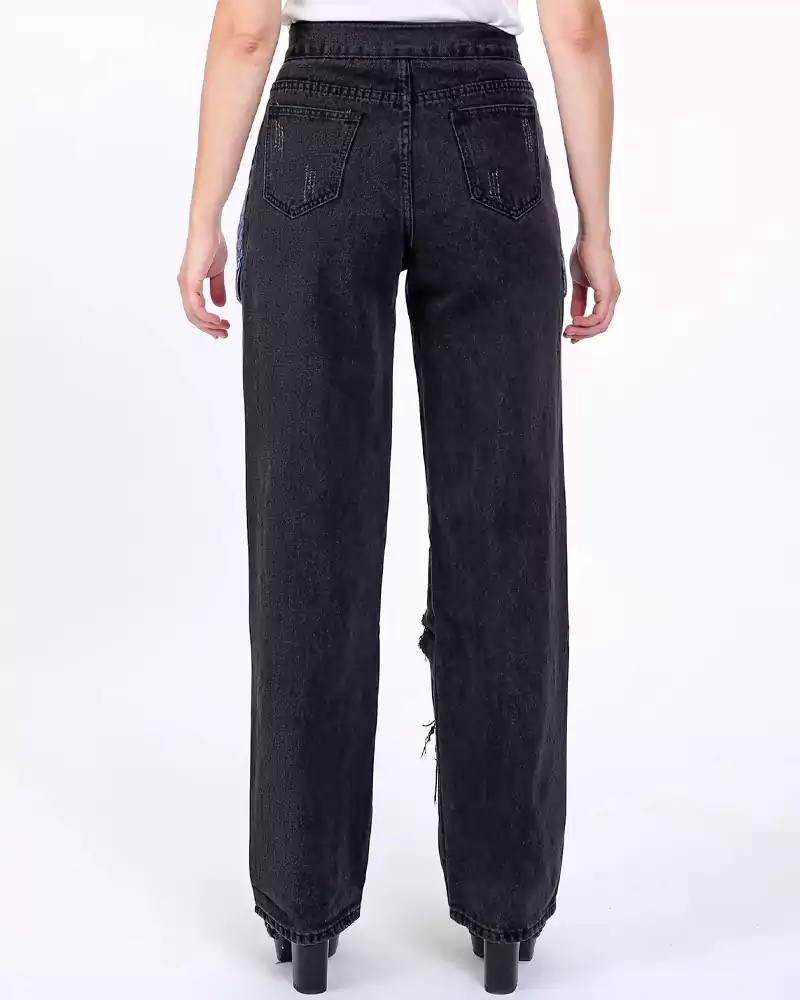
Wholesale streetwear mens denim jeans custom loose fit jeans straight baggy jeans

Introduction: The Ascendancy of Wholesale Streetwear Denim
The contemporary menswear landscape has undergone a seismic recalibration. At its epicenter lies denim—specifically, the voluminous, unapologetically relaxed silhouettes that have come to define streetwear’s sartorial vernacular. Wholesale streetwear men’s denim jeans, encompassing custom loose-fit, straight, and baggy configurations, represent far more than a passing trend. They constitute a robust commercial category, a cultural signifier, and a logistical labyrinth for the uninitiated. For retailers and brands alike, mastering this domain demands an appreciation for its historical antecedents, its material intricacies, and its mercurial market forces. This exposition endeavors to elucidate the multifarious dimensions of wholesale denim, providing a comprehensive framework for those seeking to navigate its complexities with acumen and foresight.
The Cultural Provenance of Loose-Fit Denim
From Workwear to Runway
The genesis of loose-fit denim is inextricably tethered to utility. Nineteenth-century laborers—miners, cowboys, railroad workers—required garments that permitted unencumbered movement. The original denim trousers were capacious by necessity, not by design. Yet, over successive decades, this functional imperative metamorphosed into an aesthetic choice. By the late twentieth century, designers had appropriated the voluminous silhouette, elevating it from the workshop to the runway. This transmutation underscores a salient truth: in fashion, utility and style are perpetually intertwined, each informing the other in an unending dialectic.
The Hip-Hop Epoch and Its Sartorial Legacy
No examination of baggy denim would be complete without acknowledging the profound influence of hip-hop culture. Emerging from the Bronx in the 1970s and proliferating globally thereafter, hip-hop engendered a distinct sartorial code. Oversized jeans, often worn low on the hips, became emblematic of a countercultural identity—a repudiation of mainstream conformity. This aesthetic permeated music videos, album covers, and street corners, eventually infiltrating high fashion. The legacy persists. Contemporary wholesale buyers ignore this cultural lineage at their peril, for authenticity remains a cardinal virtue among streetwear consumers.
The Digital Renaissance of Baggy Silhouettes
The advent of social media platforms—Instagram, TikTok, and their ilk—has catalyzed a renaissance of baggy denim. Algorithmic curation amplifies niche aesthetics, allowing subcultures to coalesce and commercialize at unprecedented velocities. Gen Z consumers, in particular, have embraced the voluminous silhouette as a bulwark against the skinny-jean hegemony of the 2010s. For wholesalers, this digital renaissance presents both opportunity and volatility. Trends accelerate. Preferences shift. Agility is paramount.
Defining the Taxonomy of Contemporary Cuts
Straight-Leg: The Archetypal Staple
The straight-leg jean is the polestar of denim configurations. Neither tapered nor flared, it descends from hip to hem with minimal deviation, yielding a clean, unbroken line. This silhouette’s versatility renders it a perennial wholesale staple. It complements diverse body types, adapts to myriad styling contexts, and transcends ephemeral trends. For retailers, straight-leg denim constitutes a foundational inventory item—a reliable anchor amidst the capricious tides of fashion.
Loose-Fit: The Deliberate Drape
Loose-fit jeans occupy a liminal space between the straight and the baggy. They afford ample room through the thigh and seat without descending into the territory of the exaggerated. The drape is deliberate, the comfort palpable. In wholesale terms, loose-fit denim appeals to consumers seeking relief from restrictive cuts while maintaining a semblance of structure. It is the Goldilocks of silhouettes—neither too tight nor too voluminous, but precisely calibrated for contemporary sensibilities.
Baggy: The Expansive Statement
Baggy jeans are the apotheosis of relaxed denim. They billow. They swathe. They make an unmistakable statement. Originating from skate culture, hip-hop, and rave scenes, baggy denim has reemerged as a dominant force in streetwear. Wholesale production of baggy jeans requires meticulous attention to proportion; excess fabric must be distributed intelligently to avoid a shapeless effect. When executed with precision, baggy denim exudes an insouciant cool that resonates powerfully with younger demographics.
Distinguishing Nuances Between Silhouettes
The distinctions between straight, loose, and baggy may appear subtle to the uninitiated, yet they are consequential. A straight-leg jean with a 17-inch leg opening differs markedly from a baggy counterpart with a 22-inch opening. Wholesalers must articulate these nuances in their catalogs, providing precise measurements and fit descriptions. Ambiguity breeds dissatisfaction. Precision cultivates loyalty.
Fabrication Fundamentals for Wholesale Production
Selvedge Versus Non-Selvedge Denim
Selvedge denim, woven on shuttle looms, possesses a tightly finished edge that precludes fraying. It is esteemed for its durability, exclusivity, and capacity to develop distinctive fades over time. Non-selvedge denim, produced on modern projectile looms, is more economical and amenable to mass production. Wholesale buyers must weigh the premium commanded by selvedge against the volume achievable with non-selvedge. The calculus depends upon target demographics and price positioning.
Ounce Weight and Its Functional Implications
Denim weight, measured in ounces per square yard, ranges from lightweight (8–10 oz) to heavyweight (16 oz and beyond). Lighter denims drape fluidly, ideal for warm climates and relaxed silhouettes. Heavier denims offer structure, durability, and a substantial hand feel. For loose-fit and baggy jeans, mid-to-heavy weights (12–15 oz) often prove optimal, providing sufficient body to maintain the intended silhouette without undue rigidity.
Stretch Blends and Rigid Cotton
The incorporation of elastane or spandex into denim fabric enhances comfort and mobility. Stretch denim has become ubiquitous in contemporary wholesale markets, particularly for slim and straight cuts. However, rigid, 100% cotton denim retains a devoted following among purists and vintage enthusiasts. Wholesalers should offer both, catering to divergent consumer preferences. The key lies in transparent labeling and consistent quality.
Sustainable Fibers and Ethical Sourcing
Environmental consciousness has migrated from the periphery to the mainstream. Consumers increasingly scrutinize the provenance of their garments, demanding organic cotton, recycled fibers, and low-impact dyeing processes. Wholesale suppliers who embrace sustainability gain a competitive advantage, particularly among younger, ethically minded buyers. Certifications such as GOTS (Global Organic Textile Standard) and Fair Trade lend credibility and facilitate market access.
The Wholesale Ecosystem: Sourcing and Supply Chains
Identifying Reputable Manufacturers
The foundation of any wholesale denim enterprise is a reliable manufacturing partner. Reputable manufacturers demonstrate consistent quality control, transparent communication, and adherence to ethical labor practices. Due diligence is indispensable: request samples, visit facilities where feasible, and solicit references from existing clients. The allure of low-cost suppliers must be tempered by considerations of reliability and reputational risk.
Minimum Order Quantities and Their Implications
Minimum order quantities (MOQs) vary dramatically across manufacturers. Some impose thresholds of 500 units per style; others accommodate smaller runs for emerging brands. Wholesalers must align MOQs with their inventory capacity and market demand. Excessive inventory incurs carrying costs; insufficient inventory precipitates stockouts. The optimal balance requires continual recalibration.
Navigating International Trade and Tariffs
Global sourcing introduces a panoply of regulatory considerations. Tariffs, quotas, and trade agreements shape the landed cost of imported denim. Wholesalers must remain conversant with harmonized system codes, rules of origin, and customs procedures. Failure to do so can erode margins and precipitate compliance penalties. Engaging a customs broker or trade consultant is often a prudent investment.
Quality Assurance Protocols
Quality assurance transcends mere inspection. It encompasses specification development, pre-production sampling, in-line monitoring, and final audit. Defects—whether in stitching, dye consistency, or dimensional accuracy—undermine brand equity and inflame return rates. Robust QA protocols safeguard both reputation and profitability.
The Customization Imperative
Wash Treatments and Finishing Techniques
Wash treatments imbue denim with character. Stone washing, acid washing, enzyme washing, sandblasting, and laser finishing each yield distinct visual and tactile effects. Wholesale buyers can commission custom washes to differentiate their offerings. However, novelty must be balanced against cost and consistency. A wash that cannot be replicated reliably is a liability, not an asset.
Hardware and Embellishments
Buttons, rivets, zippers, and rivets constitute the hardware of denim. Their quality and design contribute to perceived value. Custom hardware—embossed buttons, branded rivets—reinforces brand identity. Embellishments such as embroidery, patches, and appliqués offer further avenues for differentiation. Restraint is advisable; over-embellishment can veer into kitsch.
Branding: Labels, Patches, and Embroidery
Branding transforms a commodity into a product. Woven labels, leather patches, and embroidered logos signal provenance and prestige. For wholesale clients, private-label services enable the creation of bespoke branding without the overhead of in-house manufacturing. The resultant garments bear the retailer’s identity, fostering customer loyalty and enabling premium pricing.
Size Grading for Diverse Markets
Size grading—the systematic scaling of patterns across sizes—is a technical discipline. Inaccurate grading yields garments that fit poorly, generating returns and dissatisfaction. Wholesalers must ensure that their suppliers employ rigorous grading standards and provide comprehensive size charts. Inclusivity demands extended sizing, a consideration that is both ethical and commercially astute.
Market Dynamics and Consumer Psychology
The Streetwear Consumer Profile
The streetwear consumer is not monolithic. He encompasses teenagers enamored of hyped drops, young professionals seeking elevated casualwear, and older aficionados with a penchant for nostalgia. Psychographic segmentation—values, lifestyles, aspirations—yields richer insights than demographics alone. Wholesalers who comprehend their audience’s motivations can curate inventories with precision.
Regional Preferences and Trends
Denim preferences exhibit regional variation. Metropolitan markets may favor exaggerated baggy silhouettes; secondary markets may incline toward moderate loose fits. Climatic considerations influence fabric weight and wash selection. Wholesalers operating across geographies must embrace localization while maintaining a coherent brand identity.
Pricing Strategies for Wholesale and Retail
Pricing is a multidimensional calculus. Cost of goods, competitive positioning, perceived value, and target margins all inform the final price. Wholesale pricing typically reflects a substantial discount from suggested retail, enabling retailers to achieve viable markups. Transparency and consistency in pricing foster trust and long-term partnerships.
Marketing and Merchandising Wholesale Denim
Visual Merchandising for Retail Partners
Retail presentation influences purchase decisions. Wholesalers can support retail partners with planograms, display fixtures, and styling guidance. A well-merchandised denim wall—organized by fit, wash, and size—facilitates browsing and accelerates conversion. Such support distinguishes a wholesaler from a mere supplier.
Digital Catalogs and Lookbooks
Digital catalogs and lookbooks are indispensable tools for wholesale marketing. High-resolution imagery, detailed specifications, and compelling copy constitute the trifecta of effective presentation. Interactive features—zoom, 360-degree views, fit videos—enhance engagement and reduce uncertainty. The catalog is not merely a list of products; it is a narrative of aesthetic possibility.
Leveraging Social Media and Influencers
Social media amplifies reach and cultivates desire. Wholesalers can leverage platforms to showcase new arrivals, highlight retail partners, and engage directly with consumers. Influencer collaborations—particularly with figures embedded in streetwear subcultures—lend authenticity and accelerate trend adoption. The objective is not virality for its own sake, but sustained visibility and credibility.
Operational Logistics and Fulfillment
Inventory Management for Volatile Trends
Denim trends oscillate. A silhouette that commands premium pricing today may languish tomorrow. Inventory management systems must accommodate this volatility. Just-in-time replenishment, drop shipping, and consignment arrangements offer flexibility. Data analytics—sales velocity, return rates, regional demand—inform replenishment decisions and mitigate risk.
Shipping and Packaging Considerations
Shipping and packaging are not ancillary concerns; they are integral to customer experience. Poly bags, hangtags, and folding techniques influence perceived quality. Efficient logistics—consolidated shipments, optimized routing—reduce costs and transit times. Sustainability in packaging—recycled materials, minimal waste—aligns with consumer values and regulatory trends.
Returns and Defect Handling
Returns are an inevitable facet of apparel retail. A transparent, efficient returns policy mitigates friction and preserves goodwill. Defect handling protocols—inspection, root-cause analysis, corrective action—prevent recurrence. Wholesalers who embrace returns as a feedback mechanism rather than a nuisance gain insights that inform product improvement.
Conclusion: Forging a Sustainable Wholesale Denim Enterprise
The wholesale streetwear denim sector is a crucible of culture, commerce, and craftsmanship. Success demands more than capital; it requires cultural fluency, operational rigor, and strategic foresight. From the selection of fabrics to the cultivation of retail partnerships, each decision reverberates through the value chain. The silhouettes—straight, loose, baggy—are not merely patterns; they are expressions of identity, signifiers of belonging, and vessels of meaning. Wholesalers who honor this complexity, who marry commercial acumen with cultural sensitivity, will thrive. Those who reduce denim to a commodity will founder. The choice is stark, and the stakes are considerable. In the end, the enterprise that endures is the one that recognizes denim not as fabric alone, but as a living, evolving language—one that speaks across generations, geographies, and subcultures. To master that language is to master the market.